

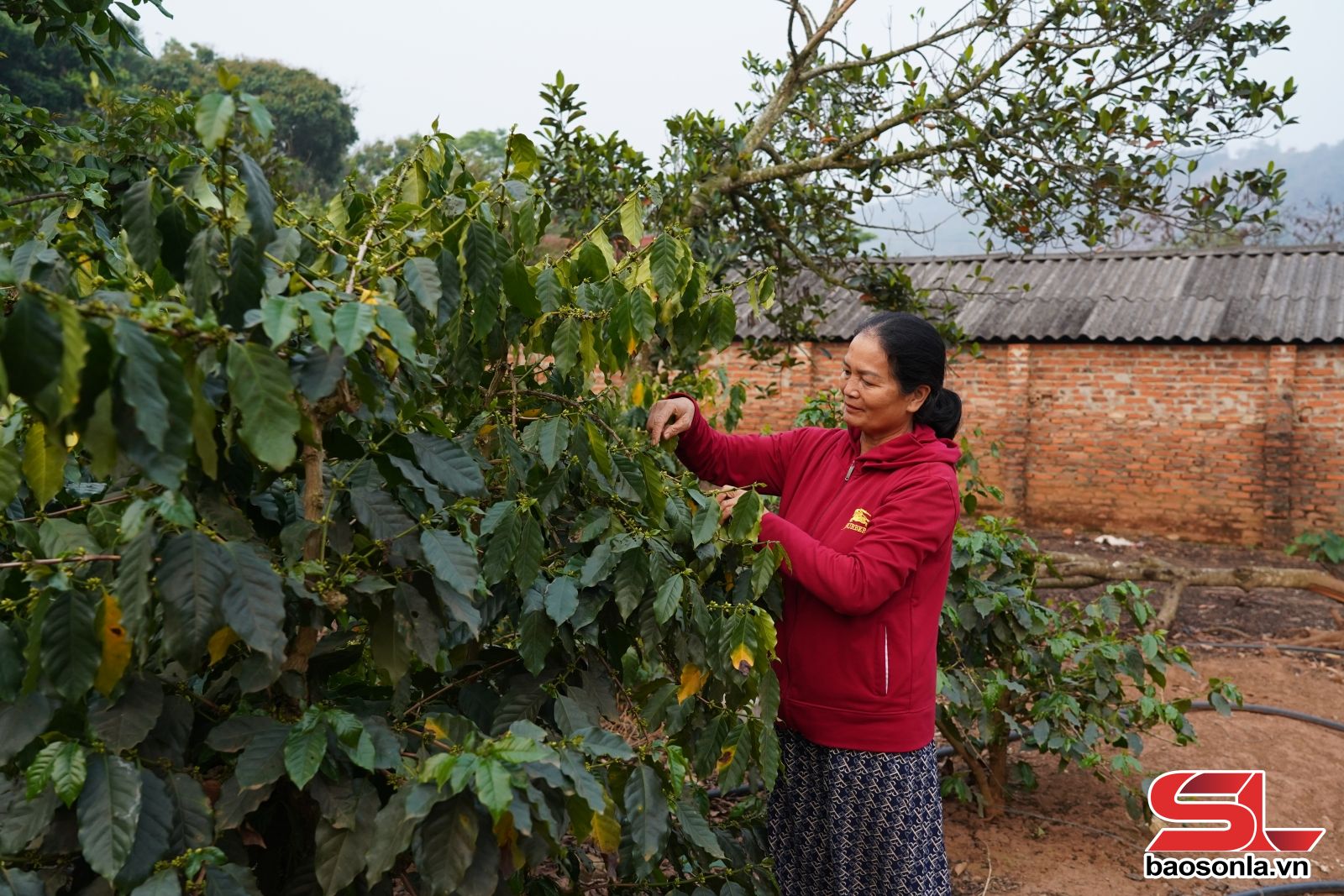
Currently, the province has approximately 33,628 hectares of coffee trees, mainly Arabica coffee; the production reaches over 250,000 tons of fresh coffee cherries per year, grown extensively in the communes of Muoi Noi, Chieng La, Binh Thuan, Chieng Mung, Chieng Mai, Chieng Ban, Chieng An ward, Chieng Coi ward, etc.
Farmers in Chiềng An ward are cultivating over 1,987 hectares of coffee, of which 1,937 hectares are already producing fruit, yielding over 15,400 tons of fresh coffee beans annually, with estimated revenue exceeding 433 billion VND. Mr. Nghiêm Văn Tuấn, Chairman of the People's Committee of Chiềng An ward, stated: After harvesting, coffee plants need sufficient nutrients to enter the period of flower bud differentiation, flowering, and fruit development. Therefore, the ward has directed local organizations and villages to focus on disseminating information and guiding farmers on proper care techniques, applying fertilizers in the correct dosages suitable for each stage of plant development, minimizing premature fruit drop; and regularly inspecting gardens to detect pests and diseases early and handle them promptly to prevent widespread outbreaks.
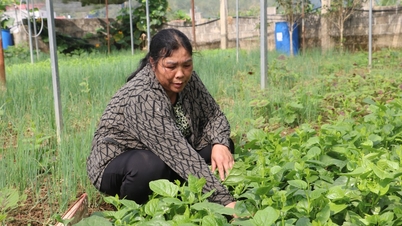
While focusing on tending her coffee plantation during the fruiting period, Ms. Dao Thi Tham from Hoang Van Thu village, Chieng Coi ward, shared: "My family has over 2 hectares of coffee trees. In the 2025-2026 crop year, we expect a yield of 25 tons of fresh coffee cherries, resulting in a net profit of 500 million VND after deducting expenses. Drawing on 30 years of experience in coffee cultivation, I always strictly follow the technical guidance of agricultural experts. Immediately after harvesting, we prune diseased and weak branches and provide sufficient water for the trees. At this time, the coffee trees have young fruit, and my family has started applying NPK fertilizer at a rate of 1 ton per hectare. In addition, we also apply well-rotted livestock and poultry manure. This year, the coffee plants are very prolific in flowering. If we apply sufficient fertilizer and the weather is favorable, the yield will certainly be much higher than the previous season."
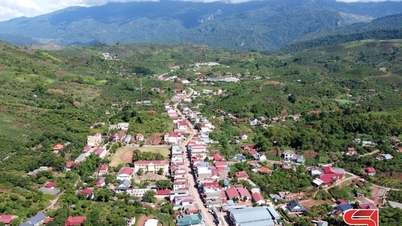
In Muoi Noi commune, with a large coffee growing area of over 2,440 hectares of Arabica coffee, this crop has helped many households escape poverty and become wealthy. Having been "rooted" in Muoi Noi for a long time, the people have accumulated experience in cultivation, combined with technical guidance from specialized agencies, ensuring that the commune's coffee plantations consistently achieve high yields.
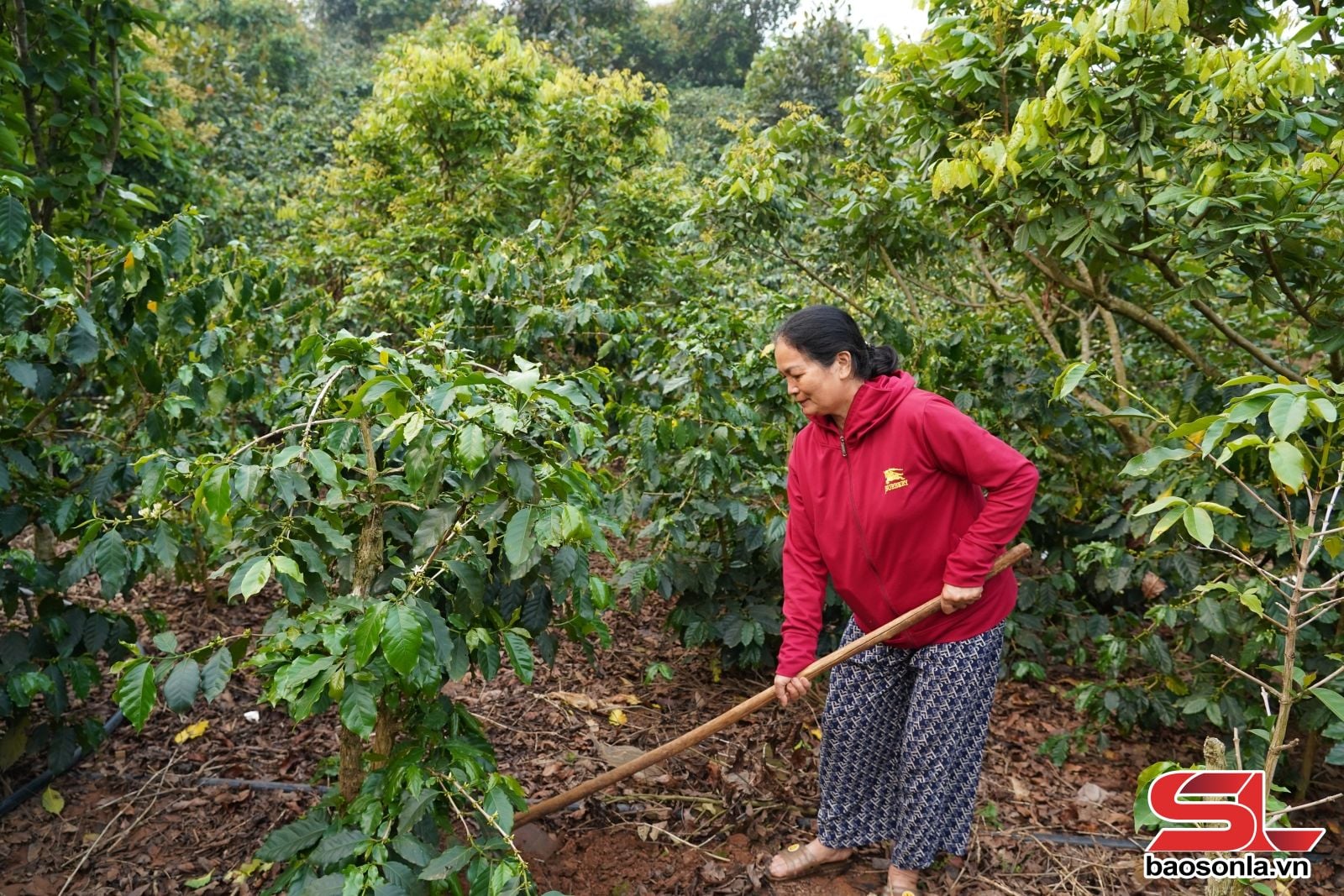
Mr. Lo Van Hung, from Cuong Trai village, Muoi Noi commune, said: "My family has 2 hectares of coffee trees. As soon as we finish harvesting, we prune the branches. This way, the coffee trees don't have to nourish branches that won't bear fruit in the next season, and they recover faster. For the coffee trees that are currently flowering, I strictly follow technical procedures such as watering, applying NPK fertilizer and organic fertilizer to ensure the trees flower uniformly and bear a lot of fruit."
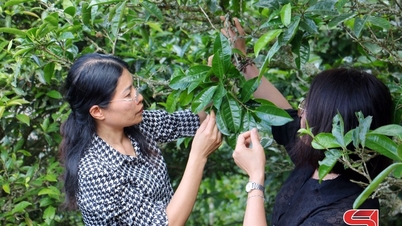
Regarding current coffee plant care, Ms. Pham Thi Lan, Head of the Provincial Department of Crop Production and Plant Protection, advises: The timing of the first watering of coffee plants is crucial. Farmers should water when the flower buds have fully differentiated at the outermost nodes and have turned opaque white. Watering at the right time, combined with sufficient nutrients, will help the plants flower simultaneously and increase fruit set. Regarding nutrition, prioritize fast-dissolving fertilizers with high nitrogen and phosphorus content and low potassium in the early stages. Simultaneously, increase the use of organic and biological fertilizers for sustainable plant growth and to reduce flower and young fruit drop. Fertilizer dosages must be balanced based on the health of the plantation and actual weather conditions. In addition, to protect production, coffee growers need to proactively monitor and control common diseases during the young fruit stage such as mealybugs, anthracnose, pink mold, and fruit borers. Implementing these measures in a coordinated manner will not only help reduce fruit drop but also ensure coffee yield and quality.
With proactive efforts from specialized agencies and the keen experience of farmers, key coffee-growing areas in Son La are entering the most crucial care phase of the year with high expectations. The synchronized implementation of solutions from irrigation and fertilization to disease control is a solid foundation for ensuring productivity and improving the quality of coffee beans, promising a bountiful new coffee harvest.
Source: https://baosonla.vn/cong-nghiep-ttcn/tap-trung-cham-care-cay-ca-phe-thoi-ky-ra-hoa-RiVTaNtDg.html





















































































Comment (0)