

1. The nature of fat

MSc. Bui Thi Kim Hue - Department of Nutrition, Hanoi Oncology Hospital.
Fat is not a homogeneous mass but a complex "mixture" containing primarily triglycerides with various fatty acids, including saturated fats.
Saturated fats are a common component of animal fats (pork fat, beef fat, or butter). At temperatures of 20-25°C, these fats are usually in a solid form; if too much accumulates in the blood vessels, they can narrow the vessels.
Many people are afraid of fat, but in reality, our liver produces most of the body's cholesterol daily to build cells and create hormones; the rest comes from food.
Therefore, the problem lies in the origin and level of processing of the fat. Fat from roasted or boiled meat is completely different from the fat in smoked sausages (through ultra-processing) which contains a lot of salt, preservatives, and additives.
2. The role of fat
Our bodies need fat. Fat is both a storage and the most concentrated source of energy for the body. One gram of fat provides 9 calories, double the amount of the same protein or carbohydrates. It helps the body maintain energy during prolonged activity.
Furthermore, fats also aid in the absorption of fat-soluble vitamins such as vitamins A, D, E, and K. If fats are completely eliminated, the body will have difficulty effectively absorbing these vitamins, even if the diet is adequate.
Fat adds a rich flavor and characteristic richness, while also helping food stay in the stomach longer, creating a longer-lasting feeling of fullness.
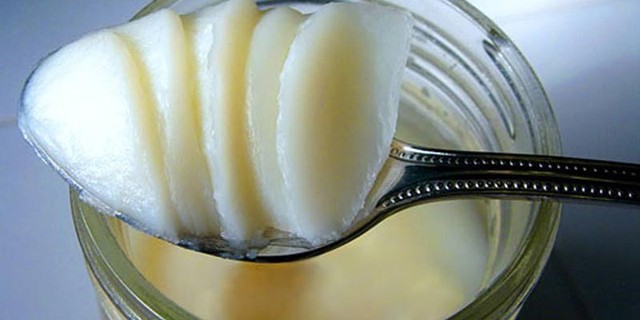
Fat isn't entirely bad, as many people think.
3. What are the consequences of having too much fat?
Anything in excess is bad, and fat is no exception. Scientific data has shown that excessive consumption of saturated fat is one of the causes of increased LDL-cholesterol (often called "bad" cholesterol). When these levels are too high, they act like plaque on the walls of blood vessels, eventually leading to atherosclerosis.
The consequence is increased blood pressure, the heart having to work harder, and an increased risk of stroke or heart attack.
4. Eating skillfully – The art of enjoying fat.
Instead of resorting to extreme measures, be a wise eater. Don't eliminate fat entirely from your diet, but consume it in moderation. You don't need to abstain from braised pork. Keep saturated fat intake at a reasonable level in your total daily energy intake.
If the meal already included stir-fried meat, add a plate of tofu or steamed fish; or if this meal had many rich and fatty dishes, the next meal should be lighter with a fresh vegetable salad and boiled or steamed fish or shrimp dishes.
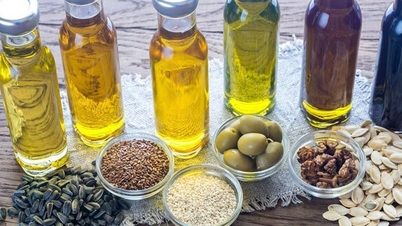
Combine the use of animal fats with vegetable oils (such as peanut oil, sesame oil, olive oil, sunflower oil, and soybean oil). Vegetable oils contain many unsaturated fats, which help reduce the adverse effects of saturated fats.
Fat combined with fiber (from green vegetables, whole grains, root vegetables, and fruits) is far less harmful than fat combined with sugar and refined starches (like cakes and cookies). Fiber acts like a "broom," helping to remove excess cholesterol from the body before it is absorbed into the bloodstream.
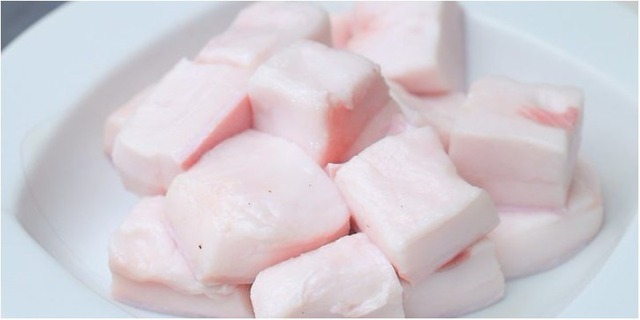
Consuming too much fat can lead to cardiovascular disease.
5. Practice the 'pruning' rule.
Before cooking, use a knife to remove any visible white fat. The amount of fat interspersed within the meat fibers is sufficient to make the dish tastier.
Prioritize healthy cooking methods. Instead of deep-frying for a long time, steam the food before frying or use an air fryer. You'll still get that rich, savory flavor without making the dish excessively greasy.
You also need to listen to your body. If you have a history of high cholesterol or cardiovascular disease, you need to adhere more strictly to limiting animal fats and prioritize vegetable oils or other healthy sources of fat (such as peanuts, sesame seeds, fish oil, fatty fish, etc.).
Think of fat as an expensive spice; use a little to enhance a dish, but don't let it become the main ingredient.

You don't need to completely eliminate fat from your diet; you should eat wisely.
See more trending articles:
Source: https://suckhoedoisong.vn/thang-tram-chat-beo-mo-co-thuc-su-xau-va-cach-su-dung-thong-minh-169260517233536422.htm



![[Image] Close-up view of the interchange connecting the two expressways and Long Thanh Airport.](https://vphoto.vietnam.vn/thumb/1200x675/vietnam/resource/IMAGE/2026/05/25/1779703378210_ndo_br_z7863716673926-224453a31600126cce10622af6290afd-4549-jpg.webp)

![[Image] Hanoi's urban life under the challenge of a "scorching hot" environment](https://vphoto.vietnam.vn/thumb/1200x675/vietnam/resource/IMAGE/2026/05/25/1779706979265_nang-nong-t5-2026-minh-duy-7-4636-jpg.webp)














































































Comment (0)