


On the occasion of the Lunar New Year 2026 (Year of the Horse), the Agriculture and Environment Newspaper had an interview with Mr. Le Van Tien, Director of the Department of Agriculture and Environment of Thanh Hoa province, about the achievements from the implementation of Government Decree No. 136/2025/ND-CP, which stipulates the decentralization and delegation of authority in the fields of agriculture and environment.
Changes in public administration thinking
How do you assess the role and significance of Decree 136/2025/ND-CP, which regulates decentralization and delegation of authority in the fields of agriculture and environment, effective from July 1, 2025, especially since the Ministry of Agriculture and Environment is the leading unit and the first to implement it?
Government Decree No. 136/2025/ND-CP is a significant milestone in the process of administrative reform, streamlining the apparatus, and improving the effectiveness and efficiency of state management in the fields of agriculture and environment. The clear decentralization and delegation of authority to provincial governments not only shortens processing times and reduces administrative procedures, but also helps localities be more proactive in decision-making, stay close to reality, and promptly resolve difficulties at the grassroots level.
The fact that the Ministry of Agriculture and Environment was the first ministry to proactively advise the Government to issue a separate decree decentralizing its management sector demonstrates a very innovative and decisive approach to reform, avoiding delays and vague statements, and instead focusing on clarity and specificity. As a result, localities, including Thanh Hoa, have a complete and unified legal basis to quickly and effectively implement Decree No. 136 from the very first day it came into effect.
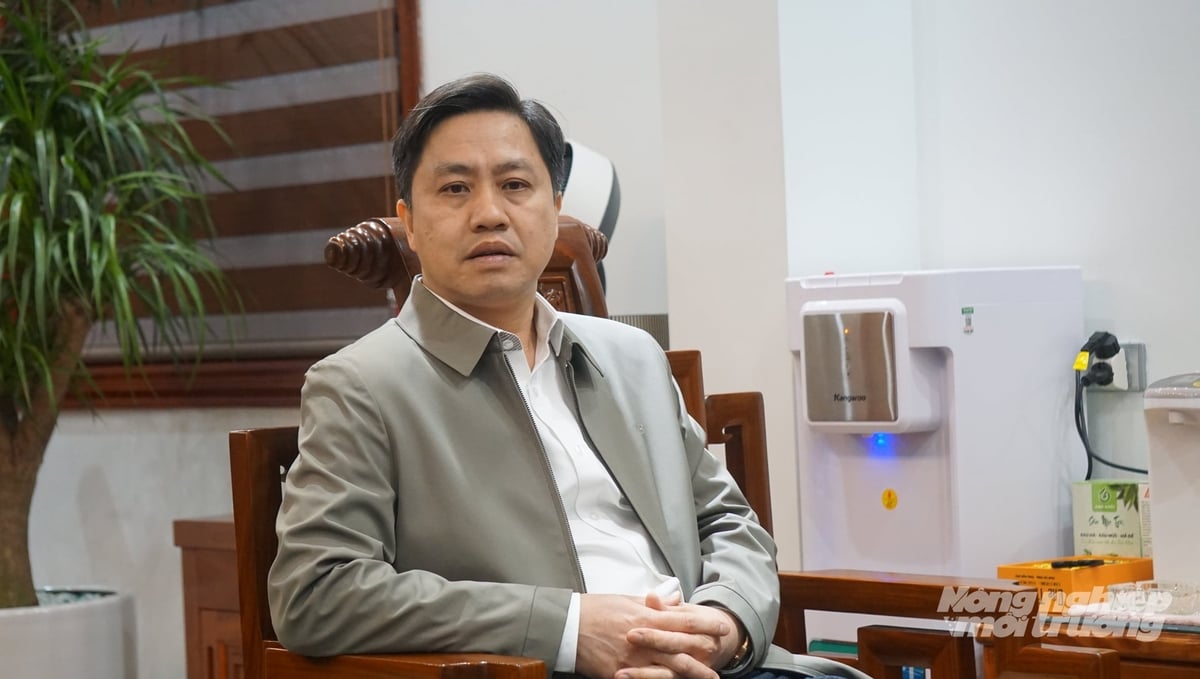
Mr. Le Van Tien, Director of the Department of Agriculture and Environment of Thanh Hoa Province. Photo: Quoc Toan.
Thanh Hoa province, with its large geographical area and strong agricultural production, demands high environmental management standards. The early and serious implementation of Decree No. 136 has helped the Department of Agriculture and Environment clearly define responsibilities, enhance proactiveness, and specify the responsibilities of its leaders. As a result, inter-agency and inter-level coordination has become more flexible and effective.
I believe that this Decree is not just a legal document, but a shift in thinking in public administration, focusing on effective service to citizens and businesses, empowering them while simultaneously ensuring oversight and accountability. This is the foundation for building a modern, transparent, and efficient administration in the fields of agriculture and environment.

An aerial view of Thanh Hoa city. Photo: Quoc Toan.
After the Decree came into effect, what outstanding aspects of decentralization has the Thanh Hoa Department of Agriculture and Environment effectively implemented? Could you give a specific example?
Following the effective date of Decree No. 136/2025/ND-CP, Thanh Hoa province has seriously implemented the decentralized contents in the fields of agriculture and environment, especially the group of procedures related to appraisal, approval, and licensing.
Accordingly, procedures such as: licensing activities within the protected area of irrigation works, licensing in the field of water resources, licensing the exploitation of minerals for common materials, appraising environmental impact assessment (EIA) reports… which previously had to be submitted to the Ministry of Agriculture and Environment, are now proactively appraised and advised by the Department. As a result, processing time has been significantly shortened, and the responsibility of local authorities for supervision and management has also been enhanced. For example:
For the environmental sector: Group A projects (50-100 hectares, requiring conversion of at least 5 hectares of land used for two rice crops) previously under the Ministry are now delegated to the Chairman of the Provincial People's Committee for approval, reducing processing time from a maximum of 45 days to 30 days.
Regarding the mineral sector: The licensing of mineral exploitation for cement production is assigned to the Provincial People's Committee; the Department proactively assesses and advises instead of submitting to the Ministry.
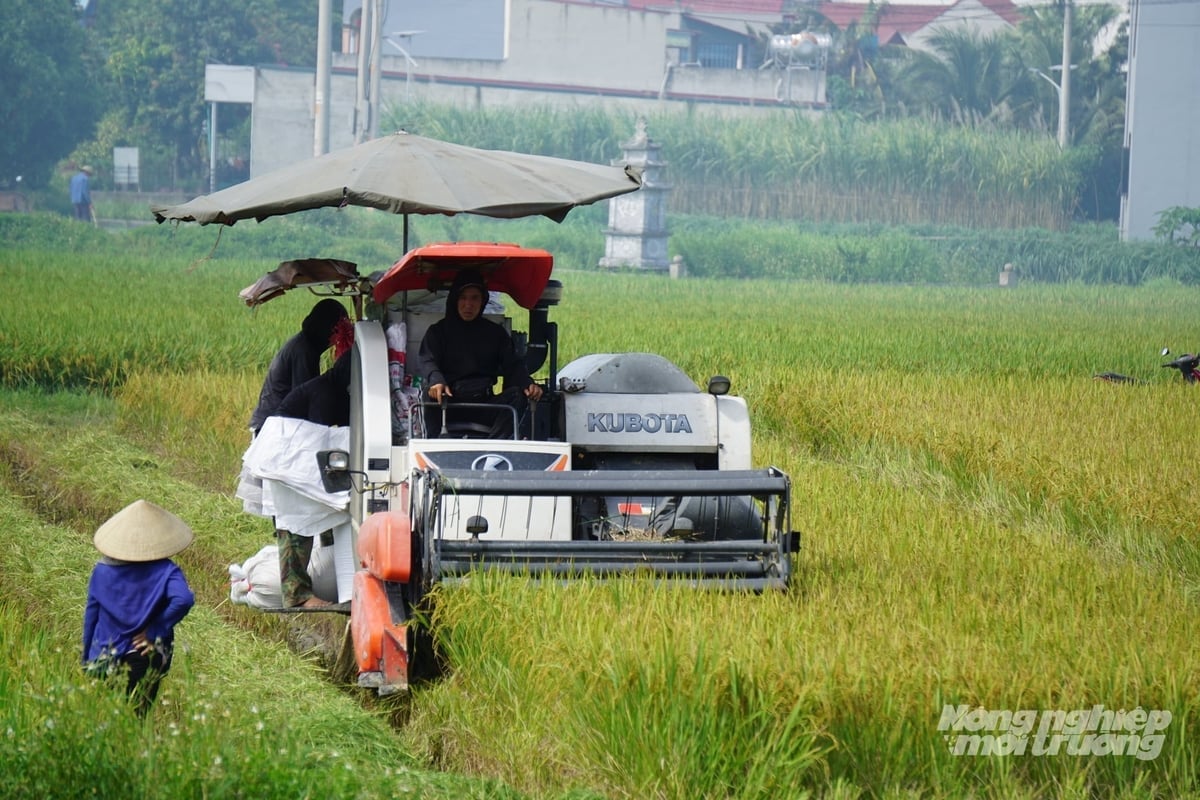
The Agriculture and Environment sector in Thanh Hoa province has achieved many accomplishments in recent times. Photo: Quoc Toan.
Regarding licensing for activities within the protected area of irrigation works: The Cua Dat reservoir is managed by the Ministry, but now construction, drilling, mining, blasting activities, etc., within the protected area have been decentralized to the Chairman of the Provincial People's Committee for licensing, facilitating organizations and individuals.
Minerals and the environment are complex and sensitive areas, frequently giving rise to petitions and complaints from citizens and businesses. Previously, many issues fell under the jurisdiction of ministries and agencies, resulting in lengthy and impractical handling processes. The decentralization under Decree No. 136/2025 empowers localities to directly review and make decisions. This allows for more timely and flexible resolution of problems.
With clear hierarchy, responsibility must be even greater.
After decentralization, many powers were transferred to the provincial level, meaning the workload and responsibilities increased. So, how is the Department currently organizing and operating its apparatus to ensure smooth operation, avoid overload, prevent neglect of responsibilities, and combat corruption, especially in the fields of minerals and environment, sir?
The Department promptly submitted to the Provincial People's Committee a plan to streamline the Department's organizational structure and that of its affiliated units, ensuring efficient and effective operation. The Department reviewed the tasks assigned to each department and affiliated unit; clearly defined responsibilities (down to the specialist level), avoiding overlapping or overlooked tasks. Staff were assigned to specific positions; and training and professional development were provided to enhance the skills and capabilities of the staff.
The Department organized four online conferences connecting the central and local levels to implement the assigned content.
In 2025, agricultural production continued to be stable with food production reaching 1.5 million tons; the area of land consolidation for large-scale production and high-tech applications reached 4,474 hectares, exceeding the plan. Livestock farming developed in a concentrated, bio-secure direction with 1,092 farms, producing 332.3 thousand tons of meat, an increase of 4.8%; 12.5 thousand hectares of new forest were planted, with a forest cover rate of 54%; total aquatic product output reached 222.3 thousand tons, exceeding the plan by 2.9%.
Granting authority, delegating responsibilities, and resolving difficulties and obstacles. Submitting to the Chairman of the Provincial People's Committee for promulgation 15 decisions announcing the list of administrative procedures. Simultaneously, publicly disclosing information about the permanent support unit and hotline to assist and guide the delegated tasks.
In addition, we are promoting the application of information technology and digital transformation to process work faster and more transparently. Coordination between specialized departments, and between the Department and local authorities and related units, is also being strengthened to ensure smooth, efficient work without bottlenecks.
We always prioritize openness, transparency, and facilitating access to information and the exercise of rights and obligations for organizations and individuals. Processes and procedures are strictly controlled and implemented in accordance with the law. Each task is handled according to a process from specialists and department heads to the Department's leadership, with coordination between relevant units and clearly defined responsibilities. This ensures compliance with the law, objectivity, and minimizes the risk of abuse of power and vested interests.
In the long term, it is necessary to continue improving the tools for controlling power, while simultaneously enhancing the professional capacity and public service ethics of the implementing officials. This is a key factor in ensuring that decentralization is truly effective and does not become a risk.
In practice, it is inevitable that officials will be "afraid of responsibility, afraid of making mistakes" in performing their duties, which will affect the effective implementation of decentralization. As the head of the local Department of Agriculture and Environment, what solutions do you have to change the mindset, work style, and responsibility of officials, and what proposals and recommendations do you have to improve the implementation of decentralization and delegation of power in the future?
In reality, there is still a segment of lower-level officials who are "afraid of responsibility, afraid of making mistakes" when performing their duties, especially in sensitive areas such as the environment and minerals. This can lead to delays in handling work and reduce the effectiveness of the decentralization policy. To overcome this situation, we are focusing on implementing a number of solutions simultaneously, such as:
Firstly, it is necessary to strengthen training, professional development, and dissemination of legal regulations for officials and civil servants; helping them to thoroughly understand procedures and be more confident when handling assigned tasks and files.
Secondly, establish clear and transparent work processes, with each task specifically assigned to a responsible person and subject to consultation through multiple stages, from specialists and department heads to department leaders, to ensure compliance with the law, objectivity, and collective consensus.
Third, create a work environment that encourages a proactive spirit, daring to think, daring to act, and daring to take responsibility within the framework of the law.
To effectively implement decentralization, the first step is to change the mindset, work style, and responsibility of the implementing officials (to focus on serving the people and businesses). This is a prerequisite for the resolution to become substantive and not remain merely a document.
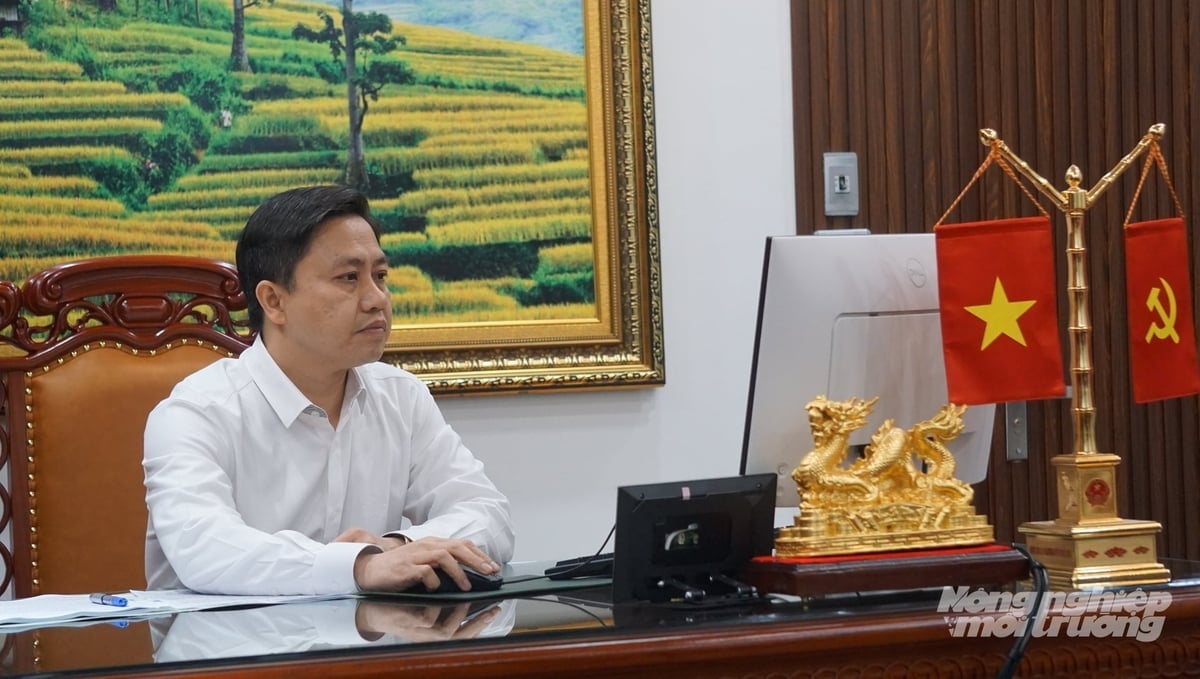
According to Mr. Le Van Tien, in order to effectively implement decentralization, it is first necessary to change the mindset, working style, and responsibility of the implementing officials. Photo: Quoc Toan.
However, the reality is that some officials still harbor reservations and fears of responsibility; the staff and civil servants lack experience in handling complex legal documents and procedures that are prone to risks. This somewhat affects the effectiveness and progress of decentralization and delegation of authority. Some legal regulations remain overlapping and inconsistent, while the issuance of specific guiding documents after decentralization has not been timely, sometimes causing confusion at the local level when applying them.
Based on this experience, we recommend that the competent authorities promptly finalize the system of legal documents and accompanying technical guidelines, especially regulations of a highly specialized nature, so that localities have a clear legal basis for implementation.
Strengthen the organization of in-depth training and professional development for provincial-level officials, especially in areas where they have been assigned authority, to ensure their capacity to perform their duties.
There should be a mechanism for technical support and expert connections from central ministries and agencies, especially in the initial stages of taking over authority, so that localities can consult and seek timely advice when encountering difficulties.
Thank you for this conversation!
In 2025, the entire province received and processed over 316,000 land-related applications, an increase of approximately 70% compared to 2024; the rate of overdue applications was only 0.44%. Land clearance work was focused on, with 1,505 hectares cleared, creating land reserves for socio-economic development projects. Environmental protection continued to be strengthened; the rate of household solid waste collection and treatment reached 93.7%; many key waste treatment projects were completed and put into operation.
After reorganizing communes and implementing a two-tiered local government system, the entire province has 102 communes and 893 villages/hamlets meeting the standards of New Rural Development, 1 commune meeting the standards of advanced New Rural Development, 556 villages/hamlets meeting the standards of model New Rural Development, and 702 OCOP products recognized.
Source: https://nongnghiepmoitruong.vn/thanh-hoa-di-nhanh-lam-that-d795248.html
![[Photo] National Assembly Chairman Tran Thanh Man visits and works with the National Assembly Committees and the State Audit Office.](https://vphoto.vietnam.vn/thumb/1200x675/vietnam/resource/IMAGE/2026/02/23/1771848141941_ndo_br_bnd-6798-jpg.webp)














































































Comment (0)