

 |
Vietnamese tourists visiting Thailand in April. |
According to the Consular Department of the Thai Ministry of Foreign Affairs , the policy of abolishing the 60-day visa exemption is part of a comprehensive plan to restructure the visa system. This aims to reduce confusion, tighten immigration controls, and adjust the length of stay to better reflect actual tourism behavior.
Mr. Bhummikitti Ruktaengam, Chairman of the Sustainable Tourism Development Fund, said that this decision was made after a long period of consultation between the Government and tourism businesses. According to him, most businesses in the industry believe that 30 days is sufficient for ordinary tourists, while investors and business travelers can apply for other, more suitable visa types.
"The overall impact on Thailand's tourism industry will be limited, although some markets may slow down," he told the Bangkok Post.
"30 days is more than enough."
According to Mr. Bhummikitti, the number of tourists from the Middle East to Phuket has decreased sharply recently, while the number of Australian tourists remains stable thanks to their tendency to book trips in advance. The number of Indian tourists has also decreased slightly but remains high. Kazakhstan, a country previously granted visa-free entry, will revert to regular visa regulations under the new policy.
Chalermpong Saengdee, a Democratic Party MP from Phuket, also supported the change. He argued that Thailand should focus on "quality tourism" rather than just the number of visitors. "30 days is enough for tourism, and I personally think 18 days would be sufficient," he said.
 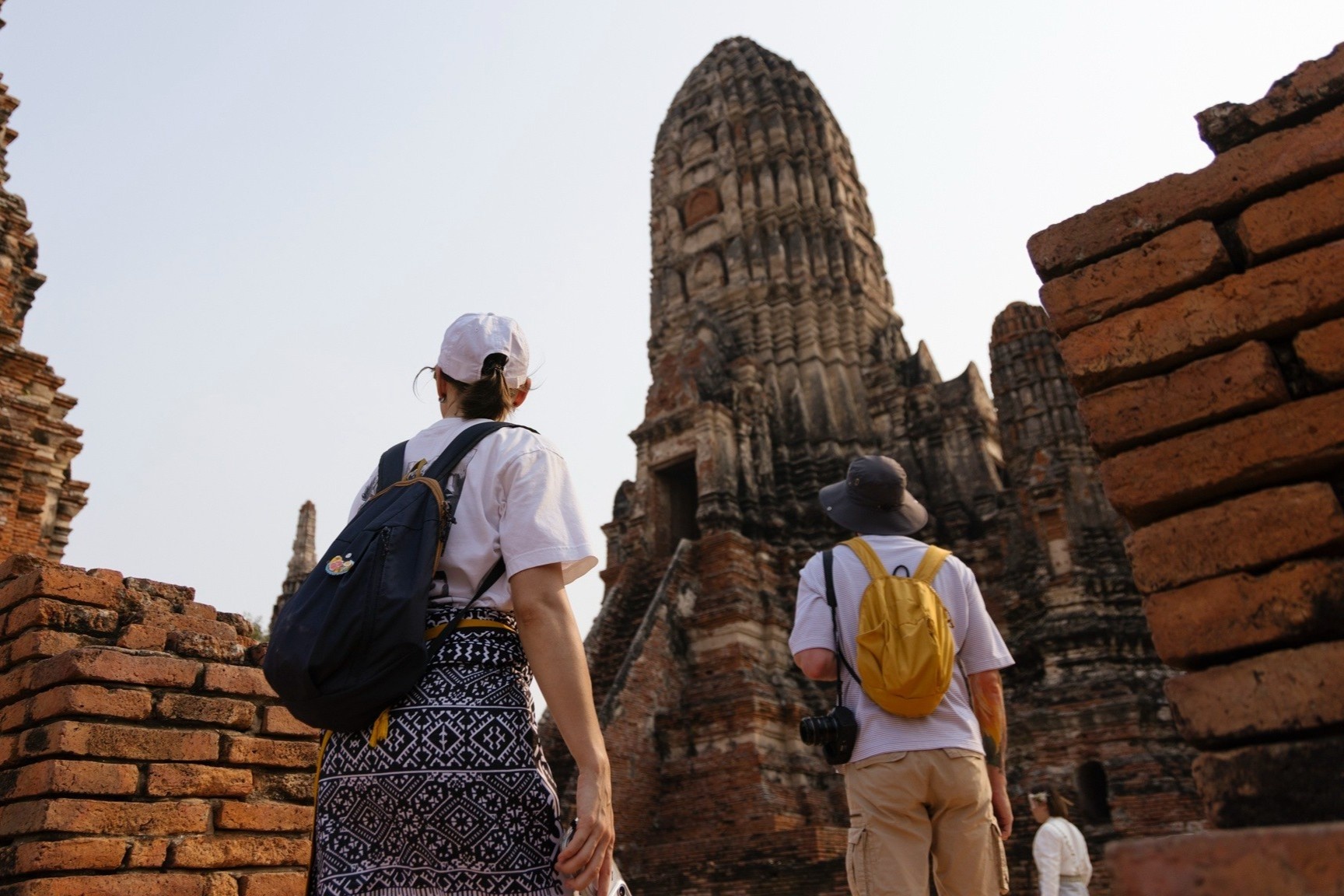 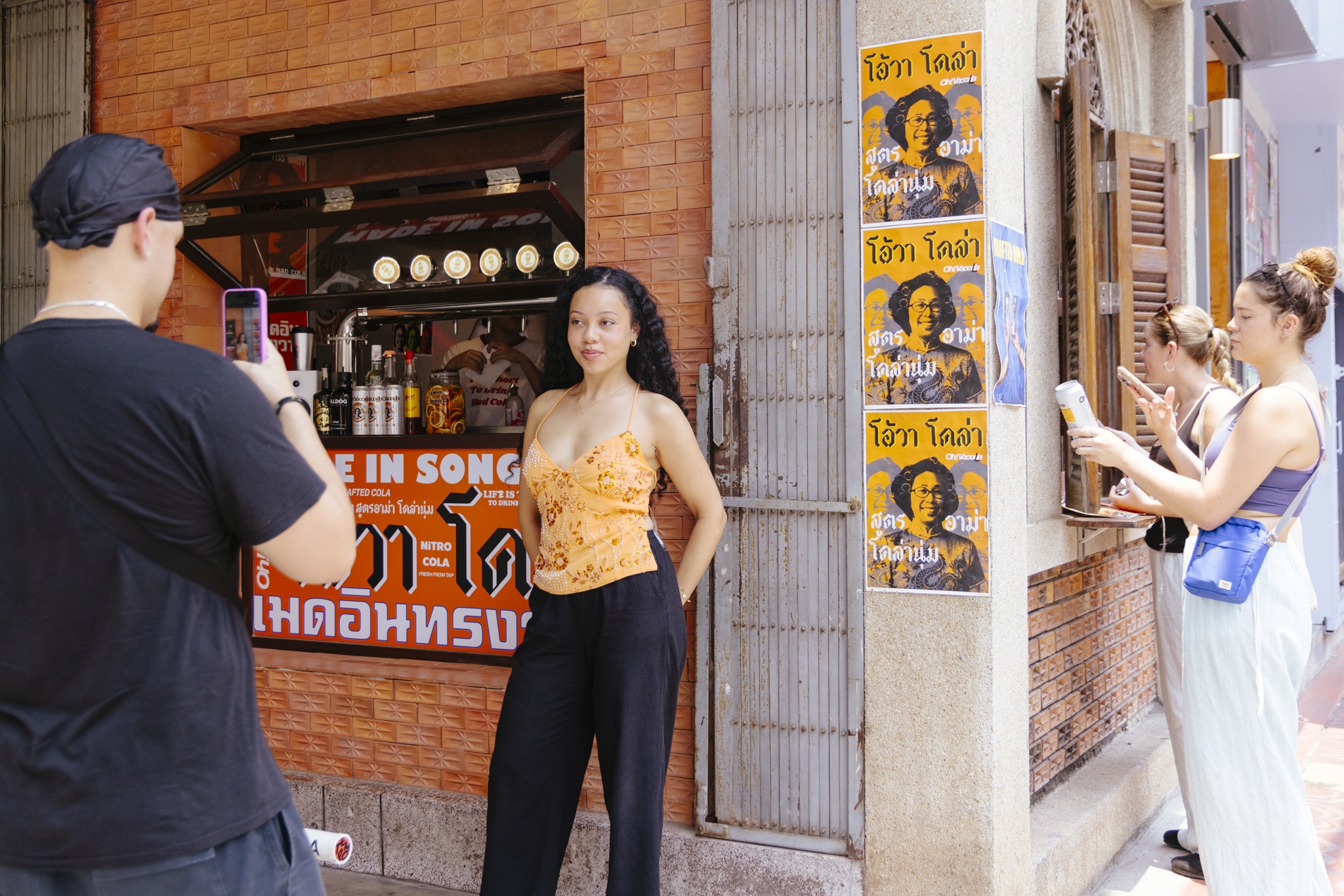 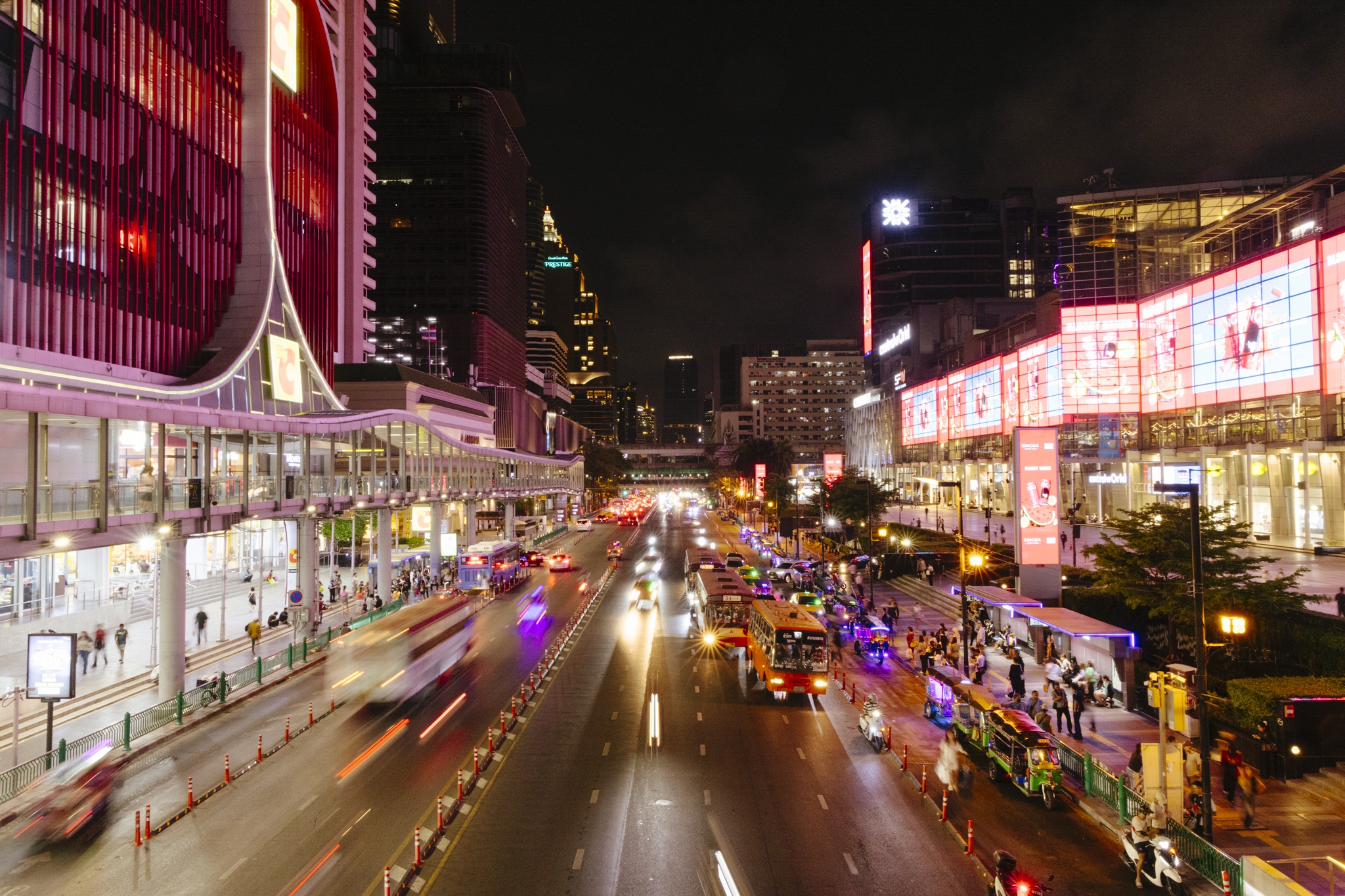 |
Vietnamese tourists explored Bangkok and the ancient capital of Ayutthaya, Thailand in April. |
The MP warned that extending the visa-free period had created loopholes for some foreigners to open "front" businesses, compete with local businesses, and engage in illegal activities.
He called on the government to strengthen measures against illegally operated foreign-owned businesses, as well as improve immigration screening capabilities, particularly in major tourist provinces like Phuket.
Tourism currently contributes more than 10% to Thailand's GDP, but international visitor numbers have not yet fully recovered to pre-Covid-19 pandemic levels. The 60-day visa waiver policy, implemented two years ago, aims to encourage tourists to stay longer and spend more.
However, recently, a series of incidents involving foreigners being arrested for drug offenses, public displays of affection, or illegal hotel and school operations have sparked public outrage.
Backpackers in Khao San Road, a popular area for budget travelers in Bangkok, face a new worry as Thailand shortens the visa-free stay period.
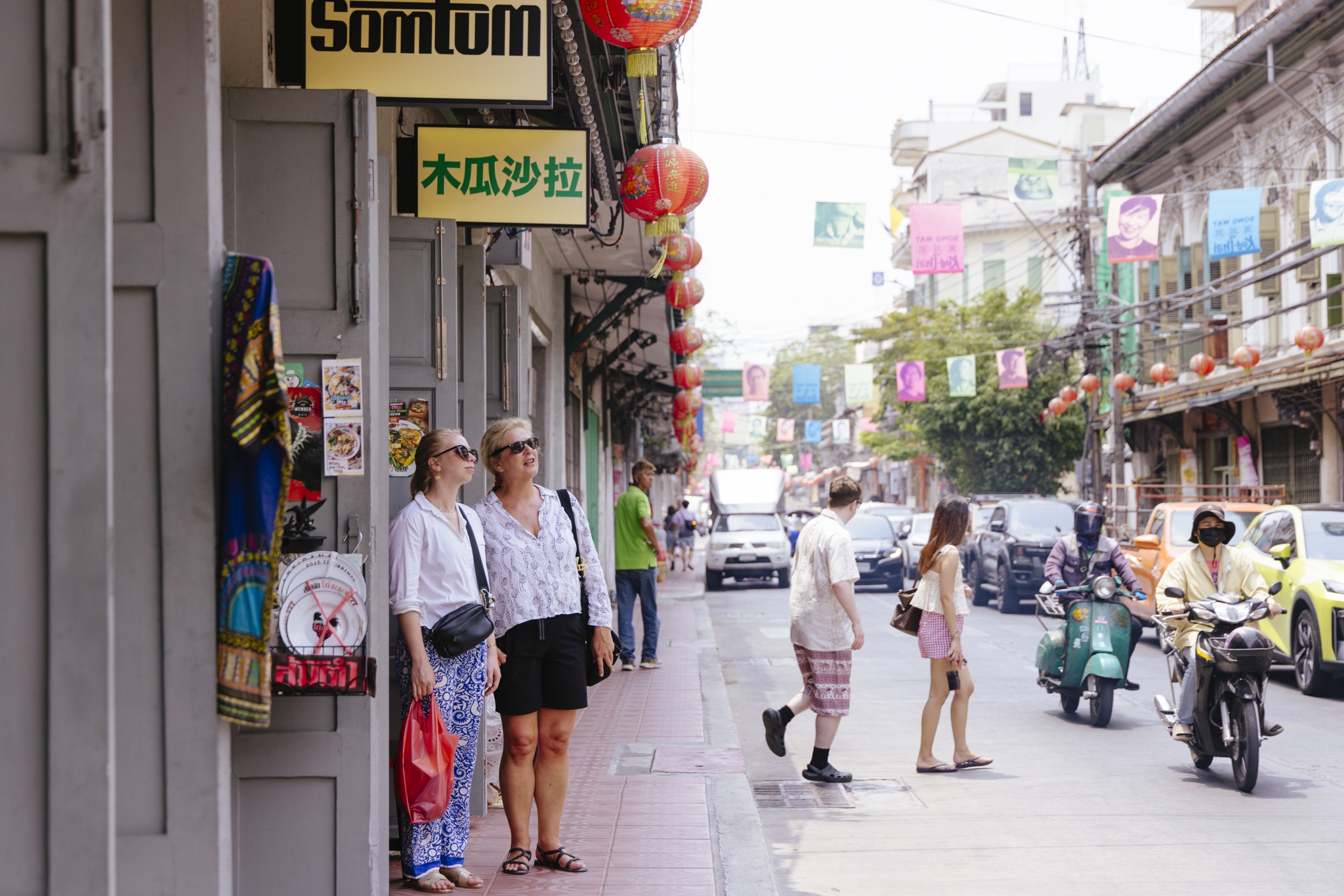 |
International tourists stroll through Song Wat, Bangkok, Thailand, in late April. |
Alex Brady, 24, an Irish national, believes the new 30-day limit will significantly impact his and his friends' plans, as they "originally came here without any specific plans."
According to Brady, the group plans to stay in Thailand for about five weeks. The current 60-day visa-free policy allows them to explore more places at their leisure. Meanwhile, the new regulations could significantly restrict their travel experience.
After Bangkok, the group plans to take a bus and ferry to Koh Tao island for about a week of scuba diving before continuing north to Chiang Mai and Chiang Rai. "If you've spent a lot of money on plane tickets to get here, you'll want to stay long enough to explore," he said.
Restrict tourists from "staying longer and spending less".
Ms. Chutima Jeeramongkol, President of the Pattaya Business and Tourism Association, also agreed with the restoration of the 30-day stay limit, viewing it as a return to normalcy after a period of temporary easing of restrictions.
According to her, shorter stays could help address issues related to fraud and illegal business activities by foreigners, while also encouraging shorter-stay visitors with higher spending power.
"Guests staying for 3-7 days usually spend more on hotels, food, and tourist activities, while those staying longer tend to be more frugal," she said, as Pattaya enters its off-season.
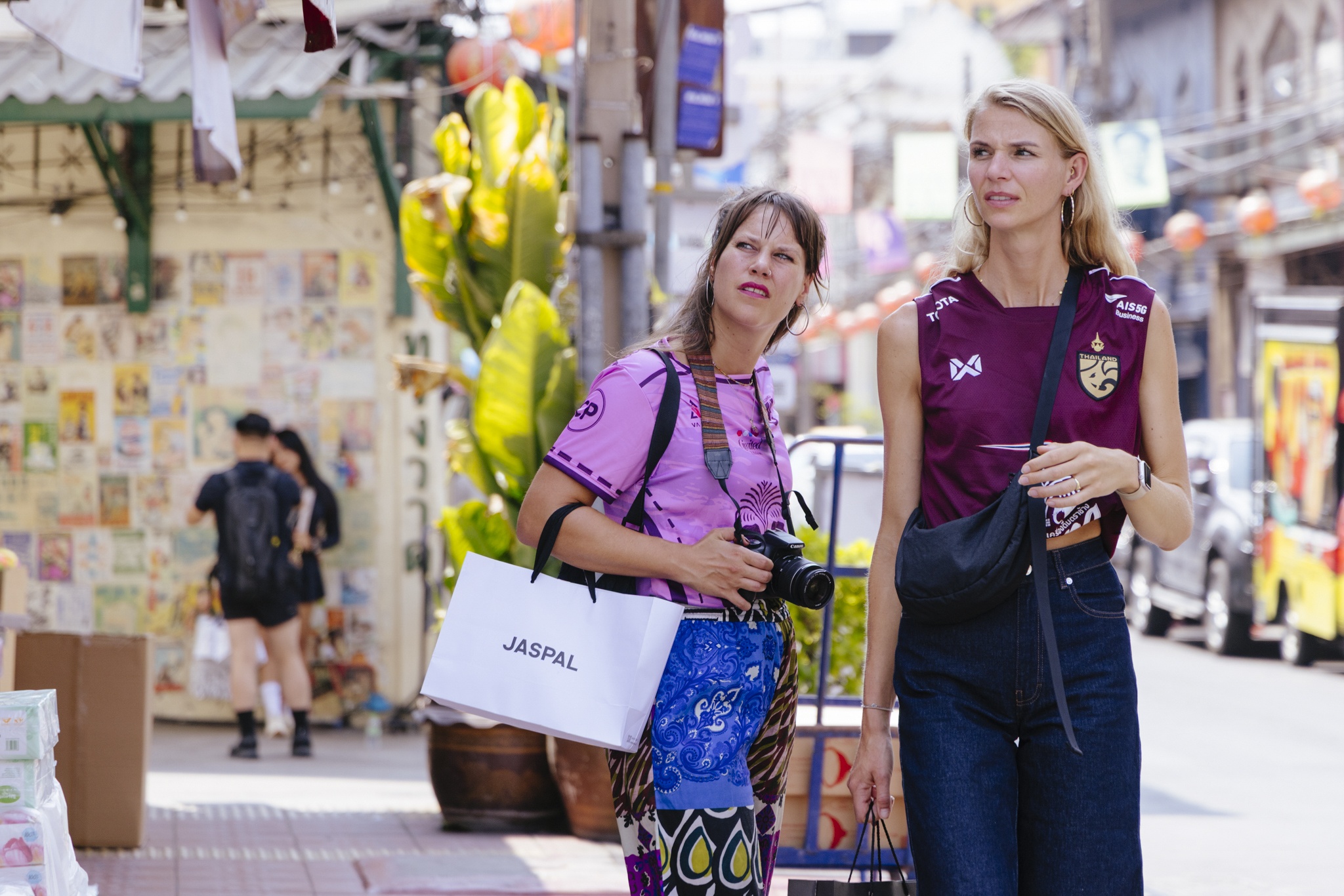 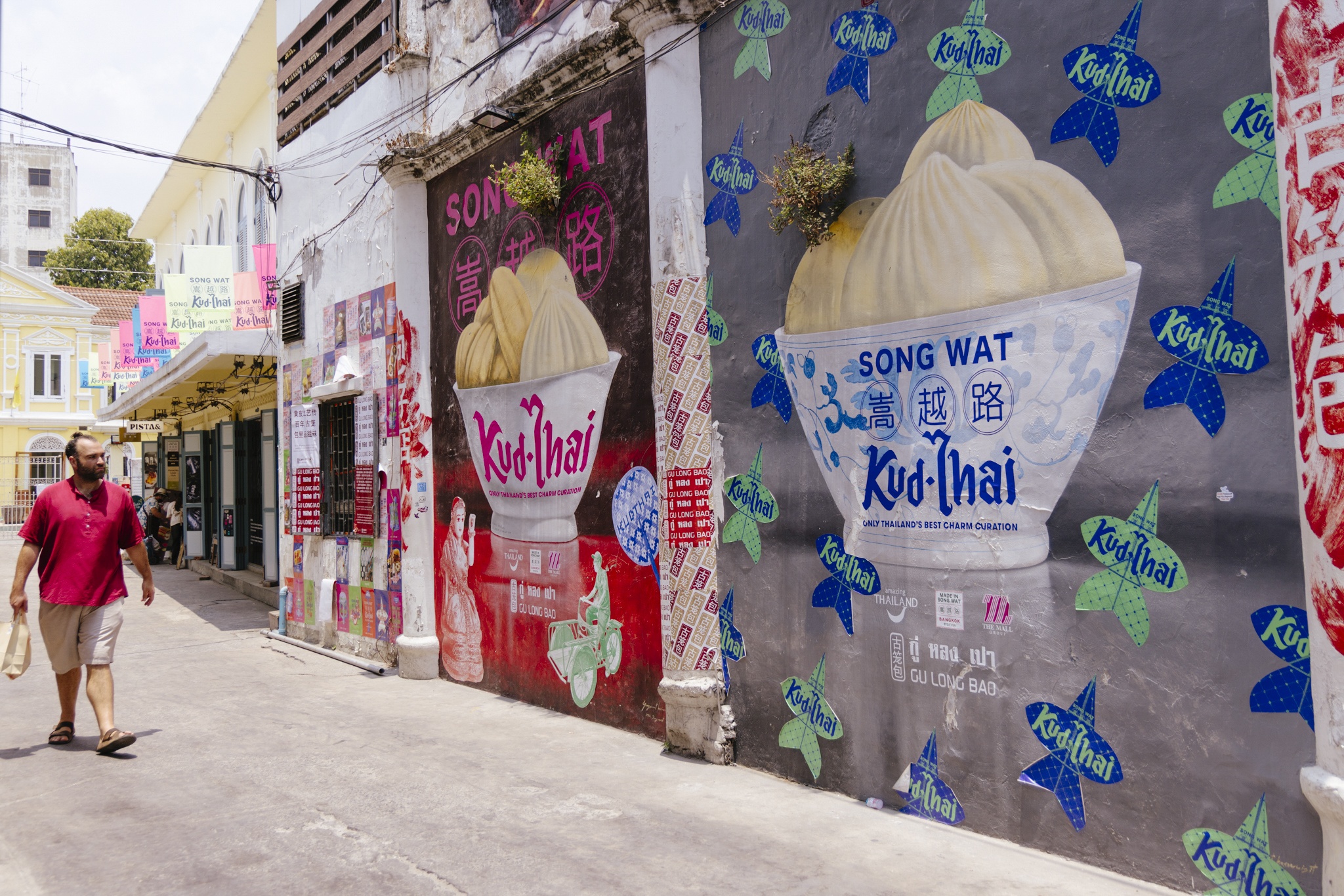 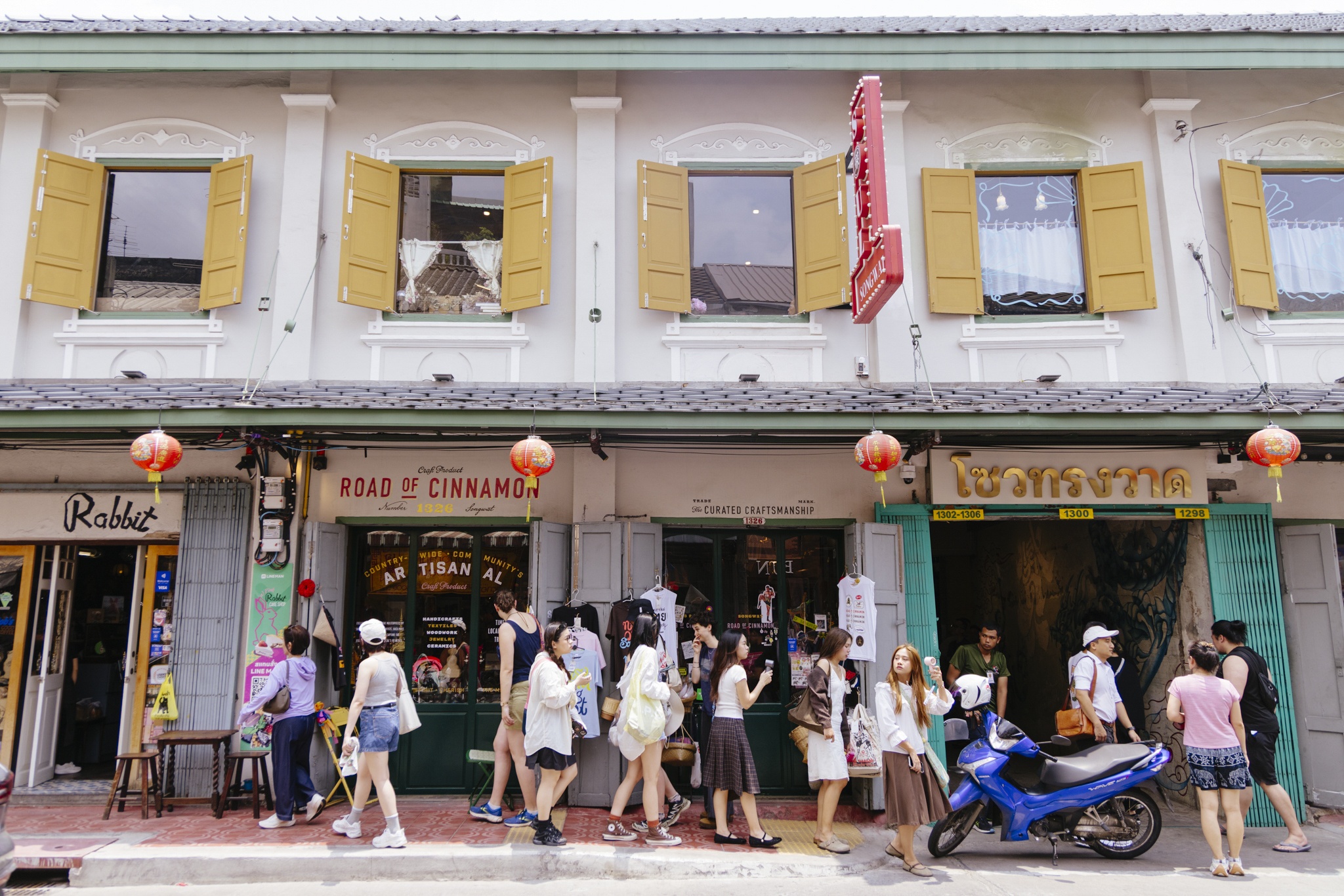 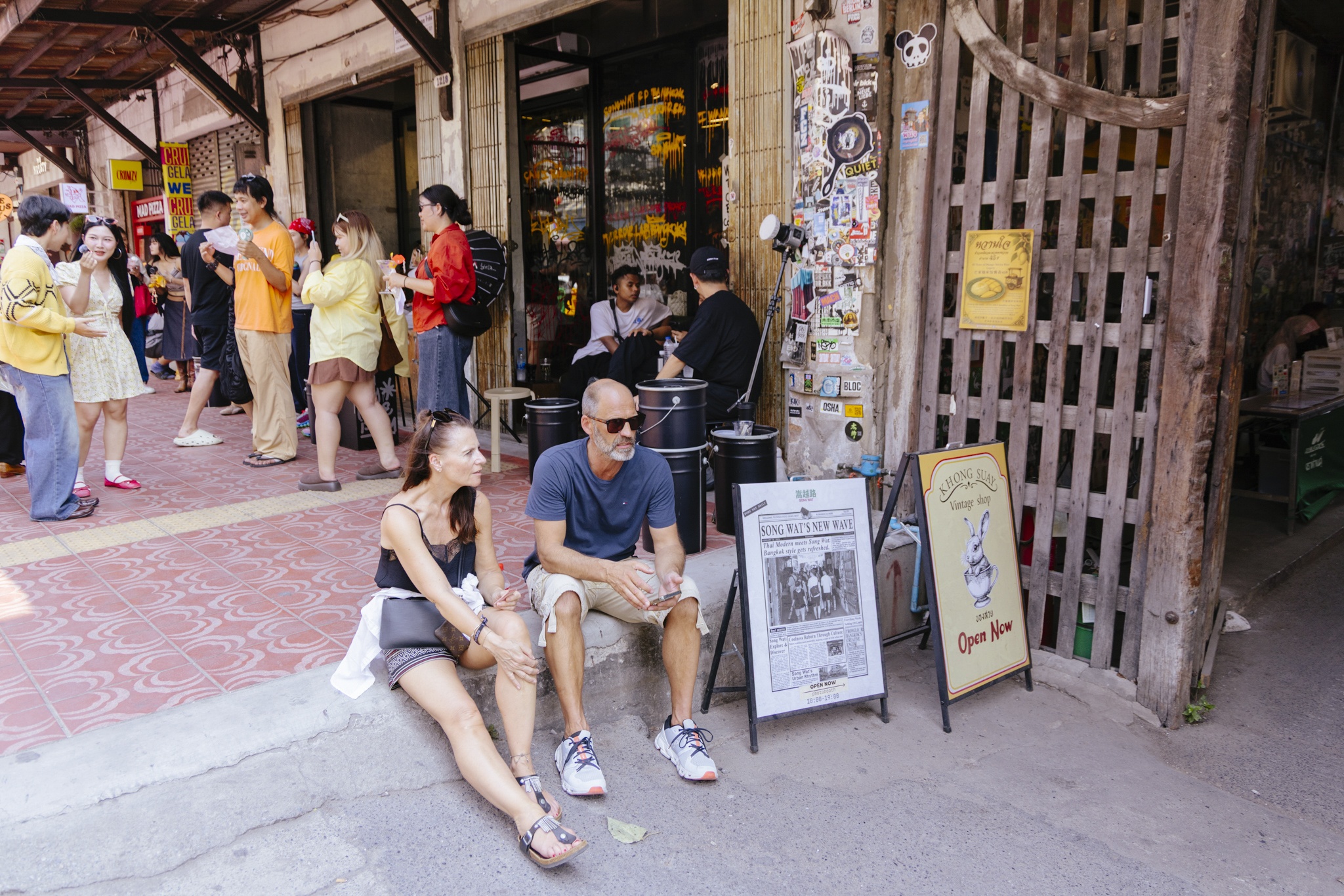 |
International tourists stroll through Song Wat, Bangkok, Thailand, in late April. |
Outside a shopping mall in Bangkok, 80-year-old German tourist Anna Heindrich waits for a minibus to take her "visa run" to Laos and then back to Thailand to extend her stay. This is how tourists leave their country of residence, usually to a neighboring country, and then return to re-enter and obtain a new visa or extend their existing one.
Heindrich had been in Thailand for three months and wanted to stay for another two weeks. "I spoke with the travel agency, and everything sounded simple on paper. It might not be very comfortable, but it was fairly easy to arrange," she said before her nearly 16-hour round trip.
Tanya Chansuwan, manager of Bangkok Buddy, a company specializing in organizing "visa runs," believes the new regulations may help businesses attract more customers, but also complicate travel plans for many people.
"Things will be more difficult for tourists and some may choose to go elsewhere," she said, noting that one of the alternatives many tourists are considering is Vietnam because of its "lower cost."
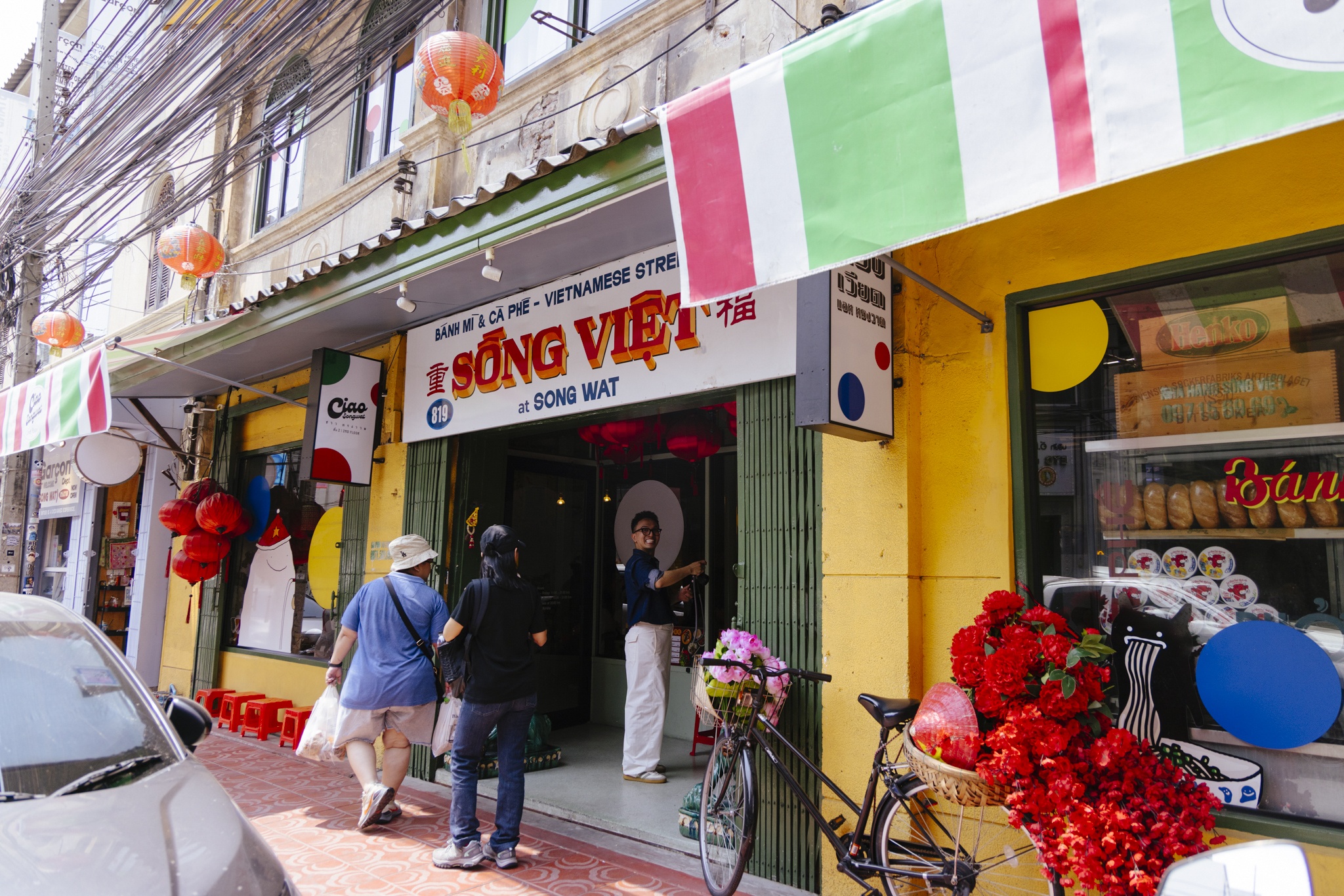 |
A Vietnamese eatery selling banh mi and coffee in the heart of Bangkok, Thailand. |
On May 19th, the Thai Cabinet approved the cancellation of the 60-day visa-free entry policy for 93 countries and territories. The new system is based on the principle of "one country, one visa-free policy," aiming to create clearer and more consistent standards for international visitors.
Minister of Tourism and Sports Surasak Phancharoenworakul emphasized that Thailand is shifting its focus from increasing the number of visitors to attracting "quality tourists." Visitors who entered Thailand under the old visa-free policy, or who were planning to arrive before the new regulations came into effect, will still be allowed to stay for the remainder of their current permitted period.
After the new policy takes effect, international visitors can enter the country under the newly adjusted visa categories, bilateral visa waiver agreements, or apply for the appropriate visa through Thailand's e-visa system.
| Visa exemption policy | Country name |
| 30 days | |
| 15 days | Seychelles, Maldives, Mauritius. |
| Visa on Arrival (VOA) | Azerbaijan, Belarus, Serbia, India. |
| Bilateral Agreement |
Source: https://znews.vn/thay-gi-khi-thai-lan-cham-dut-mien-thi-thuc-60-ngay-post1653890.html
![[Image] Hanoi's urban life under the challenge of a "scorching hot" environment](https://vphoto.vietnam.vn/thumb/1200x675/vietnam/resource/IMAGE/2026/05/25/1779706979265_nang-nong-t5-2026-minh-duy-7-4636-jpg.webp)
![[Image] Close-up view of the interchange connecting the two expressways and Long Thanh Airport.](https://vphoto.vietnam.vn/thumb/1200x675/vietnam/resource/IMAGE/2026/05/25/1779703378210_ndo_br_z7863716673926-224453a31600126cce10622af6290afd-4549-jpg.webp)













































































Comment (0)