

Concluding a turbulent 2025, Lao Cai's agriculture sector has not only withstood natural disasters, diseases, and market risks, but has also gradually transformed itself towards a proactive, flexible, and sustainable direction; continuing to affirm its role as a pillar of the economy . The entire sector has built important foundations and confidently enters the new year with high expectations.
MAINTAIN PRODUCTION SCHEDULE BETWEEN TESTS
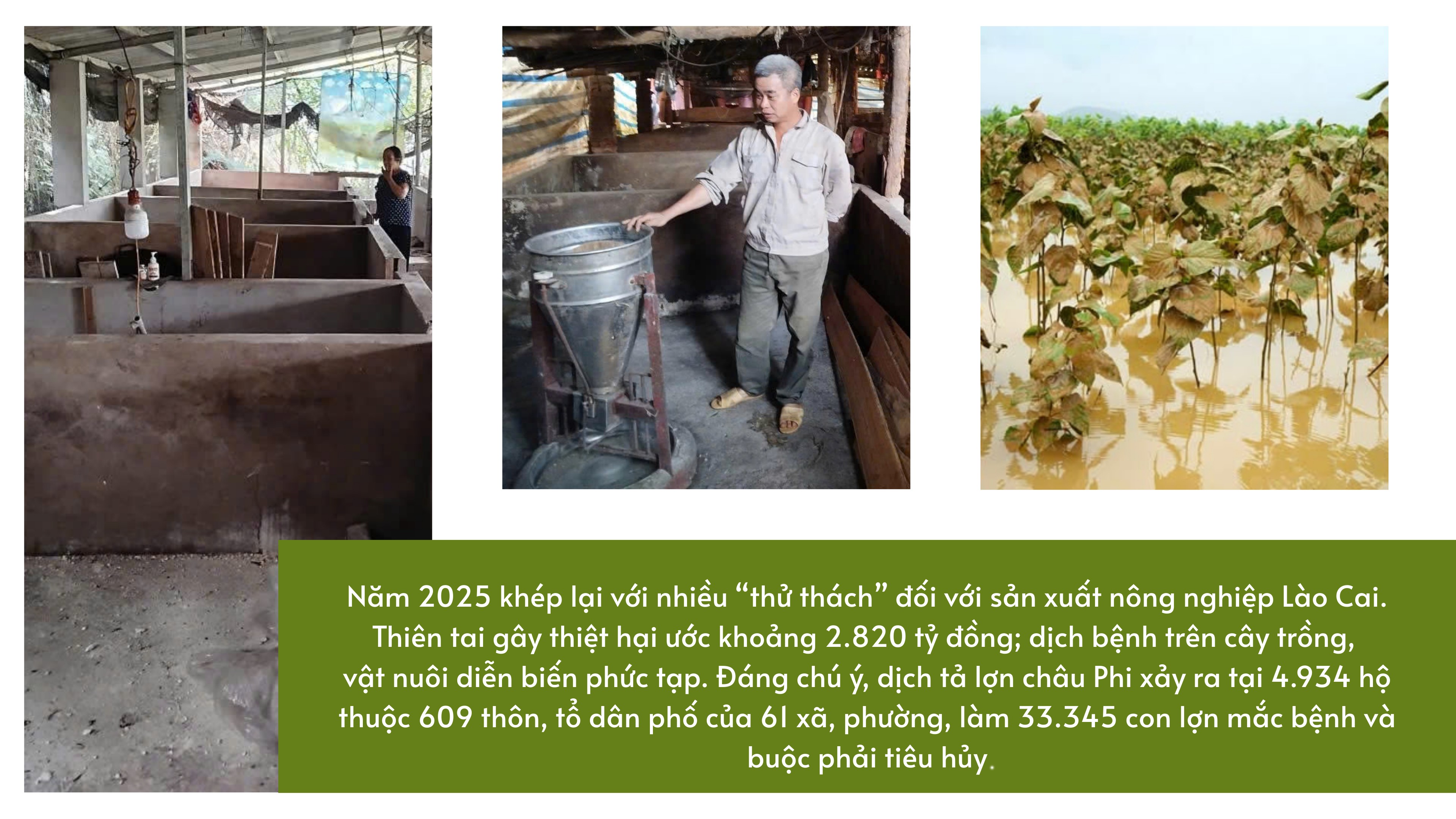
The year 2025 ended with many "challenges" for agricultural production in Lao Cai. Natural disasters caused estimated losses of approximately 2,820 billion VND; plant and animal diseases developed in a complex manner. Notably, African swine fever occurred in 4,934 households in 609 villages and residential areas of 61 communes and wards, affecting 33,345 pigs that had to be culled; foot-and-mouth disease also appeared in some areas, posing many challenges in disease prevention and control.
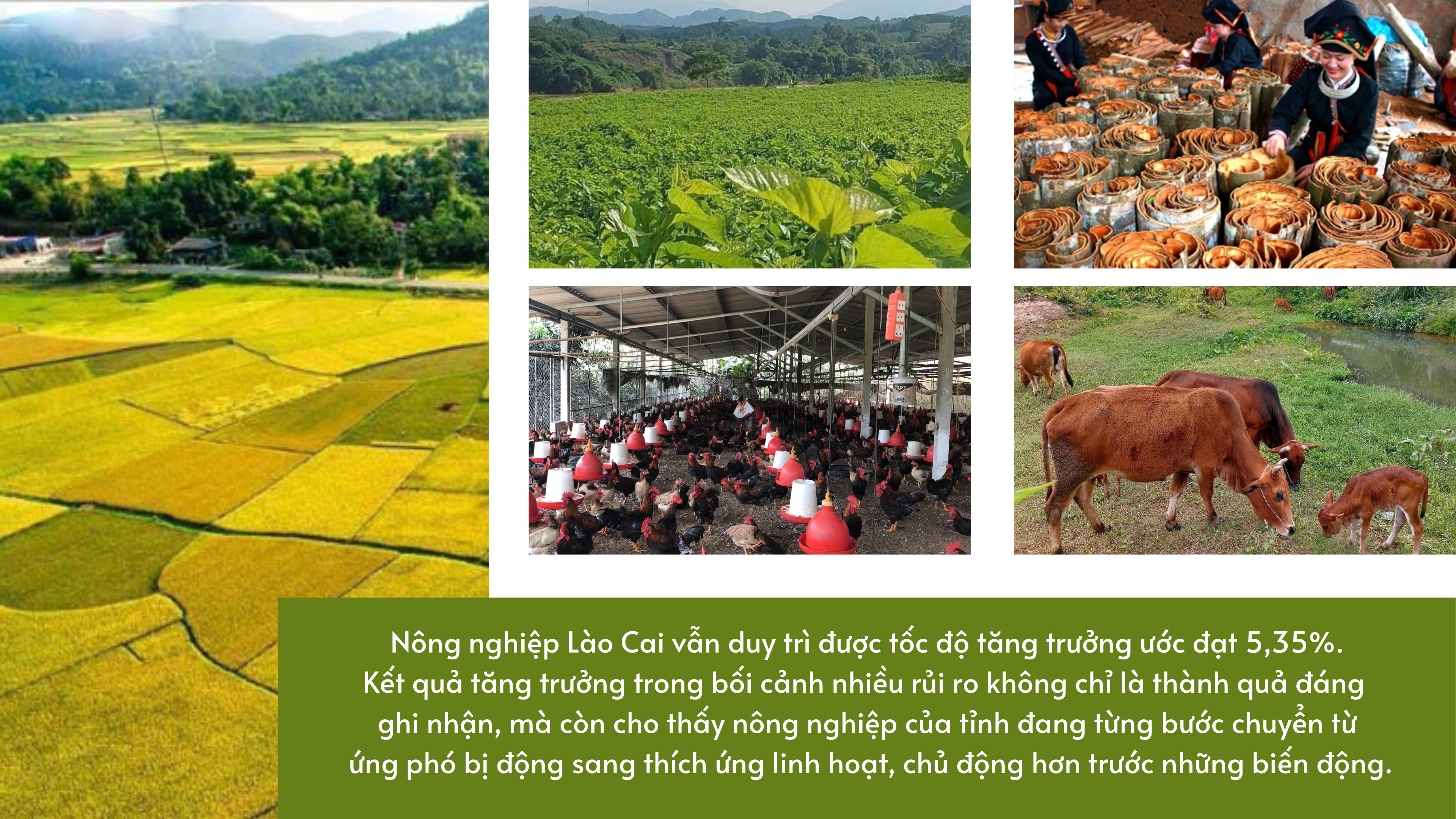
Against this backdrop, Lao Cai's agriculture sector maintained an estimated growth rate of 5.35%, approaching the target of 5.6%, and continued to contribute approximately 15.8% to the province's GRDP. Although not fully meeting the set plan, this growth rate is still among the highest, ranking second in the region and contributing about 0.92 percentage points to the province's overall growth.
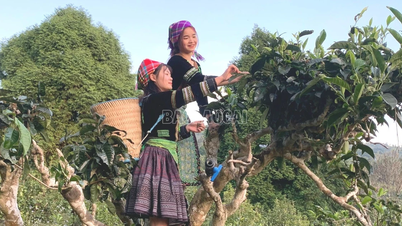
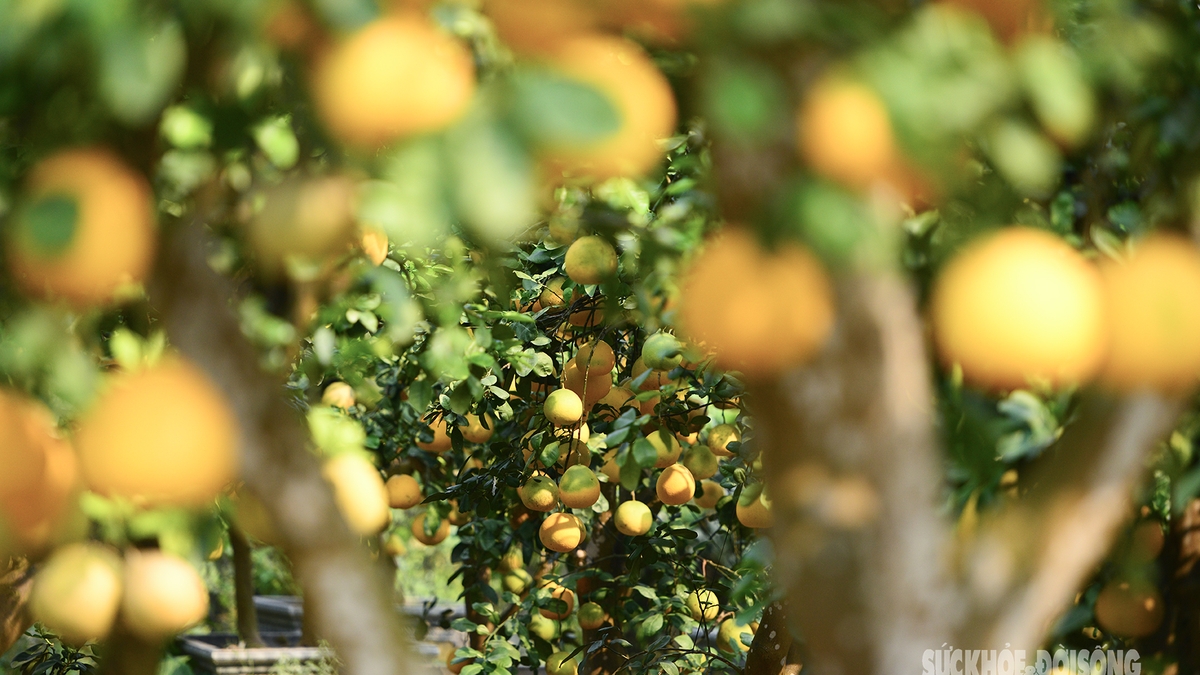
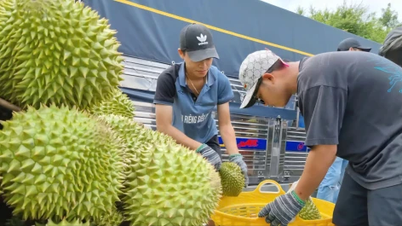
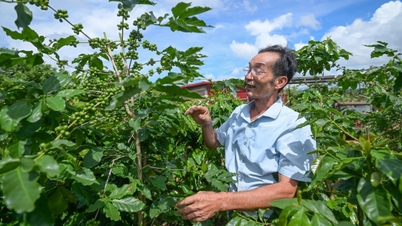
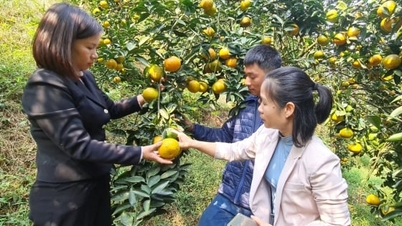
Agricultural production continues to develop, gradually forming concentrated commodity production areas, bringing high economic efficiency. The province currently has 16,127 hectares of tea plantations, 6,555 hectares of medicinal plants, 1,535 hectares of mulberry plantations, and 25,745 hectares of fruit trees.
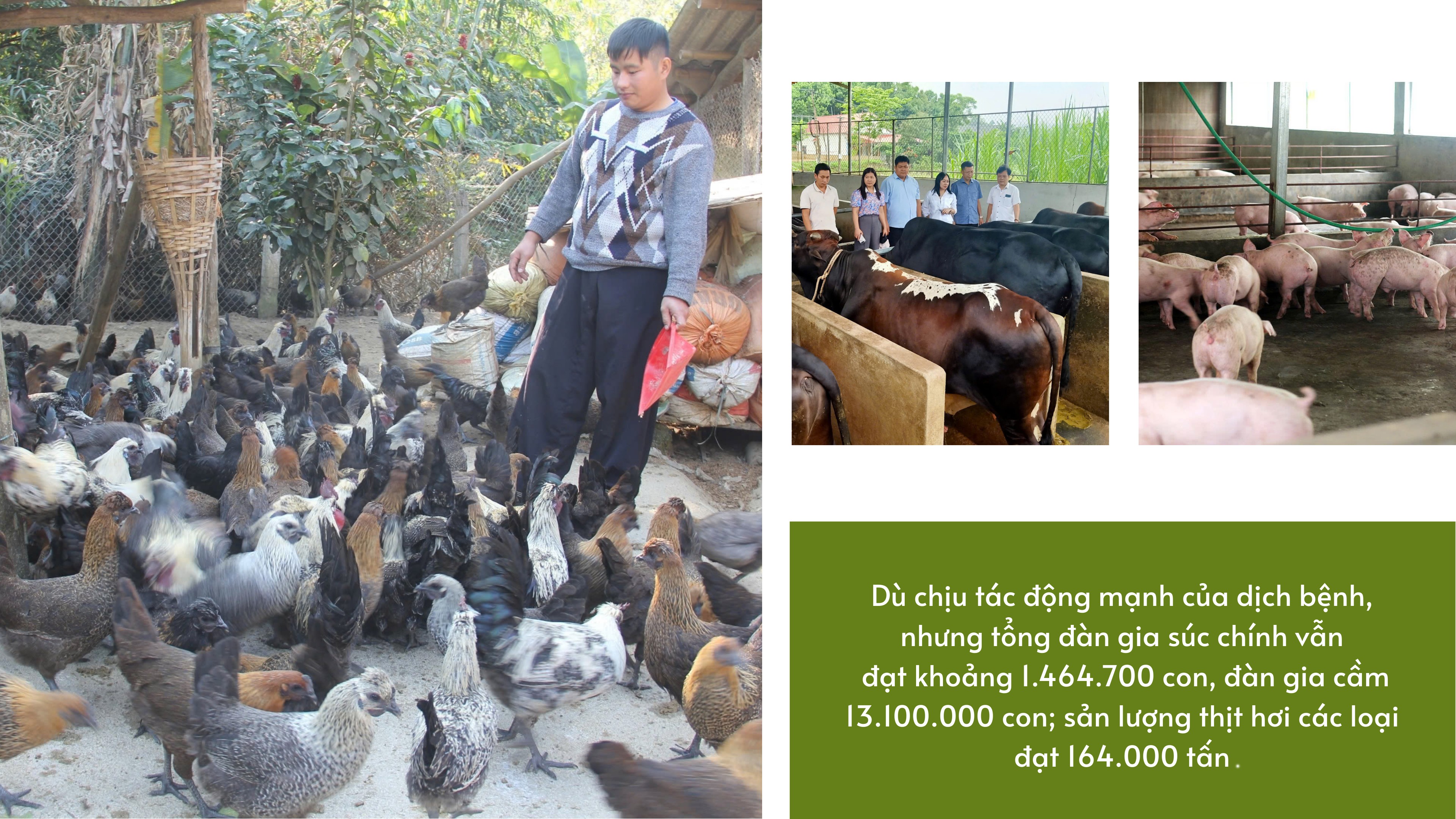
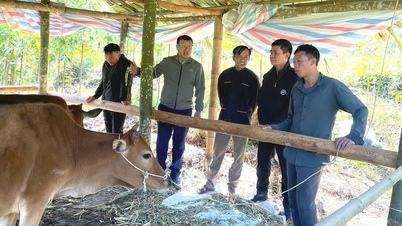
In livestock farming, despite being severely impacted by disease outbreaks, the total number of main livestock reached approximately 1,464,700, and the poultry population reached 13,100,000; the production of various types of meat reached 164,000 tons, meeting the consumption needs within the province and partly for export outside the province. These results show that production has not been disrupted, but is gradually recovering and adapting.
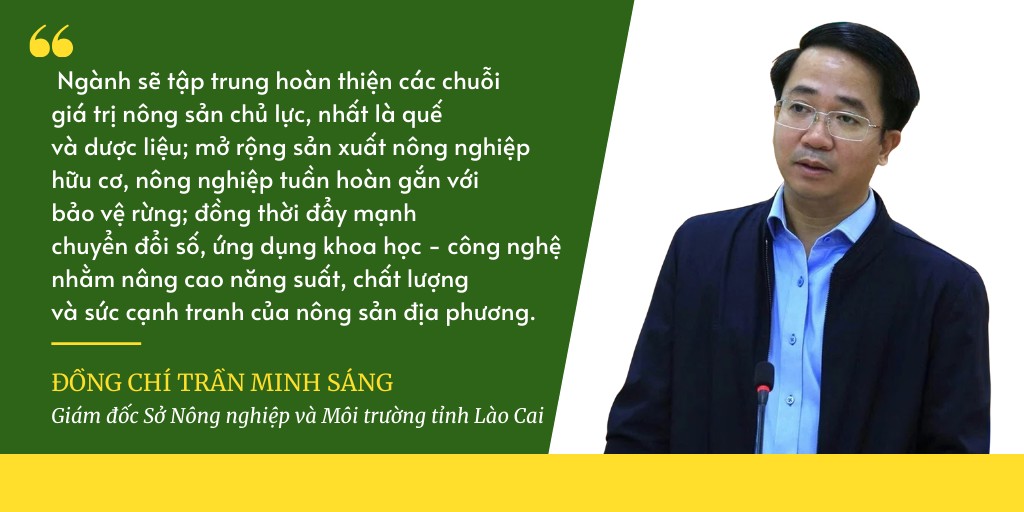
According to Tran Minh Sang, Director of the Provincial Department of Agriculture and Environment, the growth achieved amidst numerous risks is not only a commendable accomplishment but also demonstrates that the province's agriculture is gradually shifting from a passive response to a more flexible and proactive adaptation to fluctuations.
It can be affirmed that maintaining the pace of production over the past year is the result of the timely and flexible guidance of the Provincial Party Committee and the Provincial People's Committee, along with the coordinated efforts of departments, agencies, and localities in disaster and disease prevention and control, and in supporting and restoring production.
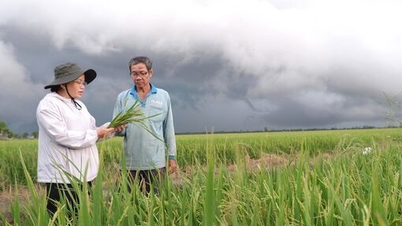
With agriculture recognized as the backbone of the economy, proactive and practical solutions have been implemented, preventing localities from falling into a passive position. The agricultural sector has also flexibly adjusted crop and livestock structures; strengthened the application of science and technology, transferred new, disease-resistant varieties; promoted disease forecasting and monitoring; and effectively organized winter crop production. This has significantly contributed to maintaining stable production across the board.
THE PILLARS THAT PROVIDE STRENGTH
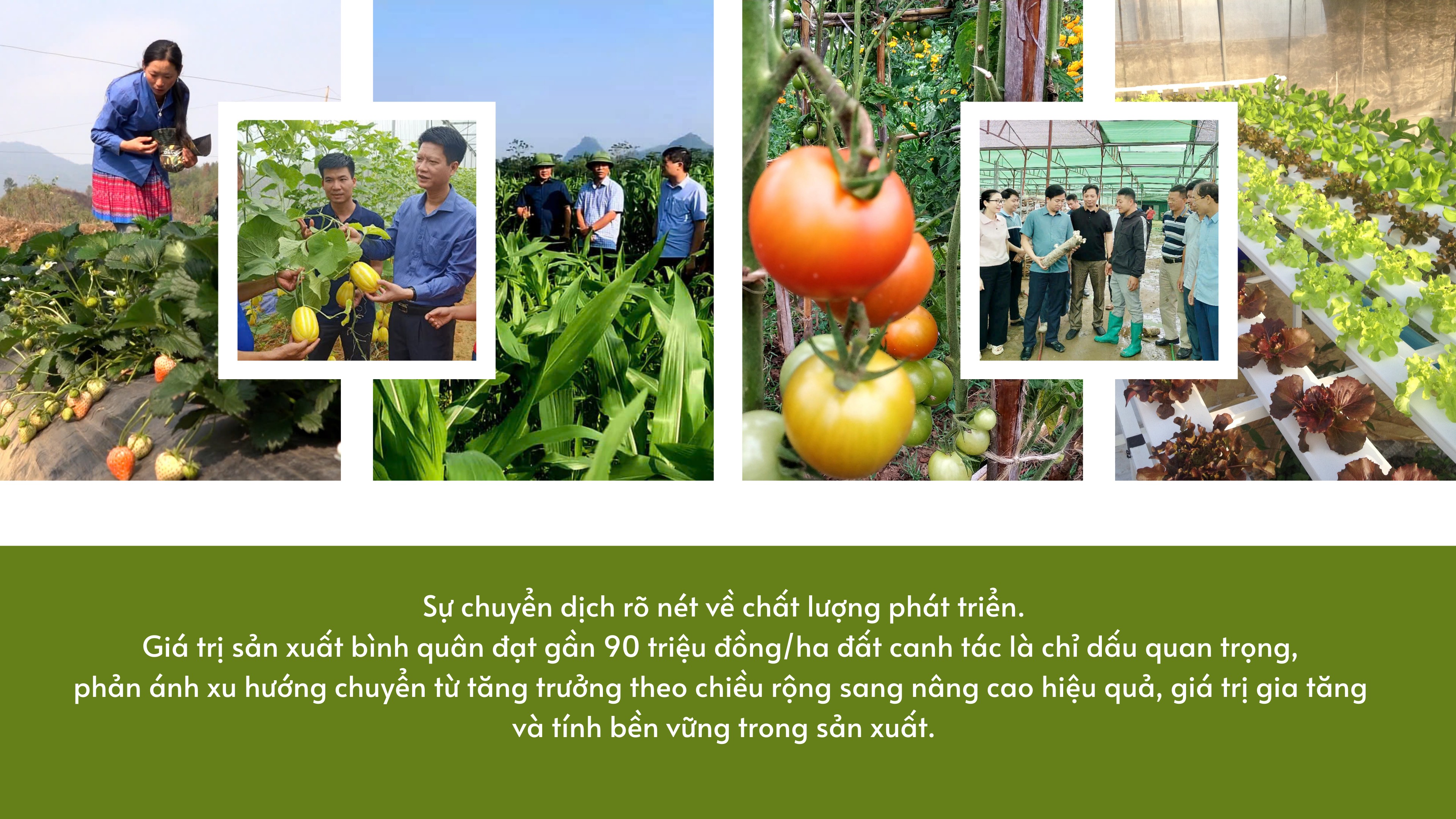
Not only did Lao Cai's agriculture maintain its growth momentum during a turbulent year, but it also showed a clear shift in the quality of development. The average production value reaching nearly 90 million VND per hectare of cultivated land is an important indicator, reflecting a trend towards increasing extensive growth and enhancing efficiency, added value, and sustainability in production.
One of the key pillars of this process is the reorganization of production along the value chain. When farmers no longer produce individually but participate in close linkages with cooperatives and businesses, market risks are reduced, and the value of products is gradually increased.
The province currently has 613 active agricultural cooperatives; many of them have participated in production-consumption linkages, becoming a "bridge" between producers and the market.
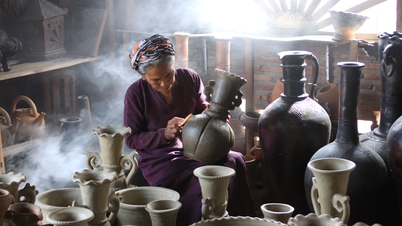
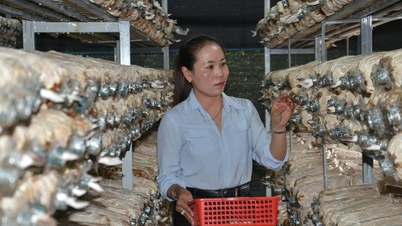
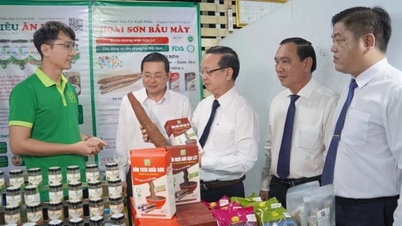
Through supply chain linkages, many traditional industries have undergone significant transformation. The mulberry cultivation and silkworm farming in the communes of Hung Khanh, Luong Thinh, and Mau A, which once faced considerable difficulties, are now gradually stabilizing thanks to their connection with consuming businesses. The production of Bat Do bamboo shoots in the communes of Yen Thanh, Cam Nhan, and Quy Mong is organized in a way that integrates cultivation with processing and consumption. In livestock farming, the strict application of biosafety procedures in cooperatives and enterprises has contributed to maintaining production and limiting the impact of disease outbreaks.
Besides the achievements, an immeasurable success is the empowerment of farmers. Through cooperatives and linkage models, farmers in Lao Cai are becoming increasingly proactive in organizing production, adhering to technical procedures, and gradually adapting to market demands.
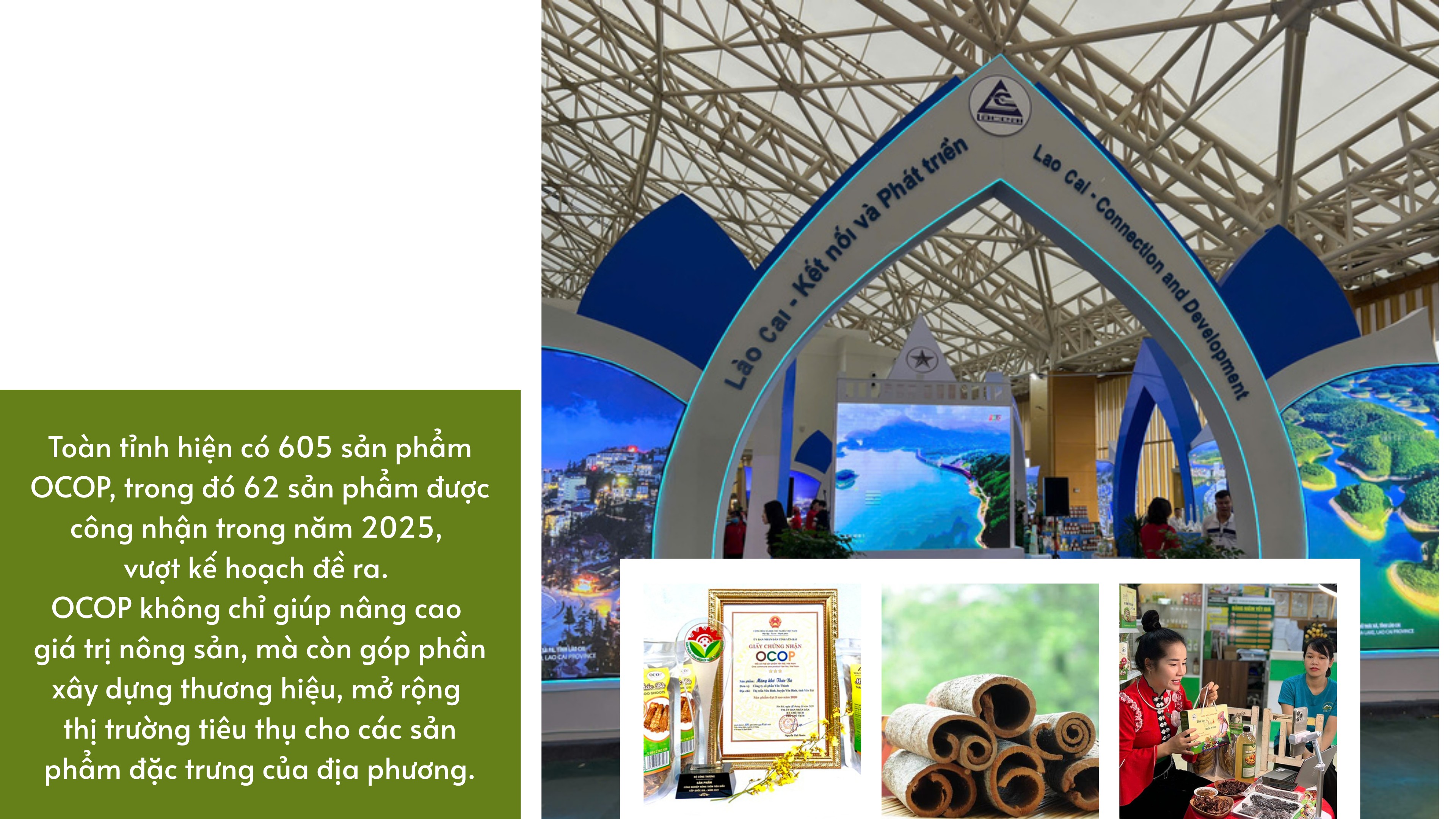
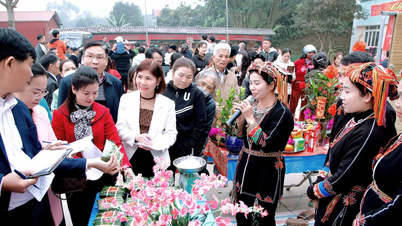
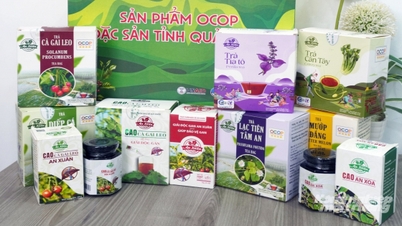
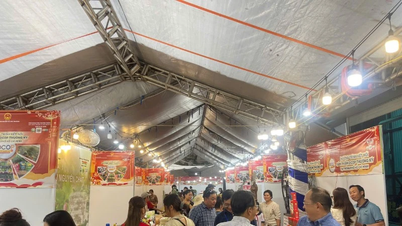
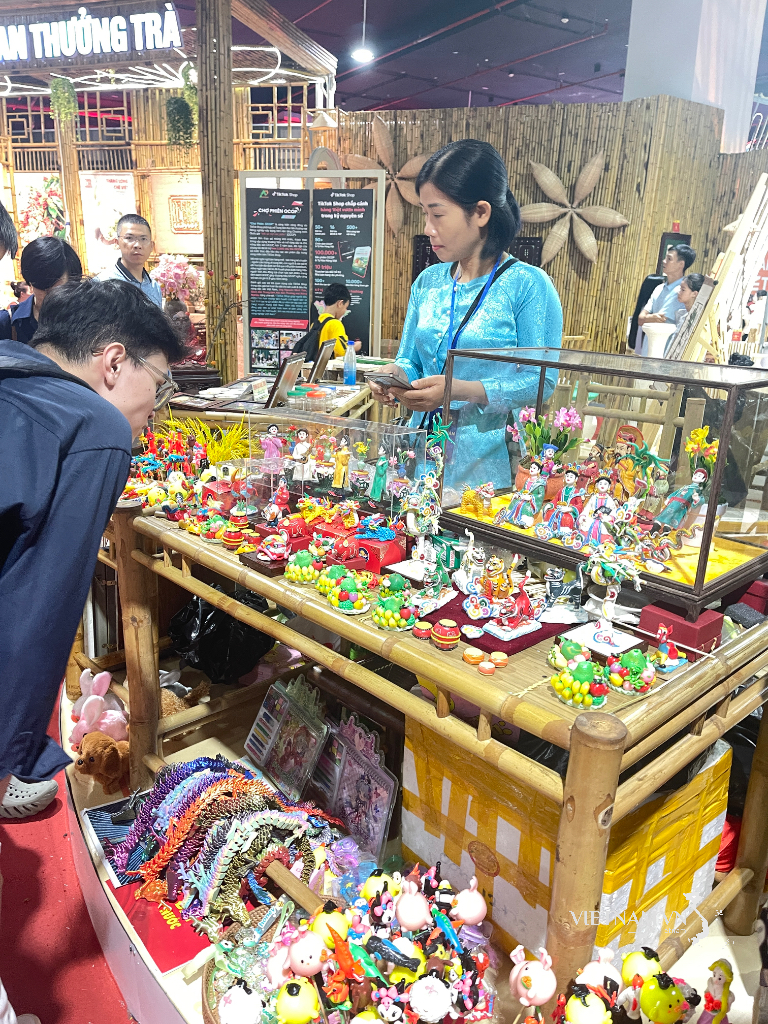
Alongside the value chain, the One Commune One Product (OCOP) program continues to make its mark on rural economic development. The province currently has 605 OCOP products, with 62 products expected to be recognized in 2025, exceeding the set target. OCOP not only helps increase the value of agricultural products but also contributes to building brands and expanding markets for distinctive local products.
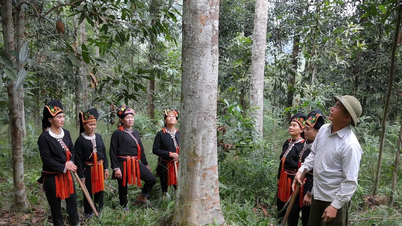
Within that overall picture, cinnamon and medicinal herbs are identified as key strategic and long-term industries. With 147,571 hectares of cinnamon, of which 24,241 hectares are certified organic, Lao Cai possesses a large-scale and high-value raw material area. The province's cinnamon and cinnamon essential oil have been exported to many markets such as China, South Korea, Japan, Russia, the United States, and India, gradually establishing its position in the international market.
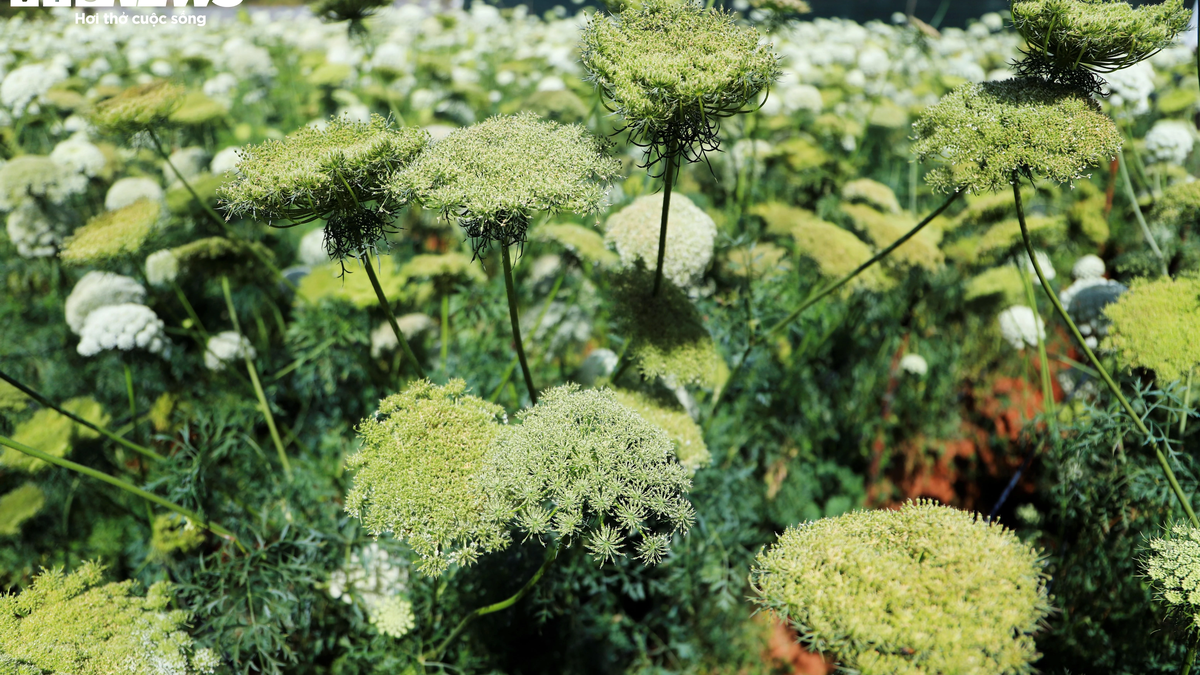
In addition, 6,555 hectares of medicinal plants, with an annual production of over 30,000 tons, including 9 types meeting GACP-WHO standards, are opening up a direction for green agricultural development, linking production with forest protection and community health care. This is not only a suitable direction for the local natural conditions but also creates a foundation for the sustainable development of highland agriculture in the coming years.
Stepping confidently into the new year.
Entering 2026, Lao Cai's agriculture sector faces the challenge of both maintaining growth momentum and improving the quality of development. The focus is not only on growth results, but also on building a green, modern, and sustainable agricultural sector, based on key product lines and the increasingly high adaptability of the entire sector.
Simultaneously, the sector is focusing on improving its capacity to prevent and mitigate natural disasters and epidemics, strengthening resource management, protecting the environment, and adapting to climate change.
As 2025 draws to a close, Lao Cai's agriculture sector has not only maintained its growth momentum but, more importantly, has laid new foundations for sustainable development. The value chain is becoming increasingly distinct; cooperative economics is playing a more active role; the OCOP (One Commune One Product) program is spreading strongly; key agricultural sectors are asserting their position; and farmers are becoming more proactive in organizing production.
These foundations serve as the "pillar" for Lao Cai's agriculture to continue maintaining its role as a pillar of the economy, while also opening up new expectations for agriculture, rural areas, and farmers in the future.
Presented by: Thuy Thanh
Source: https://baolaocai.vn/thich-ung-linh-hoat-giu-vung-da-tang-truong-post890432.html



























































Comment (0)