

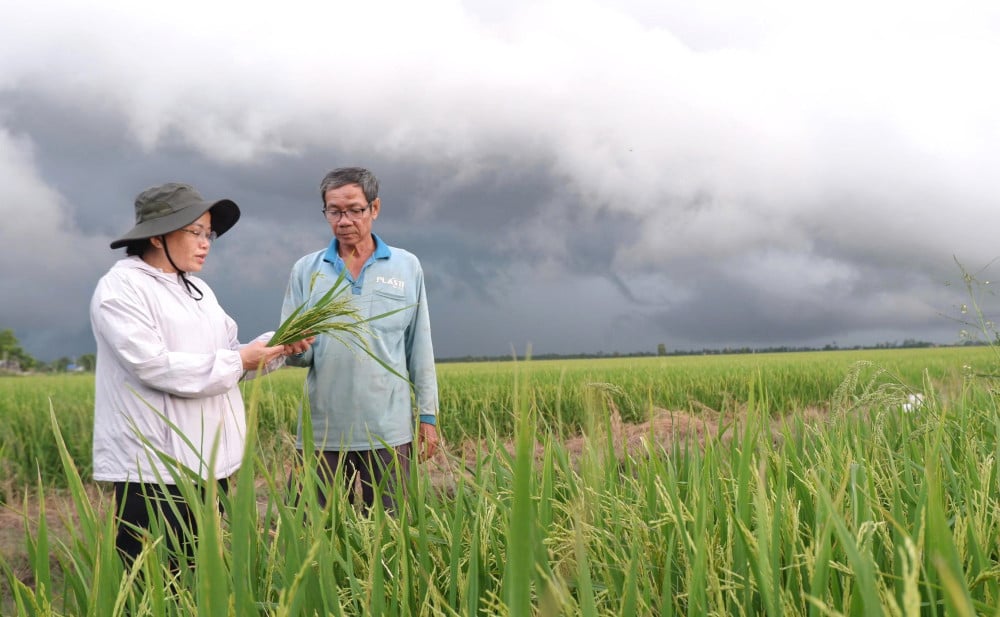
Deputy Director of the Department of Agriculture and Environment, Dinh Thi Phuong Khanh (on the left), inspects the 2025 production situation in Tuyen Binh commune.
- Reporter: After the implementation period, what lessons have been learned from the Program for Developing High-Tech Agriculture in conjunction with the restructuring of the agricultural sector in the 2021-2025 period, Madam?
Ms. Dinh Thi Phuong Khanh: With the proud achievements from high-tech applied agriculture, the agricultural sector continues to affirm its role as a pillar of the province's economy , even in the context of many difficulties and challenges. The sector has shifted the structure of crops and livestock towards efficiency and high value; formed concentrated, specialized production areas applying high technology and production according to GAP standards. This has contributed to maintaining the province's economic growth momentum over the years; the productivity and quality of key products have also increasingly affirmed their position.
Specifically, rice production in 2025 is estimated to reach over 4 million tons, a 14% increase compared to 2020, with 70% being high-quality rice. Cassava production is expected to exceed 2 million tons, and rubber 189,000 tons, both showing increases compared to the previous period. The area planted with vegetables will reach 31,000 hectares, with an estimated yield of 186 quintals/hectare; livestock farming will develop towards concentrated farm operations with 1,520 farms and 8,362 hectares of aquaculture, producing 157,882 tons,…
To achieve the above results, the agricultural sector received attention from the entire political system, and communication efforts were intensified to change people's farming practices. In addition, timely mechanisms and policies were issued, and difficulties were addressed promptly and effectively, contributing to the positive development of production.
- Reporter: Could you elaborate on the difficulties encountered during the implementation of the Program for the Development of High-Tech Agriculture in conjunction with the restructuring of the agricultural sector in the 2021-2025 period?
Ms. Dinh Thi Phuong Khanh: Besides the achievements, the implementation of the Program still faces some difficulties and limitations. The establishment of cooperatives is challenging; some cooperatives have not met production requirements; the level and capacity of cooperative management staff are still weak; participation in value chains is limited; and they are not truly a solid "bridge" linking agricultural production with consumption. Cooperatives have not proactively addressed difficulties and have not fulfilled their role in gathering and connecting farmers to the cooperative.
While investment in technical infrastructure serving agricultural production has been prioritized, many areas still fall short of requirements. There is a lack of clean land to attract investment from businesses to act as a driving force for the agricultural sector. The number of agricultural enterprises applying high technology is still small; many enterprises have not yet engaged in research and application of modern technology in preliminary processing and manufacturing to improve productivity. Participation of enterprises in production value chains remains limited.
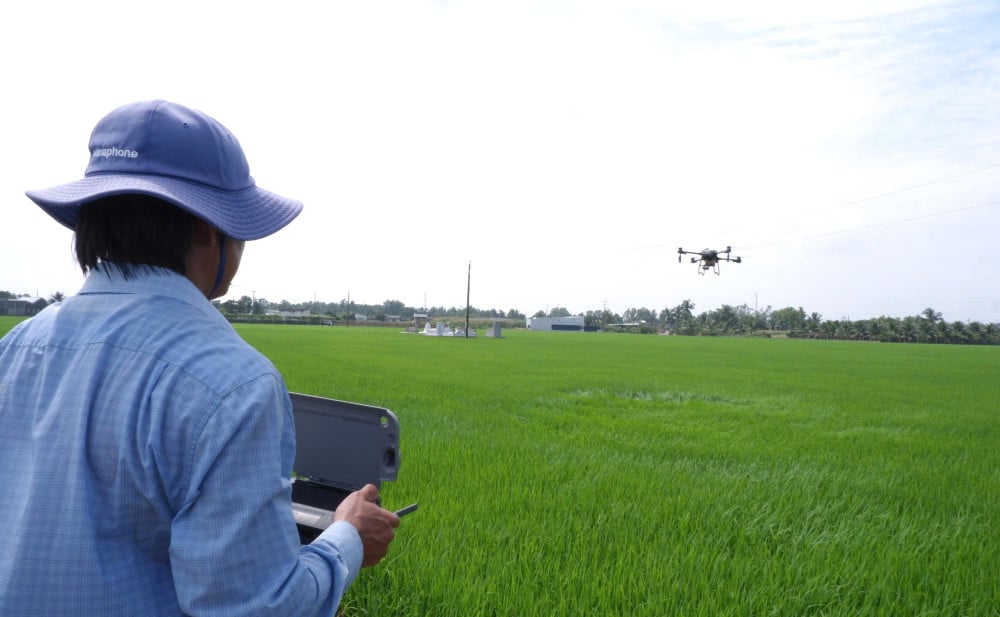
The High-Tech Agricultural Development Program helps farmers achieve 100% mechanization from land preparation to harvesting.
- Reporter: To continue maintaining the achievements and overcome the shortcomings and difficulties in implementing the High-Tech Agriculture Development Program, what directions will the agricultural sector take in the future, Madam?
Ms. Dinh Thi Phuong Khanh: Regarding rice cultivation, we will continue to maintain the pilot models and models implemented during the 2016-2020 period and expand them in 2025. We will effectively implement the Project on Sustainable Development of 1 million hectares of high-quality, low-emission rice monoculture associated with green growth in the Mekong Delta region by 2030 within the province.
Vegetable cultivation continues to maintain 3 models for replicating high-tech applications in Can Giuoc; consolidating and maintaining the area of high-tech vegetable cultivation at 2,000 hectares in the localities of Can Duoc, Can Giuoc, Duc Hoa and Tan An (before merger).
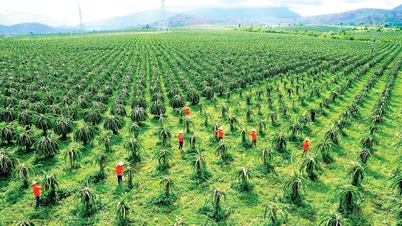
Dragon fruit cultivation continues to support model dragon fruit production according to GAP standards in Chau Thanh. Management and control work is being carried out for the geographical indication "Chau Thanh Long An" for dragon fruit in the province.
Lemon cultivation continues to maintain two model projects applying techniques to improve lemon orchards, increasing yield and quality in Ben Luc and Duc Hue. Management and control of the geographical indication "Ben Luc Long An" for seedless lemons is being implemented. Ten training courses have been organized to replicate the model.
Shrimp farming continues to be implemented on 1.16 hectares using high-tech methods. Support is being provided for the construction of 5 model farms for replication of high-tech shrimp farming in Tan Tru and Can Duoc districts.
Beef cattle farmers continued to support the conversion of 15 high-quality breeding cows for households in Duc Hue; supported artificial insemination for approximately 1,810 breeding cows in Duc Hue and Tan Tru districts; and provided nitrogen tanks for insemination technicians and vaccines against hemorrhagic septicemia and lumpy skin disease for households in Thu Thua.
In addition, support cooperatives and enterprises applying high technology in production: Establish agricultural enterprises that are recognized as high-tech agricultural enterprises (if any enterprise requests it). Develop 1-2 safe agricultural food supply chains linked to traceability for rice, vegetables, dragon fruit, lemons, and beef.
Continue to support agricultural production facilities in the province in applying for and certifying production according to VietGAP standards. Focus on implementing digital transformation initiatives for 4 types of crops and 2 types of livestock as per the approved plan.
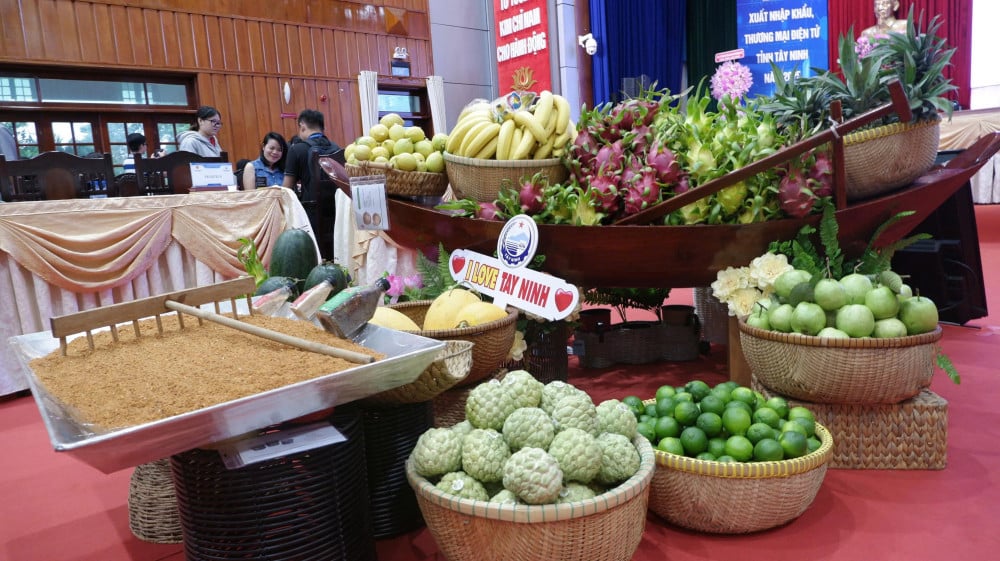
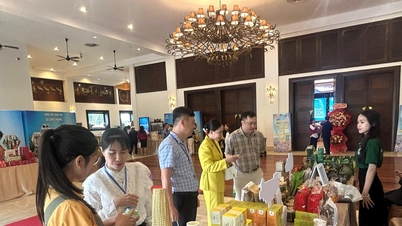
Through the High-Tech Agricultural Development Program, many of the province's key agricultural products are increasingly establishing their brands in the market.
- Reporter: To ensure the continued development of high-tech agriculture, aiming towards building a green, modern, and sustainable agricultural sector, what solutions does the provincial agricultural sector have in place?
Ms. Dinh Thi Phuong Khanh: To implement the Program more effectively in the future, the agricultural sector proposes the following solutions:
Focus on strengthening information and communication efforts to raise awareness and understanding among Party members, civil servants, and workers about high-tech and organic agricultural production; and market demands for key agricultural products. Promote the opportunities and challenges of Vietnam's deep and broad international integration; and the role and benefits of participating in cooperatives and associations to ensure sustainable agricultural development.
Implementing planning and production reorganization: Review, adjust, and supplement the industry's development orientation to integrate it into the province's overall plan. This includes focusing on planning concentrated commodity production areas to invest in complete infrastructure systems; applying mechanization and science and technology to production and transportation; concentrating on production-consumption linkages, building and developing value chains for key products; and implementing traceability linked to planting area codes and packaging facility codes.
Review and assess the operational status of cooperatives and agricultural cooperatives, and promptly address difficulties and obstacles; establish mechanisms to support the effective operation of cooperatives and agricultural cooperatives. Support and guide the establishment of trademark ownership for the province's agricultural products; provide capital support to cooperatives and farmers to apply science and technology to production.
Training human resources to serve the development of high-tech agriculture: Focus on training to improve the management skills of civil servants and officials in the sector; organize training to enhance the capacity and awareness of officials and civil servants of political and social organizations regarding the collective economy. Train and develop the capacity of managers of cooperatives and cooperative groups.
Strengthen linkages and cooperation with businesses in coordinating effective trade promotion activities that meet the needs of businesses. Establish a close and synchronized coordination mechanism between agricultural production, science, and technology with trade promotion from the provincial level to the grassroots. Strengthen foreign relations with localities both domestically and internationally to link the production and consumption of high-tech agricultural products of the province.
Digital transformation of the agricultural sector and integration with e-commerce, promoting brands for distinctive products.
Advise and propose the issuance of policies to support the application of science and technology, and build models to enable people to access and confidently apply science and technology to production.
- Reporter: Thank you, ma'am!
Le Ngoc
Source: https://baolongan.vn/nong-nghiep-ung-dung-cong-nghe-cao-vung-tin-buoc-vao-giai-doan-moi-a208379.html





![[Photo] Two flights successfully landed and took off at Long Thanh Airport.](/_next/image?url=https%3A%2F%2Fvphoto.vietnam.vn%2Fthumb%2F1200x675%2Fvietnam%2Fresource%2FIMAGE%2F2025%2F12%2F15%2F1765808718882_ndo_br_img-8897-resize-5807-jpg.webp&w=3840&q=75)






























































Comment (0)