

Northern Vietnam is facing a power shortage of nearly 5,000 MW.
On May 14th, at a meeting on the national power supply and system operation plan during the peak hot months of 2023 with the Vietnam Electricity Group (EVN), the Vietnam National Oil and Gas Group (PVN), the Vietnam Coal and Mineral Industry Group (TKV), the Northeast Corporation, the State Capital Management Committee, etc., the Minister of Industry and Trade requested EVN to urgently negotiate and accelerate the negotiation process to mobilize renewable energy sources from eligible enterprises; and to expedite the purchase and sale of electricity with signed electricity import projects… PVN and TKV should coordinate with EVN and relevant units to supply gas and coal to power plants according to the electricity supply plan. In particular, they should increase exploitation and import to prevent shortages of gas and coal for electricity production. In addition, strengthen the dissemination of information on saving electricity during the peak hot season, in accordance with Prime Minister's Directive 397 dated May 13th on proactively implementing urgent measures to respond to the risks of heatwaves, droughts, and water shortages...
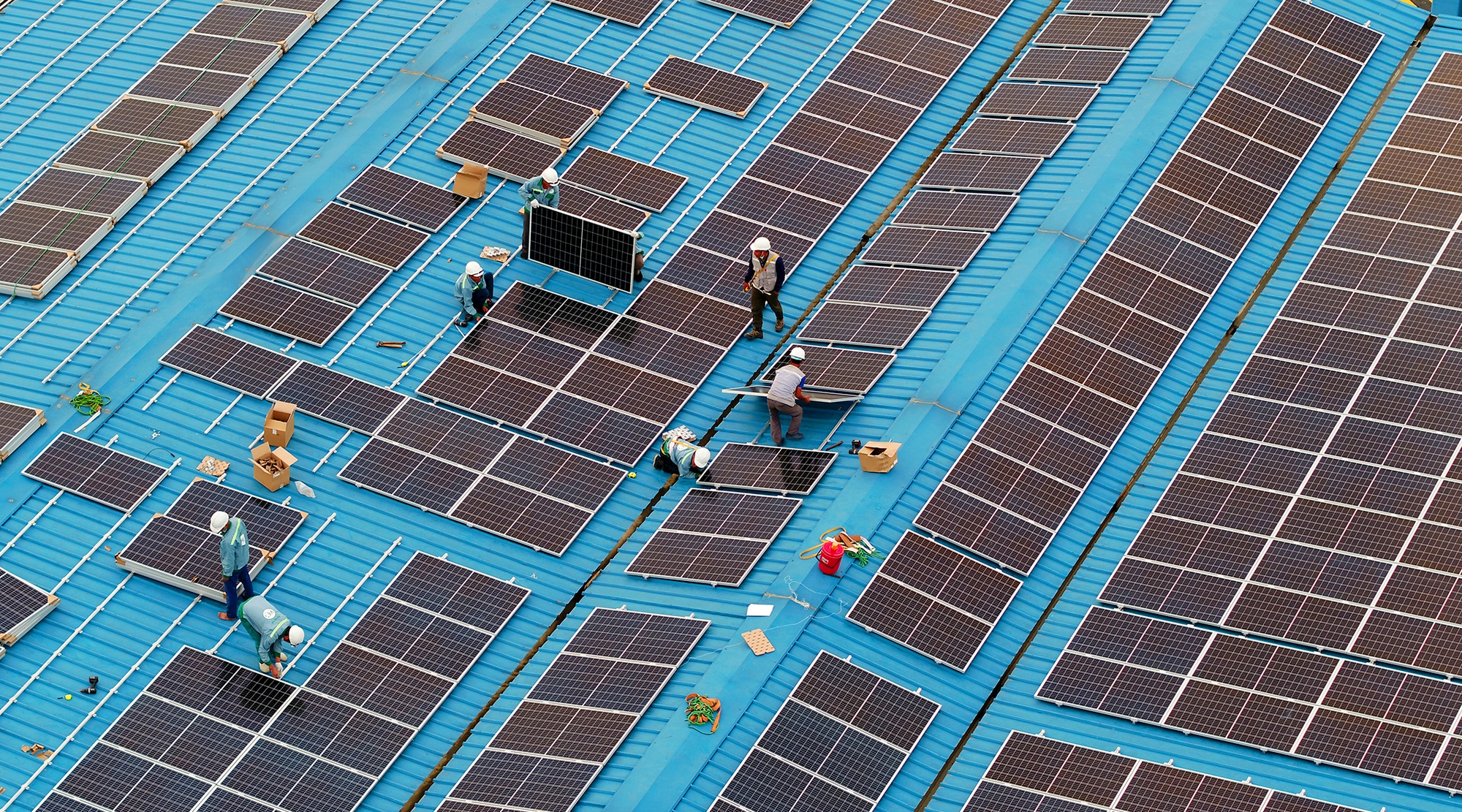
Many renewable energy projects are still under negotiation, and even temporary power generation is not feasible.
Earlier, reporting on the power system's operation from the beginning of the year to date, EVN representatives stated that operating the power system during the peak hot months (May-July) would be very difficult. In particular, the power system in the North would face the challenge of not being able to meet peak load demand. The largest power deficit is estimated at 1,600-4,900 MW. At the meeting, representatives from PVN, TKV, and the Northeast Corporation all committed to providing maximum support for the supply of coal and gas for electricity production, ensuring sufficient electricity supply for the whole country. The Minister of Industry and Trade emphasized the need to ensure that no power shortages occur; if any do occur, consideration will be given to taking action against individuals and organizations that are irresponsible.
While the Ministry is showing determination in negotiations, Mr. NVD, representing a wind power project in the south, expressed frustration that all proposals remain unresolved, causing the project to continue to be covered in dust, wind, and deteriorate over time. Mr. D. stated that the new pricing framework under Decision 21 of the Ministry of Industry and Trade is unclear in terms of its basis and clearly does not reflect reality. For example, it excludes 10% of the contingency cost from the total investment in the initial technical design.
In addition, maintenance costs are incurred when projects are forced to wait, "suspended" for nearly 1.5 years for wind power projects and over 2 years for solar power projects. "The Electricity Trading Company has imposed several conditions that are supposedly in accordance with regulations, but are greatly disadvantageous to investors. For example, the electricity purchase price framework is already too low, and now they are requesting a temporary sale at 50% of the ceiling price framework stipulated in Decision 21 of the Ministry of Finance , but without allowing retroactive application. The electricity purchase price in the competitive electricity market is 1,750 VND/kWh, with a provisional price of 50%, which is only 800 VND/kWh for wind power and over 500 VND/kWh for solar power. So, while seemingly resolving difficulties, this forces us to sell below cost indefinitely if negotiations fail or drag on? If it's called temporary, why not allow retroactive application?" Mr. D. expressed his frustration.
Notably, the Ministry of Industry and Trade's directive emphasizes the urgent need to negotiate transitional electricity prices for projects that have met the eligibility criteria. According to EVN, 31 applications have been submitted to the Electricity Trading Company so far, with approximately 10 projects requesting a temporary price of 50% of the standard rate. Currently, these investors have not yet provided complete legal documentation to begin negotiations.
According to Thanh Nien newspaper's investigation, negotiations for power purchase agreements between EVN and investors in transitional renewable energy projects have stalled, or more accurately, reached a deadlock, as most of the documents submitted for negotiation require the addition of numerous legal documents as per regulations. Many projects are facing obstacles due to procedures, missing documents, and legal regulations on investment… Even projects that have submitted applications and want to sell electricity at 50% of the price bracket cannot do so due to a lack of guidance from the Ministry of Industry and Trade and some requirements that can be applied retroactively after successful negotiations…
Should temporary mobilization be accelerated and retroactively applied?
In reality, although the Ministry of Industry and Trade has issued guidelines on the principles of electricity price negotiations, these are only framework regulations. According to the Electricity Law, the price of electricity generation under a power purchase agreement has a clearly defined term. Circular 01 of the Ministry also removes all regulations regarding the purchase of the entire electricity output and only calculates based on the actual price, which fails to convince investors, because each project has its own unique characteristics, and general principles should be based on specific guidance from the Ministry. Furthermore, the responsibility for meeting all the conditions for negotiation according to the law rests with the investor. EVN stated that "the company cannot verify or confirm this, and does not have the authority to do so, making negotiations difficult for both sides."
Thanh Nien Newspaper organizes an "Online discussion on electricity prices"
Electricity prices are rising right in the middle of a record-breaking hot season, and the surge in electricity demand is raising the risk of sudden spikes in electricity bills for many households. In particular, the risk of power shortages and rolling blackouts is causing concern among many people amidst extreme weather changes.
How to minimize the shock of receiving your next electricity bill? How to maximize electricity savings when cooling devices are operating at full capacity during hot weather? Will there be rolling power cuts...? All your questions will be answered by leaders from the Vietnam Electricity Group (EVN), the Southern Power Corporation, the Ho Chi Minh City Power Corporation, the National Electricity Regulatory Authority, etc., at the "Online Roundtable on Electricity Prices" organized by Thanh Nien Newspaper at 8:30 AM on May 16th at the Thanh Nien Newspaper headquarters.
Adolescent
Energy expert Dr. Tran Van Binh believes that the delay in negotiating the transitional renewable electricity price is increasing the pressure of electricity shortages. If the feedback from businesses and EVN is accurate—that there is a lack of specific and clear guidance—then the Ministry of Industry and Trade is either lacking decisiveness on this issue or is afraid of taking responsibility due to overlapping policies and regulations. Furthermore, the phrase "meeting relevant legal regulations" is very vague, making it difficult to immediately decide on temporary mobilization. If even temporary measures are feared to exceed authority, when will the negotiations ever be completed?
"In my opinion, the Ministry of Industry and Trade has already issued directives, and there needs to be guidance on how to handle contracts with fixed terms, because how can temporary contracts be applied according to general principles? Furthermore, the government needs to allow these temporary power generation projects to be retroactively regulated, selling electricity at the price they successfully negotiated later, instead of 'buying outright and selling in installments,' which seems to pressure investors when they are facing difficulties and haven't completed the negotiation procedures as expected. The solution at this point is to resolve the obstacles, punish those at fault, and continue to operate to avoid excessive waste of valuable renewable energy resources," Dr. Binh shared.
Professor Tran Dinh Long believes that the current risk of electricity shortages partly reflects the crucial role of renewable energy, which has been heavily invested in in recent years. A few years ago, without large-scale solar and wind power projects invested in Vietnam, it would have been difficult to have the abundant renewable energy sources we have today. However, when rapid development disrupts planning, the responsibility lies with the management agencies and professional consultants. Furthermore, negotiations on transitional electricity pricing are necessary and must be conducted more quickly. The interests of all parties must be ensured. Investors are pouring large sums of money into these projects; if transparency is lacking now, it will be difficult to attract investment later. Especially after the approval of Power Plan 8, investment in electricity transmission and renewable energy will increase.
Source link

![[Photo] The General Secretary attends the groundbreaking ceremony for the construction of the Truong Ha Primary and Secondary Boarding School.](/_next/image?url=https%3A%2F%2Fvphoto.vietnam.vn%2Fthumb%2F1200x675%2Fvietnam%2Fresource%2FIMAGE%2F2026%2F01%2F28%2F1769604498277_vna-potal-tong-bi-thu-du-le-khoi-cong-xay-dung-cong-trinh-truong-pho-thong-noi-tru-tieu-hoc-va-trung-hoc-co-so-truong-ha-8556822-jpg.webp&w=3840&q=75)


![[Photo] Commemorating the unwavering friendship between Vietnam and Laos](/_next/image?url=https%3A%2F%2Fvphoto.vietnam.vn%2Fthumb%2F1200x675%2Fvietnam%2Fresource%2FIMAGE%2F2026%2F01%2F27%2F1769518372051_ndo_br_1-jpg.webp&w=3840&q=75)


![[Photo] National Assembly Chairman Tran Thanh Man meets with former leaders of the National Assembly from various periods.](/_next/image?url=https%3A%2F%2Fvphoto.vietnam.vn%2Fthumb%2F402x226%2Fvietnam%2Fresource%2FIMAGE%2F2026%2F01%2F28%2F1769601014034_anh-man-hinh-2026-01-28-luc-18-50-04.png&w=3840&q=75)


![OCOP during Tet season: [Part 3] Ultra-thin rice paper takes off.](/_next/image?url=https%3A%2F%2Fvphoto.vietnam.vn%2Fthumb%2F402x226%2Fvietnam%2Fresource%2FIMAGE%2F2026%2F01%2F28%2F1769562783429_004-194121_651-081010.jpeg&w=3840&q=75)


![OCOP during Tet season: [Part 2] Hoa Thanh incense village glows red.](/_next/image?url=https%3A%2F%2Fvphoto.vietnam.vn%2Fthumb%2F402x226%2Fvietnam%2Fresource%2FIMAGE%2F2026%2F01%2F27%2F1769480573807_505139049_683408031333867_2820052735775418136_n-180643_808-092229.jpeg&w=3840&q=75)
![OCOP during Tet season: [Part 1] Ba Den custard apples in their 'golden season'](/_next/image?url=https%3A%2F%2Fvphoto.vietnam.vn%2Fthumb%2F402x226%2Fvietnam%2Fresource%2FIMAGE%2F2026%2F01%2F26%2F1769417540049_03-174213_554-154843.jpeg&w=3840&q=75)





Comment (0)