

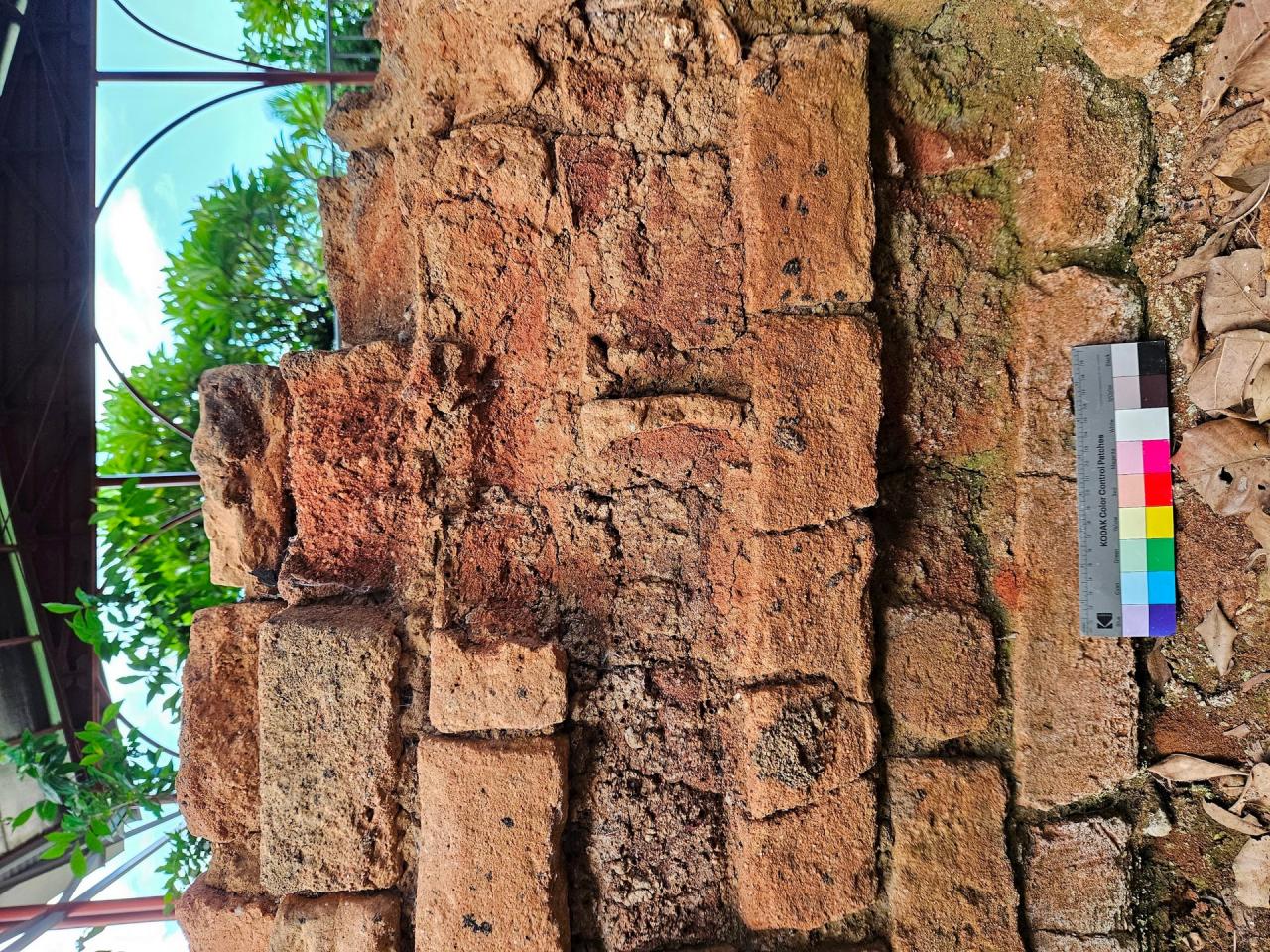
Most of the surviving Champa relics are in the form of archaeological architectural ruins. The preservation and conservation of these relics are often closely linked to archaeological work.
Archaeology is a necessary step.
Since the beginning of the 20th century, the French School of Far Eastern Studies (EFEO) has conducted numerous archaeological excavations, documenting most of the Champa relics through drawings, photographs, and maps as soon as they were discovered. Thanks to this, many images and drawings have become valuable documentary assets serving the research and preservation of Champa relics after their destruction over time and during wars.
After liberation, numerous excavations took place to serve the research and preservation of Champa relics. Many sites were excavated to identify the boundaries and areas to be protected and preserved, and to recognize their value.
Many Champa relics have been included in heritage lists at various levels, and valuable artifacts are displayed and introduced to the public. However, alongside archaeological activities, many Champa relics have not been accompanied by restoration work after excavation.
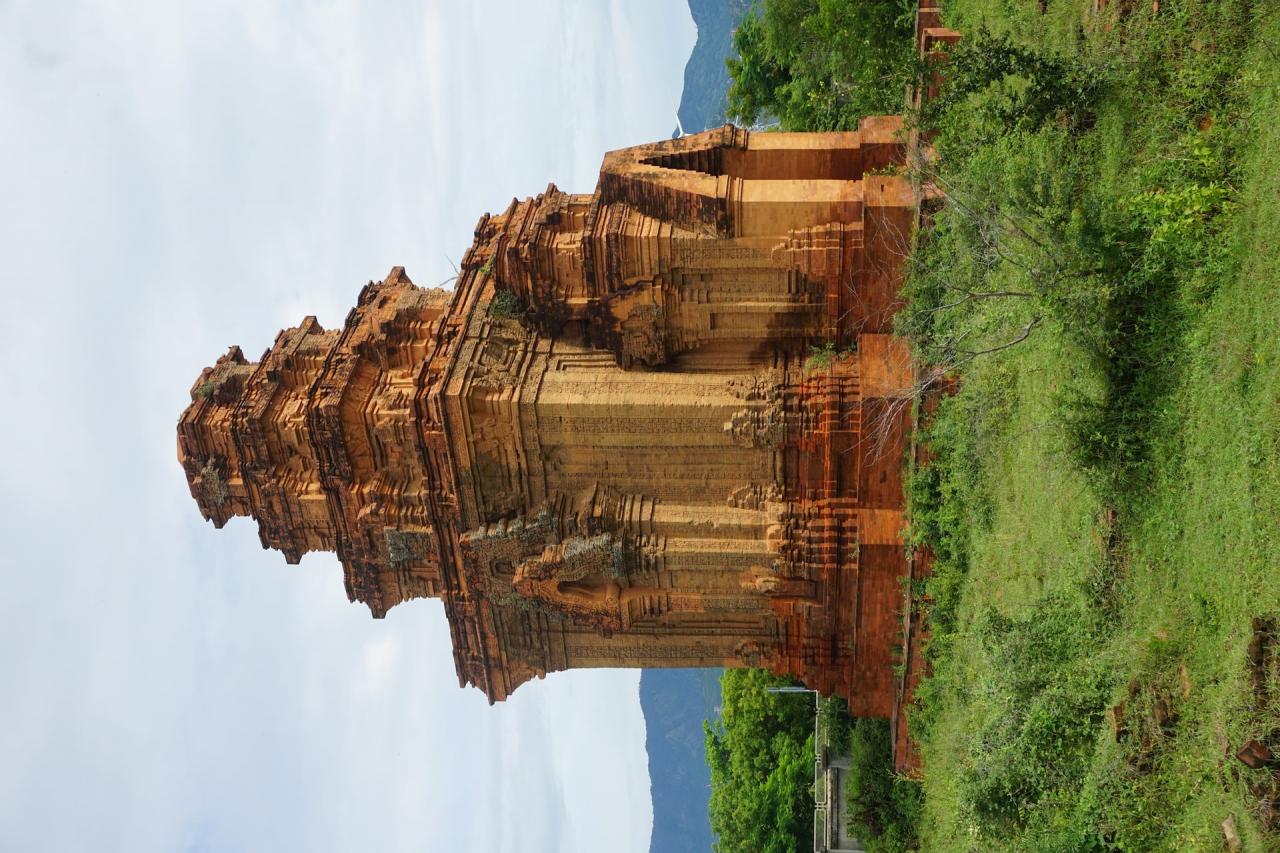
From the beginning of the 20th century, excavations led by French scholars (EFEO), later considered "art archaeology," took place on a large scale at many sites such as My Son, Dong Duong, Chanh Lo, and Tra Kieu. However, subsequent conservation and restoration activities were only carried out at a few individual structures in My Son.
The situation of excavation not being accompanied by restoration is also occurring today at many relics/ruins excavated by domestic archaeologists after 1975, mainly using temporary preservation methods after excavation.
Mr. Danve D. Sandu, Assistant Director and Conservation Specialist at the Archaeological Survey of India (ASI), argues that excavation must go hand in hand with preservation and restoration. In India, excavation and restoration are handled by the same agency. If only excavation is carried out without preservation and restoration, the site is very susceptible to damage...
Temporary storage is not enough.
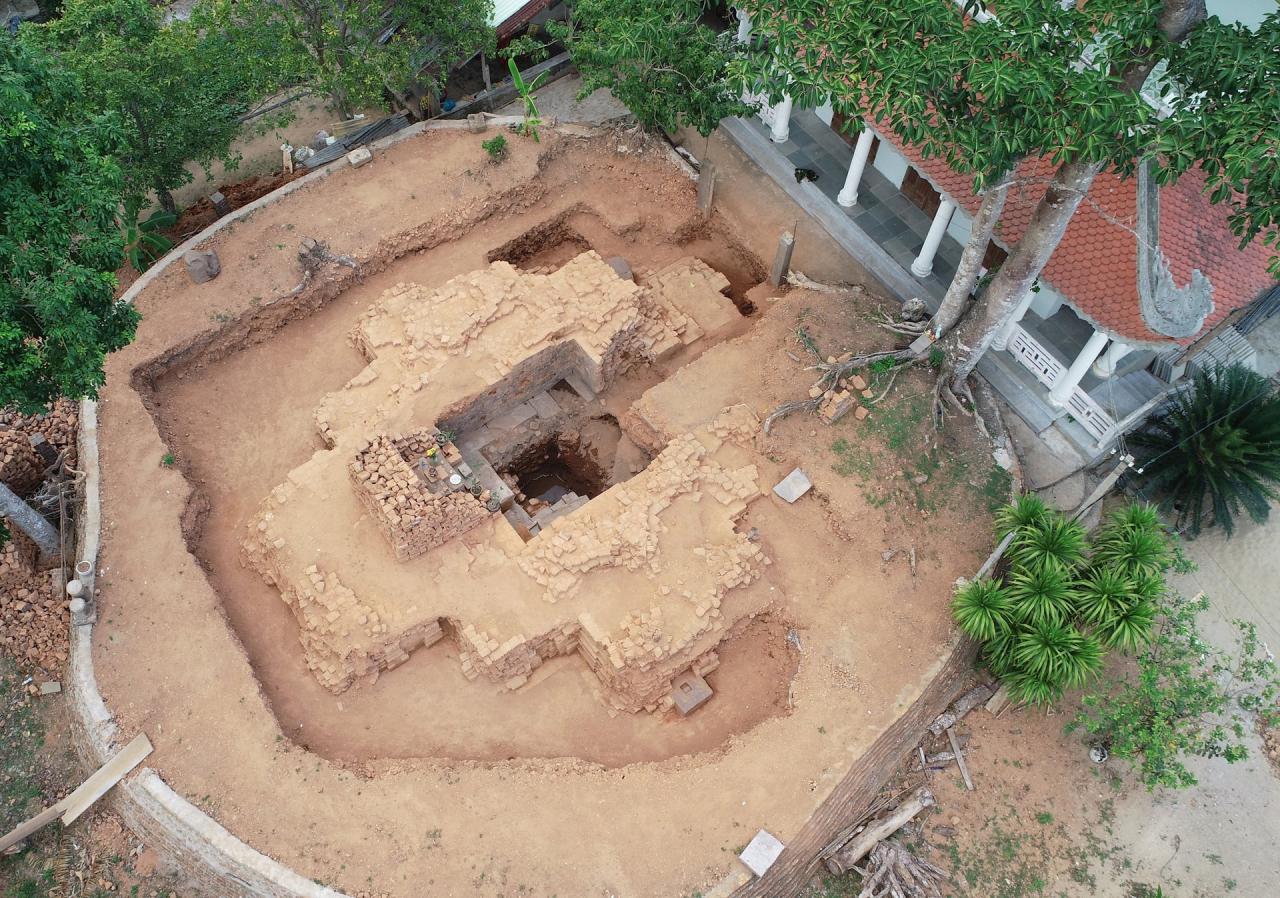
In Quang Nam, the Duong Bi relic site still lacks any preservation solutions after 5 years of excavation. In 2018, the temple unearthed a part of the remains of the Duong Bi tower.
To study and clarify the site's structure, dating, and initial assessment of its value, the Duong Bi Tower was urgently excavated in 2019. However, to date, no conservation or restoration activities have been undertaken. Currently, the site is being encroached upon by vegetation.
The distinctive patterns of the Dong Duong art style, which were still very sharp after excavation, have now been covered by moss, lichen, and vegetation. The top layers of bricks of the relic are gradually losing their cohesion and falling off the tower walls.
Another example, located about 2km from Duong Bi, is the southern section of the city wall belonging to the Tra Kieu site. One of the earliest Champa fortress structures, dating back to the 4th century, it was included in the list of national archaeological sites by the Ministry of Culture, Sports and Tourism in 2013.
This section of the city wall was excavated in 1990, and the wall's structure was revealed in 2003. To promote the Tra Kieu historical site, a corrugated iron roof was built to cover the excavated section of the wall for community visitors in 2022.
The alarming issue now is that the bricks are rapidly deforming and deforming due to a lack of preservation efforts for these ancient bricks. Bricks dating back to around the 4th century were in an anaerobic environment, covered in a thick layer of clay, but upon excavation and exposure to the outside environment, they disintegrated very quickly.
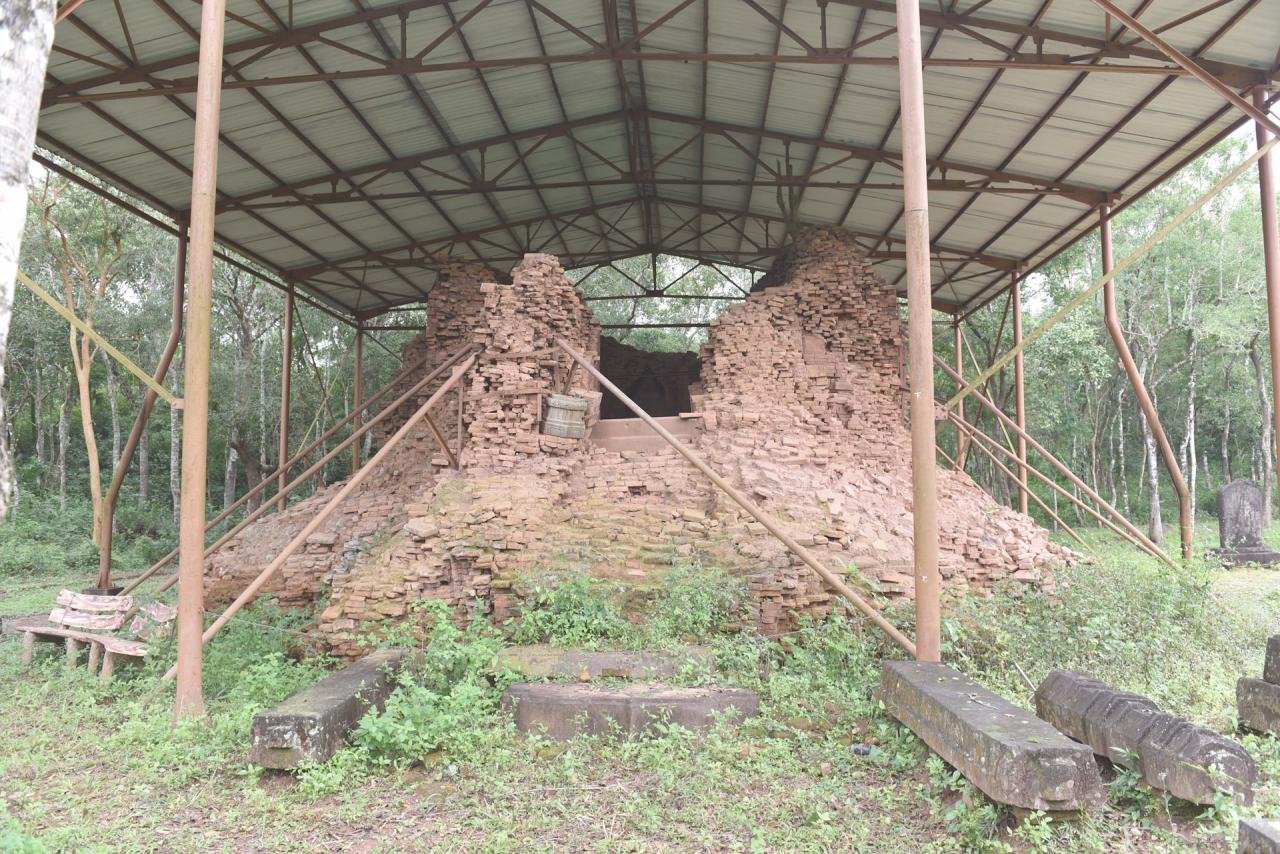
At My Son, the F tower group was excavated in 2002. The excavation revealed the site plan, the pathway from temple F1 to gate F2, and many artifacts belonging to the architectural components of temples F1 and F2, and the altar F1. Notably, the base of temple F1, with its many decorative patterns in the Hoa Lai art style, was unearthed.
Later, the My Son Management Board built a shelter made of iron and corrugated iron. A shelter for Temple F1 was essential while awaiting a restoration plan, as the foundation of Temple F1 was constructed using a technique of filling the wall core with soil. However, the site has been awaiting restoration for 20 years, leading to the deterioration of the bricks at the base of the wall, and the shifting and loss of cohesion of bricks in many places.
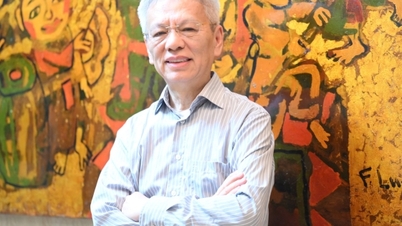
Architect Dang Khanh Ngoc – Director of the Institute of Conservation of Historical Relics, stated: “According to Article 19 of the Regulations issued with Decision No. 86/2008/QD-BVHTTDL, after the completion of archaeological exploration and excavation, the agency directly managing the archaeological site is responsible for developing a plan for the protection, management, and promotion of the value of the explored and excavated archaeological site.”
After excavation, archaeological sites need timely and effective solutions to protect the structures from the impact of unusual weather conditions.
Source: https://baoquangnam.vn/thieu-trung-tu-sau-khai-quat-o-cac-di-tich-champa-3144012.html
![[Image] Shipbuilders exposed to steel and record-breaking heat.](https://vphoto.vietnam.vn/thumb/1200x675/vietnam/resource/IMAGE/2026/06/04/1780545781745_ndo_br_img-5402-4683-jpg.webp)



































![[Video] Sunset at Lap An Lagoon – Where the sun sets over the fishing nets](https://vphoto.vietnam.vn/thumb/1200x675/vietnam/resource/IMAGE/2026/05/31/1780192137701_beach-landscape-sea-water-nature-grass-745871-pxhere-com.jpeg)





























Comment (0)