

The increasing prevalence of hemorrhoids at younger ages is closely linked to unhealthy modern lifestyles. Seemingly harmless habits such as prolonged sitting, lack of exercise, poor diet, and prolonged suppression of bowel movements are silently increasing the risk of developing the disease.
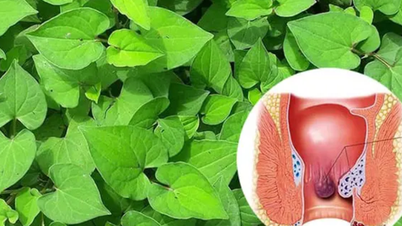
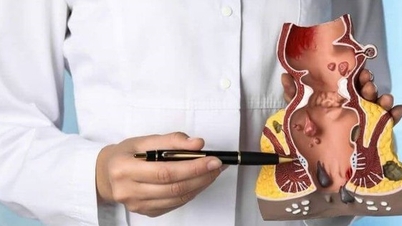
Hemorrhoids are one of the most common anorectal diseases today. The condition occurs when the venous plexuses in the anorectal region become excessively dilated and enlarged, forming hemorrhoidal lumps.
People with hemorrhoids often experience symptoms such as:
- Anal pain and burning.
- Bleeding during bowel movements.
- Chronic constipation.
- Prolapsed hemorrhoids.
- Itching and discomfort in the anal area.
In the early stages, the condition may only cause mild discomfort. However, if left untreated, it can lead to anemia, infection, thrombosed hemorrhoids, and seriously affect the quality of life.
7 reasons why hemorrhoids are becoming more common among younger people.
The main reason for the increasing prevalence of hemorrhoids among young people is due to changes in lifestyle and diet.
1. Lack of exercise, sitting for long periods.
This is the most common risk factor for developing hemorrhoids. Many young people spend most of their time sitting while studying, working on computers, or using their phones for extended periods. This prolonged sitting increases pressure on the anal-rectal area, hindering blood flow and making hemorrhoidal veins more prone to dilation.
In particular, office workers, drivers, and students are at high risk of developing the disease due to prolonged sitting and lack of physical activity.
2. Eating too little fiber
A diet lacking in green vegetables and fruits impairs digestive function, easily leading to constipation. When constipated, patients often strain during bowel movements, increasing pressure on the anal veins over time. This is a contributing factor to the formation of hemorrhoids.
Nowadays, many young people tend to eat fast food, fried foods, and processed foods, but they lack the fiber that is essential for their bodies.
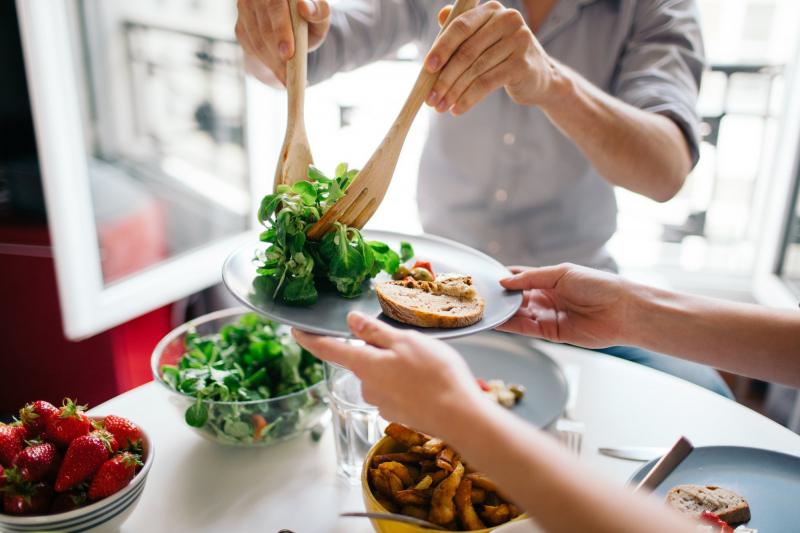
A diet lacking in green vegetables and fruits leads to inefficient digestive system function.
3. Not drinking enough water
Water plays a crucial role in the functioning of the digestive system. When the body is dehydrated, stool becomes dry and hard, making bowel movements difficult.
Many young people have a habit of drinking too little water, opting instead for sugary drinks, milk tea, or coffee. This not only increases the risk of constipation but also negatively impacts gut health.
4. Eating too much spicy food and drinking alcohol.
Spicy and heavily seasoned foods, or frequent consumption of alcohol, can irritate the lining of the digestive tract, disrupting bowel motility.
If this condition persists, it will increase pressure on the anal-rectal area and accelerate the progression of hemorrhoids.
5. The habit of holding back from going to the toilet.
Many people, due to busy work schedules or reluctance to use public restrooms, frequently hold back from defecating.
Holding back bowel movements causes stool to remain in the intestines for longer periods, becoming dry and hard, leading to constipation. This is one of the silent causes that increases the risk of hemorrhoids in young people.
7. Being complacent and reluctant to see a doctor.
One of the worrying issues is that young people often underestimate or are embarrassed when hemorrhoid symptoms appear. Because this is a sensitive area, many people self-medicate or endure the pain for a long time instead of seeking specialist medical attention. This causes the disease to worsen, leading to more pain and making it more difficult to treat.
Doctors warn that not all cases of rectal bleeding are hemorrhoids. Some dangerous conditions such as rectal polyps, ulcerative colitis, or colorectal cancer can also cause similar symptoms. Therefore, patients should absolutely not be complacent when experiencing unusual symptoms in the anal area.
How do hemorrhoids affect health?
Besides causing pain and inconvenience in daily life, chronic hemorrhoids can also lead to many complications such as:
Chronic anemia due to prolonged bleeding. Anal inflammation. Thrombosed hemorrhoids causing severe pain. Prolapsed and strangulated hemorrhoids. Impact on psychology and quality of life. Many patients feel self-conscious, avoid social interaction, or restrict movement due to prolonged pain and discomfort.
To prevent hemorrhoids, experts recommend adopting a healthy lifestyle and maintaining scientific daily habits.
- Increase the amount of fiber in your meals.
You should eat plenty of green vegetables, fresh fruits, whole grains, and legumes. Fiber helps soften stools, supports digestion, and reduces the risk of constipation.
- Drink enough water.
Each person should drink about 1.5-2 liters of water per day to maintain normal digestive function.
- Exercise regularly
Maintaining at least 30 minutes of physical activity each day helps increase bowel motility and improve blood circulation in the anal-rectal area. Gentle exercises such as walking, cycling, yoga, or swimming are all beneficial for health.
- Don't sit for too long.
If you work in an office, you should stand up and move around every 45-60 minutes to reduce pressure on the anal area.
- Limit alcohol and spicy foods.
Reducing consumption of fatty foods, spicy foods, and limiting alcohol use can help protect the digestive system better.
- Don't hold back from going to the toilet.
It's important to develop a habit of having bowel movements at regular times, avoiding holding back bowel movements or sitting on the toilet for too long. Hemorrhoids are completely preventable if everyone maintains a healthy lifestyle and proactively seeks early medical attention when experiencing unusual symptoms.
Source: https://suckhoedoisong.vn/thoi-quen-xau-khien-benh-tri-ngay-cang-tre-hoa-169260522120952703.htm

![[Image] Hanoi's urban life under the challenge of a "scorching hot" environment](https://vphoto.vietnam.vn/thumb/1200x675/vietnam/resource/IMAGE/2026/05/25/1779706979265_nang-nong-t5-2026-minh-duy-7-4636-jpg.webp)



![[Image] Close-up view of the interchange connecting the two expressways and Long Thanh Airport.](https://vphoto.vietnam.vn/thumb/1200x675/vietnam/resource/IMAGE/2026/05/25/1779703378210_ndo_br_z7863716673926-224453a31600126cce10622af6290afd-4549-jpg.webp)






















































































Comment (0)