

1. Uses of black alum leaves
- 1. Uses of black alum leaves
- 2. Some ways to use black alum leaves for health benefits
- 3. What special precautions should be taken when using black alum leaves?
According to traditional Vietnamese medicine texts, the leaves of the black alum tree have an astringent taste and a cooling nature, affecting the lung, liver, and large intestine meridians; they have the effects of clearing heat and detoxifying, promoting diuresis, relieving pain, and stopping bleeding; they are used in the treatment of boils, carbuncles, snake bites, insect stings, dysentery, diarrhea, painful urination, frequent urination, fever reduction, and bone and joint diseases…
From a modern scientific perspective, the leaves of the black alum tree can be considered a treasure trove of compounds with biological effects:
- Flavonoids: This is the prominent group of active compounds found in black alum leaves. Black alum leaves are rich in flavonoid derivatives such as quercetin, rutin, isoquercitrin, kaempferol, and astragalin... which have many notable effects such as antioxidant properties, free radical scavenging, anti-inflammatory effects, reducing swelling and pain, protecting blood vessels, and strengthening blood vessel walls.
- Tannins and phenolic acids: With typical active ingredients such as tannic acid, gallic acid, corilagin, and geraniin, they have astringent, hemostatic, and antibacterial effects.
- Triterpenoids and steroids: Such as friedelin, epifriedelanol, lupeol, betulin, β-sitosterol, and stigmasterol have analgesic and antipyretic effects, and also show potential in cancer prevention.
- Lignans and glycosides: Have liver-protective effects and support the treatment of diabetes.
In addition, the leaves of the black alum tree have been shown to contain many vitamins such as vitamin C, vitamin B1, B2, vitamin A, and many essential minerals for the body such as calcium, iron, potassium, zinc, copper, etc.
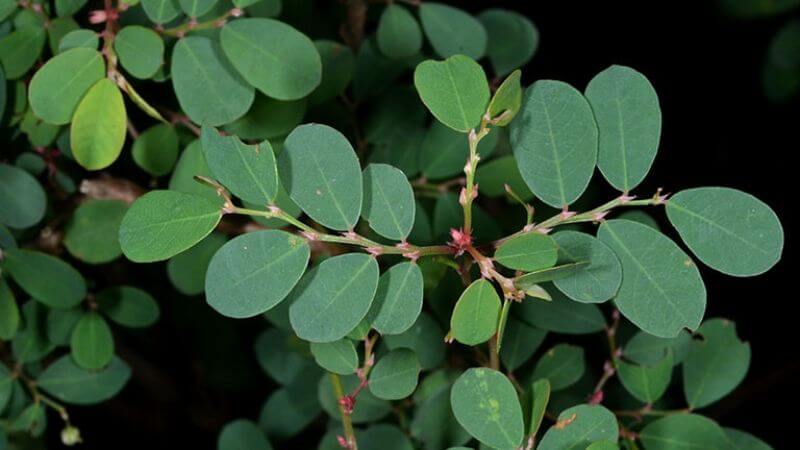
Black alum leaves are used to treat boils, carbuncles, and other skin infections.
2. Some ways to use black alum leaves for health benefits
2.1 Black alum leaves treat boils and carbuncles in the early stages of swelling.
Ingredients: 20g fresh black alum leaves, 20g fresh large-leaved duckweed.
Instructions: Wash the herbs thoroughly with diluted salt water, let them dry, then put both types of leaves into a mortar and grind them into a paste. Apply the paste directly to the affected area, securing it with a bandage for 30-60 minutes, 1-2 times a day.
Effects: When applied topically, a mixture of black alum leaves and large-leaved duckweed has the effect of clearing heat, detoxifying, reducing swelling, helping pimples to dry up quickly, and reducing redness, pain, and inflammation.
Note: Use only when the pimple is newly formed and has not completely broken open; if the pimple has already broken open, thorough cleaning and disinfection are necessary before applying the mask to avoid deep infection.
2.2 Black alum leaves treat injuries and bruises caused by impact.
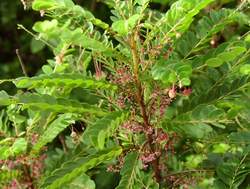
Ingredients: 30g fresh black alum leaves.
Instructions: Crush fresh leaves and apply to the injured area. You can add a little white wine to enhance its blood-dissolving properties; then, bandage it in place for 30 minutes.
Effects: The leaves of the black alum tree have the effect of promoting blood circulation, dispersing blood stasis, and relieving pain, helping to quickly dissolve blood clots under the skin.
2.3 Black alum leaves treat bleeding gums
Ingredients: 30g of fresh black alum leaves, a little coarse salt.
Instructions: Boil black alum leaves with 300ml of water, reducing the liquid to about 100ml. Dissolve a few grains of salt in the decoction. Use this decoction to gargle for 5-10 minutes, then spit it out and rinse your mouth with clean water. Repeat 2-3 times a day.
Effects: The leaves of the black alum tree have astringent, hemostatic, and antiseptic properties for inflamed gums.
2.4 Black alum leaves help treat hemorrhoids
Ingredients: A handful of black alum leaves, 5 bloodwort leaves, a handful of cypress leaves.
Instructions: Wash all the herbs thoroughly, chop them finely, and roast them until golden brown. Then, decoct them and drink one dose per day (divided into two servings). The remaining residue after decoction should be boiled again with water to use as a steaming and soaking solution for the anal area while still warm.
Effects: Black alum leaves combined with bloodwort and cypress leaves have the effect of clearing heat and removing stagnation, cooling the blood, shrinking hemorrhoids, and reducing bleeding during bowel movements.
Note: This method is most effective for grade 1 and 2 internal hemorrhoids. If there are signs of severe prolapse or infection, you should see a doctor for timely advice and support…
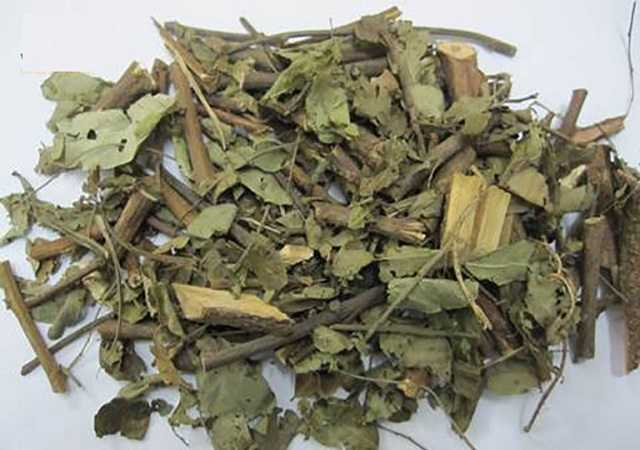
Black alum leaves can be combined with other medicinal herbs to help treat hemorrhoids.
3. What special precautions should be taken when using black alum leaves?
The leaves of the black alum plant must be thoroughly washed, dried, or roasted to reduce their cooling properties and some toxins before being brewed into a tea. When using it, avoid excessively high doses or prolonged use.
In addition, if symptoms such as dizziness or nausea occur during use, stop immediately and seek medical attention if necessary; use with caution for people with a weak constitution (weak stomach, frequent stomach pain, loose stools) as it may cause diarrhea or digestive disorders; absolutely do not use for pregnant women.
If you are currently using other Western medicines or remedies for chronic diseases, you should consult a professional to avoid unwanted drug interactions.
Source: https://suckhoedoisong.vn/4-bai-thuoc-chua-benh-tu-la-cay-phen-den-169260504101511384.htm




![[Photo] General Secretary and President To Lam presides over the meeting to approve the draft report on the results of the second inspection by the Politburo of the Standing Committee of the Hanoi City Party Committee.](https://vphoto.vietnam.vn/thumb/1200x675/vietnam/resource/IMAGE/2026/05/26/1779789811432_a2-bnd-4430-9620-jpg.webp)






































































































Comment (0)