

 |
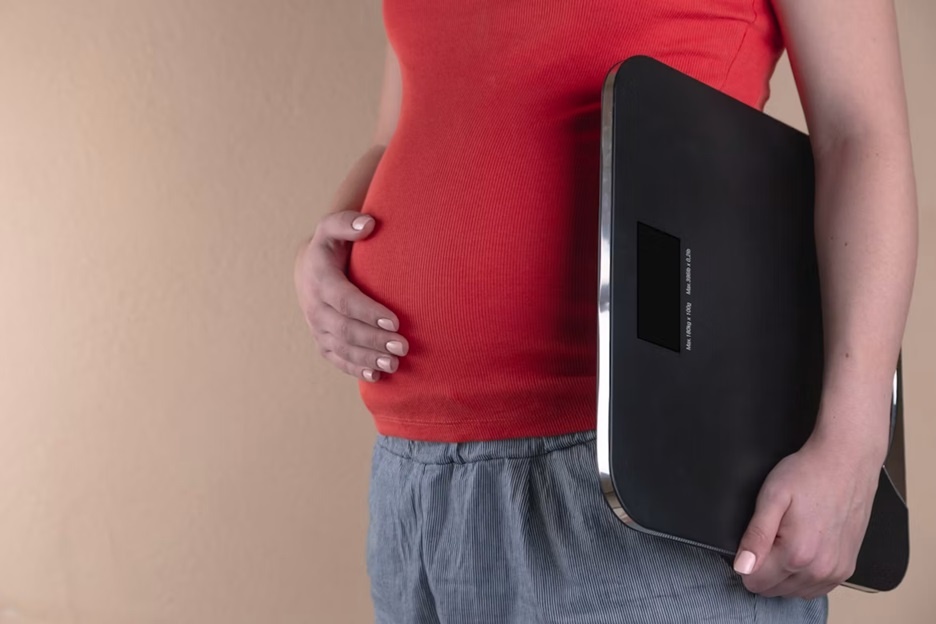
It's not true that the more weight a pregnant woman gains, the better. Photo: Unsplash . |
Weight gain during pregnancy is essential for the health of both mother and baby. However, according to Dr. Trinh Hong Son, Director of the Center for Nutrition Education and Communication at the National Institute of Nutrition, gaining too much or too little weight poses many risks to both the pregnant woman and the fetus.
Dr. Son stated that excessive weight gain during pregnancy can lead to a range of complications for expectant mothers, such as gestational diabetes, hypertension, preeclampsia, or the fetus growing too large, making natural childbirth difficult. After childbirth, mothers are also more likely to accumulate visceral fat, making it difficult to regain their figure and increasing the risk of long-term metabolic disorders.
This condition not only affects the mother but also has long-term effects on the child. Babies whose mothers gained excessive weight during pregnancy are at a higher risk of being overweight, obese, or developing metabolic diseases later in life.
Conversely, gaining too little weight can also lead to serious consequences. The fetus may suffer from intrauterine growth restriction, low birth weight, impaired brain development, reduced immunity, and stunted growth. In adulthood, children also have a higher risk of developing non-communicable diseases related to nutrition, such as diabetes or obesity.
According to the World Health Organization (WHO), the ideal weight gain during pregnancy depends on the mother's body mass index (BMI) before pregnancy. BMI is calculated by dividing weight (kg) by the square of height (m).
Based on pre-pregnancy BMI, the WHO provides the following recommended weight gain for singleton pregnancies:
- Thin women (BMI below 18.5): should gain 12.5-18 kg.
- Women with a normal BMI (18.5-24.9) should gain 11.5-16 kg.
- Overweight women (BMI 25-29.9): should gain 7-11.5 kg.
- Obese women (BMI 30 or higher): should only gain about 5-9 kg.
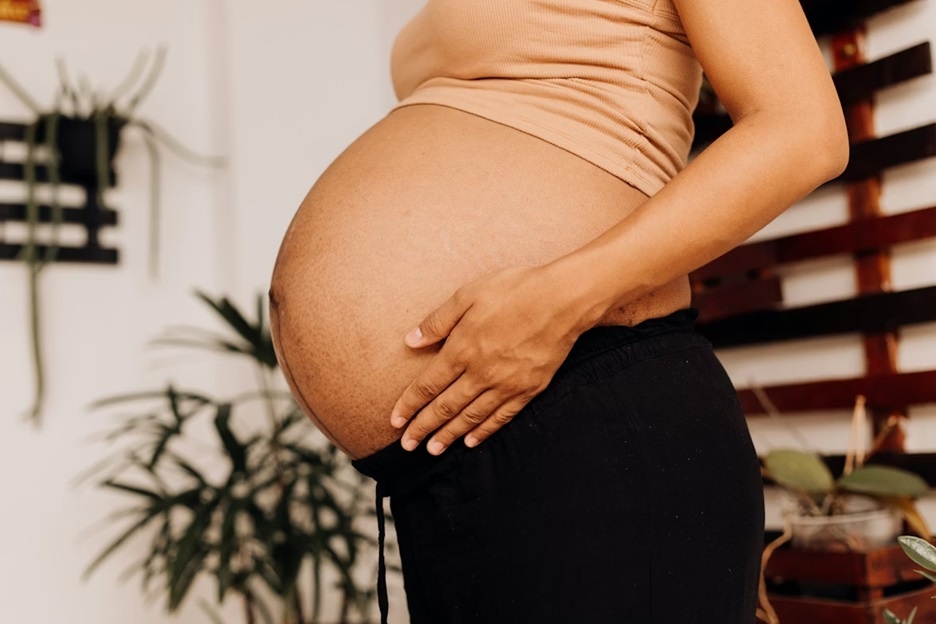 |
Improper weight gain can lead to a range of risks for both mother and baby. Photo: Unsplash. |
For example, a woman who weighed 56.5 kg and was 1.66 m tall before pregnancy would have a BMI of approximately 20.5, which is within the normal range. In that case, the appropriate weight gain during pregnancy should range from 11.5 to 16 kg.
According to the nutritionist, maintaining a healthy weight helps pregnant women stay healthier, reduces the risk of pregnancy complications, makes childbirth easier, and promotes better postpartum recovery. Simultaneously, it provides optimal conditions for the fetus's physical and intellectual development.
Dr. Son advises pregnant women to seek advice from a nutritionist if they experience symptoms such as weight gain that is too rapid or too slow compared to recommendations; risk of gestational diabetes or hypertension; underlying conditions such as obesity, dyslipidemia, or micronutrient deficiencies; or are unsure how to create a balanced and scientific meal plan.
"Weight management during pregnancy doesn't mean dieting. The important thing is to eat a balanced diet, in the right way, and scientifically. A proper diet combined with gentle exercise and maintaining a relaxed state of mind will help mothers have a healthy pregnancy, ensure the baby's holistic development, and make it easier for the mother to regain her figure after childbirth," said Dr. Son.
Source: https://znews.vn/tang-can-khi-mang-thai-bao-nhieu-la-vua-du-post1654293.html

![[Photo] Standing Committee member of the Party Central Committee Tran Cam Tu working with the Central Inspection Committee](https://vphoto.vietnam.vn/thumb/1200x675/vietnam/resource/IMAGE/2026/05/28/1779969579668_ndo_br_bnd-2495-jpg.webp)


































































































Comment (0)