

Speaking to clarify some issues raised by National Assembly deputies on the afternoon of November 23, Governor of the State Bank of Vietnam (SBV) Nguyen Thi Hong emphasized that the Law on Credit Institutions (amended) is a very difficult, complex, and sensitive law.
The Governor stated that, taking into account feedback, the draft law includes provisions to improve the governance of credit institutions, limit the rights of major shareholders, increase the responsibility of those participating in the board of directors and executive board, and enhance transparency of shareholder information.
According to Ms. Hong, there are still many differing opinions on special control and special lending, but this is a major issue that needs thorough research on a scientific and practical basis before being submitted to the National Assembly for approval at the next session.
The Governor of the State Bank of Vietnam also stated that reducing manipulation and cross-ownership in banking operations is a matter of great concern to the Party, Government , and National Assembly, and requires thorough handling of these issues.
Ms. Hong emphasized that comprehensive solutions are necessary to address this issue. The draft proposes reducing the individual ownership limit from 5% to 3%, but during discussions, some delegates argued that the 5% limit was unnecessary.
"Actually, simply regulating 5% is not enough; the most important thing is implementation," Governor Nguyen Thi Hong stated, adding that the State Bank of Vietnam has learned from recent events and developed solutions.
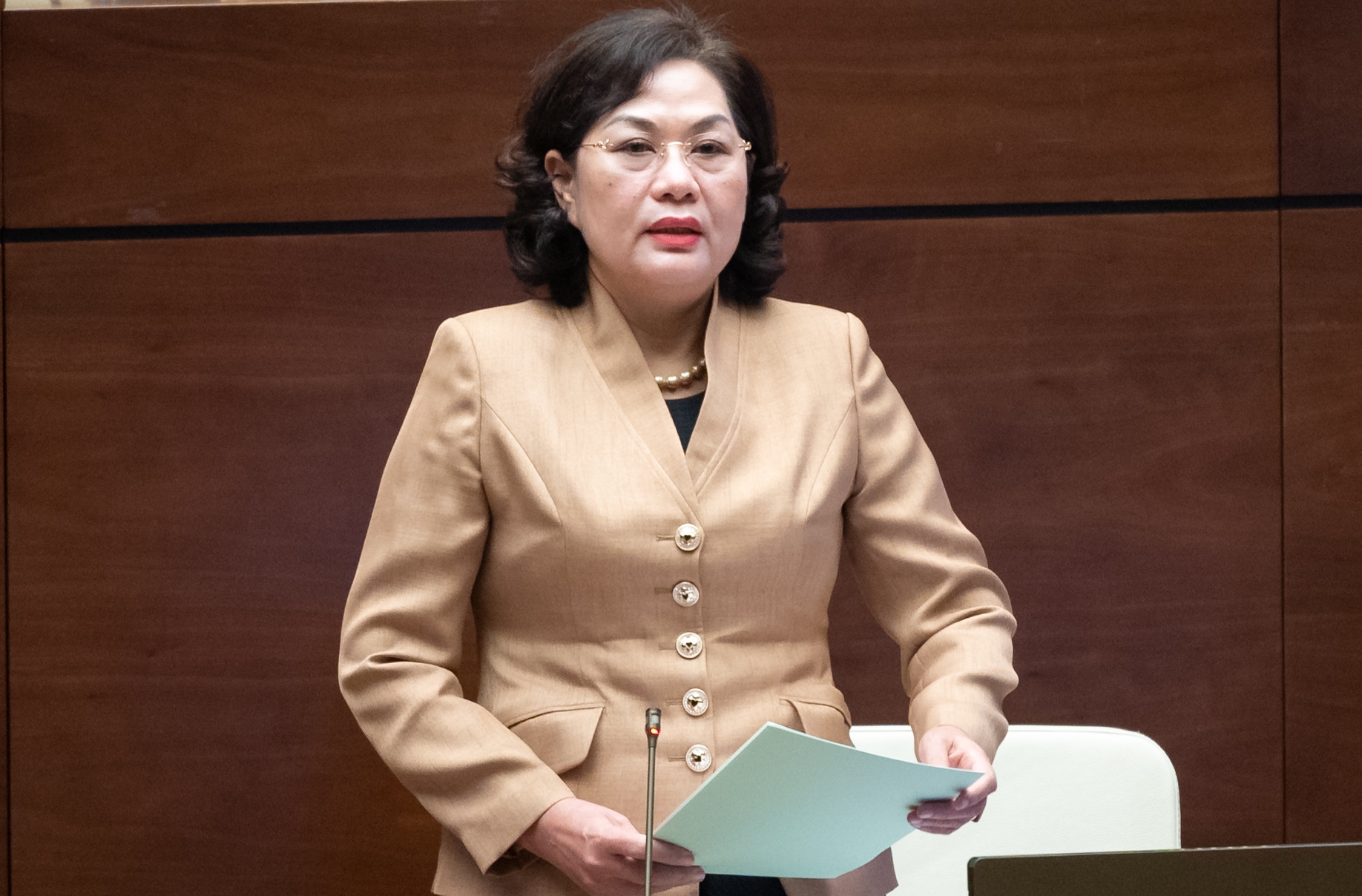
Governor of the State Bank of Vietnam, Nguyen Thi Hong (Photo: Quochoi.vn).
Agreeing with the delegates' opinions, Ms. Hong stated that the banking sector itself is insufficient, citing the regulation of 5% shareholding but the fact that "shareholders may intentionally use others to register shares in their names." Addressing and preventing such practices requires close coordination between banks and local regulatory agencies. In particular, transparency of information regarding businesses and individuals is crucial to identify their identities and connections to borrowers or bank shareholders.
Furthermore, the draft law states that transparency is necessary, requiring shareholders holding more than 5% of the shares to disclose their holdings publicly. Even ordinary shareholders holding significant stakes will be identified through public disclosure.
To reduce manipulation, the draft law stipulates a reduction in credit granting to customers and related parties from 15% to 10%. Some delegates suggested the need for a roadmap, and the drafting agency has proposed a roadmap for reducing the percentage. The Economic Committee and the Standing Committee of the National Assembly also commented, assigning the Government to provide detailed regulations.
Governor Nguyen Thi Hong affirmed that the State Bank of Vietnam recognizes and understands the need to strengthen inspection and supervision. Credit institutions have control and audit departments with the ultimate responsibility of supervising the activities of the Board of Directors and the executive management. In recent times, the State Bank of Vietnam has strengthened these departments to ensure they are the ultimate supervisors, not merely following the lead of the bank's owners.
Regarding early intervention, special control, and special lending, these are major issues regulated so that problems at credit institutions can be addressed.
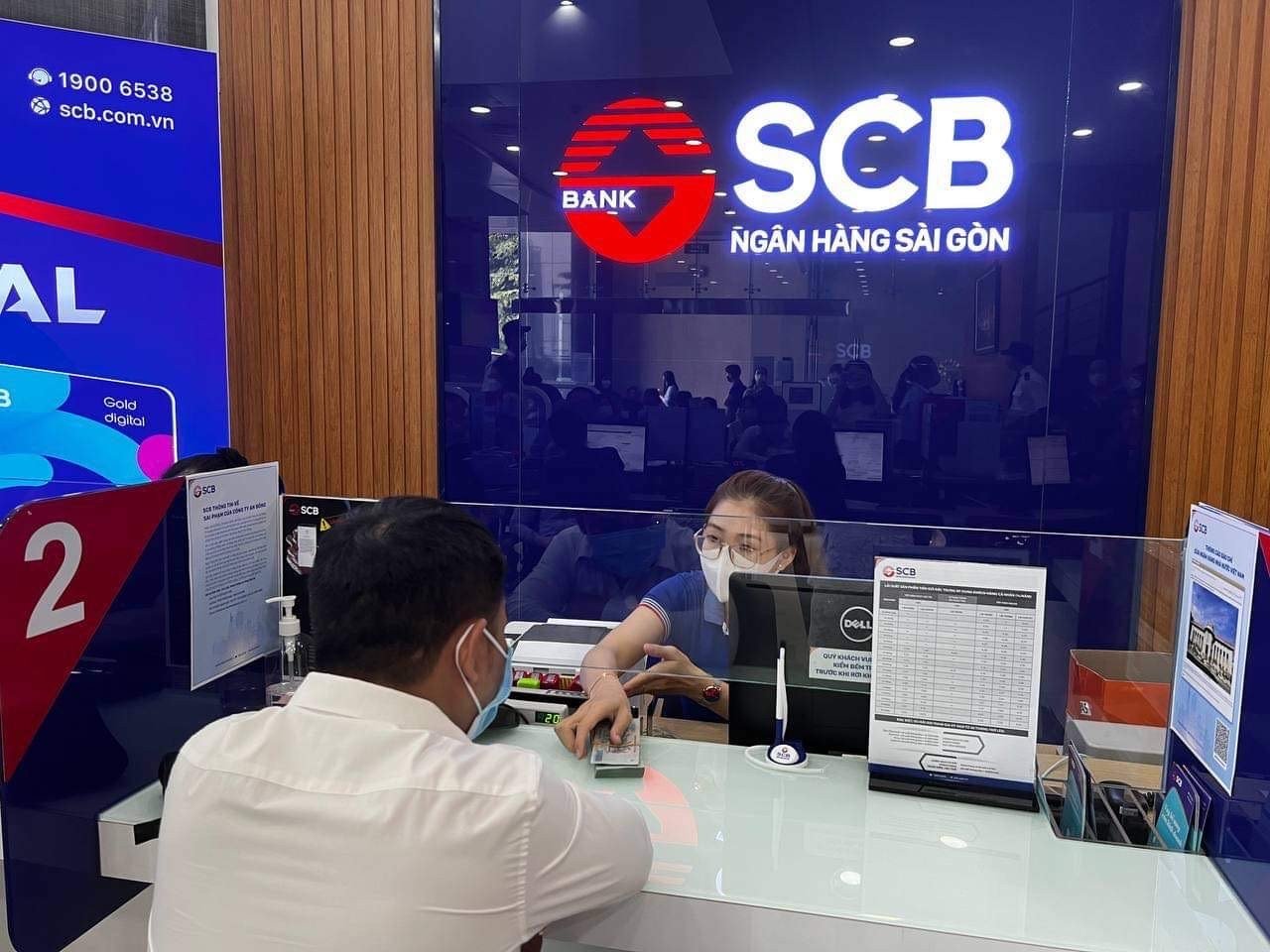
The case involving SCB Bank and Van Thinh Phat is one example of a very sophisticated form of cross-ownership.
Ms. Hong also stated that during the process of handling weak banks and SCB Bank, consultations with relevant ministries and agencies all involved questions about how these matters are regulated in the law. Therefore, without legal codification, implementation would be very difficult.
"Credit institutions themselves must be aware of their responsibilities and the potential risks and consequences. However, the drafting agency is also concerned because banking activities are financial intermediaries, and are very susceptible to contagion, affecting the safety of the system and national monetary security. If the law does not have regulations, it will be very difficult to take measures to handle the situation when necessary," the Governor stated.
After listening to the report, explanations, and feedback from the Standing Committee of the National Assembly and the opinions of National Assembly deputies, Governor of the State Bank of Vietnam Nguyen Thi Hong stated that there are still differing opinions on some issues in the draft law.
“These are major issues that require time for further thorough and careful research based on science and practice. Therefore, the National Assembly's decision not to approve the draft Law on Credit Institutions (amended) at this session is necessary to allow relevant agencies time to research, evaluate, and review it carefully before submitting it to the National Assembly for approval at the next session,” Ms. Hong said .
Source


































































































Comment (0)