With the high school graduation exam approaching, many students are entering the "final stretch," staying up late or even all night to study. However, international studies show that cutting back on sleep to study more can be counterproductive. In many cases, a good night's sleep can improve memory retention and exam performance more effectively than trying to cram at the last minute.
Common habits of students during exam season
In many Asian countries, from Vietnam and China to South Korea and Japan, the sight of students studying late into the night in preparation for important exams has become commonplace.
Competitive pressure, family expectations, and anxiety about exam results lead many students to choose to extend their study time by sleeping less. However, sleep experts say this is one of the most common mistakes during exam season.
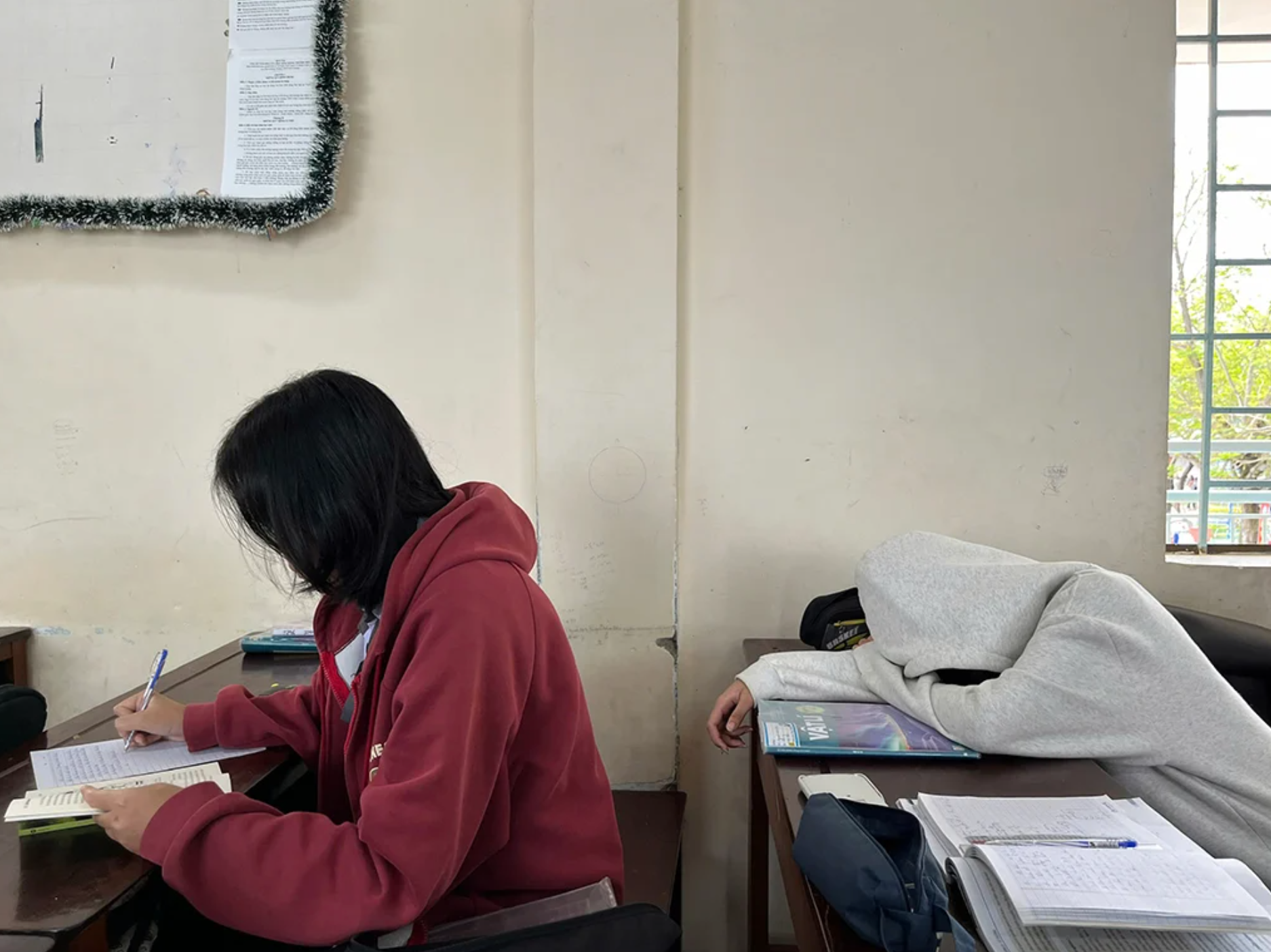
According to the American Academy of Sleep Medicine, teenagers aged 13-18 need 8-10 hours of sleep per night to ensure physical and mental health and learning ability. Prolonged sleep deprivation can affect memory, concentration, and cognitive performance.
The brain retains knowledge while we sleep.
Many students believe that sleeping is a "wasted" time during exam preparation. In reality, neuroscience shows the opposite.
Studies on memory show that sleep plays a crucial role in the process of "memory consolidation." This is the process by which the brain organizes, stores, and transfers newly learned information from short-term memory to long-term memory.
According to Harvard Medical School, while sleeping, the brain doesn't stop working but continues to process information received during the day. Knowledge learned before sleep is often remembered better thanks to this consolidation process.
In other words, studying for a few extra hours by sacrificing sleep may not be as effective as getting enough sleep to allow the brain time to process and retain knowledge.
What are the possible effects of one sleepless night?
Scientists say that even just one night of insufficient sleep can significantly impact cognitive abilities.



According to the U.S. Centers for Disease Control and Prevention, lack of sleep impairs attention span, reaction time, problem-solving abilities, and decision-making skills—all crucial skills in exams.

A study published in the journal Science of Learning also showed that students who slept less during the learning period tended to have lower academic performance compared to those who maintained a consistent sleep schedule.
Notably, the effects of sleep deprivation aren't always immediately apparent. Many people still feel alert and believe they can study effectively, while their actual cognitive performance has declined.
Lessons from countries with high exam pressure.
In South Korea, where the Suneung University entrance exam is considered one of the most stressful in the world, education experts often advise students to maintain a stable circadian rhythm in the weeks leading up to the exam instead of studying through the night.
In Japan, many cram schools also encourage students to adjust their sleep schedules to match exam times so that their bodies and brains are in the most alert state in the morning.
In China, during the Gaokao season, doctors frequently warn about the risk of exhaustion, anxiety, and decreased test-taking performance in students who stay up late for extended periods. Some localities even implement psychological and health counseling programs for test-takers before the exam.
The common thread in these recommendations is that effective learning does not mean prolonging study time at all costs.
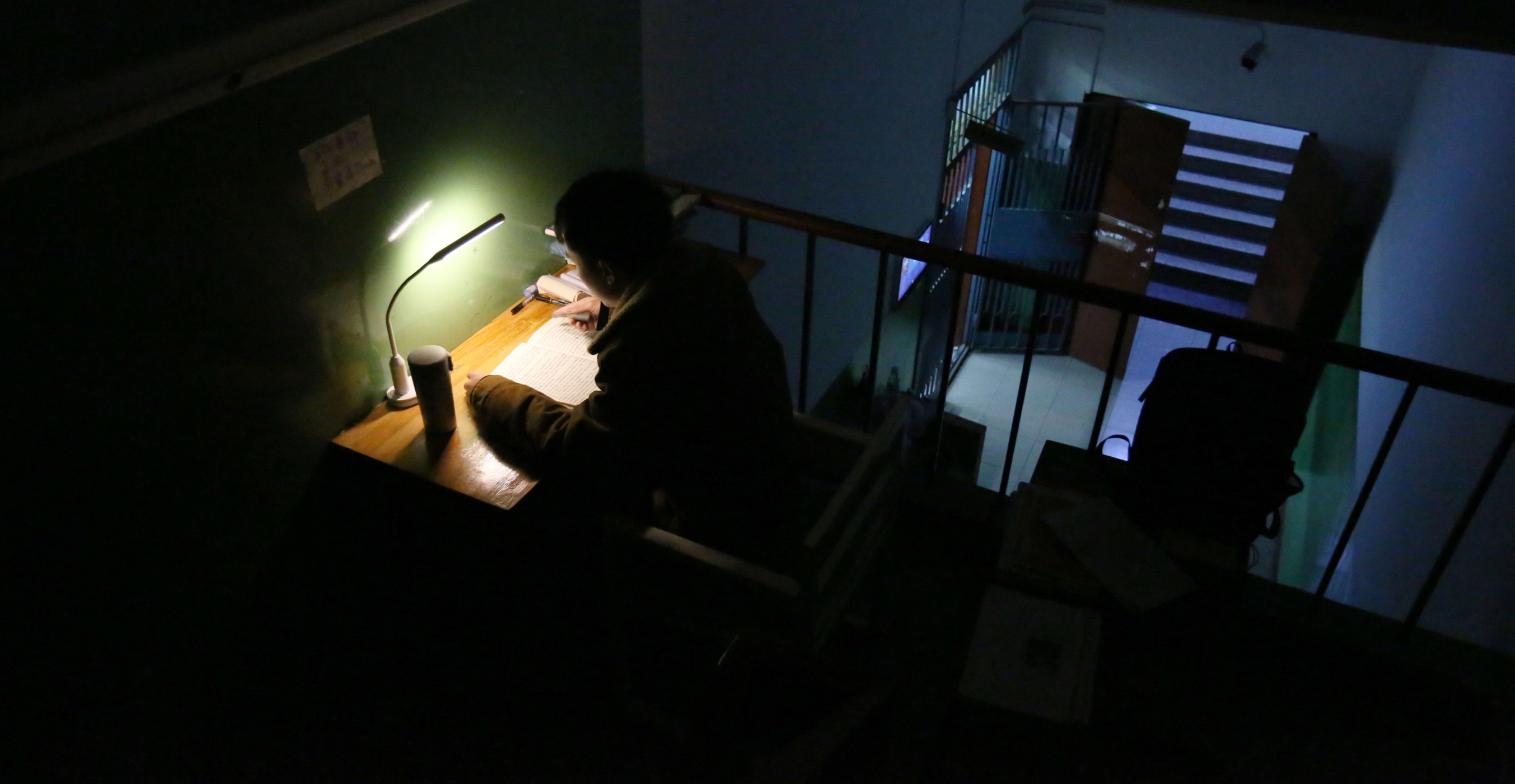
What should you do in the final days before an exam?
Education and health experts often offer a few simple recommendations for students during exam preparation:
• Maintain a consistent sleep and wake-up schedule each day.
Try to get 8-9 hours of sleep each night.



• Avoid studying too late at night in the 2-3 days leading up to the exam.
• Limit the use of phones or electronic devices right before bedtime.
• Avoid excessive consumption of coffee and energy drinks.
• Eat a full breakfast on the day of the exam.
The most important thing is not to try to "catch up" on all the knowledge on the last night before the exam.
As the high school graduation exam approaches, staying up all night might give students a feeling of having tried their best. However, current scientific evidence shows that a good night's sleep can help the brain perform much better than several hours of studying while exhausted. Therefore, the best thing students can do for the next day's exam is to go to bed on time.
Source: https://daibieunhandan.vn/thuc-trang-dem-on-thi-loi-bat-cap-hai-10419503.html


![[Photo] "Hanoi Lotus Festival" honors the lotus flower that has been associated with Vietnam for thousands of years.](https://vphoto.vietnam.vn/thumb/1200x675/vietnam/resource/IMAGE/2026/06/27/1782516943048_sen-ha-noi-2026-minh-duy-1-jpg.webp)