

According to the Hanoi Oncology Hospital, targeted therapy is a modern method in cancer treatment. Instead of using traditional chemotherapy that attacks both cancerous and healthy cells, targeted therapy focuses on the specific weaknesses of cancer cells.
It could be a gene, a protein, or an abnormal signal that only cancer cells possess.
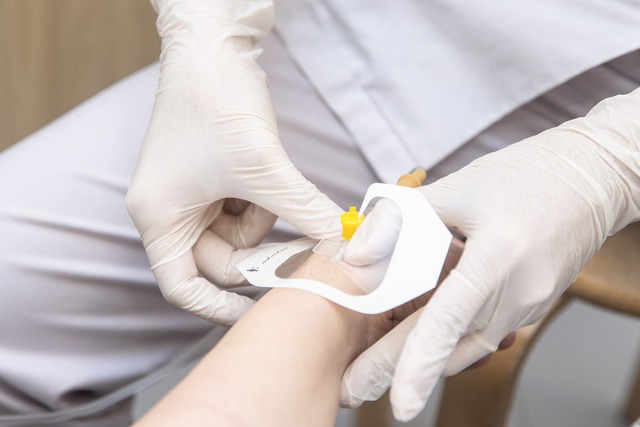
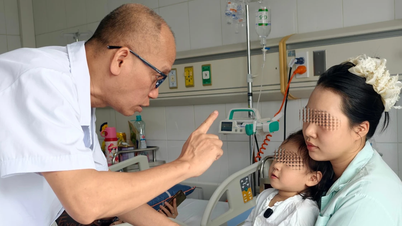
Cancer patients need to consult with their doctor to choose the optimal treatment method that best suits their condition.
PHOTO: TUAN MINH
Thanks to this approach, targeted therapy is more effective at destroying cancer cells. At the same time, it causes less harm to healthy cells, helping to reduce unpleasant side effects for patients.
In terms of mechanism of action, targeted therapies can: block abnormal signals that instruct cancer cells to grow and multiply rapidly. Thus, the tumor will be unable to develop.
Targeted therapies block the formation of new blood vessels. These blood vessels are essential for supplying oxygen and nutrients to the tumor. Without sufficient "food," the tumor will struggle to survive and grow.
These drugs deliver chemotherapy drugs directly to cancer cells, binding the chemotherapy drugs to specific antibodies for precise delivery to the cancer cells.
For certain types of cancer that require hormones to grow (such as breast cancer, prostate cancer, etc.), targeted therapy blocks or cuts off the supply of those hormones, causing the tumor to shrink.
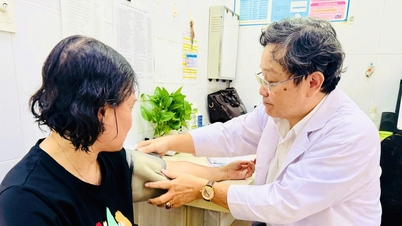
Appropriate prescription based on patient condition.
According to the Hanoi Oncology Hospital, before deciding on targeted therapy, doctors need the patient's test results to identify the unique characteristics of the cancerous tumor (called "biomarkers" or "target sites"). If the tumor has "target sites" that the drug can attack, the chances of successful treatment with targeted drugs are higher. Targeted therapy acts like an "arrow" that goes to the specific weak points of cancer cells, thus more effectively destroying the tumor.
Because the drug only attacks cancer cells with specific "target sites," it causes less damage to other healthy cells in the body. This helps reduce unpleasant side effects compared to conventional chemotherapy.
But targeted therapy is only effective when the cancerous tumor has a "target site" that the drug is aiming for. The drug is ineffective if the tumor does not have a suitable "target site".
Even when the treatment is effective, there is still a risk of drug resistance. After a period of treatment, cancer cells can change and become "smarter," finding ways to "evade" the medication. At that point, the drug will gradually lose its effectiveness, a phenomenon known as "drug tolerance" or "drug resistance."
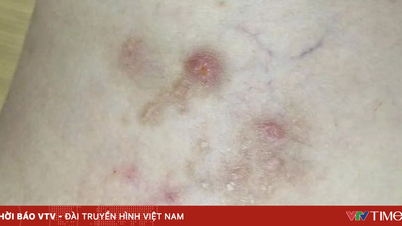
In addition, targeted therapies can still cause side effects. Although usually milder than chemotherapy, patients may still experience side effects such as diarrhea, liver dysfunction, or side effects on the skin and mucous membranes.
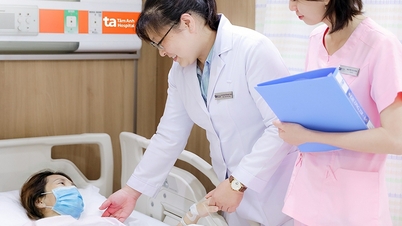
Each patient is a unique case. The doctor will help the patient get the necessary tests, provide advice, and work with the patient to choose the best and most appropriate treatment method for their condition.
Source: https://thanhnien.vn/thuoc-dich-co-the-tri-cac-loai-ung-thu-185260502175944374.htm




























































































Comment (0)