

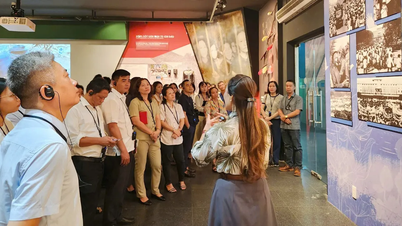
1. Sharing about the principles and direction of this long trip, journalist Tran Thi Kim Hoa, in charge of the Vietnam Press Museum, said: The Museum's trip has collected over 100 documents, artifacts, and images of press from Tra Vinh , Vinh Long, and An Giang provinces in particular, and the press of the Mekong Delta region in general, throughout various periods. This serves the goal of introducing the press exhibition space of 63 provinces and cities in the Museum's permanent exhibition system, as well as thematic exhibitions commemorating the 100th anniversary of the Vietnamese Revolutionary Press Day (1925 - 2025) and the 75th anniversary of the founding of the Vietnam Journalists Association (1950 - 2025).
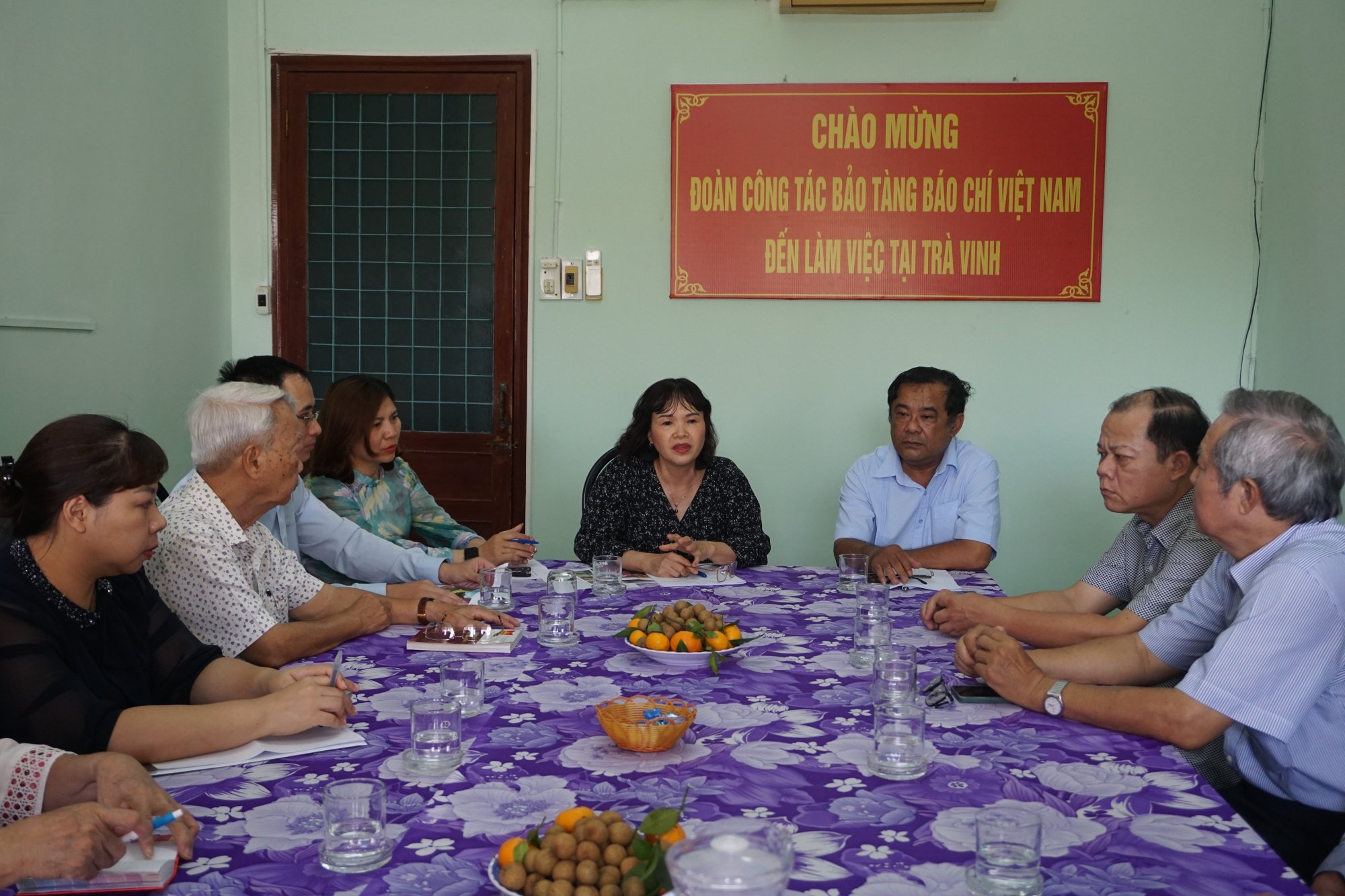
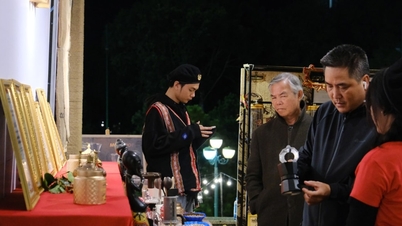
The Vietnam Press Museum is working with the leaders of the Tra Vinh Journalists Association and veteran journalists.
According to journalist Tran Thi Kim Hoa, in parallel with welcoming visitors and organizing events, seminars, and thematic exhibitions, the Vietnam Press Museum continues to promote its plan to collect images, documents, and journalistic artifacts from various periods to enrich the exhibition space of press publications from 63 provinces and cities in the museum's permanent exhibition system, better serving the needs of domestic and international visitors.
“When visiting the Museum, through exploring the development of journalism in provinces and cities, visitors can gain a deeper understanding of the country's history, its people, the history of the tenacious and heroic revolutionary struggle of localities and regions across the country, as well as typical journalistic publications from various periods, which are richly presented in the Museum's exhibition spaces,” journalist Tran Thi Kim Hoa expressed her expectations.
2. In each province, the delegation held working sessions with veteran journalists, the Journalists' Association, Party newspapers, radio and television stations, literary and art magazines, museums, and libraries. At each location, stories about the history of journalism associated with each locality were vividly recounted through real people, events, and valuable artifacts. Receiving the delegation in Tra Vinh, the Chairman of the Provincial Journalists' Association, Tang Chi Huan, and the Vice Chairman, Son Hung, introduced the history of journalism in Tra Vinh, the role of information guidance, and the ideological work of the press in the province, especially in areas with a large ethnic minority population.
The leaders of the Tra Vinh Journalists Association facilitated the delegation's collection of publications and digitized copies of Anh Dung, Vinh Tra, and Tra Vinh newspapers, reflecting the development of journalism in the province. From this meeting, museum staff were able to visualize a glimpse into the flow of journalism nationwide. Tra Vinh journalism began with the establishment of the Tra Vinh Provincial Party Committee in 1930 with the newspaper Co Bua Liem (Hammer and Sickle); then, during the resistance war against the French, the Tra Vinh newspaper was founded in 1947 under the direct management of the Information and Propaganda Department. In 1960, after the establishment of the Tra Vinh Provincial National Liberation Front Committee, the Tra Vinh Provincial Propaganda Department also established the Press and Information Subcommittee and published the Anh Dung newspaper. In February 1976, Tra Vinh and Vinh Long provinces merged to form Cuu Long province. The Anh Dung Newspaper (Tra Vinh province) and the Vinh Long Giai Phong Newspaper (Vinh Long province) were also merged into the Vinh Tra Newspaper, which was later renamed Cuu Long Newspaper. After the province was divided again in 1992, Tra Vinh's press agencies were reorganized and have been operating continuously until today.
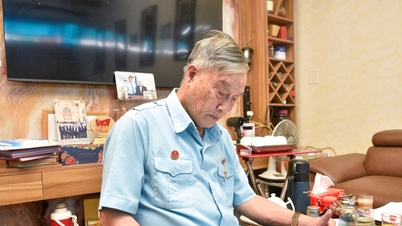
During their visit to Vinh Long province, the delegation explored documents and artifacts related to Vinh Long's press from 1928 to 2023. Journalist Nguyen Thi Hong Thu, Permanent Vice President of the Provincial Journalists Association, along with veteran journalists from Vinh Long province and representatives from press agencies, museums, and libraries, shared many interesting stories about journalism, images, and documents about Vinh Long's press, providing the delegation with additional materials for the activities being carried out by the Vietnam Press Museum.
After the working session, the delegation visited press agencies, the Provincial Library, and the Provincial Museum to collect images and artifacts related to journalistic activities throughout different periods. The newspapers that were precursors to Vinh Long's journalism appeared after the establishment of the first Party branch at Long Ho Crossroads (in 1928), and other information agencies, regardless of their names, all under the same name, undertook the task of disseminating the Party's guidelines and policies. Exposing the conspiracies and crimes of the enemy and encouraging the revolutionary action movement of the people in the province… These included the newspapers Cong Nong Binh (from 1929), Lao Kho (from 1930), Chien Thang (from 1946), Thong Tin Vinh Long (from 1947), Thong Tin Vinh Tra (from 1951), and continuing during the resistance war against the US with the names: Hoa Binh Thong Nhat (from 1954), Ken Giai Phong (from 1960), Giai Phong (from 1965), Quyet Thang (from 1968), then renamed Vinh Long Giai Phong after the historic victory on April 30, 1975, and currently Vinh Long Newspaper… Along with that, the Provincial Radio and Television Station and Cuu Long Magazine became important media channels that contributed significantly to the development of the province.
After the complete liberation of South Vietnam, the departments of the Press and Information Subcommittee were separated into the Vinh Long Liberation Newspaper, directly under the leadership and management of the Provincial Party Committee; the Vinh Long branch of the Vietnam News Agency, belonging to the Vietnam News Agency; and the remaining departments were transferred to the Provincial Department of Information and Post.
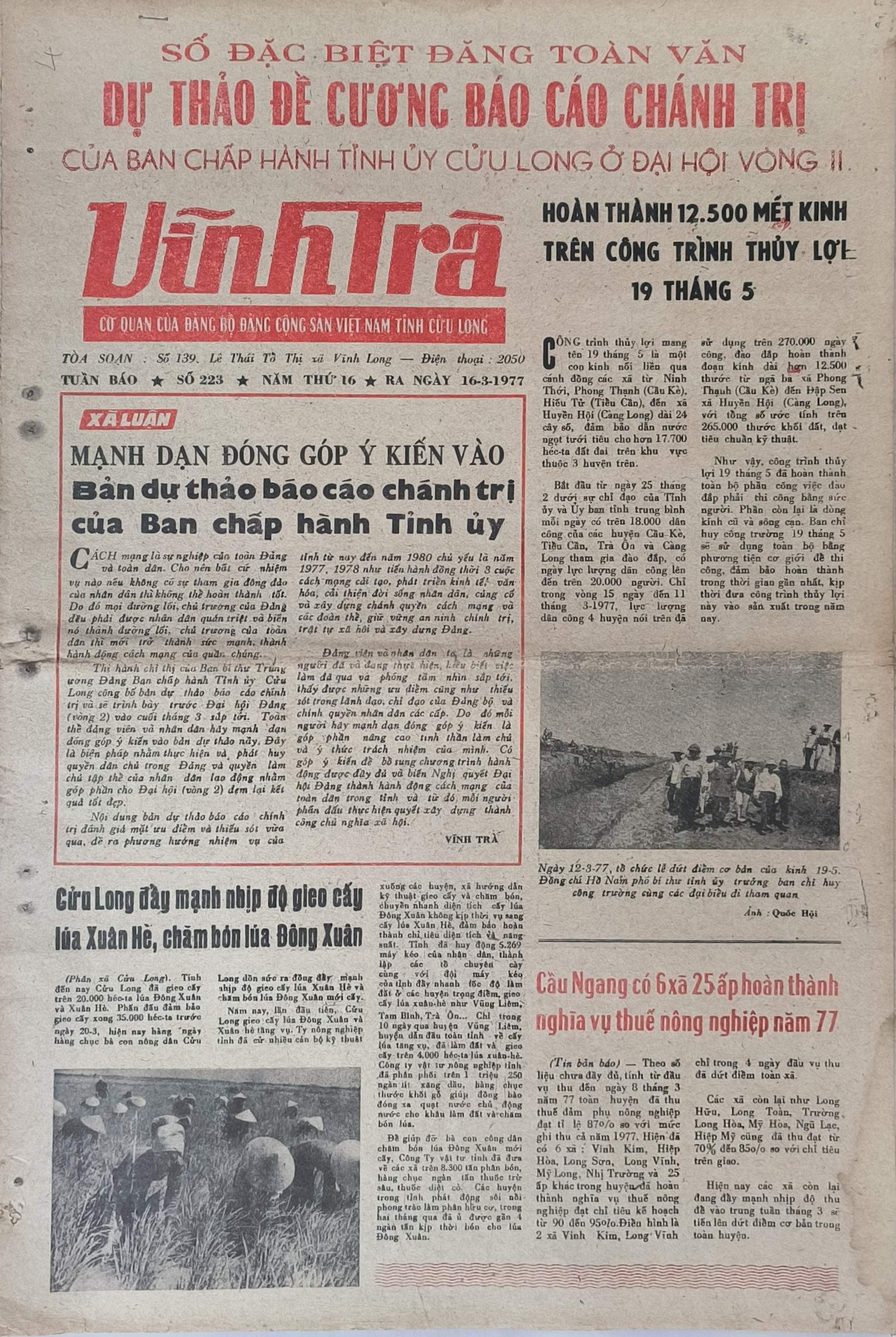
Vinh Tra newspaper, published on March 16, 1977.
3. Sharing their impressions from the artifact-finding journey, Quang Minh Museum staff said: "What we are most proud of is having the opportunity to travel, visit, experience, and see so much valuable material about Vietnamese revolutionary journalism. One of the destinations that left a lasting impression was An Giang. The Chairman of the Provincial Journalists Association, Tan Van Ngu, and representatives from various media agencies received the delegation and presented many documents and artifacts about An Giang journalism, such as publications of An Giang Newspaper from different periods, commemorative books and artifacts from the provincial radio and television station, That Son Magazine of the Union of Literature and Arts, and many publications from districts, towns, and agencies in the province. An Giang's media agencies matured during the resistance war, were systematically organized after the country's reunification, and have always kept the revolutionary spirit alive through every word until today."
…The revolutionary fervor expressed through each word seems to have greatly motivated those working at the Museum to continue their journey of searching for artifacts related to journalism in provinces and cities across the country. Entering 2024, the unit's key tasks include organizing events and thematic exhibitions at the National Press Conference and on major national holidays, leading up to the 100th anniversary of the Vietnamese Revolutionary Press Day and the 75th anniversary of the Huynh Thuc Khang School of Journalism; continuing to focus all resources on maximizing the historical value of the country's journalistic heritage, successfully implementing the project to restore and preserve the national historical site of the Huynh Thuc Khang School of Journalism, and other major programs…
Furthermore, the Museum will continue to streamline its visitor guidance and reception activities, enhance the organization of seminars, exchanges, and professional experience sharing with visiting groups; continue to promote the Museum's activities to the public through the Museum's communication channels, mass media, and events organized by the Museum; and focus on online communication and public education. It will maintain regular contact with domestic and international organizations, strengthen professional cooperation, and prioritize in-depth and broad communication about the history of journalism to the general public and international friends…
In particular, the leaders of the Press Museum also emphasized that the artifact search trips will continue to be maintained, and this will be a key task for the unit in 2024. The museum plans to continue collecting artifacts in the remaining provinces of Lai Chau, Hung Yen, Hai Duong, Ha Nam, Nam Dinh, Hau Giang, and Tien Giang… as a way to best preserve the "revolutionary spirit" in the artifacts, and also to keep the passion for the profession alive for those working at the Press Museum.
May River - Minh Than
Source

















![[Photo] Prime Minister Pham Minh Chinh presides over the conference announcing the establishment of the International Finance Centre in Vietnam.](/_next/image?url=https%3A%2F%2Fvphoto.vietnam.vn%2Fthumb%2F1200x675%2Fvietnam%2Fresource%2FIMAGE%2F2025%2F12%2F21%2F1766309817714_ndo_br_dsc-3400-jpg.webp&w=3840&q=75)






























Comment (0)