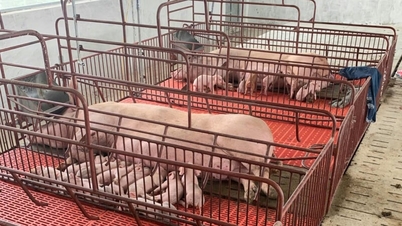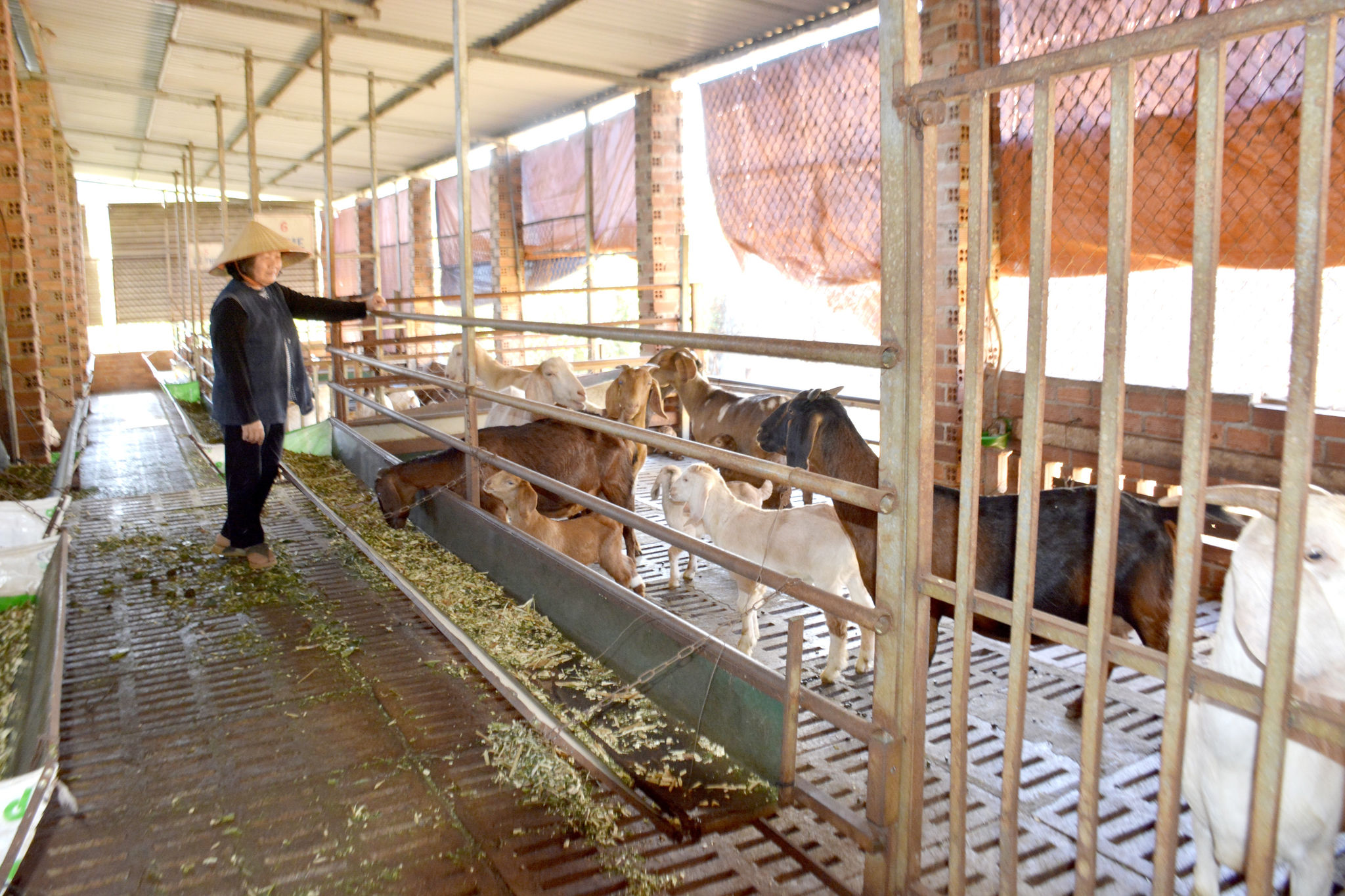
In Dak Sak commune during the first months of 2026, the livestock sector recorded stable development with a herd of over 18,100 head of cattle and 357,000 head of poultry, including an increase of approximately 5,000 head of pigs and about 94,000 head of poultry compared to December 2025.
According to Mr. Nguyen Van Pho, Chairman of the Commune People's Committee, approximately 80% of the total livestock and poultry population belongs to farms, including 14 relatively large-scale farms. In the first months of the year, the commune continued to encourage and support businesses to develop large-scale livestock farming.
In addition to providing support with paperwork and procedures for the farm's operation, the local authorities also do a good job of inspecting and monitoring to ensure disease safety and environmental protection. The specialized department does a good job of disinfecting the environment, providing veterinary hygiene, and administering vaccines, so dangerous diseases have not occurred. As a result, livestock farming in the commune is currently showing a stable development trend, promising high efficiency by the end of the year.
In Quang Tan commune, livestock farming activities continue to remain stable. Disease prevention and control measures for livestock are being implemented with due attention. The total livestock population in the commune currently stands at approximately 62,000 animals, an increase of about 2,500 compared to the same period last year. The output of live meat for slaughter reached 1,463 tons, nearly 50% of the annual plan. According to Mr. Nguyen Xuan Lam, from Hamlet 1A, Quang Tan commune, he currently raises 4,000 egg-laying chickens, and his family prioritizes disease safety through feed, supplies, and vaccines to ensure the livestock thrive.


According to the Lam Dong Department of Livestock and Veterinary Medicine, in the first six months of 2026, although some disease outbreaks occurred, they were quickly controlled and did not spread widely. The total livestock and poultry population developed stably, with most types of livestock increasing compared to the same period. In addition, the prices of livestock products were relatively stable in the early months of the year, so people maintained and expanded their scale of operations.
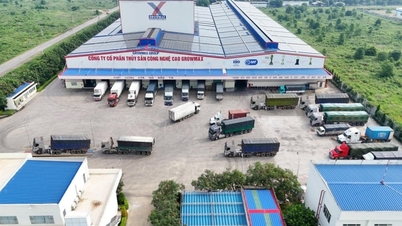
With strengthened linkages in livestock farming and significant potential for further development, the area has attracted many investors.
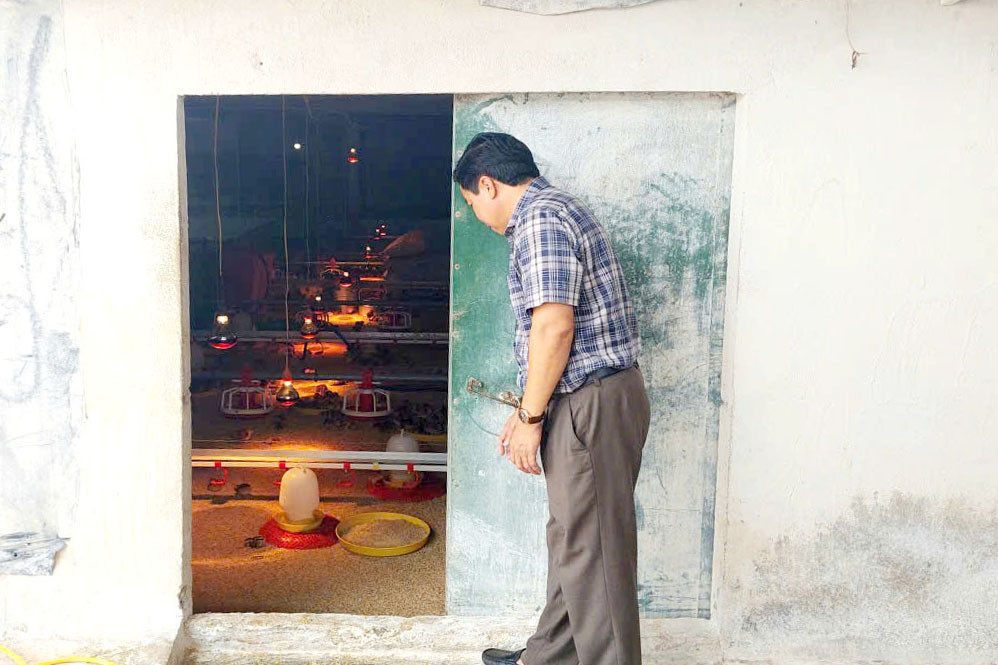
According to Mr. Nguyen Viet Vui, Deputy Head of the Provincial Department of Livestock and Veterinary Medicine, the livestock population is trending towards increasing cattle herds while maintaining pig herds due to limited room for further development and the need for higher stocking densities. In general, livestock farming is being promoted towards industrial, modern, safe, and sustainable practices, with proactive disease prevention and control. All forms of livestock farming must increasingly adopt scientific and technological advancements while protecting the ecological environment.
The province's livestock industry is projected to undergo a strong shift towards large-scale, bio-secure farm-based production with modern technology and efficient management, better meeting food safety and quality requirements. The increase in herd size and the continuous improvement in product quality are positive signs, contributing to the goal of achieving a GRDP growth rate of 5.6-5.7% per year for the livestock sector and a 13-14% share of the agricultural sector's internal structure by 2026.

In the first six months of the year, the total livestock population in the province reached 1,995,900 head, achieving 97.4% of the annual plan, an increase of 4.75% compared to the same period last year. Of particular note, the pig population increased significantly to 1,541,500 head, reaching 96.9% of the annual plan, an increase of 5.4% compared to the same period last year.
Source: https://baolamdong.vn/tin-hieu-lac-quan-tu-chan-nuoi-449778.html
![[Photo] Prime Minister Le Minh Hung presides over the thematic session on promoting science and technology development and innovation.](https://vphoto.vietnam.vn/thumb/1200x675/vietnam/resource/IMAGE/2026/06/23/1782207872934_ndo_br_dsc-1724-jpg.webp)