

Improve service quality
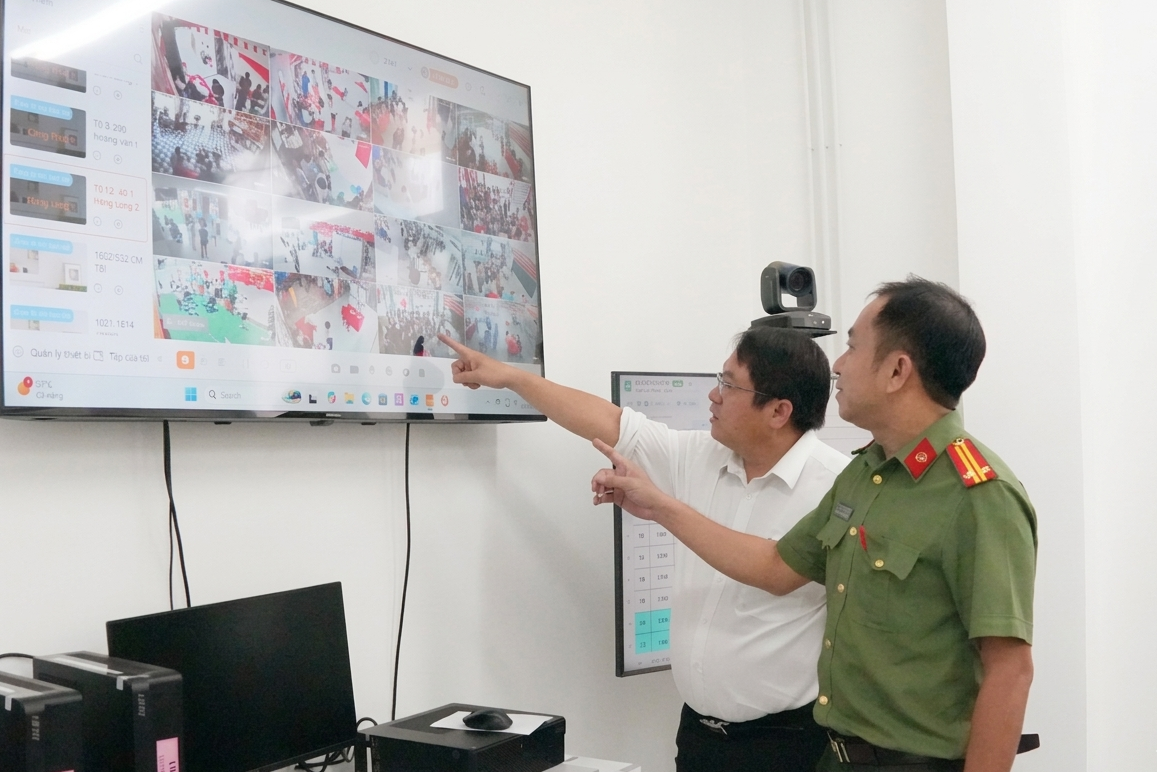
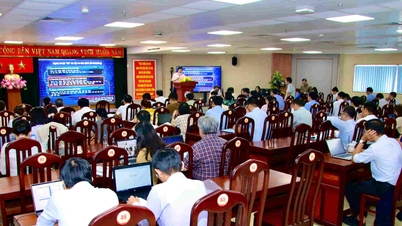
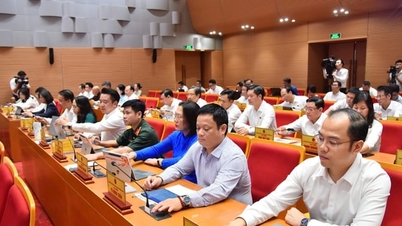
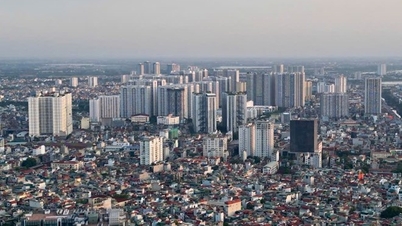
Ho Chi Minh City identifies digital transformation as one of the key drivers for promoting socio -economic development and improving urban governance efficiency. The city aims to maintain its position among the leading localities nationwide in digital transformation, while simultaneously building a synchronized digital government, digital economy, and digital society.
According to the Ho Chi Minh City Department of Science and Technology, to realize this goal, the city has implemented many solutions, from improving information technology infrastructure and developing shared databases to digitizing work processes in government agencies. Data centers, cloud computing infrastructure, dedicated data transmission networks, and digital platforms serving operations have been synchronously connected with the national digital infrastructure.
The city has also completed the investment in information technology infrastructure for 168 commune, ward, and special zone People's Committees and Public Administrative Service Centers. More than 8,500 5G BTS stations have been put into operation, ensuring coverage of approximately 95% of areas in need; telecommunications and fiber optic infrastructure has covered all neighborhoods and hamlets in the city.
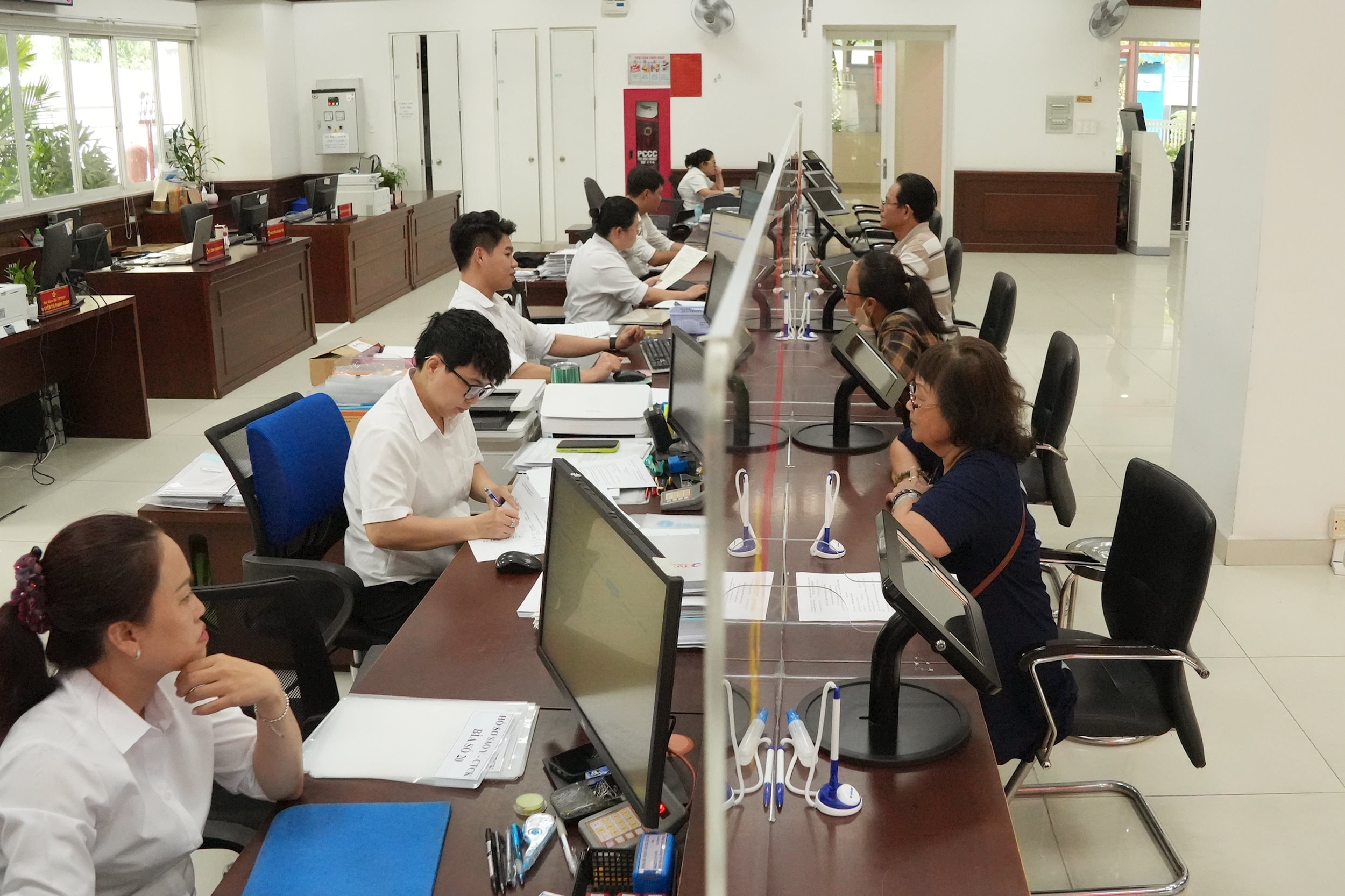
Along with infrastructure investment, many digital platforms serving citizens and businesses have been put into operation, such as the administrative procedure processing system, the 1022 feedback portal, the Ho Chi Minh City Digital Citizen application, and the city-wide interconnected electronic document management system.
In the first five months of 2026, nearly 1.5 million administrative procedure applications were received through the system, of which approximately 1.3 million were processed online. The citizen satisfaction rate reached 96.5%.
These changes are becoming increasingly noticeable to the people. Ms. Nguyen Thi Thanh Huong, a resident of Dong Hung Thuan ward, said that previously, each time she had to complete administrative procedures related to civil registration or document authentication, she had to travel multiple times to supplement her application. Now, many procedures are done online, and people can track the status of their applications directly on their phones, making it much more convenient.
According to Ms. Huong, submitting applications online significantly saves time and travel costs, while also reducing the long waiting times experienced previously.
Changing the way cities operate
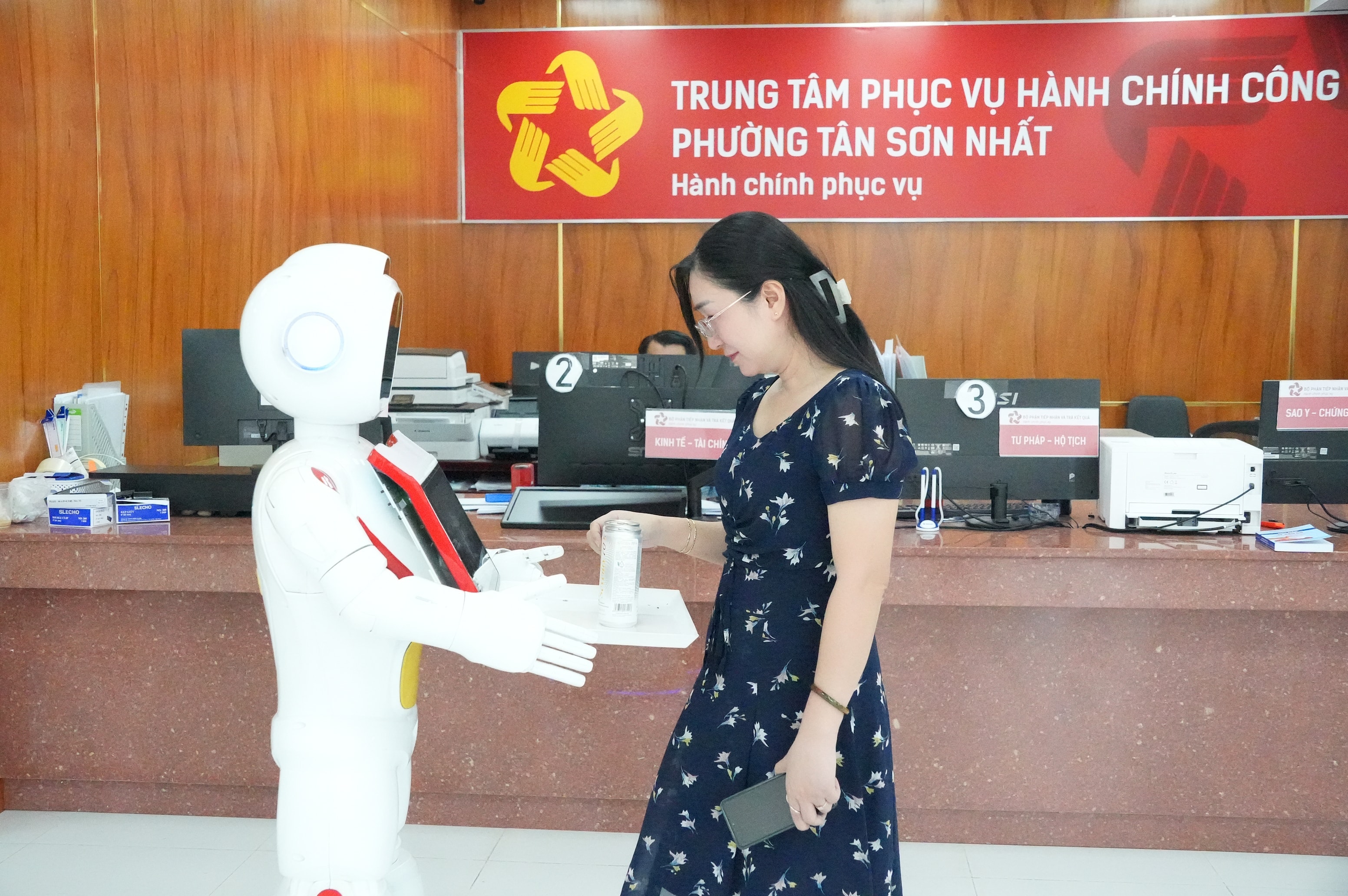
Digital transformation is being applied increasingly widely to urban management and public services, not just in the administrative sector.
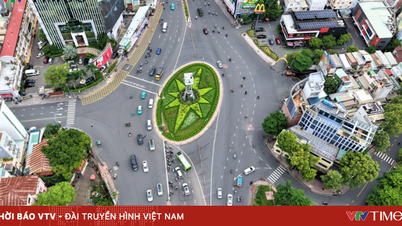
In the transportation sector, the Intelligent Traffic Management Center currently manages over 1,000 cameras and an automated monitoring system at 216 key intersections. The application of artificial intelligence to adjust traffic light cycles and operate the "green wave" system has helped increase traffic flow on many major roads by 10-15%.
In the healthcare sector, Ho Chi Minh City currently has 163 out of 164 hospitals implementing electronic medical records; more than 3.1 million health records are integrated into the VNeID application. Hundreds of thousands of health records for the elderly, referral letters, and follow-up appointment slips have been digitized, facilitating the process of medical examination and treatment for the people.
In the field of maintaining security and order, the SOS Security and Order application, integrated with Help 114 and the Digital Citizen application, is becoming an effective support tool for citizens when they need to report or seek emergency assistance. The processing time for many reports has been significantly shortened thanks to the location tracking and automatic coordination mechanism.
Mr. Nguyen Minh Tuan, a resident of Trung My Tay ward, said that the Digital Citizen application has become a convenient channel for interaction between citizens and the government. According to Mr. Tuan, in addition to looking up administrative procedures, the application also supports submitting feedback on urban infrastructure, environmental sanitation, and many other social issues.
"When I discover issues related to road surfaces, lighting, or the environment, I can submit feedback directly through the app instead of having to go to the authorities as before," Mr. Tuan shared.
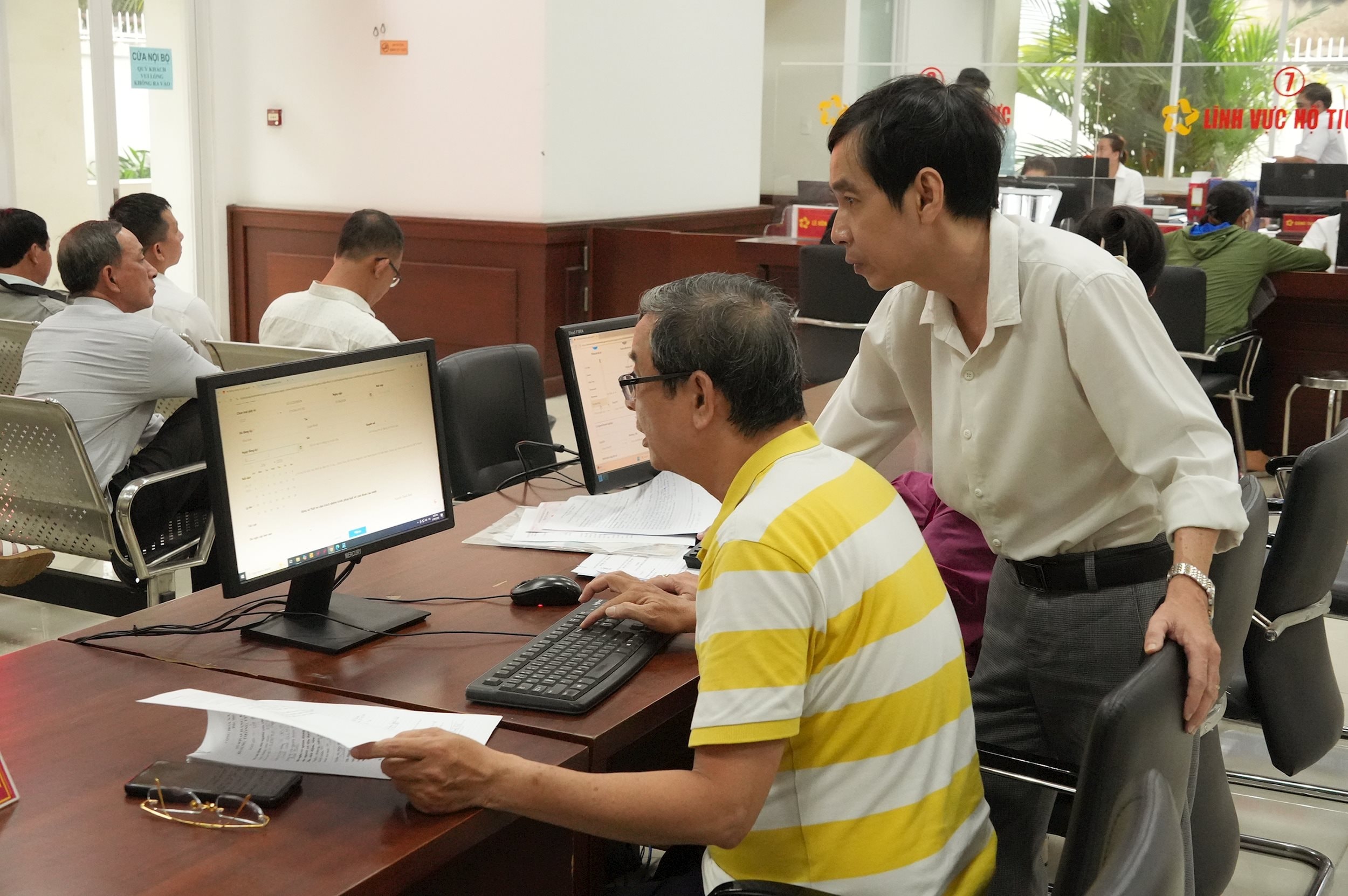
Meanwhile, Mr. Le Van Binh, a resident of Phu Nhuan ward, said that he was initially quite confused when using digital applications due to his advanced age and limited exposure to technology. However, thanks to direct guidance from local officials and digital transformation support teams, he has been able to independently search for information and use some basic public services.
According to Mr. Binh, access to digital applications makes it more convenient for the elderly to look up information on medical examinations and treatment, health records, and necessary administrative procedures.
Despite achieving many positive results, Ho Chi Minh City's digital transformation process still faces challenges such as ensuring data security, improving citizens' digital skills, and narrowing the digital divide between regions. However, the changes taking place in administrative procedures, transportation, healthcare, and the interaction between the government and citizens show that digital transformation is gradually moving from a technical foundation to practical values in social life.
According to the city's Department of Science and Technology, digital transformation is not just about applying technology, but is also contributing to changing urban governance methods, improving the efficiency of the state apparatus, and enhancing the quality of service to citizens. It is also a crucial foundation for the city to build a smart city, develop the digital economy, and foster a digital society in the coming period.
Source: https://daibieunhandan.vn/tp-ho-chi-minh-chuyen-doi-so-ngay-cang-hieu-qua-10418948.html


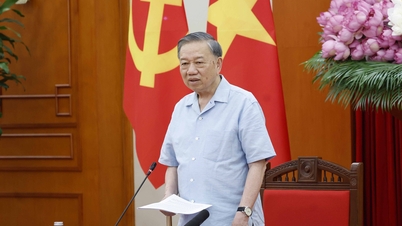
![[Photo] General Secretary and President To Lam presides over a meeting on preparations for the review of one year of operation of the three-tiered government system.](https://vphoto.vietnam.vn/thumb/1200x675/vietnam/resource/IMAGE/2026/06/02/1780391821195_a1-bnd-4595-9717-jpg.webp)




















































































Comment (0)