School and class pressure is increasing.
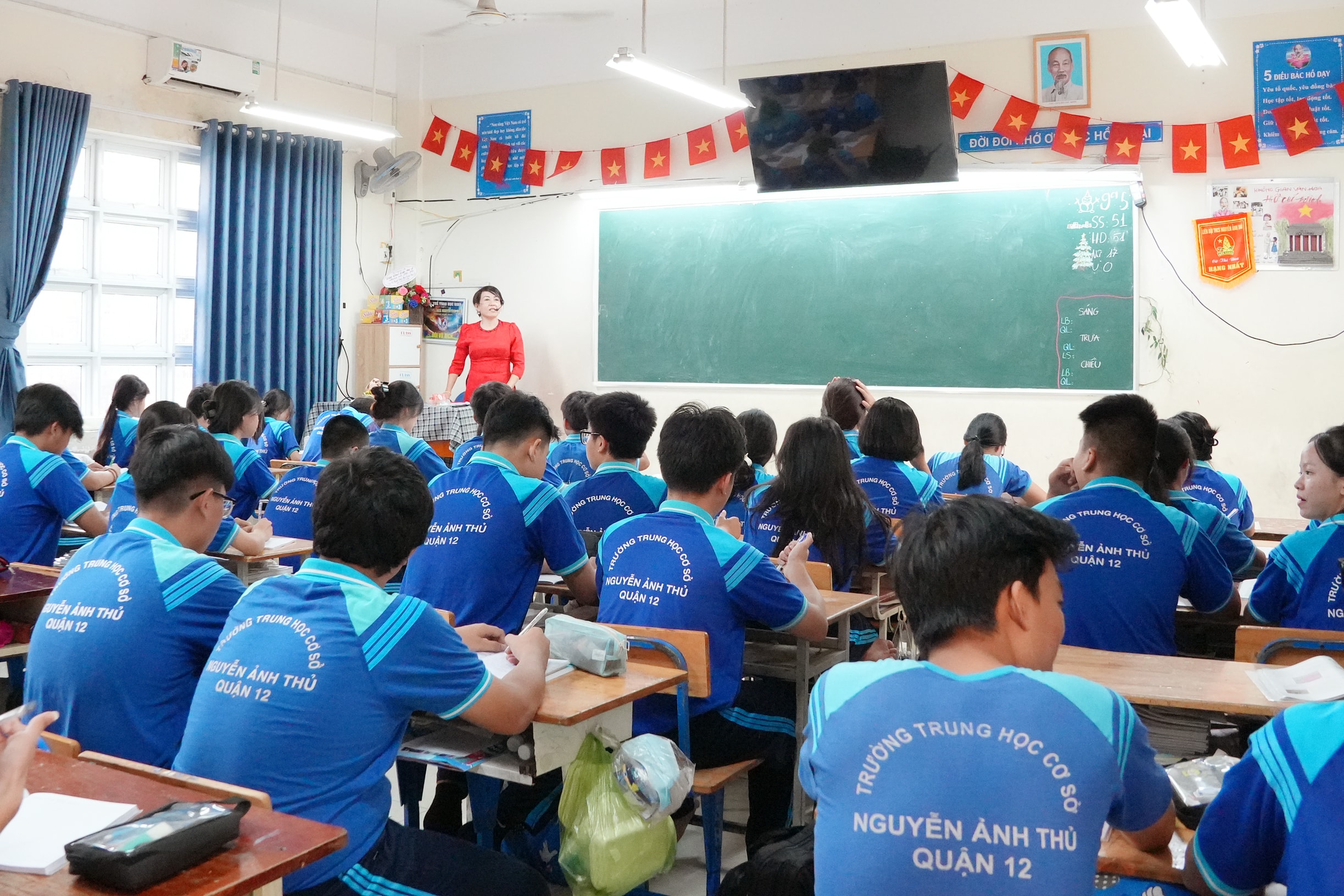
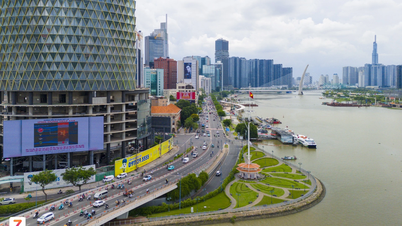
According to Nguyen Thi Nhat Hang, Deputy Director of the Ho Chi Minh City Department of Education and Training, after the administrative reorganization, the city now has 168 communes, wards, and special zones, with the largest education system in the country. However, the educational facilities are still unevenly distributed; some localities such as Tan Son, Tay Nam, and Phu Thuan wards, and Thanh An and Phuoc Thanh communes do not yet have public secondary schools.
In the 2025-2026 school year, the entire city will have over 3,400 schools with more than 2.52 million students. Of these, there will be over 1,800 preschools; over 800 primary schools; 494 lower secondary schools; and 290 upper secondary schools. It is projected that in the 2026-2027 school year, the number of students will continue to fluctuate, especially at the beginning and end of each level, creating significant pressure on enrollment and classroom allocation.
In rapidly urbanizing areas, industrial zones, and export processing zones, the sharp increase in the migrant population continues to lead to overcrowding in schools. In many places, the number of students per class exceeds the standard, and there are insufficient resources to organize two-session schooling per day. Meanwhile, land allocated for education is increasingly limited, becoming a major bottleneck in the development of school infrastructure.
To address this situation, in the 2026-2027 school year, Ho Chi Minh City plans to complete 55 school projects with a total investment of nearly 4,900 billion VND, adding more than 990 classrooms, including over 750 new ones. However, the implementation of these projects still largely depends on land clearance, land allocation, and completion of investment procedures.



Priority should be given to reclaiming public land for school development.
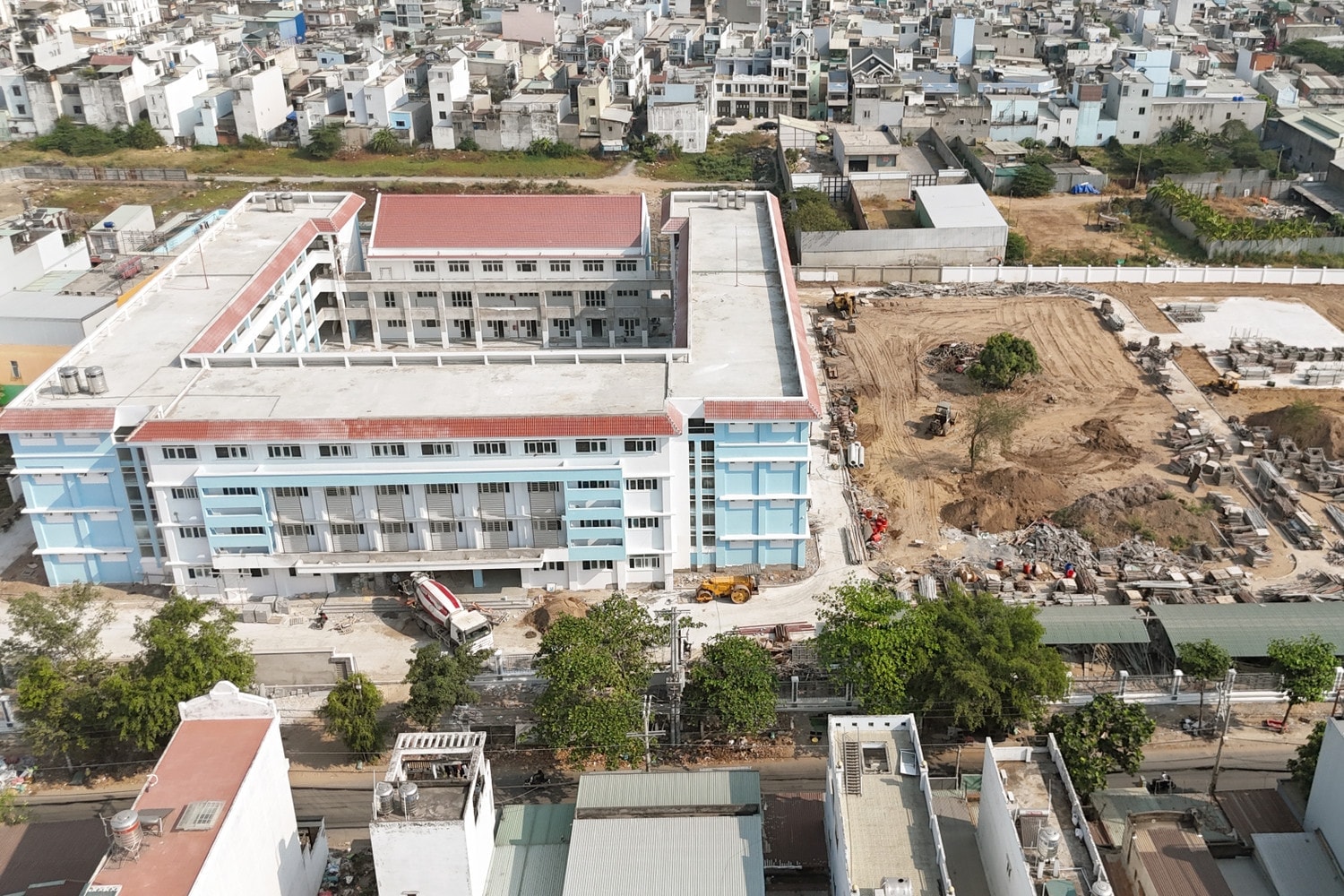
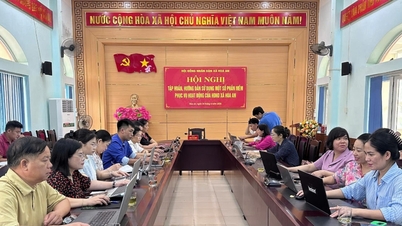
According to Vice Chairman of the Ho Chi Minh City People's Committee Nguyen Manh Cuong, education is a top priority in the city's development strategy. However, the implementation of school projects still faces many difficulties, particularly related to land allocation and planning procedures.
Based on this, city leaders have requested departments, agencies, and localities to review and prioritize the allocation of public land for education; focusing on reclaiming and converting underutilized public land to build schools. This is identified as a key solution to supplement land resources and meet the needs of school development in the context of rapid population growth.
In addition, outstanding and problematic projects need to be resolved definitively; localities should propose urgent projects that are appropriate to their local conditions based on population figures. The Department of Planning and Architecture is tasked with shortening the time for appraisal, approval, and adjustment of planning for education projects; the Department of Finance should proactively allocate and adjust funding sources and supplement the medium-term investment plan.
Ho Chi Minh City is also launching a 150-day campaign to complete the target of 1,000 classrooms for the 2026-2027 school year. At the same time, the Management Board of Investment and Construction Projects for Civil and Industrial Works is required to accelerate construction progress and complete school projects according to plan.


Besides reclaiming public land, the city requires developers of new urban areas to build schools according to the plan before residents move in; utilize surplus office buildings after restructuring to serve as educational facilities; and promote social mobilization, attract non-budgetary resources, provide interest rate subsidies and land incentives for school projects.
City leaders emphasized that ensuring sufficient classrooms is not only an immediate task but also a fundamental solution to improve the quality of education and meet the requirements of sustainable urban development. This is also an important foundation for Ho Chi Minh City to complete its education network and create the best learning conditions for students in the coming years.
Source: https://daibieunhandan.vn/tp-ho-chi-minh-thu-hoi-dat-cong-kem-hieu-qua-de-xay-dung-truong-hoc-10412378.html




![[Photo] Prime Minister Le Minh Hung presides over the thematic session on promoting science and technology development and innovation.](https://vphoto.vietnam.vn/thumb/1200x675/vietnam/resource/IMAGE/2026/06/23/1782207872934_ndo_br_dsc-1724-jpg.webp)