

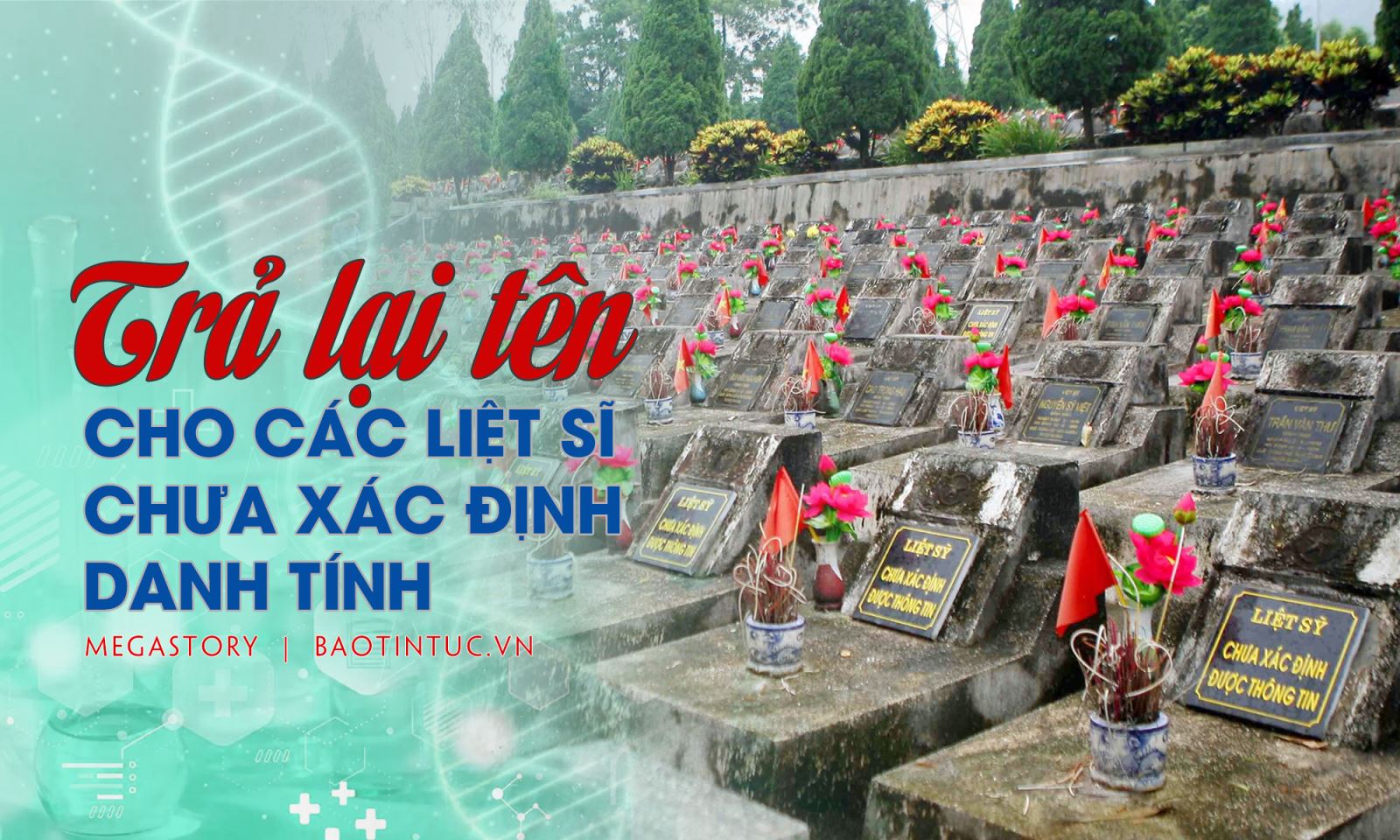
Currently, nearly 180,000 martyrs remain undiscovered nationwide, and approximately 300,000 martyrs are unidentified despite their remains being interred in cemeteries. To restore the identities of these unidentified martyrs, authorities have established a gene bank for martyrs and their relatives to compare the results of genetic (DNA) testing.

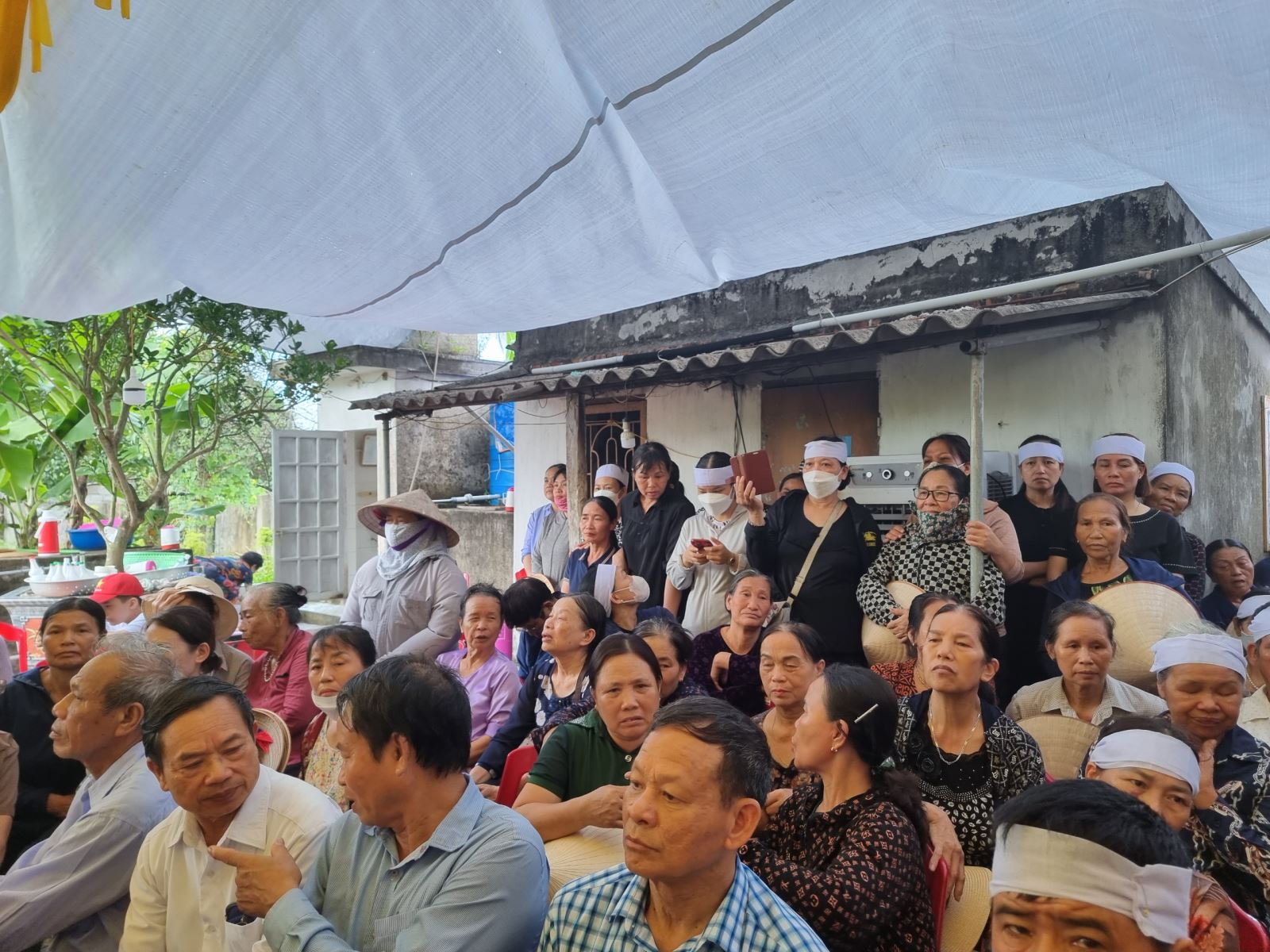
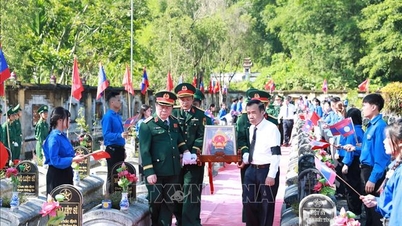
At the home of martyr Nguyen Chi Cuong in Trung Tien village, Tay Luong commune, Tien Hai district, Thai Binh province, from early morning, villagers gathered in large numbers to attend the ceremony of receiving and commemorating the remains, which had just been brought back to his hometown from Binh Dinh.


Back home, the family of the fallen soldier received a death certificate, but only knew that he had died in Binh Dinh. Recounting their arduous journey to find their father's remains, the couple, Nguyen Thi Binh and Nguyen Van Chien, couldn't hold back their tears, saying: "My family has been searching for decades. Whenever we hear information about where my father's remains might be buried, we go searching. Before she passed away, my mother only had one wish: to bring my father's remains back home."
The search for the remains of martyr Nguyen Chi Cuong received active support from his nephew, Nguyen Duc Kim, a retired army officer. Nguyen Duc Kim, also a war veteran, was deeply concerned about finding his uncle's remains.
Mr. Nguyen Duc Kim shared: “Having been a soldier and wounded in the battle to defend the Quang Tri citadel , I understand better than anyone the painful losses my family has suffered. I continuously asked acquaintances in the military to help me find information about my uncle. The information became clearer in 2016, when the army allowed the decoding of unit designations, and I was able to pinpoint where my uncle died in An Nhon, Binh Dinh. The whole family went to all the cemeteries in An Nhon, Binh Dinh and determined that Nhon Hung Cemetery in An Nhon, Binh Dinh had the highest rate of matching information.”

“There are two gravestones there bearing the name of martyr Cuong, one of which has been moved by the family back to their hometown in Chuong My district, Hanoi . I went all the way to this martyr's hometown to verify the information and perform the elimination process. I suspect that the error was due to an oversight in the collection process or handwritten information in the records. Therefore, I had to return to Hanoi and submit applications to the Department of War Invalids and Martyrs, the Department of Labor, War Invalids and Social Affairs of Thai Binh and Binh Dinh provinces, requesting permission for DNA testing. Due to procedural issues with incorrect names, DNA testing is difficult to implement according to current regulations. Therefore, the family submitted the application to the Vietnam Association for Supporting Families of Martyrs for faster testing…,” Mr. Nguyen Duc Kim shared.
Immediately after receiving notification of the matching DNA results, the family of the fallen soldier held a meeting and completed the procedures to correct the name and bring the remains of fallen soldier Nguyen Chi Cuong from Nhon Hung Martyrs' Cemetery in An Nhon, Binh Dinh to be reburied at Tien Hai District Martyrs' Cemetery, Thai Binh... Restoring the name of fallen soldier Nguyen Chi Cuong fulfilled the family's long-awaited wish of more than half a century.
“After years of hope, my family has finally been able to welcome my uncle back to rest in his hometown. I am deeply moved and grateful to the government, organizations, relatives, comrades, and villagers who came to offer incense and bid farewell to my father at his final resting place. Bringing my father back home has eased the pain of losing a loved one during wartime,” Mr. Nguyen Van Chien shared.
“Based on my uncle’s experience in searching for graves, the first step is to request decoding of the unit designation of the fallen soldier to narrow down the search area. Therefore, relatives submit applications to the provincial military command to decode the unit designation of the fallen soldier based on the death certificate. After that, they narrow down the search area and look for surviving comrades to obtain verified information using empirical methods. In cases where the soldier’s grave is incorrect or lacks information and the identity is unknown, genetic testing is used,” Mr. Nguyen Duc Kim explained.
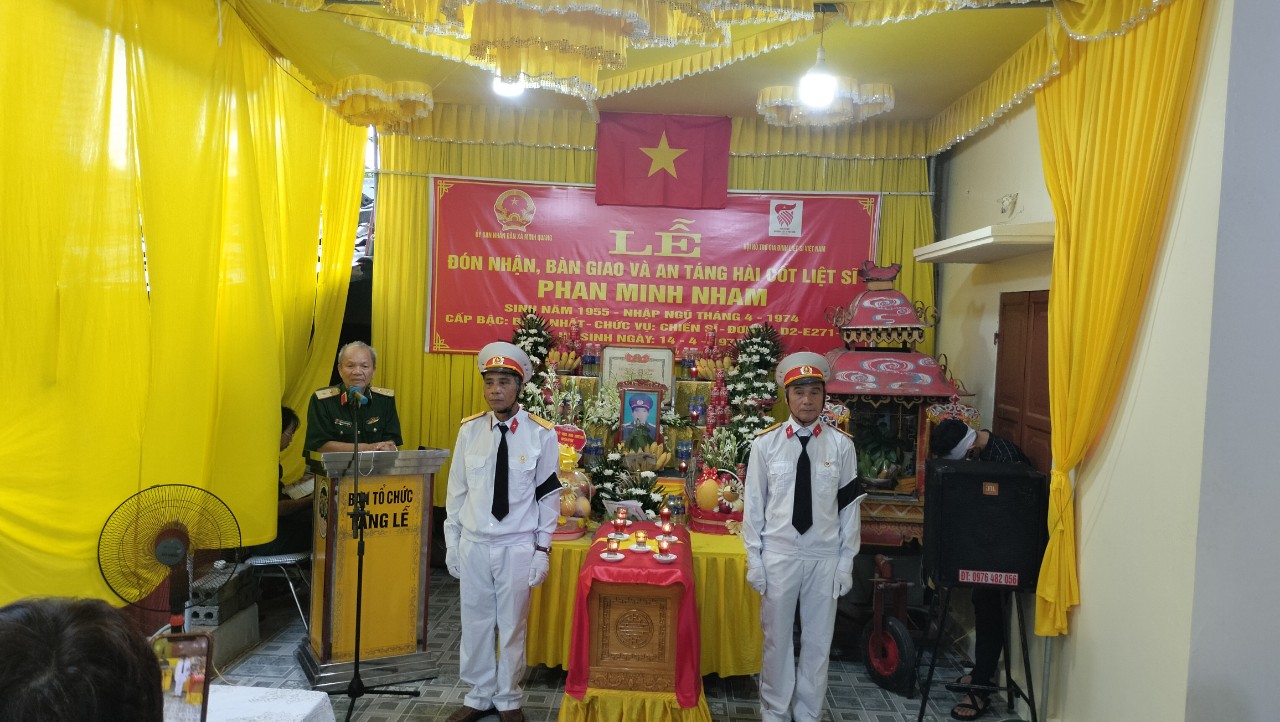
Also in July 2024, after receiving the results of the genetic test, Mr. Phan The Hieu (Minh Quang commune, Vu Thu district, Thai Binh province) was present at the My Tho City Martyrs' Cemetery (Tien Giang province) to bring the remains of his older brother, martyr Phan Minh Nham, back to his hometown. After 49 years, the martyr was brought back home by his younger brother, ending the arduous journey of searching for his relative's grave.
Martyr Phan Minh Nham was born in 1955 in Minh Quang commune, Vu Thu district, Thai Binh province. He enlisted for the second time in February 1974 and fought in the Southwestern battlefield during the resistance war against the US. He died on April 14, 1975. A year later, his family received his death certificate.
“That piece of paper contained only a few lines about his name, hometown, and the words 'buried at Chau Thanh District Hospital, My Tho Province.' That same year, the family learned that he had died in battle in My Tho from two people from the same village who had returned. From the time my brother left to fight for the independence of the Fatherland until the day we received the tragic news, the family had almost no information about him. At that time, my parents also thought they had probably lost him,” Mr. Phan The Hieu recalled with emotion.
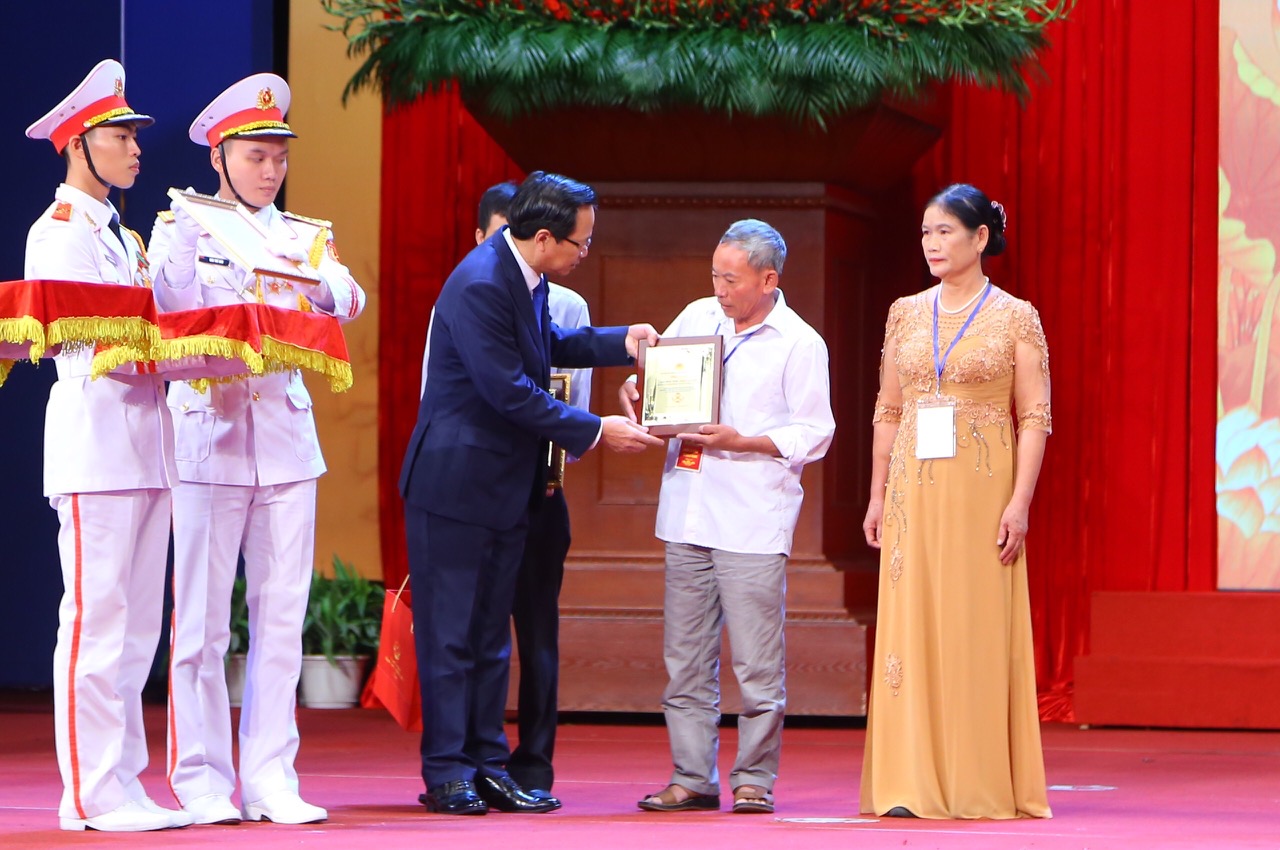
Based on information from the death certificate and from his comrades, Mr. Hieu's family traveled many times from Thai Binh to My Tho (now part of Tien Giang province) but still could not find their relative's grave. From the original burial place, the grave of martyr Phan Minh Nham was later found and reburied at the My Tho City Martyrs' Cemetery by the search team.
“For 30 years, wherever we heard information, we went, hoping to bring my brother back home. My whole family searched the battlefield many times, even using every means possible, including spiritual means, but to no avail. We searched wherever psychics pointed us to, but always ended up disappointed. My parents were heartbroken that they couldn't bring their son home, so before they passed away, they left me a piece of paper with the location and coordinates determined by 'spirit channeling,' and instructed me to continue searching and bring him back,” the younger brother of the fallen soldier recounted.
About five years passed, and when it seemed there was no longer any chance, in March 2023, Mr. Phan Thế Hiểu unexpectedly received a letter from an official of the Tien Giang Department of Labor, War Invalids and Social Affairs informing him about a grave that might belong to martyr Phan Minh Nham.
Upon receiving the news, Mr. Hieu's family immediately arranged to travel to the South to find his brother's grave and verify the information. However, upon arriving, they found that the tombstone at the martyr's grave bore the name Phan Van Nham, and another family from Nam Dinh had already come forward claiming to be their relative.
“The family in Nam Dinh also insisted that the grave belonged to their relative, because they heard a ‘psychic’ say so. However, based on information from former comrades and the local Department of Labor, War Invalids and Social Affairs, I believed it was my brother, so the solution proposed by the local authorities was to determine his identity through genetic testing. When the DNA test results were announced, I was overwhelmed with joy because I could confirm that the person buried in that grave was indeed my brother, martyr Phan Minh Nham. After half a century, the family received sad news about him, but now it's indescribable joy because we're bringing him back to our hometown this July,” Mr. Hieu shared.
Sharing the joy with the families of the two martyrs in Thai Binh in July 2024, two weeks ago, Ms. Pham Thi Vinh, the younger sister of martyr Pham Van Thuoc, from Dinh Thanh commune, Yen Dinh district, Thanh Hoa province, also received news that the genetic test results matched the martyr's grave at Thu Duc cemetery ( Ho Chi Minh City).
Martyr Pham Van Thuoc enlisted in 1971, at the age of 17, and died in 1975. “It wasn’t until 10 years later that the family received the death certificate, but at that time we were poor, so we couldn’t go searching for my brother. In 1985, my family moved to Bao Loc, Lam Dong to participate in the new economic development program and searched many times in cemeteries in Ho Chi Minh City, but without success,” Mrs. Pham Thi Vinh expressed.
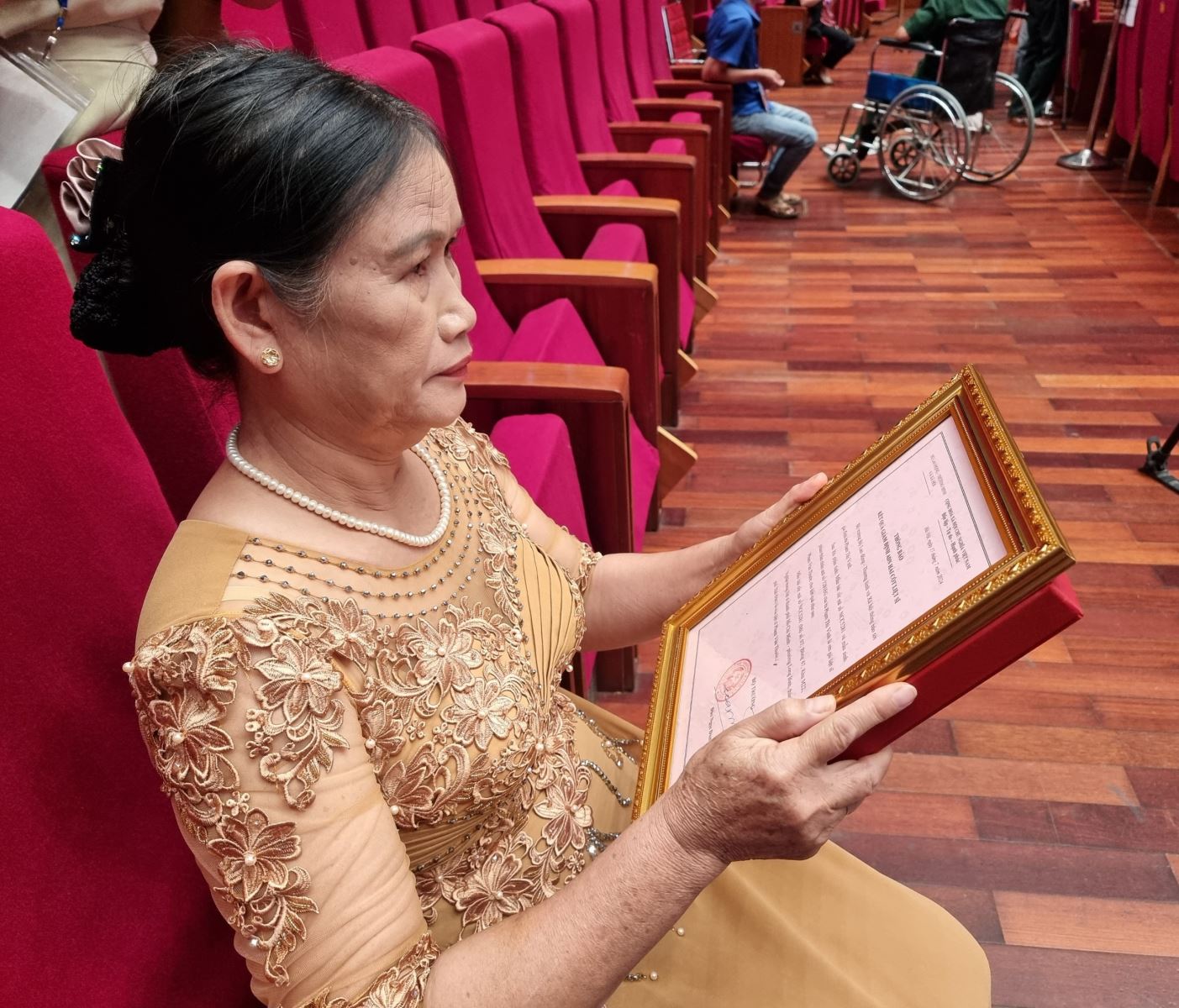
“When the representative from the Department of War Invalids and Martyrs announced that the test results matched, I barely slept for a week, traveling to Hanoi to receive the results and discuss with my family the plan to bring my brother home,” shared Ms. Pham Thi Vinh.

"My comrades fought and sacrificed so that I could live, so I must keep my promise to them: those who are still alive will find and bring back the deceased," affirmed Lieutenant General Hoang Khanh Hung, Chairman of the Association for Supporting Families of Martyrs, former Deputy Commander and Political Commissar of the Engineering Command, and former Political Commissar of the Military Technical Academy.
Therefore, in 2011, upon retirement, Lieutenant General Hoang Khanh Hung immediately focused on locating the remains of his comrades and supporting the families of fallen soldiers in various provinces and cities. For over 13 years, he did this "unpaid work," whenever he received information, General Hung would set off, even if the journey involved traveling thousands of kilometers to neighboring Laos...
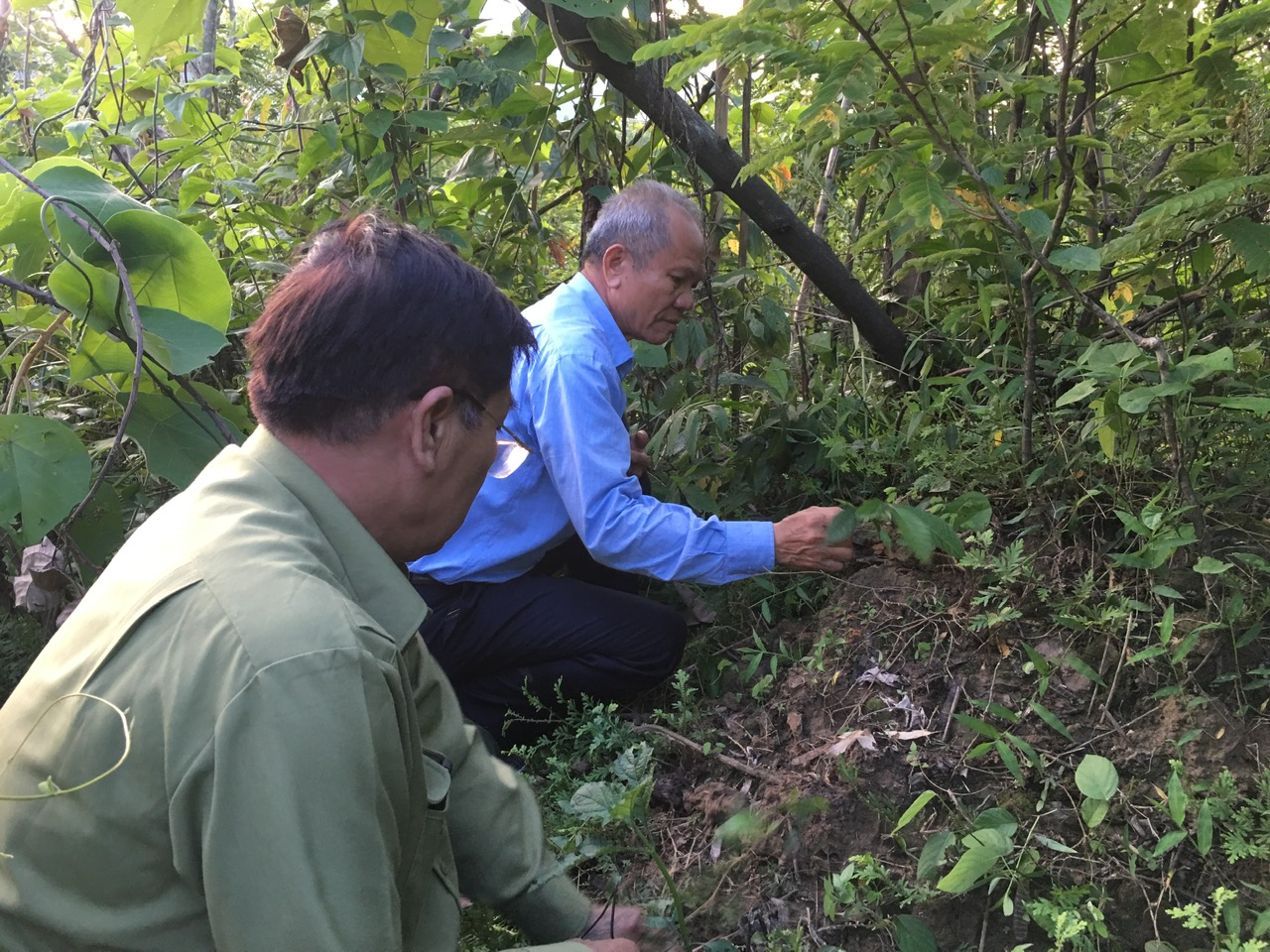
According to General Hoang Khanh Hung, the reason he has been able to persevere in this work is due to fortunate circumstances, advice from comrades, and unconditional support from his family. “I went to Laos 10 times to search for my comrades, and my wife accompanied me 6 times. Thanks to that encouragement, I continue to search for my comrades because time waits for no one. The search for the remains of fallen soldiers is becoming increasingly difficult due to the changing terrain and landmarks of the former battlefield. The harsh weather in many areas causes the remains to deteriorate over time,” Lieutenant General Hoang Khanh Hung shared.
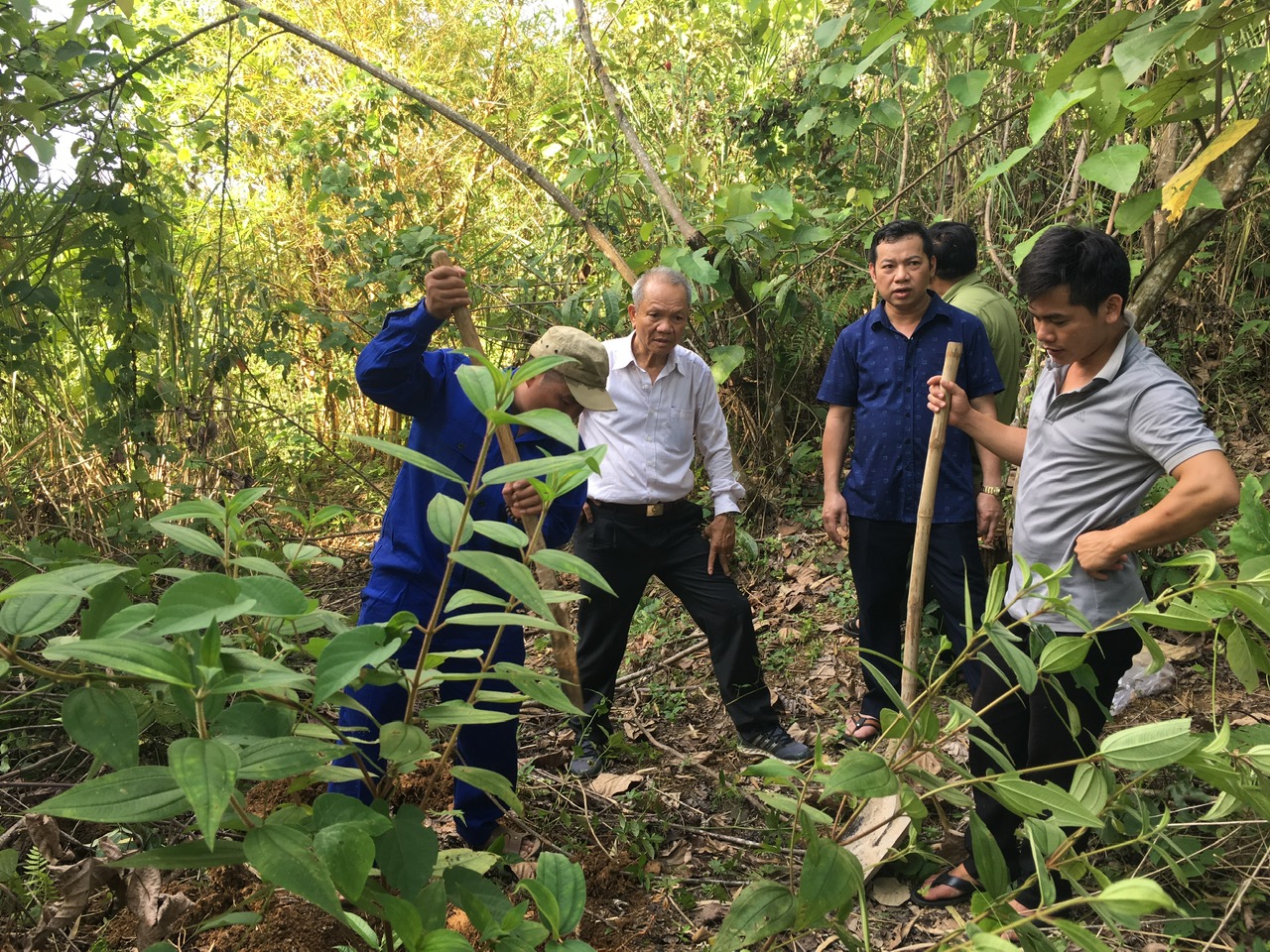
“This situation raises the issue of the need for DNA testing to identify fallen soldiers. Currently, the cost of DNA testing is 5 million VND per sample. To identify information about an unknown fallen soldier, at least one sample must be taken from their relatives. Therefore, to determine the genetic information of the remains of an unidentified fallen soldier, two samples are needed, costing approximately 10 million VND. Thus, conducting DNA testing and bringing the fallen soldiers home requires significant funding,” Lieutenant General Hoang Khanh Hung shared.
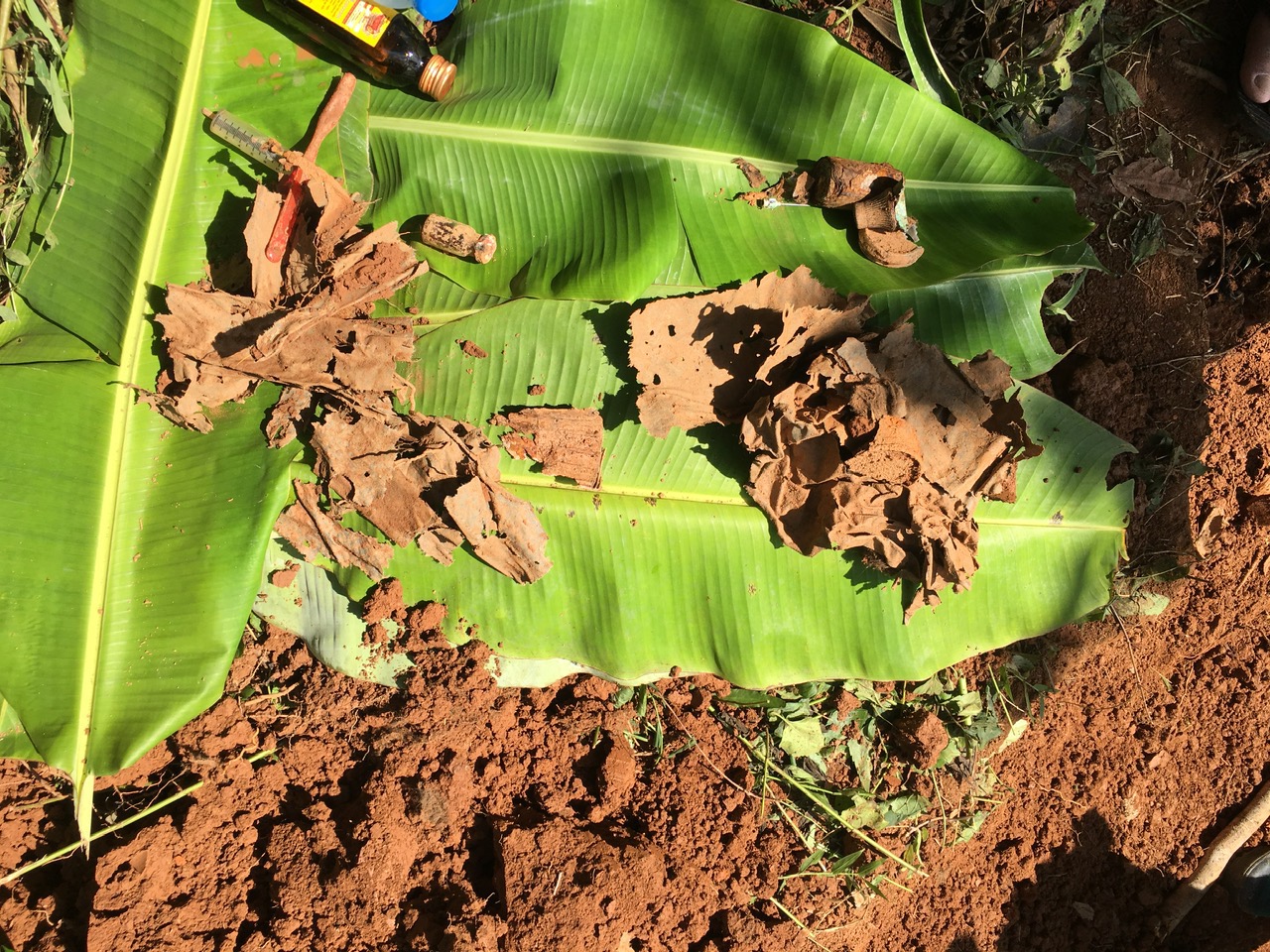
Over the past 13 years, through fundraising efforts and a program of sending messages of gratitude to fallen soldiers, a total of approximately 170 billion VND has been raised. This money has contributed to relocating the remains of fallen soldiers from battlefields and cemeteries back to their hometowns, correcting information on tombstones, helping families of fallen soldiers find their relatives, building houses of gratitude, giving books of gratitude, and providing gifts, etc.
Over 13 years, General Hoang Khanh Hung and his colleagues received and processed information on more than 200,000 fallen soldiers; collected samples from more than 1,000 relatives of fallen soldiers for DNA testing; provided accurate results for 494 fallen soldiers; advised and supported 33,000 families in finding remains; helped 200 families find the remains of their fathers and brothers; and corrected information on tombstones for 1,000 fallen soldiers.
On his journey to honor his fallen comrades, General Hoang Khanh Hung made hundreds of trips across the country, but the most arduous and heart-wrenching were the trips to find the graves of martyrs in Laos. He recounted that the journey, starting in Hanoi at 5 a.m., usually took until 4 p.m., to reach the location indicated by the information provided.
“In my youth, I went to Laos many times to fight, but now that I'm back, the old roads from back then, though I remember them vividly, are very difficult to retrace because the terrain has changed over the years. The search sometimes lasted for many days, with people leaving in the morning and having to return in the evening. Sometimes the recovery team struggled because they couldn't find a place to stay.”


“Once, we found accurate information about 31 Vietnamese soldiers’ graves provided by Lao veterans. I informed our teams responsible for collecting the remains of fallen soldiers to begin excavations, but they were all just earth. This was difficult because of the fierce battles. When burying comrades, if the battlefield was secure, the burial was more thorough. If the battlefield wasn’t secure, sometimes the remains were hastily pulled outside the fence and buried only about 30-50 cm of earth. Therefore, after about 50 years, many graves are now completely gone. It’s very difficult to verify their identities. Meanwhile, to bring our comrades back to their hometowns, the principle is that the bones and artifacts must remain, so even though we loved our friends dearly, we had no choice but to fill the graves again,” Lieutenant General Hoang Khanh Hung said with a heavy heart.
“Experience in locating the graves of fallen soldiers over the years shows that the first and foremost method is empirical evidence, from fellow soldiers in the same unit, connecting information to find the exact place where the fallen soldier fought and was buried. In cases of incorrect information or unknown names, genetic testing is the most accurate scientific solution. This is also a solution to eliminate disguised psychic and spiritual methods used to extort money from many families searching for the graves of fallen soldiers,” Lieutenant General Hoang Khanh Hung shared.
Not only did Lieutenant General Hoang Khanh Hung search for information about his comrades from our army's archives, but he also sought information about his fellow soldiers from American veterans. On June 19, 2024, in Hanoi, American veterans and the U.S. Institute of Peace visited Vietnam, revisited former battlefields, and directly met, exchanged information, and worked with the Vietnam Association for Supporting Families of Fallen Soldiers.
At these meetings, American veterans provided the Vietnam Association for Supporting Families of Fallen Soldiers with valuable information, such as records from Tay Ninh, Dong Nai, Binh Phuoc, and Binh Duong provinces, detailing 20 mass grave sites in Vietnam. If the survey and excavation of all 20 sites are carried out effectively, approximately 3,000 remains of fallen soldiers could be recovered.
Mass graves are typically 7 meters long, 3 meters wide, and about 3 meters deep. Therefore, when searching, machinery cannot be used; ultrasound machines must be employed to locate and excavate deeply, as in the case in Hoai Nhon district, Binh Dinh province, where they had to dig 3 meters deep to find 62 remains of fallen soldiers.
Most recently, based on information from American veterans, the Association sent its Head of Policy to Tien Giang to verify 97 graves. Hopefully, in the future, they can find more graves of fallen soldiers, even those whose names are unknown, so that their comrades and fallen soldiers can be laid to rest in cemeteries.
“Wherever we receive information, we go searching for our comrades. Our comrades fought and sacrificed so that I and everyone else could live as we do today. This motivates me to do something more practical to show my gratitude to them, to do what those who fell did to help their families and loved ones. What I hope for most right now is the early identification of fallen soldiers, because the search and identification process is becoming increasingly difficult,” Lieutenant General Hoang Khanh Hung confided.

According to the Steering Committee 515, summarizing the results of the project on searching for, collecting, and identifying the remains of martyrs with incomplete information, from 2013 to May 2024, more than 21,200 remains of martyrs were searched for and collected nationwide (more than 10,200 remains in Vietnam, more than 3,300 remains in Laos, and nearly 7,600 remains in Cambodia). Functional units received more than 38,000 samples of martyrs' remains and biological samples from their relatives; analyzed and stored more than 23,000 DNA samples; and identified more than 4,000 cases of martyrs with incomplete information (nearly 3,000 cases using empirical methods and more than 1,000 cases using DNA testing).
Regarding this issue, Dao Ngoc Loi, Director of the Department of War Invalids and Martyrs (Ministry of Labor, War Invalids and Social Affairs), stated that the process of identifying the remains of martyrs with incomplete information is regulated by Decree 131/2021/ND-CP. Accordingly, the Government assigns localities to develop plans for collecting samples of the remains of martyrs with incomplete information at martyrs' cemeteries and receiving biological samples from the martyrs' relatives for testing at relevant facilities.
Mr. Dao Ngoc Loi noted that this method accurately determines the blood relationship between fallen soldiers and their relatives, but its practical implementation still faces many difficulties. Regarding genetic testing, most remains of fallen soldiers have been buried for over 50 years and have been moved several times. Therefore, many remains cannot be sampled for analysis, or if samples are obtained, the quality of the synthesized DNA is insufficient for comparison and matching with relatives.
Furthermore, most of the blood relatives of fallen soldiers are elderly and frail, and many families no longer have anyone available to provide samples through the maternal line. While some DNA testing facilities have been upgraded, they lack the necessary equipment and machinery, and there is a shortage of qualified DNA testers, thus affecting the effectiveness of DNA testing.
From a scientific perspective, Mr. Ha Huu Hao, Head of the Department of Medical and Biological Sciences at the National Forensic Institute, stated: "The difficulty in genetic testing to identify fallen soldiers lies in the lack of a database for comparing and cross-referencing samples. Once genetic data is available, the next crucial step is to collect samples from relatives and input them into the database for comparison."
According to genetic testing experts, experience from collecting skeletal remains over the past 10 years shows that bone samples deteriorate over time, and only 30% meet the testing requirements. Of these, only about half still yield genes suitable for comparative data.
Faced with these challenges, in order to expedite the process of collecting remains of fallen soldiers and conducting DNA testing, the Steering Committee 515 and the Ministry of Labor, Invalids and Social Affairs have reported to the Prime Minister to coordinate with the Ministry of Public Security and other relevant ministries and agencies to develop a plan for collecting remains of fallen soldiers from all martyrs' cemeteries and all biological samples from relatives of fallen soldiers whose identities need to be determined.
The State management agency also proposed upgrading and synchronizing the database system on martyrs, their relatives, and martyrs' graves; investing in, upgrading, and purchasing equipment, and supplementing resources for forensic facilities; and receiving and transferring modern machinery and advanced technology.
Another difficulty in DNA testing is establishing economic and technical standards. Mr. Dao Ngoc Loi explained that DNA testing is a specialized service and cannot be applied like forensic testing. The development of economic and technical standards must be based on the process of identifying the remains of fallen soldiers whose information is incomplete. Therefore, state management agencies need to develop economic and technical standards to serve as a basis for establishing unit prices for DNA testing services for the remains of fallen soldiers and their relatives.

In December 2023, the Ministry of National Defence issued Circular 119/2023/TT-BQP guiding this process. Based on this Circular, the Ministry of Labour, Invalids and Social Affairs assigned the Department of War Invalids and Martyrs Affairs to lead the coordination with relevant agencies and units to research and develop economic and technical norms and cost norms for performing genetic sample testing services, to be submitted to the Minister for promulgation. It is expected that the economic and technical norms for genetic sample testing will be issued in the third quarter of this year.
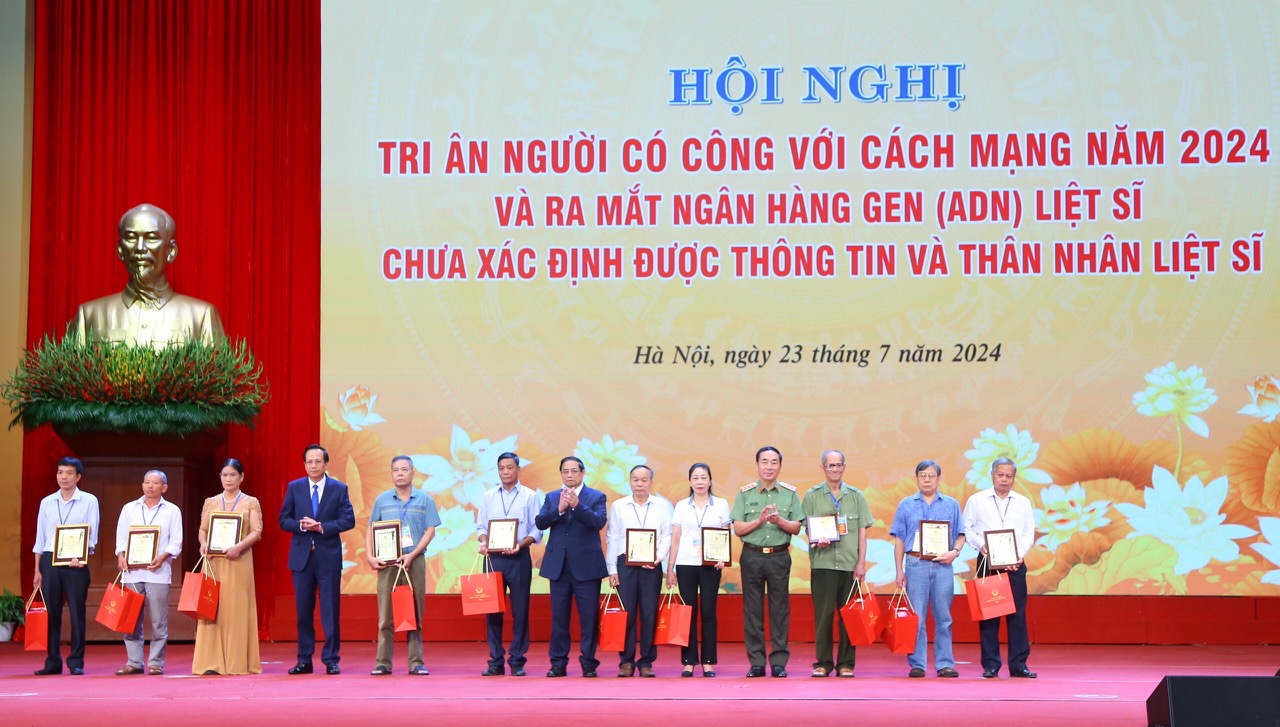
Minister Dao Ngoc Dung stated: In recent times, the Ministry of Labour, Invalids and Social Affairs and the Ministry of National Defence have implemented the Project to Identify the Remains of Martyrs with Incomplete Information (Project 150), primarily using DNA testing and forensic methods. To date, functional forces have collected 10,000 samples of martyrs' remains and over 3,000 biological samples from their relatives. From these, over 1,000 martyrs' identities have been matched and reported to their relatives. In implementing the plan to search for, collect, and identify the remains of martyrs with incomplete information by 2030, following the Prime Minister's directive on national digital transformation and Government Project 06, units have currently stored data from over 25,000 DNA records of martyrs' remains and their relatives.
“On July 23, the Prime Minister announced the “Genetic Bank of Unidentified Martyrs and Their Relatives,” creating conditions to gradually identify and restore the names of 300,000 martyrs whose information has not been identified. This is a very meaningful and sacred undertaking, a race against time; the faster we do it, the better, because time does not allow us to prolong it. However, this is also a heavy, arduous, and difficult task, but we are doing it with the command of our hearts in the journey of searching for and restoring the names of our heroic martyrs,” Minister Dao Ngoc Dung affirmed.
Text and video by: Xuan Cuong
Photo: Xuan Cuong + Contributor + VNA
Presentation and design: Nguyen Ha, Xuan Minh
Source: https://baotintuc.vn/long-form/emagazine/tra-lai-ten-cho-cac-liet-si-chua-xac-dinh-danh-tinh-20240726221702433.htm



![[Photo] General Secretary and President To Lam presides over a meeting on preparations for the review of one year of operation of the three-tiered government system.](https://vphoto.vietnam.vn/thumb/1200x675/vietnam/resource/IMAGE/2026/06/02/1780391821195_a1-bnd-4595-9717-jpg.webp)
















![[Image] Affirming the aspirations and new standards of the Vietnamese real estate market in the new era.](https://vphoto.vietnam.vn/thumb/1200x675/vietnam/resource/IMAGE/2026/06/03/1780441948766_giai-thuong-bat-dong-san-2026-minh-duy-6-7364-jpg.webp)








































Comment (0)