

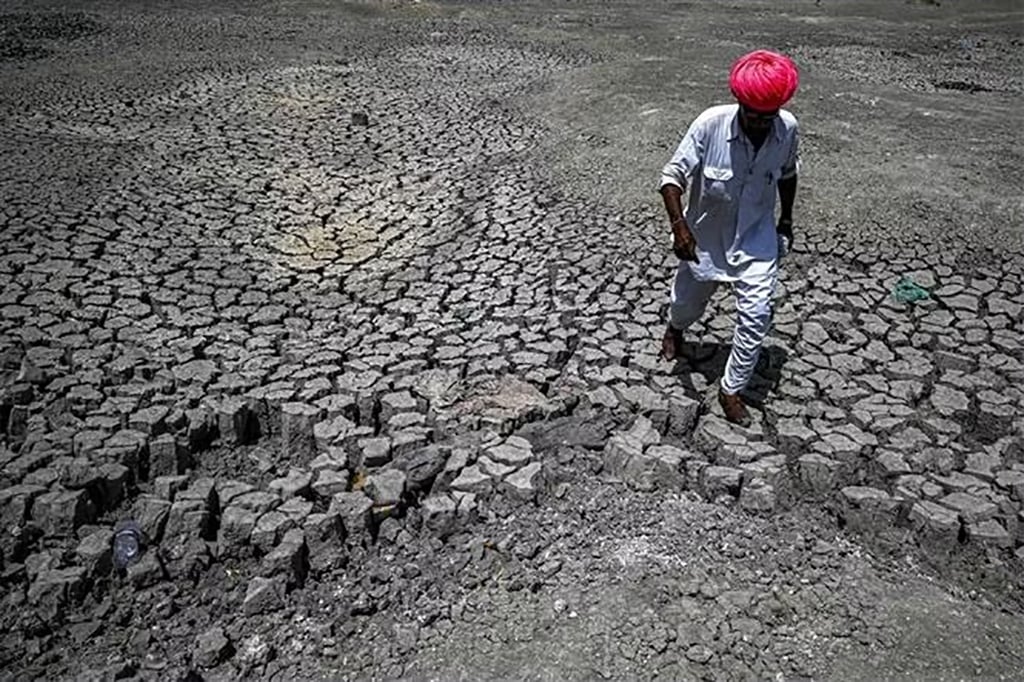
In a study published in the journal Nature, scientists explain that higher temperatures create favorable conditions for the growth of Actinomycetota – a group of predominantly Gram-positive bacteria that naturally carry many antibiotic resistance genes. As these bacteria proliferate, the overall concentration of antibiotic resistance genes in the soil also skyrockets.
Scientists predict that, if left unaddressed, antibiotic resistance could claim the lives of 10 million people annually by 2050. Our surrounding water and soil are vast reservoirs of antibiotic resistance genes. Pathogens can easily learn and adopt these genes to survive against specific treatments. Therefore, understanding the link between global warming and soil changes is crucial to anticipating potential risks to human health and agriculture .
To reach this conclusion, the researchers combined a long-term field trial with advanced genetic analysis technology. Over 11 years (from 2009 to 2020), they established test plots on a tall grass meadow, where they were able to accurately simulate future climatic conditions.
The research team used infrared heaters to maintain soil temperatures 3 degrees Celsius hotter than the natural environment, adjusted water levels to simulate droughts or extreme heavy rainfall, and mowed the grass annually to simulate livestock grazing. They then used advanced gene sequencing techniques to map all the DNA in the samples, allowing them to observe in detail which antibiotic resistance genes were present.
Experimental results show that rising temperatures not only increase the number but also make drug-resistant genes more mobile, allowing them to move more easily between different bacterial species. The study also noted an increase in genes related to resistance to glycopeptides and rifamycin – important antibiotics that specifically target bacteria.
At the same time, drug-resistant genes associated with plant pathogens are becoming more common. This signals that in a warming world , controlling crop diseases using traditional methods will become increasingly difficult.
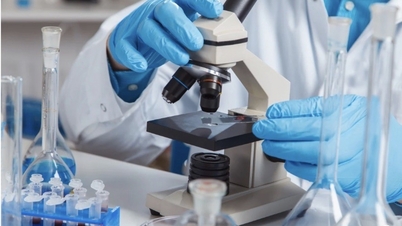
When soil samples were brought to the laboratory for cultivation and testing, the results confirmed the scientists' concerns. Bacteria taken from the heated soil plots proved to be extremely resilient, exhibiting superior resistance to 22 different antibiotics compared to bacteria in cooler plots.
This study confirms that global warming is indeed accelerating antibiotic resistance in soil microorganisms, both genetically and ecologically. This discovery has enormous implications for public health and environmental sustainability.
In the future, scientists will need more research on different vegetation types and climates to build a more solid evidence base, thereby guiding agricultural and environmental management in the context of increasingly complex climate change.
Source: https://baoninhbinh.org.vn/trai-dat-nong-len-lam-gia-tang-mam-mong-khang-khang-sinh-trong-dat-260504081000811.html

![[Image] Close-up view of the interchange connecting the two expressways and Long Thanh Airport.](https://vphoto.vietnam.vn/thumb/1200x675/vietnam/resource/IMAGE/2026/05/25/1779703378210_ndo_br_z7863716673926-224453a31600126cce10622af6290afd-4549-jpg.webp)



![[Image] Hanoi's urban life under the challenge of a "scorching hot" environment](https://vphoto.vietnam.vn/thumb/1200x675/vietnam/resource/IMAGE/2026/05/25/1779706979265_nang-nong-t5-2026-minh-duy-7-4636-jpg.webp)























































































Comment (0)