

GĐXH - When children are sick, a suitable diet can help improve their condition quickly. However, many parents wonder what children with bronchiolitis should eat to improve their health. The information below aims to help parents understand how to supplement and adjust their children's diet appropriately.
The role of diet for people with bronchitis
According to Dr. Pham Thi Bich Thuy, from the Central Ear, Nose and Throat Hospital, bronchitis is one of the most common acute respiratory infections. Those most susceptible to bronchitis are young children and the elderly with weakened immune systems.
Bronchitis can be completely cured if treated early and correctly. Patients need to take medication as prescribed by their doctor, combined with good nutritional care to improve their physical condition and immunity, helping the disease to heal quickly.
When suffering from bronchitis, the body needs many nutrients to fight infection and recover. A healthy, nutritious diet will help provide energy, thin mucus, reduce inflammation, and boost the immune system.
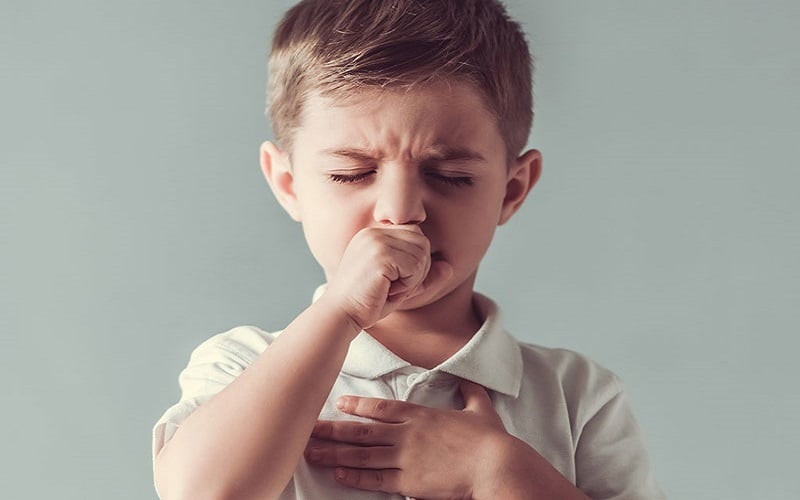
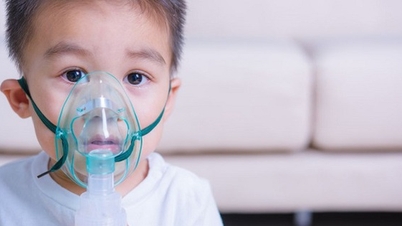
When suffering from bronchitis, the patient's body needs many nutrients to fight infection and recover. (Illustrative image)
Inflammation is the primary cause of bronchitis symptoms. Certain foods have anti-inflammatory properties that help reduce inflammation and improve symptoms. A strong immune system is the weapon against infection. Some foods rich in vitamin C, vitamin A, and zinc help boost the immune system. Additionally, some can help thin mucus and reduce coughing.
Patients with bronchitis often experience fever, frequent coughing, runny nose, nasal congestion, and difficulty breathing, leading to fatigue and poor appetite. Therefore, patients should be given small, easily digestible foods in multiple meals.
For young children, because they cough a lot and have a lot of mucus in their throats, they are very prone to vomiting. Therefore, before feeding them, you should give them a few spoonfuls of water or perform chest percussion to help release the mucus, making it easier for them to breathe and reducing nausea and vomiting during meals.
What foods should people with bronchitis avoid?
People with bronchitis should avoid foods high in sugar.
Sugar is a condiment that can affect the bronchi, causing congestion and difficulty breathing. Therefore, children with bronchiolitis should not eat a lot of sugary foods and sweets such as cakes, candies, and soft drinks. Mothers should limit their children's intake of sugary foods to avoid weakening their immune system.
People with bronchitis should avoid salty foods.
Salt, found in many processed foods, fast food, and frozen foods, can affect the respiratory system of patients. Patients should limit their salt intake to avoid worsening symptoms and increased phlegm.
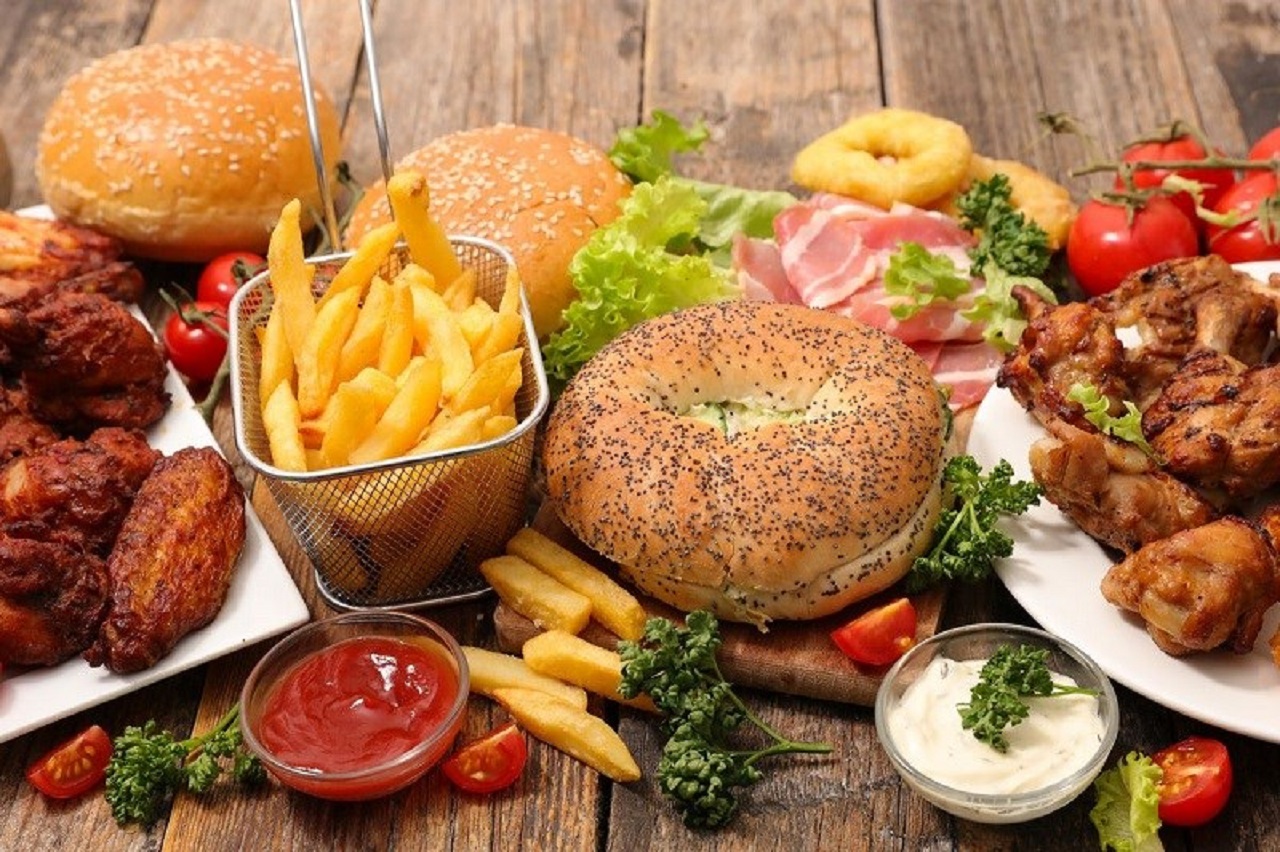
What foods should people with bronchitis avoid? (Illustrative image)
People with bronchitis should avoid sour, spicy, and hot foods.
Acidic foods, such as acidic fruits, can thicken phlegm, making it difficult for patients to breathe and expel, thus worsening the infection. Spicy foods and seasonings like pepper and chili are also likely to irritate the bronchial mucosa and exacerbate symptoms.
People with bronchitis should avoid fatty foods.
Fried and stir-fried foods often contain a lot of oil and fat, and are also high in calories, which is not good for the immune system of patients.
What should people with bronchitis eat?
Protein-rich foods
If you're wondering what people with bronchiolitis should eat, protein-rich foods are the answer. A high-protein diet not only helps maintain activity but also supports a stronger immune system. This helps fight off pathogens and promotes faster recovery.
Fresh vegetables and fruits
Nutritionists advise patients with bronchitis to eat plenty of fresh fruits and vegetables. These contain many vitamins, particularly vitamins A, C, and E, which offer numerous health benefits. These are all antioxidants that help reduce inflammation in the bronchi and improve respiratory problems in patients.
Furthermore, the vitamins found in fruits and vegetables strengthen the body's immune system to fight disease, prevent the formation of histamine, and reduce the risk of bronchial irritation. In addition, the zinc content in green vegetables and fresh fruits helps heal tissue damage and improve symptoms of bronchiolitis in patients.
Drink plenty of water.
Water plays a vital role in the body and contributes to smooth metabolic processes. It also helps children absorb nutrients more effectively.
Furthermore, drinking plenty of water every day will prevent dehydration, help reduce inflammation and dryness in the throat, flush out toxins, and support faster recovery after illness. In addition to plain water, parents can give their children the following drinks:
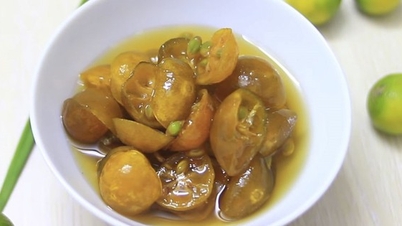
Lemon and honey water: This drink helps soothe and reduce coughs caused by bronchiolitis. It also helps kill bacteria, reduce inflammation, and lessen phlegm buildup that causes coughing and difficulty breathing. However, parents should not give lemon and honey water to children under 12 months old because honey can cause allergies and poisoning.

Water plays a vital role in the body and contributes to the smooth functioning of metabolic processes. (Illustrative image)
Herbal teas: Some types of tea, such as ginger tea and herbal teas, help keep the throat warm and soothe it, reducing coughing. They also help thin mucus. Parents can give their children 1-2 cups of herbal tea daily, but not continuously for more than 6 weeks.
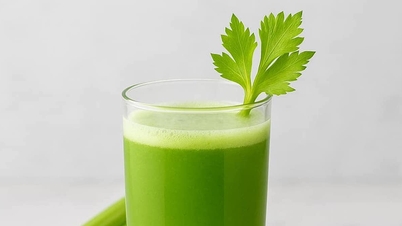
Fruit juices: These drinks offer many great benefits for children with bronchitis. They not only help keep children hydrated but also provide vitamins and minerals, aiding in disease management.
Besides the foods mentioned above, the way meals are prepared also plays a crucial role in a child's recovery. According to experts, easily digestible, liquid foods are generally better for children with bronchiolitis. Therefore, patients should eat soft, liquid dishes such as soups, porridges, or other dishes with broth.
Limit giving children foods that are too thick, as this can clog mucus and cause difficulty breathing, worsening bronchitis. In addition to supplementing with healthy foods and eliminating unhealthy ones, it's important to ensure children have access to nutritious foods.
 9 mistakes to avoid when treating bronchitis
Source: https://giadinh.suckhoedoisong.vn/tre-bi-viem-phe-quan-nen-kieng-gi-nen-an-gi-la-tot-nhat-172241025153950678.htm


![[Image] A brilliant symphony and explosive power in the skies of Da Nang.](https://vphoto.vietnam.vn/thumb/1200x675/vietnam/resource/IMAGE/2026/05/31/1780196945787_anh-man-hinh-2026-05-31-luc-10-08-51.png)











![[Video] Sunset at Lap An Lagoon – Where the sun sets over the fishing nets](https://vphoto.vietnam.vn/thumb/340x192/vietnam/resource/IMAGE/2026/05/31/1780192137701_beach-landscape-sea-water-nature-grass-745871-pxhere-com.jpeg)












































































Comment (0)