

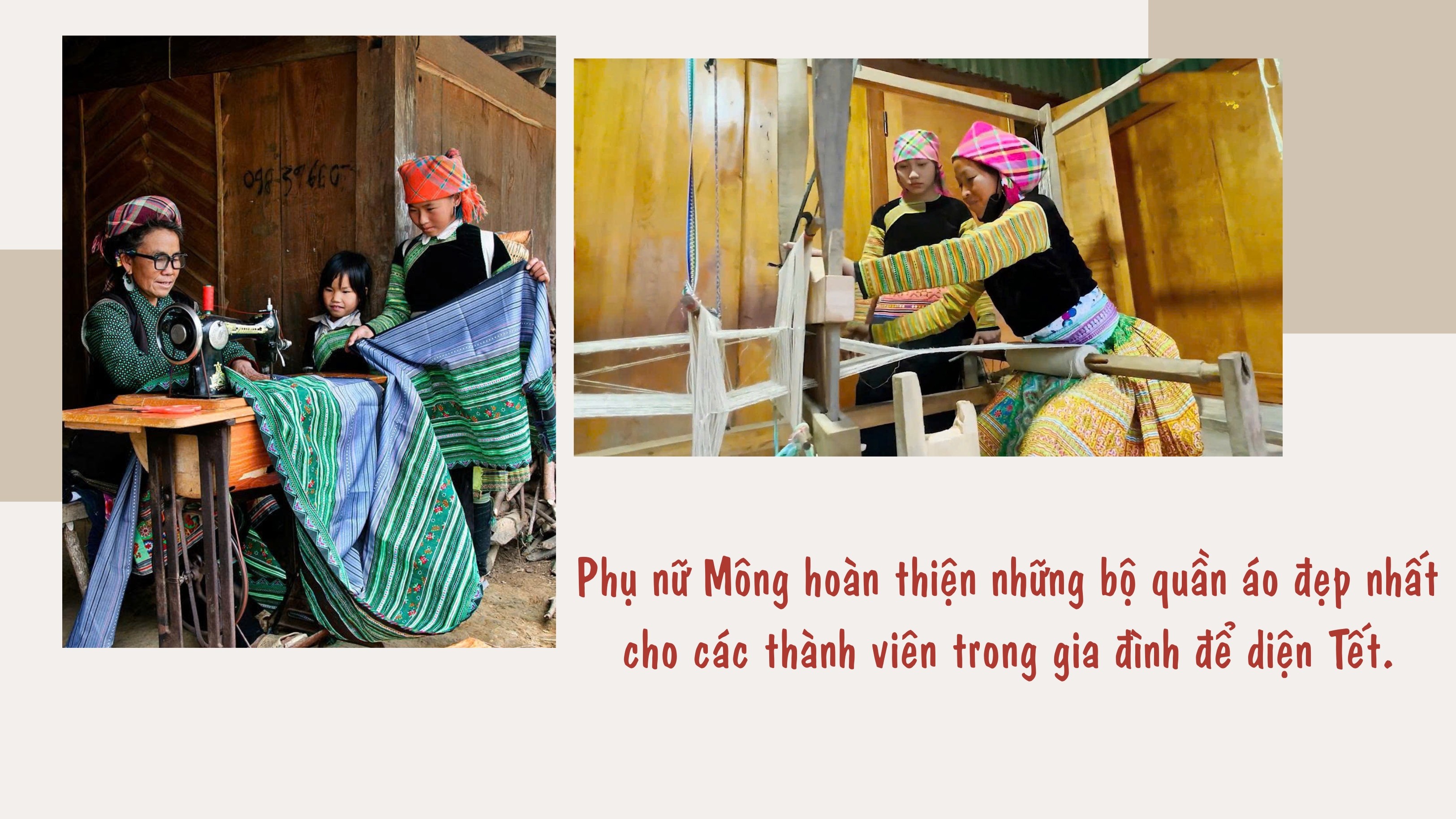
From the beginning of November in the lunar calendar, preparations for Tet (Lunar New Year) begin. While men are busy fattening pigs and chickens, gathering firewood, and preparing the fields for the next planting season, women are rushing to complete the finest clothes for family members and selecting the most beautiful jewelry to wear during Tet.
From the 25th day of the 12th lunar month, the atmosphere becomes more solemn. The Hmong believe that livestock, having toiled all year round, also deserve rest and a New Year's celebration like humans. Therefore, before Tet (Lunar New Year), families prepare ample food for their livestock. Farming tools such as plows, harrows, hoes, and knives – their "friends" who have worked hard all year – are cleaned and neatly stored away. They venerate these agricultural tools as companion deities, creating wealth and prosperity.
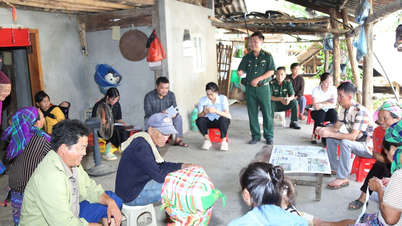
Through an introduction from the commune leader, we were fortunate to be invited to celebrate Tet (Lunar New Year) with the family of Mr. Mua A Pao in Trong Khua village, Hanh Phuc commune. On the last afternoon of the year, Mr. Pao and his family members cleaned their living space, starting with the kitchen. As he cleaned, Mr. Pao prayed: "The old year is about to pass, the new year is about to come. May the spirits and ancestors bear witness to the hard work and diligence of our descendants in the past year, and bless us with good health and a bountiful harvest in the new year." The house was cleaned, and the water troughs and drains were cleared; the Hmong people believe that cleaning the living space will ward off bad luck and welcome good fortune in the new year.
After cleaning up, the ritual of offering sacrifices is performed solemnly. The man of the family slaughters the largest rooster, right in the center of the ancestral hall, to offer to the ancestors and deities. As he does so, he prays, expresses gratitude, and hopes for continued blessings. The rooster's blood is placed on the altar, and the meat is prepared and arranged for the offering tray – a sacred junction between productive life and spiritual belief.
Next came Khờ Chan – a ritual honoring farming tools. Mr. Páo brought out all the tools, washed and cleaned them, then pasted pre-cut red paper strips onto each tool. While doing so, Mr. Páo prayed: “The old year is about to pass, the new year is about to come. I thank the gods, ancestors, and the hoe and plow for giving my family rice and corn. May the gods, ancestors, and the hoe and plow bless my family with a bountiful harvest and even more rice and corn in the new year.” Then, sitting before the altar, he reported to his ancestors about the year's achievements: “Thanks to the hoe, plow, and corn threshing machine, my family planted on schedule and harvested 70 bags of rice. This Tet holiday will be prosperous.”
The Hmong people believe that a house with many sharp farming tools is a sign of a diligent and strong man. Therefore, when girls of marriageable age visit their boyfriend's home, they often observe the farming tools in the house as a criterion for choosing a husband.
Giàng Thị Mỷ, the wife of Mr. Páo, recounted: “My husband's family has many sharp farming tools, everyone is hardworking, much of the land has been reclaimed, and the house is full of rice. I taught my daughter that when visiting a boyfriend's house, she should judge his diligence by the farming tools they use.”
Due to the sloping terrain, tools such as hoes, shovels, machetes, and plows are indispensable. Since ancient times, the Hmong people have forged their own small, sharp farming tools to suit terraced rice cultivation. Today, many families have invested in modern machinery such as corn shelling machines and rice threshing machines. But no matter how much modern machinery they have, the Khờ Chan customs are still preserved.
During the preparations, I noticed something: every action, however small, was ritualistic. Washing farming tools, pasting red paper, cleaning up... all were done with gratitude, with prayers for a bountiful harvest, health, and peace. The prayers, though simple, were filled with faith in the blessings of the gods and ancestors. They believed that prayer and careful preparation would bring a peaceful new year and a bountiful harvest.
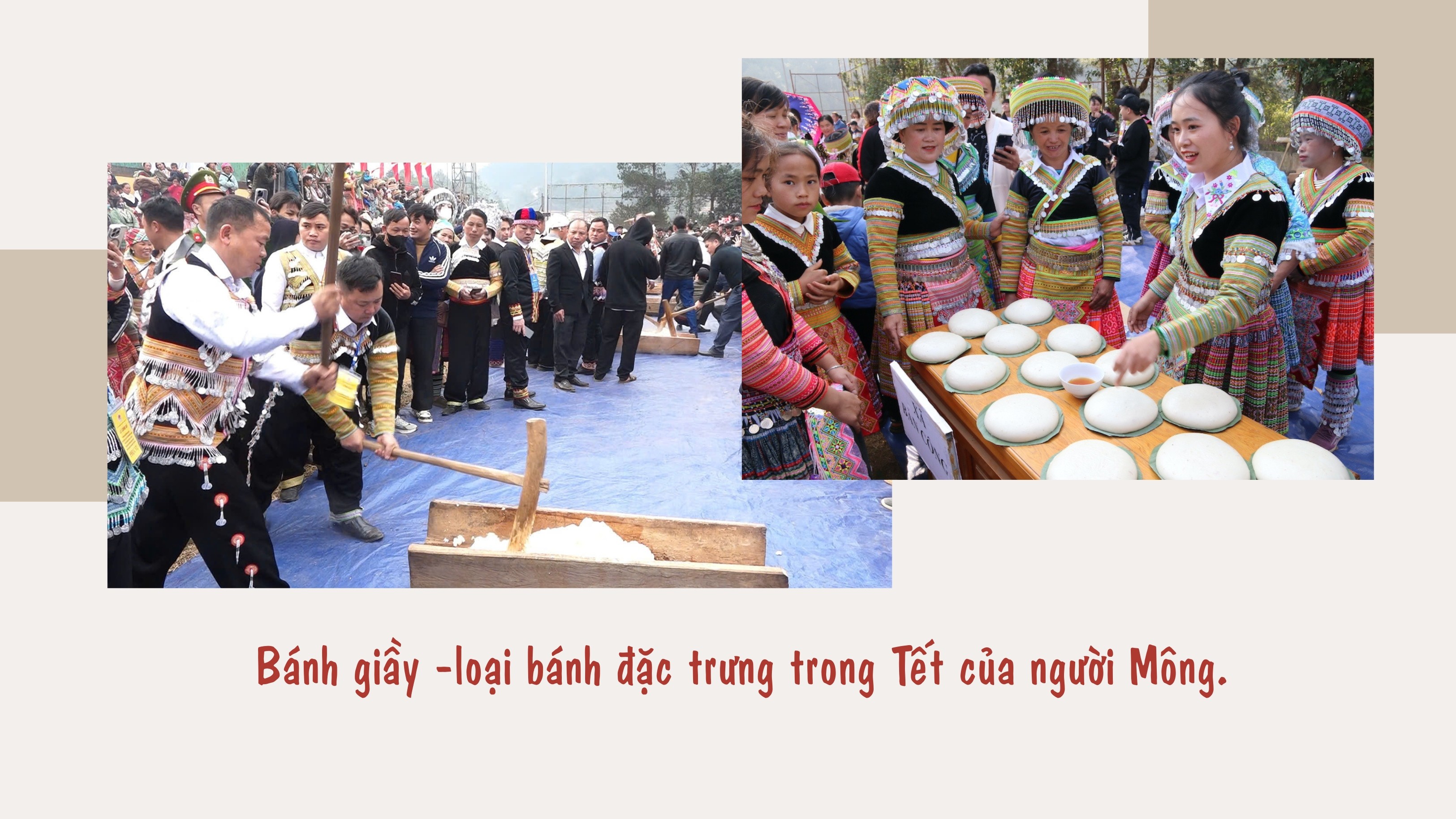
On the afternoon of the 30th day of the Lunar New Year, the Hmong villages were bustling with the sound of pestles pounding rice for cakes. Mr. Pao's family was also busy preparing. A large mortar made from a large tree trunk was carried into the central room, and two pots of steaming hot sticky rice were poured into it. Strong men were chosen to pound the rice, switching hands quickly and skillfully without disrupting the rhythm. For the Hmong, the round sticky rice cake symbolizes the moon and the sun, the source of humankind and all things. When the sticky rice was pounded until smooth, the head of the household would take two large, still-warm cakes and place them on two banana leaves to offer to his ancestors. The diligent hands, the steady pounding, the aroma of sticky rice mingling with incense smoke… all created a sacred and warm atmosphere for the New Year.
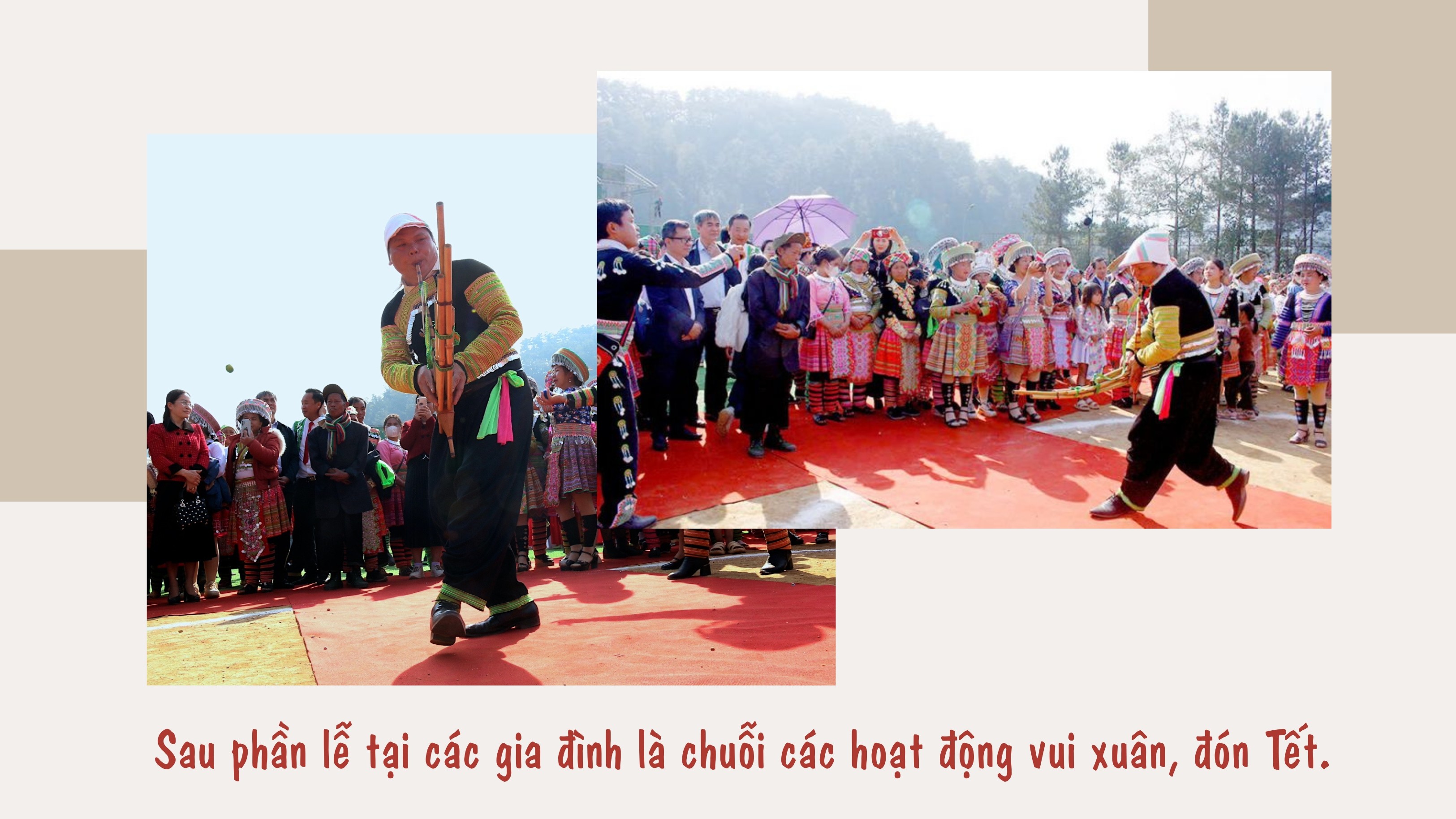
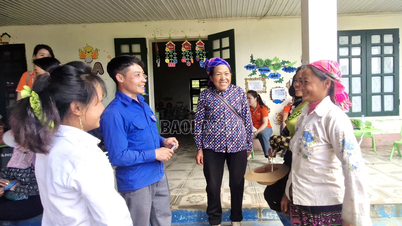
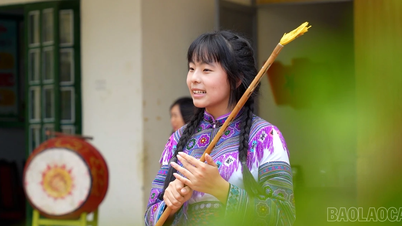
The Hmong New Year, therefore, is an "exhibition" of cultural values, gratitude to nature and tools; respect for ancestors; and the awareness of preserving homes, clothes, and belongings that have been cherished throughout the year. It is also an occasion to showcase the ethnic aesthetics through brocade clothing, silver jewelry, and meticulously arranged offerings. Seeing families gathered together, their laughter echoing while outside, plum and apricot blossoms blanket the forest, I understand why the New Year here is both deeply rooted in religious beliefs and warm with human affection.
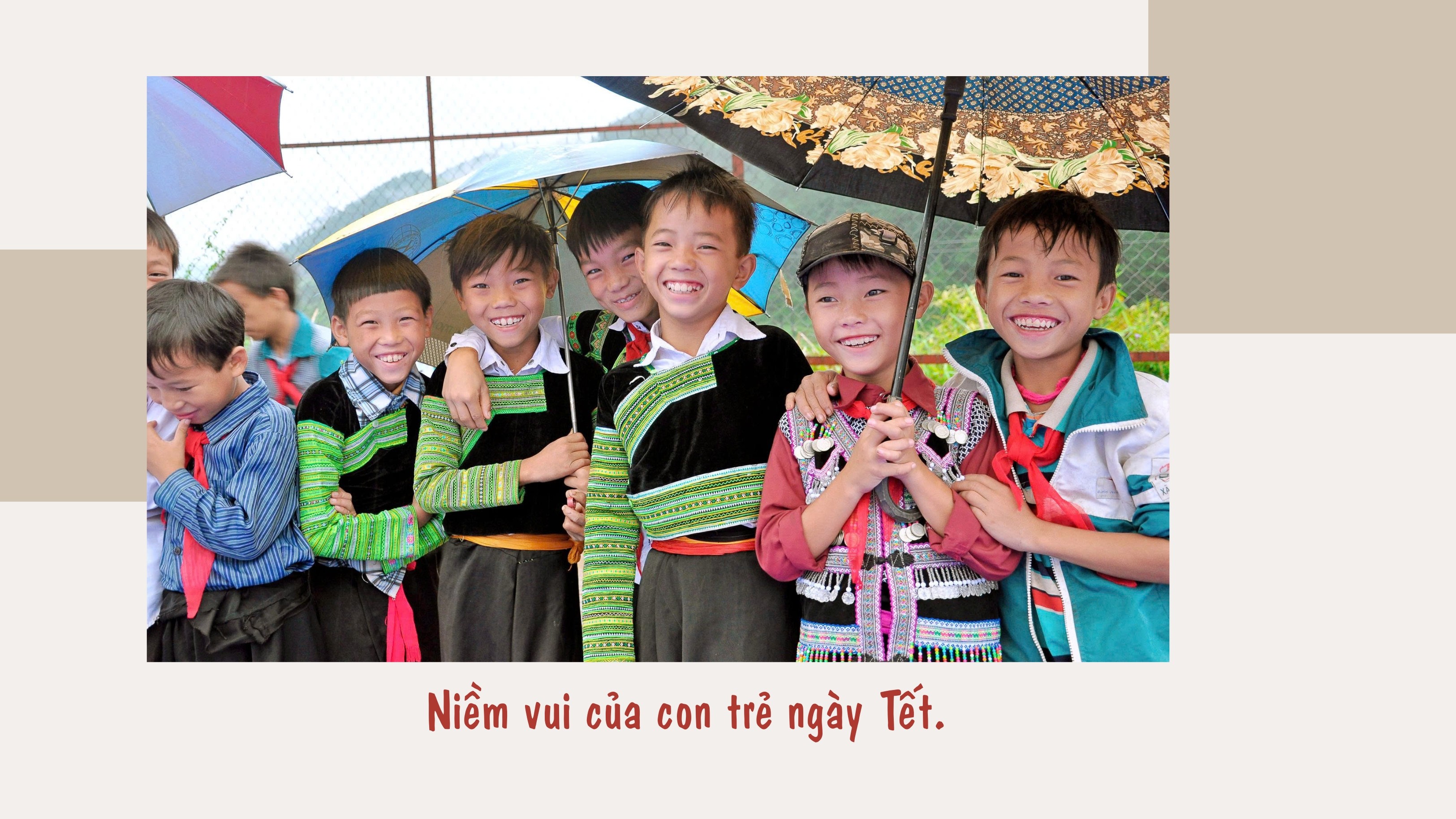
Leaving Trong Khua, those images were deeply etched in my mind. There was the landlord's hand scooping up two large, still-warm cakes; the farming tools, washed clean, covered with red paper, and neatly arranged as if waiting for a rest; the broom with its pretty cotton cap waiting for the day to sweep; the vibrant patterns on the skirts of the Hmong girls; the image of pao balls being passed from hand to hand, the laughter, the call-and-response singing of courtship…
Presented by: Thanh Ba
Source: https://baolaocai.vn/trien-lam-van-hoa-mong-post894341.html
![[Photo] Solemn bathing ceremony and Buddha procession in Hue](https://vphoto.vietnam.vn/thumb/1200x675/vietnam/resource/IMAGE/2026/05/31/1780228263543_1-jpg.webp)
![[Photo] Admire the coral "masterpiece" amidst the million-year-old heritage of Dak Lak province.](https://vphoto.vietnam.vn/thumb/1200x675/vietnam/resource/IMAGE/2026/05/31/1780221235105_anh-man-hinh-2026-05-31-luc-16-53-27.png)
![[Image] Hanoi Police officially crowned champions of V-League 2025/2026](https://vphoto.vietnam.vn/thumb/1200x675/vietnam/resource/IMAGE/2026/05/31/1780244769054_ndo_br_039d561b692be875b13a-jpg.webp)
![[Photo] The General Secretary, President and his wife begin their state visit to the Philippines.](https://vphoto.vietnam.vn/thumb/1200x675/vietnam/resource/IMAGE/2026/05/31/1780230559452_anh-man-hinh-2026-05-31-luc-19-28-11.png)













![[Video] Sunset at Lap An Lagoon – Where the sun sets over the fishing nets](https://vphoto.vietnam.vn/thumb/340x192/vietnam/resource/IMAGE/2026/05/31/1780192137701_beach-landscape-sea-water-nature-grass-745871-pxhere-com.jpeg)





















































Comment (0)