

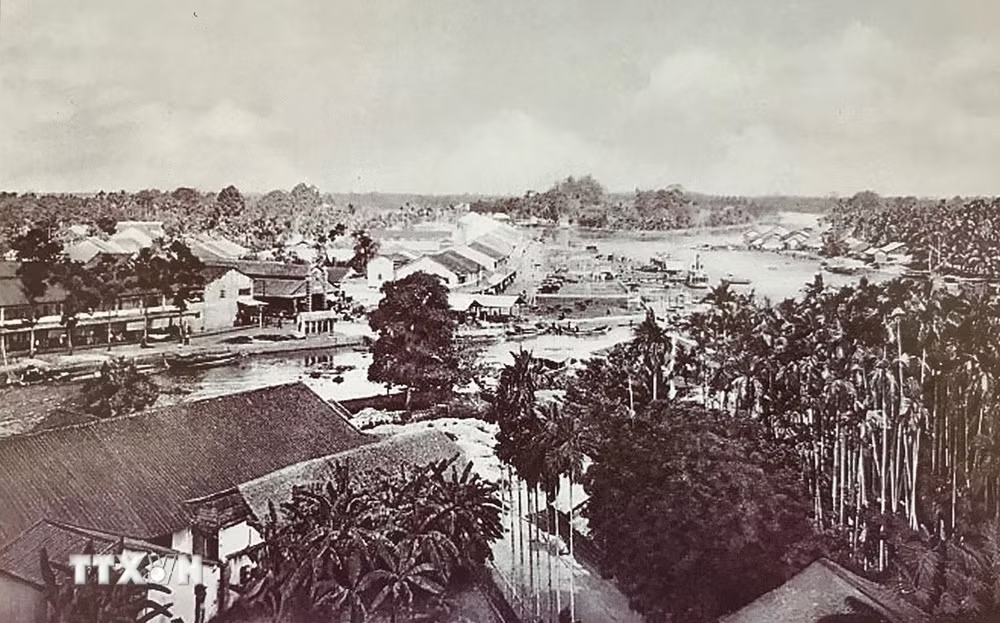
Sa Dec ward ( Dong Thap province), situated along the tranquil Sa Giang river, is a land that has been formed and developed for nearly 300 years.
Immediately after the reunification of the country, the Party Committee, the government, and the people of Sa Dec immediately embarked on the task of rebuilding and developing the locality to become increasingly prosperous.
From Dongkou Road
During those historic days of April, a reporter from the Vietnam News Agency (VNA) met with Mr. Nguyen Nhat Thong (former Head of the Propaganda Department of the Sa Dec City Party Committee). He has dedicated much of his time to researching the culture and history of Sa Dec in particular and Dong Thap province in general.
According to Mr. Nguyen Nhat Thong, in 1757, the Tam Phong Long area (the region located between the Tien and Hau rivers, heading north) came under the control of the Nguyen Lords, officially becoming part of Vietnamese sovereignty .
With its advantageous geographical location and important strategic position, the Tam Phong Long area was divided into three districts by Nguyen Cu Trinh: Chau Doc District, Tan Chau District, and Dong Khau District for convenient administration. Dong Khau District is the area that today includes Sa Dec ward and the communes south of the Tien River in Dong Thap province.
Like many other localities, Sa Dec was devastated by war, and the lives of its people were difficult. The Party Committee, government, army, and people of Sa Dec bravely fought to liberate their homeland. According to the History of the Dong Thap Provincial Party Committee (1954-1975), on the evening of April 30, 1975, Battalion 502A and Battalion 502B, in coordination with local forces, guerrillas, and political forces of the masses, advanced into Sa Dec town from multiple directions. At approximately 7:00 AM on May 1, 1975, our troops advanced from many directions to take over and completely control Sa Dec town.
The war is long over, but the memories of those historic April days remain vivid in the minds of many veteran revolutionaries. As one of those who participated in the liberation of Sa Dec town, Mr. Le Quang Sau (former Head of the Security Committee, former Chairman of the People's Committee of Sa Dec town) recounted that, to prepare for the battle and liberation of the town, at around 10:00 AM on April 30, 1975, Mr. Le Van Mai (former Secretary of the Sa Dec Town Party Committee) instructed him to welcome and escort Battalions 502A and 502B to Cai Dao canal to dig fortifications. Late on April 30, he, along with the Security forces and the Sa Dec Town Military Command, attacked and captured the Sa Nhien outpost. Early on May 1, Mr. Sau went around to gather information; at around 7:00 AM on May 1, he saw the National Liberation Front flag flying atop the Sa Dec Sub-district building.
Mr. Nguyen Nhat Thong (former Head of the Propaganda Department of the Sa Dec City Party Committee) recalled that after liberation, Sa Dec continued to face difficulties due to the impact of floods and the Southwest border war… Infrastructure in Sa Dec was still poor, with only a few main roads (Nguyen Hue, Tran Hung Dao, Hung Vuong). The city of Sa Dec developed in a confined space, many riverside areas were not renovated, and houses were makeshift.
To a developed city
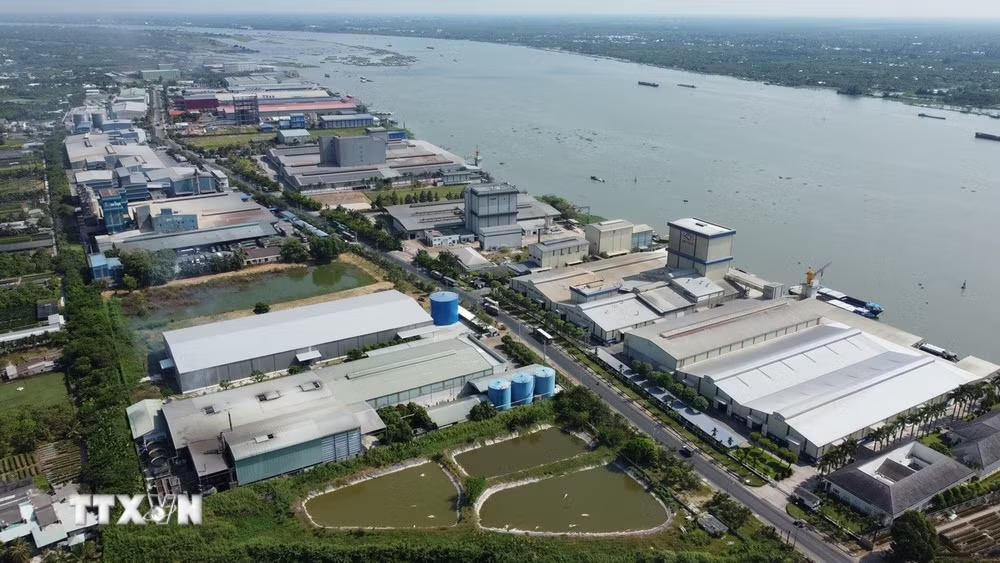
After the country's reunification, Sa Dec made efforts to restore its economy, culture, and society. In 2013, the locality was recognized by the Government as a city directly under the province; it achieved urban status of type 3 and type 2 in 2005 and 2018, respectively.
A significant milestone is that from July 1, 2025, with the implementation of a two-tiered local government system, Sa Dec ward will be established based on the consolidation of the entire natural area and population of wards 1, 2, 3, 4, An Hoa, Tan Quy Dong and the communes of Tan Khanh Dong and Tan Quy Tay (formerly Sa Dec city).
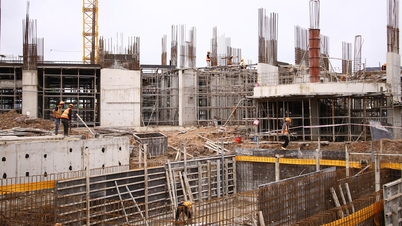
The locality is focusing resources on the comprehensive development of economic, social, and technical infrastructure, as well as the construction of industrial zones, public works, and tourism services. Particularly noteworthy is the transportation infrastructure, with projects such as the newly constructed Sa Dec Bridge, which has removed bottlenecks on the Lap Vo-Sa Dec canal route, facilitating convenient waterway trade.
The N7 road and parallel roads to the Flower Village road have been developed, enhancing connectivity to Sa Dec Flower Village and facilitating tourism development. In addition, the locality is focusing on constructing public works and spaces to create urban landmarks such as Sa Dec Square, Sa Dec Park, and scenic riverside routes (Hoang Sa and Truong Sa roads)...
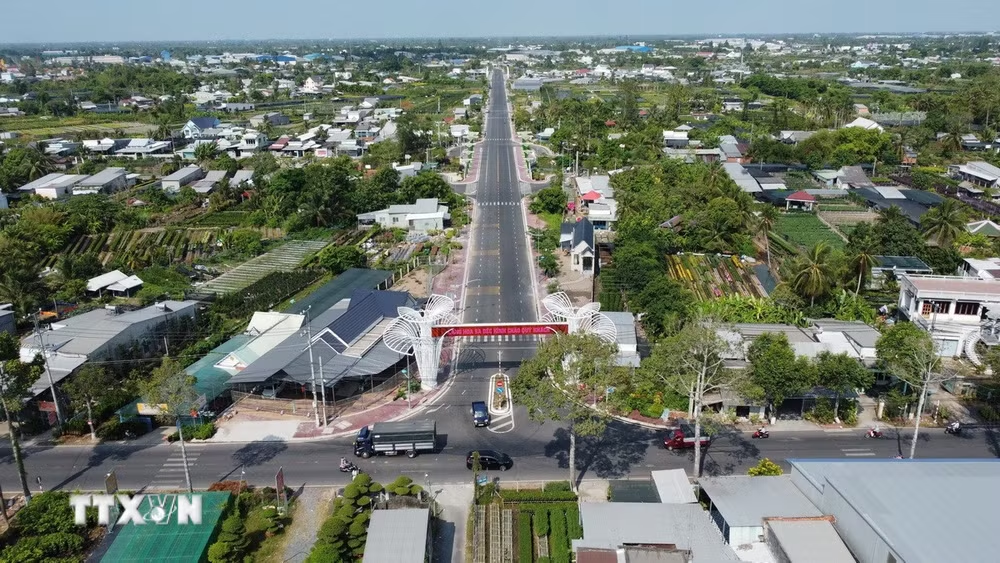
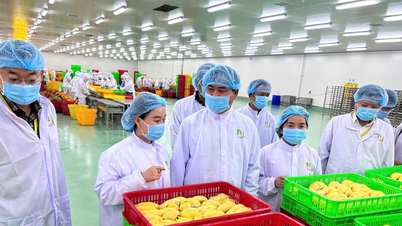
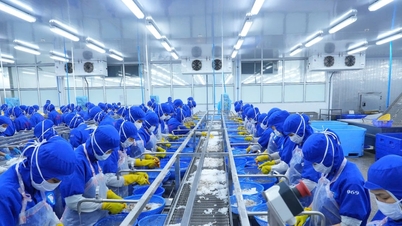
Sa Dec focuses on planning, investing in, and developing key products with competitive advantages, such as seafood processing, food products, and traditional crafts like flour production, rice noodles, shrimp crackers, and milling. Agriculture is gradually shifting towards commodity production, with flowers and ornamental plants as a breakthrough sector. The entire Sa Dec ward has approximately 4,000 households producing flowers and ornamental plants, covering an area of about 1,000 hectares. In the last 10 years, many farmers in Sa Dec Flower Village have combined flower and ornamental plant cultivation with tourism services, enhancing the value of the flower and ornamental plant industry.
Mr. Tran Huu Tai, owner of Ngoc Lan ornamental garden (Sa Dec ward), shared that since the reunification of the country, Sa Dec has developed rapidly, especially in terms of infrastructure and transportation. Previously, he and many other flower and ornamental plant growers faced significant difficulties in transporting goods. However, with the improved transportation system, trucks and cars can now reach the gardens, easily transporting flowers and ornamental plants to all parts of the country. Thanks to convenient transportation, he has invested in additional facilities, welcoming tourists from near and far to visit his garden, generating revenue and contributing to the promotion of Sa Dec Flower Village.
With a progressively synchronized transportation system, Sa Dec's appearance is becoming increasingly modern and attractive, and its socio-economic situation is developing. By 2025, Sa Dec ward aims for an average per capita income of approximately 86 million VND/year (an increase of 27.5 million VND compared to 2020); the poverty rate will be reduced to below 1%. Social welfare policies and care for policy beneficiary families will be implemented thoroughly and promptly. National defense and security will be maintained, and social order and safety will be ensured.
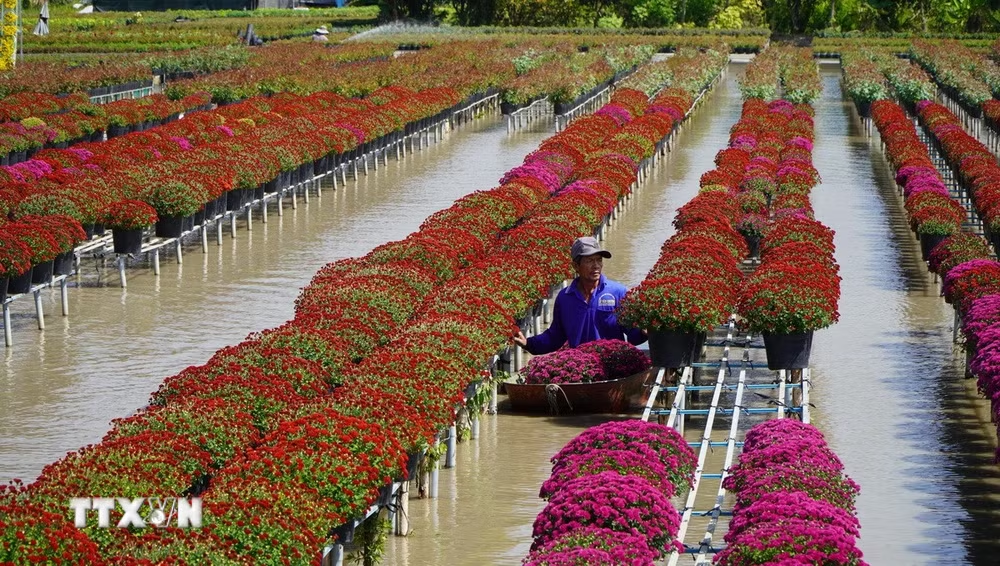
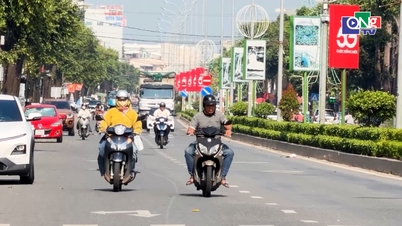
According to Mr. Huynh Anh Dien, Vice Chairman of the People's Committee of Sa Dec Ward, local transportation infrastructure is undergoing a significant transformation, shifting from primarily relying on existing roads to developing in a synchronized manner, enhancing intra-regional and inter-regional connectivity.
The locality is gradually reorganizing the inner-city traffic space. Many main arterial roads have been upgraded and put into use, such as T3 road, Nguyen Tat Thanh road, Dao Duy Tu road, Pham Huu Lau road, Tran Thi Nhuong road, etc.
According to the People's Committee of Sa Dec Ward, the ward is oriented as a multi-functional central urban area of the province, serving as both a high-tech agricultural center and a center for flowers and ornamental plants in the Mekong Delta and the country; a growth pole for agricultural processing industries, supporting industries, and logistics linked to the rice and fruit growing areas of the province and inter-regional areas; and a center for culture, commerce, and the development of cultural-historical tourism and ecotourism.
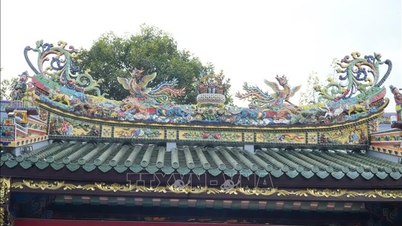
In the coming period, the locality will continue to maintain and improve the criteria for a type 2 urban area and develop in the direction of a smart city and a learning city recognized by UNESCO; complete the transportation connectivity framework, reorganize the development space; and at the same time connect the central urban area with flower villages, heritage sites, valuable architectural works and tourism services.
Source: https://www.vietnamplus.vn/tu-dong-khau-dao-den-do-thi-phat-trien-ben-dong-sa-giang-post1108235.vnp





















































































Comment (0)