An additional month of maternity leave is granted to female workers giving birth to their second child.
According to current regulations in Article 139 of the 2019 Labor Code, female employees are entitled to maternity leave before and after childbirth for a total of 6 months, of which the pre-natal leave period does not exceed 2 months.
However, the 2025 Population Law has added a new provision in Article 14 regarding maintaining the replacement fertility rate. Accordingly, in the case of a second child, the maternity leave period for female workers is 7 months; male workers are entitled to 10 working days of leave when their wives give birth.
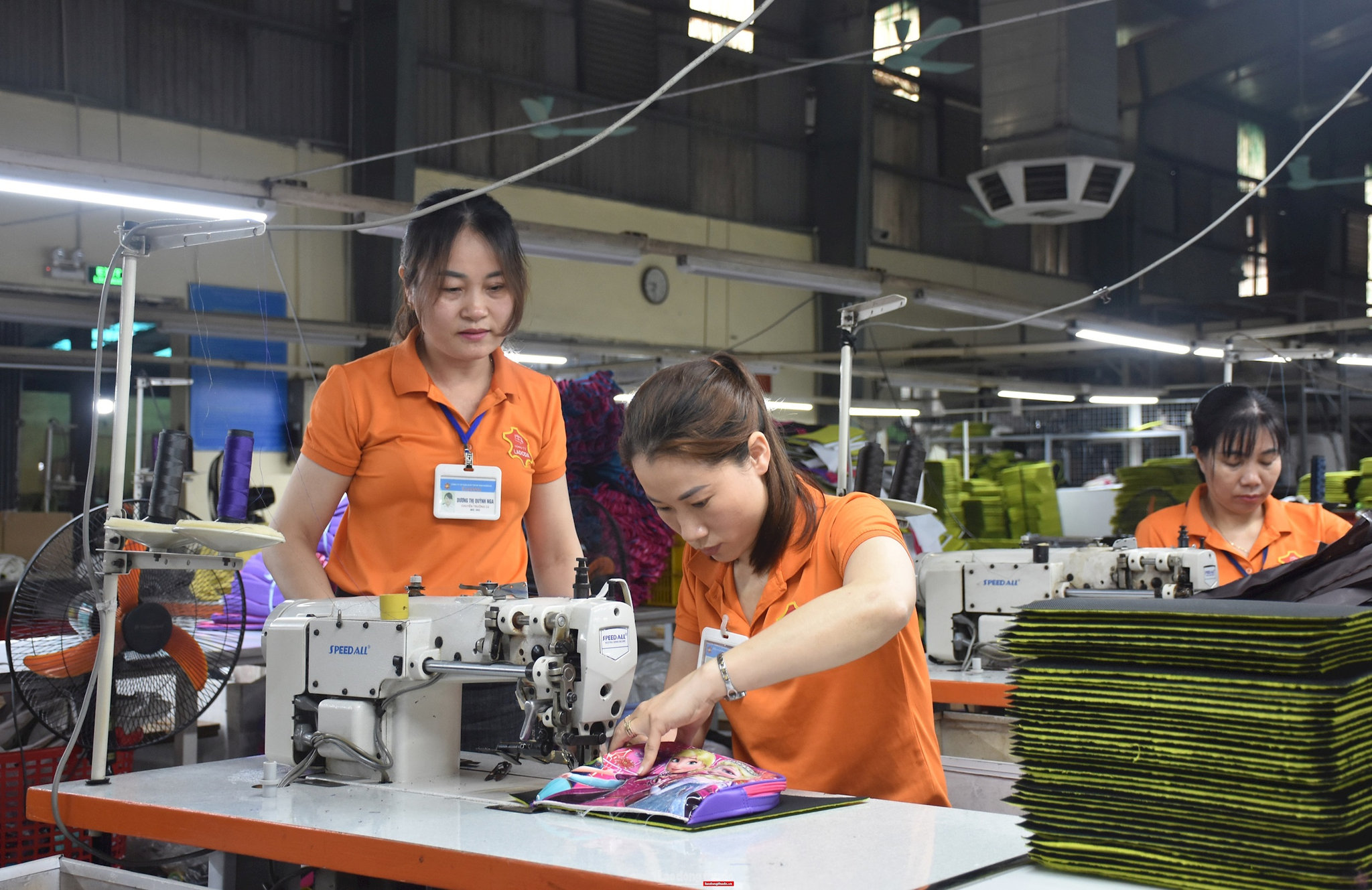
Therefore, from July 1, 2026, female workers giving birth to their second child will be entitled to an additional month of maternity leave compared to the current regulations if they meet the conditions for maternity benefits as stipulated by the law on social insurance and have one live child at the time of birth.
Extending maternity leave is seen as a practical support policy for families raising young children. In the context of increasing economic pressure, employment, and childcare costs, many young couples are hesitant about having two children. The new policy is expected to help alleviate pressure on families, creating more favorable conditions for workers to confidently have and raise their children.
This is also considered one of the solutions to help maintain the replacement fertility rate in the context of many localities, especially large cities, facing a trend of declining birth rates in recent years.
Humanitarian policies for maternal and child health.



According to health experts, the first few months of a child's life are particularly important for their physical and mental development. This is also the period when mothers need extra time to recover their health after childbirth, stabilize their emotions, and adapt to their role in caring for young children.
An extra month of leave allows mothers to better care for their children, maintain breastfeeding for a longer period, and reduce the pressure of returning to work too soon. For those who have had a cesarean section or consecutive births, this additional leave is even more significant for their recovery.
Immediately after the policy was announced, many female workers expressed their agreement and enthusiasm. Many believed that an extra month of maternity leave not only meant more time to care for their children in the early stages of life but also allowed mothers to recover physically and mentally before returning to work.
Ms. Nguyen Thi Lan, a worker at a business in Phuc Loi ward, shared: “Raising a young child in the first few months is very difficult. If mothers are given an extra month off after giving birth to their second child, they will have more time to care for their children and recover their health before returning to work. This is a very practical policy for female workers.”
From the perspective of a labor representative organization, Ms. Ho Thi Kim Ngan, Deputy Head of the Labor Relations Department of the Vietnam General Confederation of Labor, believes that the new regulations demonstrate the State's concern for the lives of workers, especially female workers. The policy not only contributes to ensuring the rights of mothers but also creates conditions for parents to have more time to care for and nurture their young children during the most crucial stage of development.
Guidelines on social insurance schemes need to be finalized soon.
It is clear that extending maternity leave is not only a social welfare policy for workers but also reflects the State's concern for population issues in the new era. This policy better protects the rights of female workers, ensures adequate care for children in their first months of life, and contributes to achieving the country's population and sustainable development goals.
However, as the effective date of the 2025 Population Law approaches, many female workers remain concerned about social insurance benefits when maternity leave is extended to 7 months. One of the key issues is whether maternity benefits will be paid for 6 months as currently stipulated or in full for the entire 7-month leave period under the new regulations.



Expressing her views on this matter, Ms. Ho Thi Kim Ngan suggested that relevant authorities should promptly issue specific guidelines so that businesses and employees have a basis for consistent implementation. Clarifying issues related to leave duration, eligibility conditions, and maternity benefits will help ensure the rights of employees and avoid difficulties in practical implementation.
Regarding this issue, Ms. Duong Thi Minh Chau, Head of the Propaganda and Support Department for Social Insurance Participants in Hanoi, stated that the current Social Insurance Law still stipulates a maternity leave period of 6 months for female workers. Therefore, benefits related to the 7th month of leave need to await specific guidance from competent authorities as well as amendments and additions to the legal system on social insurance.
According to experts, for the new policy to be effective in practice, perfecting the guiding regulations is essential. This will not only help ensure consistency between the Population Law and social insurance regulations but also create peace of mind for workers and businesses during implementation.
Source: https://hanoimoi.vn/tu-ngay-1-7-2026-lao-dong-nu-sinh-con-thu-hai-duoc-nghi-thai-san-7-thang-1209083.html

![[Photo] General Secretary and President To Lam receives Palestinian Ambassador Saadi Salama](https://vphoto.vietnam.vn/thumb/1200x675/vietnam/resource/IMAGE/2026/06/25/1782365384740_a1-bnd-9423-8322-jpg.webp)

![[Image] Schools organize meetings and introduce teaching models to students admitted to grade 10.](https://vphoto.vietnam.vn/thumb/1200x675/vietnam/resource/IMAGE/2026/06/25/1782368077271_ndo_br_z7970052192242-1ec8daeb77a6eed1a4e9f58c564ddd3e-jpg.webp)

![[Image] Ho Chi Minh City: Ma Lang area, Chicken-Rice Market about to change its appearance](https://vphoto.vietnam.vn/thumb/1200x675/vietnam/resource/IMAGE/2026/06/25/1782377698627_ndo_br_m1-jpg.webp)