

- Improve irrigation systems and proactively combat saltwater intrusion.
- Proactive response to drought and salinity during the 2026 dry season.
- Ca Mau strives to cope with drought, saltwater intrusion, and clean water scarcity.
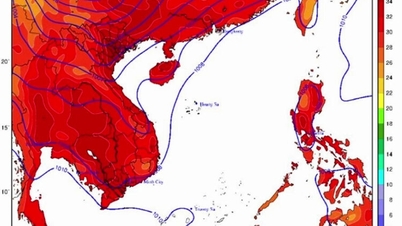
The intense heat of the past few days has led to a shortage of freshwater and deep saltwater intrusion into inland areas. Notably, the El Nino phenomenon is predicted to return in the middle of this year, significantly impacting production.
Given this situation, Ca Mau province has proactively developed a production plan based on drought and saltwater intrusion scenarios, recommending appropriate planting schedules starting from the 2026 summer-autumn rice crop.
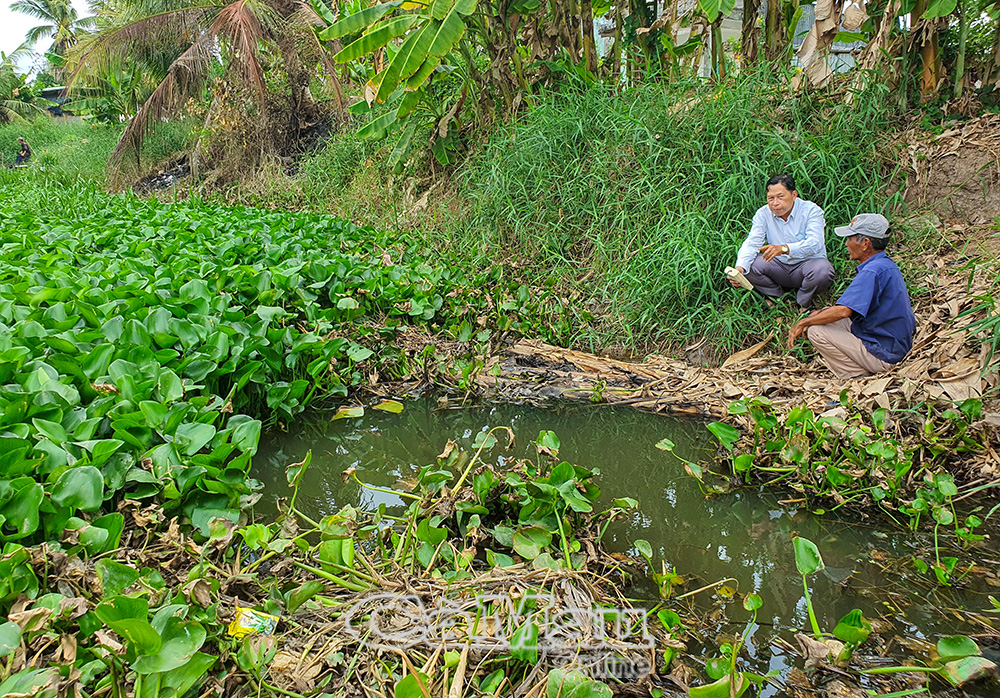 Agricultural officials check the salinity levels in the irrigation canals.
Planting schedule for the 2026 summer-autumn rice crop. Phase 1: Sowing period from April 20, 2026 to May 15, 2026, before the official start of the rainy season, for the following localities: Tan Loc, An Xuyen, Ly Van Lam, Tan Thanh and a portion of the area in the communes of: Khanh Binh, Da Bac, Hong Dan, Ninh Quoi, Phuoc Long, Vinh Phuoc, Vinh Thanh. Phase 2: Sowing period from May 15, 2026 to June 25, 2026, applicable to the remaining areas, especially those with medium to low-lying terrain and a relatively closed dike system. |
Currently, the water supply for production is basically ensured; however, Mr. Pham Van Muoi, Deputy Director of the Department of Agriculture and Environment of the province, advised people to avoid planting summer-autumn rice during periods of high salinity.
"According to forecasts, salinity could reach 4‰, penetrating 40-50km inland, and even up to 60km in some estuary areas. Local agricultural departments are stepping up propaganda efforts, urging farmers to adhere to planting schedules to effectively 'avoid salinity'," Mr. Pham Van Muoi added.
Based on the actual production conditions of each region, the Department of Agriculture of Ca Mau province has guided the planting schedule for the 2026 summer-autumn rice crop into two phases, advising farmers to absolutely not sow outside the guided timeframe to minimize risks due to unfavorable weather, pest and disease outbreaks, and to protect the yield at the end of the season.
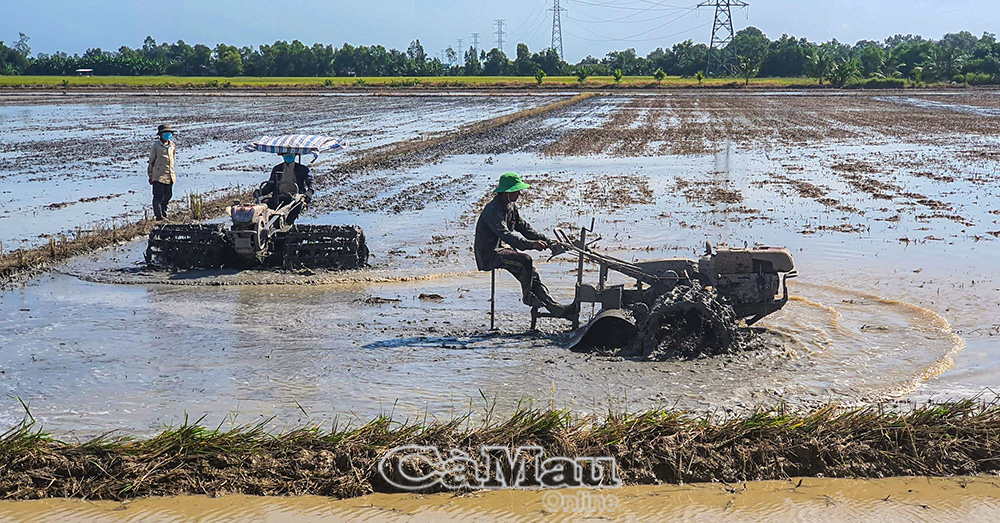 Farmers in Vinh Phuoc commune are preparing the land for planting the 2026 summer-autumn rice crop.
To cope with drought and salinity , many solutions are being implemented simultaneously.
Mr. Pham Van Muoi, Deputy Director of the Provincial Department of Agriculture and Environment, said: "The Department is reviewing and adjusting production planning to suit the reality and needs of the people. At the same time, the province is focusing on investing in irrigation infrastructure, such as main sluice gates separating saline and freshwater areas; coordinating closely with relevant units to dredge canals, clear waterways and regulate water according to a schedule of every 15 days."
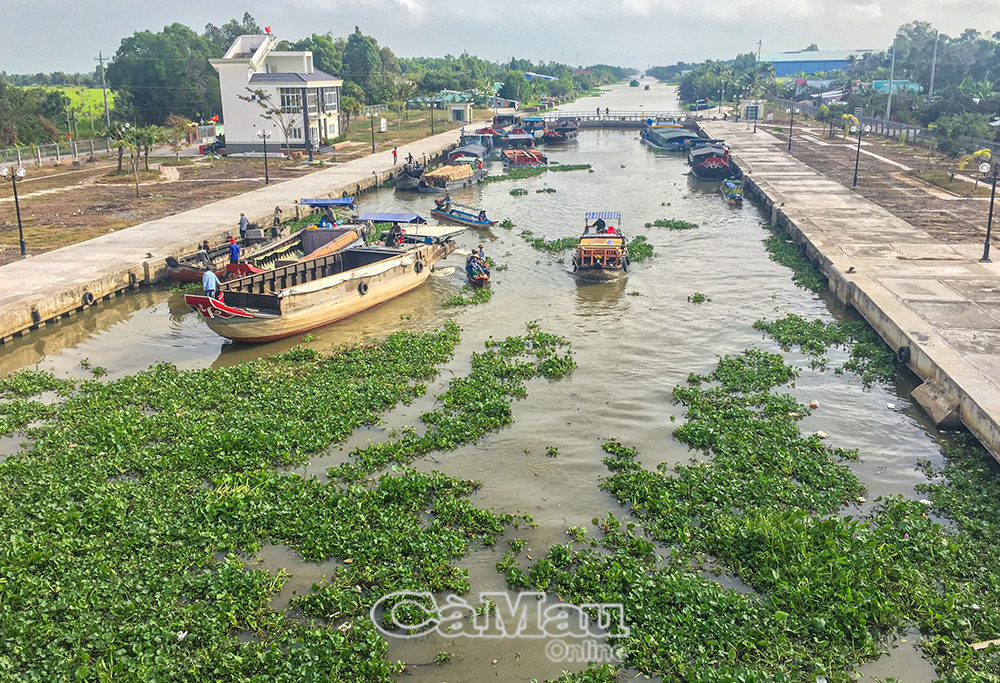 Operating the Ninh Quoi sluice gate helps regulate water levels and prevent saltwater intrusion during the dry season.
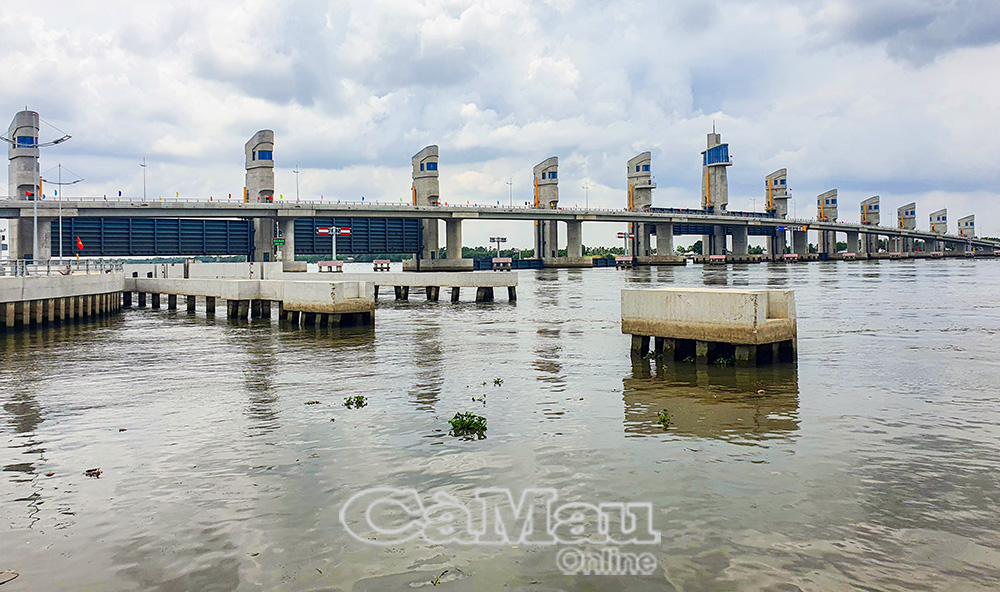 The Cai Lon sluice gate plays a crucial role in regulating water resources for agricultural production in the Ca Mau peninsula region.
Given the unpredictable weather patterns, authorities advise people not to carry out production in areas where water shortages are predicted; and to apply water-saving farming methods, proactively maintain freshwater levels, and prevent saltwater intrusion to protect crops.
Thien Huong - Nguyen Linh
Source: https://baocamau.vn/tuan-thu-lich-thoi-vu-ne-man-hieu-qua-a128238.html





















































































Comment (0)