KHÁI QUÁT VĂN HÓA VIỆT NAM
Việt Nam có một nền văn hoá đặc sắc, lâu đời gắn liền với lịch sử hình thành và phát triển của dân tộc.
Các nhà sử học thống nhất ý kiến ở một điểm: Việt Nam có một cộng đồng văn hoá khá rộng lớn được hình thành vào khoảng nửa đầu thiên niên kỉ thứ nhất trước Công nguyên và phát triển rực rỡ vào giữa thiên niên kỉ này. Đó là cộng đồng văn hoá Đông Sơn. Cộng đồng văn hoá ấy phát triển cao so với các nền văn hoá khác đương thời trong khu vực, có những nét độc đáo riêng nhưng vẫn mang nhiều điểm đặc trưng của văn hoá vùng Đông Nam Á, vì có chung chủng gốc Nam Á (Mongoloid phương Nam) và nền văn minh lúa nước. Những con đường phát triển khác nhau của văn hoá bản địa tại các khu vực khác nhau (lưu vực sông Hồng, sông Mã, sông Cả v.v...) đã hội tụ với nhau, hợp thành văn hoá Đông Sơn. Đây cũng là thời kỳ ra đời nhà nước "phôi thai" đầu tiên của Việt Nam dưới hình thức cộng đồng liên làng và siêu làng (để chống giặc và đắp giữ đê trồng lúa), từ đó các bộ lạc nguyên thuỷ phát triển thành dân tộc.
|
|
|
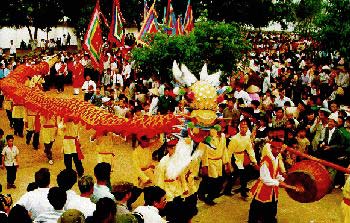
Múa lân |
Giai đoạn văn hoá Văn Lang - Âu Lạc: (gần năm 3000 đến cuối thiên niên kỷ 1 trước CN) vào thời đại đồ đồng sơ khai, trải qua 18 đời vua Hùng, được coi là đỉnh cao thứ nhất của lịch sử văn hoá Việt Nam, với sáng tạo tiêu biểu là trống đồng Đông Sơn và kỹ thuật trồng lúa nước ổn định.
Sau giai đoạn chống Bắc thuộc có đặc trưng chủ yếu là song song tồn tại hai xu hướng Hán hoá và chống Hán hoá, giai đoạn Đại Việt (từ thế kỉ 10 đến 15) là đỉnh cao thứ hai của văn hoá Việt Nam. Qua các triều đại nhà nước phong kiến độc lập, nhất là với hai cột mốc các triều Lý - Trần và Lê, văn hoá Việt Nam được gây dựng lại toàn diện và thăng hoa nhanh chóng có sự tiếp thu ảnh hưởng to lớn của Phật giáo và Nho giáo.
Sau thời kì hỗn độn Lê - Mạc và Trịnh - Nguyễn chia cắt đất nước, rồi từ tiền đề Tây Sơn thống nhất đất nước và lãnh thổ, nhà Nguyễn tìm cách phục hưng văn hoá dựa vào Nho giáo, nhưng lúc ấy Nho giáo đã suy tàn và văn hoá phương Tây bắt đầu xâm nhập nước ta. Kéo dài cho tới khi kết thúc chế độ Pháp thuộc là sự xen cài về văn hoá giữa hai xu hướng Âu hoá và chống Âu hoá, là sự đấu tranh giữa văn hoá yêu nước với văn hoá thực dân.
Giai đoạn văn hoá Việt Nam hiện đại được hình thành kể từ những năm 20 - 30 của thế kỷ này, dưới ngọn cờ của chủ nghĩa yêu nước và chủ nghĩa Mác - Lênin. Với sự hội nhập ngày càng sâu rộng vào nền văn minh thế giới hiện đại, đồng thời giữ gìn, phát huy bản sắc dân tộc, văn hoá Việt Nam hứa hẹn một đỉnh cao lịch sử mới.
Có thể nói xuyên suốt toàn bộ lịch sử Việt Nam, đã có ba lớp văn hoá chồng lên nhau: lớp văn hoá bản địa, lớp văn hoá giao lưu với Trung Quốc và khu vực, lớp văn hoá giao lưu với phương Tây. Nhưng đặc điểm chính của Việt Nam là nhờ gốc văn hoá bản địa vững chắc nên đã không bị ảnh hưởng văn hoá ngoại lai đồng hoá, trái lại còn biết sử dụng và Việt hoá các ảnh hưởng đó làm giầu cho nền văn hoá dân tộc.
Văn hoá dân tộc Việt Nam nảy sinh từ một môi trường sống cụ thể: xứ nóng, nhiều sông nước, nơi gặp gỡ của nhiều nền văn minh lớn. Điều kiện tự nhiên (nhiệt, ẩm, gió mùa, sông nước, nông nghiệp trồng lúa nước...) đã tác động không nhỏ đến đời sống văn hoá vật chất và tinh thần của dân tộc, đến tính cách, tâm lý con người Việt Nam. Tuy nhiên điều kiện xã hội và lịch sử lại là những yếu tố chi phối rất lớn đến văn hoá và tâm lý dân tộc. Cho nên cùng là cư dân vùng trồng lúa nước, vẫn có những điểm khác biệt về văn hoá giữa Việt Nam với Thái Lan, Lào, Indonesia, Ấn Độ v.v... Cùng cội nguồn văn hoá Đông Nam Á, nhưng do sự thống trị lâu dài của nhà Hán, cùng với việc áp đặt văn hoá Hán, nền văn hoá Việt Nam đã biến đổi theo hướng mang thêm các đặc điểm văn hoá Đông Á.
Dân tộc Việt Nam hình thành sớm và luôn luôn phải làm các cuộc chiến tranh giữ nước, từ đó tạo nên một đặc trưng văn hoá nổi bật: tư tưởng yêu nước thấm sâu và bao trùm mọi lĩnh vực. Các yếu tố cộng đồng có nguồn gốc nguyên thuỷ đã sớm được cố kết lại, trở thành cơ sở phát triển chủ nghĩa yêu nước và ý thức dân tộc. Chiến tranh liên miên, đó cũng là lý do chủ yếu khiến cho lịch sử phát triển xã hội Việt Nam có tính bất thường, tất cả các kết cấu kinh tế - xã hội thường bị chiến tranh làm gián đoạn, khó đạt đến điểm đỉnh của sự phát triển chín muồi. Cũng vì chiến tranh phá hoại, Việt Nam ít có được những công trình văn hoá-nghệ thuật đồ sộ, hoặc nếu có cũng không bảo tồn được nguyên vẹn.
Việt Nam gồm 54 dân tộc cùng chung sống trên lãnh thổ, mỗi dân tộc một sắc thái riêng, cho nên văn hoá Việt Nam là một sự thống nhất trong đa dạng. Ngoài văn hoá Việt - Mường mang tính tiêu biểu, còn có các nhóm văn hoá đặc sắc khác như Tày - Nùng, Thái, Chàm, Hoa - Ngái, Môn - Khơme, H’Mông - Dao, nhất là văn hoá các dân tộc Tây Nguyên giữ được những truyền thống khá phong phú và toàn diện của một xã hội thuần nông nghiệp gắn bó với rừng núi tự nhiên. Dưới đây là cái nhìn khái quát về các lĩnh vực văn hoá chủ yếu:
1. Triết học và tư tưởng
Lúc đầu chỉ là những yếu tố tự nhiên nguyên thuỷ thô sơ về duy vật và biện chứng, tư tưởng người Việt trộn lẫn với tín ngưỡng. Tuy nhiên, xuất phát từ gốc văn hóa nông nghiệp, khác với gốc văn hoá du mục ở chỗ trọng tĩnh hơn động, lại có liên quan nhiều với các hiện tượng tự nhiên, tư tưởng triết học Việt Nam đặc biệt chú tâm đến các mối quan hệ mà sản phẩm điển hình là thuyết âm dương ngũ hành (không hoàn toàn giống Trung Quốc) và biểu hiện cụ thể rõ nhất là lối sống quân bình hướng tới sự hài hoà.
Sau đó, chịu nhiều ảnh hưởng tư tưởng của Phật giáo, Nho giáo, Đạo giáo được dung hợp và Việt hoá đã góp phần vào sự phát triển của xã hội và văn hoá Việt Nam. Đặc biệt các nhà Thiền học đời Trần đã suy nghĩ và kiến giải hầu hết các vấn đề triết học mà Phật giáo đặt ra (Tâm-Phật, Không-Có, Sống-Chết...) một cách độc đáo, riêng biệt. Tuy Nho học về sau thịnh vượng, nhiều danh nho Việt Nam cũng không nghiên cứu Khổng-Mạnh một cách câu nệ, mù quáng, mà họ tiếp nhận cả tinh thần Phật giáo, Lão-Trang nên tư tưởng họ có phần thanh thoát, phóng khoáng, gần gũi nhân dân và hoà với thiên nhiên hơn.
Ở các triều đại chuyên chế quan liêu, tư tưởng phong kiến nặng nề đè nén nông dân và trói buộc phụ nữ, nhưng nếp dân chủ làng mạc, tính cộng đồng nguyên thuỷ vẫn tồn tại trên cơ sở kinh tế nông nghiệp tự cấp tự túc. Cắm rễ sâu trong xã hội nông nghiệp Việt Nam là tư tưởng nông dân có nhiều nét tích cực và tiêu biểu cho con người Việt Nam truyền thống. Họ là nòng cốt chống ngoại xâm qua các cuộc kháng chiến và nổi dậy. Họ sản sinh ra nhiều tướng lĩnh có tài, lãnh tụ nghĩa quân, mà đỉnh cao là người anh hùng áo vải Quang Trung-Nguyễn Huệ cuối thế kỷ 18.
Chính sách trọng nông ức thương, chủ yếu dưới triều Nguyễn, khiến cho ý thức thị dân chậm phát triển. Việt Nam xưa kia coi trọng nhất nông nhì sĩ, hoặc nhất sĩ nhì nông, thương nhân bị khinh rẻ, các nghề khác thường bị coi là nghề phụ, kể cả hoạt động văn hoá.
|
 |
|
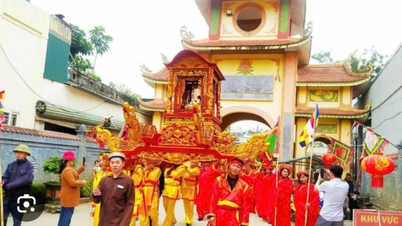
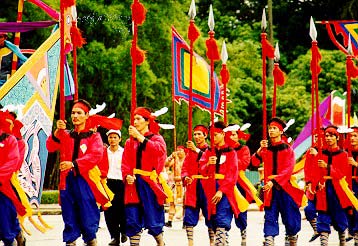
Lễ hội |
Thế kỷ 19, phong kiến trong nước suy tàn, văn minh Trung Hoa suy thoái, thì văn hoá phương Tây bắt đầu xâm nhập Việt Nam theo nòng súng thực dân. Giai cấp công nhân hình thành vào đầu thế kỉ 20 theo chương trình khai thác thuộc địa. Tư tưởng Mác-Lênin được du nhập vào Việt Nam những năm 20-30 kết hợp với chủ nghĩa yêu nước trở thành động lực biến đổi lịch sử đưa đất nước tiến lên độc lập, dân chủ và chủ nghĩa xã hội. Tiêu biểu cho thời đại này là Hồ Chí Minh, anh hùng dân tộc, nhà tư tưởng và danh nhân văn hoá được quốc tế thừa nhận. Giai cấp tư sản dân tộc yếu ớt chỉ tiến hành được một số cuộc cải cách bộ phận ở nửa đầu thế kỉ 20.
Như vậy, Việt Nam không có một hệ thống lý luận triết học và tư tưởng riêng, thiếu triết gia tầm cỡ quốc tế. Nhưng không có nghĩa là không có những triết lý sống và những tư tưởng phù hợp với dân tộc mình.
Xã hội nông nghiệp có đặc trưng là tính cộng đồng làng xã với nhiều tàn dư nguyên thuỷ kéo dài đã tạo ra tính cách đặc thù của con người Việt Nam. Đó là một lối tư duy lưỡng hợp, một cách tư duy cụ thể, thiên về kinh nghiệm cảm tính hơn là duy lý, ưa hình tượng hơn khái niệm, nhưng uyển chuyển linh hoạt, dễ dung hợp, dễ thích nghi. Đó là một lối sống nặng tình nghĩa, đoàn kết gắn bó với họ hàng, làng nước (vì nước mất nhà tan, lụt thì lút cả làng). Đó là một cách hành động theo xu hướng giải quyết dung hoà, quân bình, dựa dẫm các mối quan hệ, đồng thời cũng khôn khéo giỏi ứng biến đã từng nhiều lần biết lấy nhu thắng cương, lấy yếu chống mạnh trong lịch sử.
Trong các bậc thang giá trị tinh thần, Việt Nam đề cao chữ Nhân, kết hợp chặt chẽ Nhân với Nghĩa, Nhân với Đức, bất nhân bất nghĩa đồng nghĩa với thất đức. Nguyễn Trãi từng diễn tả quan niệm Nhân Nghĩa của người Việt - đối lập với cường bạo, nâng lên thành cơ sở của đường lối trị nước và cứu nước. Việt Nam hiểu chữ Trung là Trung với nước, cao hơn Trung với vua, trọng chữ Hiếu nhưng không quá bó hẹp trong khuôn khổ gia đình. Chữ Phúc cũng đứng hàng đầu bảng giá trị đời sống, người ta khen nhà có phúc hơn là khen giầu, khen sang.
Trên con đường công nghiệp hoá, hiện đại hoá, hội nhập thế giới, sẽ phải phấn đấu khắc phục một số nhược điểm trong văn hoá truyền thống; kém tư duy lôgích và khoa học kỹ thuật; đầu óc gia trưởng, bảo thủ, địa phương, hẹp hòi; tư tưởng bình quân; xu hướng phủ định cá nhân, san bằng cá tính; tệ ưa sùng bái và thần thánh hoá; thói chuộng từ chương hư danh, yếu về tổ chức thực tiễn...
2. Phong tục tập quán
Người Việt vốn thiết thực, chuộng ăn chắc mặc bền. Đầu tiên là ăn, có thực mới vực được đạo, trời đánh còn tránh bữa ăn. Cơ cấu ăn thiên về thực vật, cơm rau là chính cộng thêm thuỷ sản. Luộc là cách nấu ăn đặc sắc của Việt Nam. Nhưng cách thức chế biến món ăn lại giầu tính tổng hợp, kết hợp nhiều chất liệu và gia vị. Ngày nay có nhiều thịt cá, vẫn không quên vị dưa cà.
|

|
|
Nhà cổ làng Đường Lâm |
You may also like

Vietnam is a very promising film market.On the eve of the 4th Da Nang Asian Film Festival (DANAFF), taking place from June 28th to July 4th, we had a conversation with Ms. Kim Seon Ah, a member of the jury for the Asian Film Competition category, about her observations on Vietnamese cinema and the relationship between the Vietnamese and Korean film industries.
Người Việt hay dùng các chất liệu vải có nguồn gốc thực vật, mỏng, nhẹ, thoáng, phù hợp xứ nóng, với các sắc màu nâu, chàm, đen. Trang phục nam giới phát triển từ đóng khố ở trần đến áo cánh, quần ta (quần Tàu cải biến). Nữ giới xưa phổ biến mặc yếm, váy, áo tứ thân sau này đổi thành chiếc áo dài hiện đại. Nói chung, phụ nữ Việt Nam làm đẹp một cách tế nhị, kín đáo trong một xã hội "cái nết đánh chết cái đẹp". Trang phục cũ cũng chú ý đến khăn, nón, thắt lưng.
Ngôi nhà Việt Nam xưa gắn liền với môi trường sông nước (nhà sàn, mái cong). Sau đó là nhà tranh vách đất, lợp rạ, vật liệu chủ yếu là tre gỗ, không cao quá để chống gió bão, quan trọng nhất là hướng nhà thường quay về phía Nam chống nóng, tránh rét. Nhà cũng không rộng quá để nhường diện tích cho sân, ao, vườn cây. Vả lại, người Việt Nam quan niệm "rộng nhà không bằng rộng bụng". Các kiến trúc cổ bề thế thường ẩn mình và hoà với thiên nhiên.
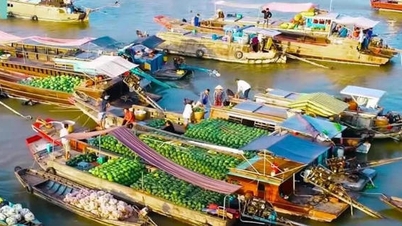
Phương tiện đi lại cổ truyền chủ yếu là đường thuỷ. Con thuyền các loại là hình ảnh thân quen của cảnh quan địa lý - nhân văn Việt Nam, cùng với dòng sông, bến nước.
Các phong tục hôn nhân, tang ma, lễ tết, lễ hội của Việt Nam đều gắn với tính cộng đồng làng xã. Hôn nhân xưa không chỉ là nhu cầu đôi lứa mà còn phải đáp ứng quyền lợi của gia tộc, gia đình, làng xã, nên kén người rất kỹ, chọn ngày lành tháng tốt, trải qua nhiều lễ từ giạm ngõ, ăn hỏi, đón dâu đến tơ hồng, hợp cẩn, lại mặt, và phải nộp cheo để chính thức được thừa nhận là thành viên của làng xóm. Tục lễ tang cũng rất tỉ mỉ, thể hiện thương xót và tiễn đưa người thân qua bên kia thế giới, không chỉ do gia đình lo mà hàng xóm láng giềng tận tình giúp đỡ.
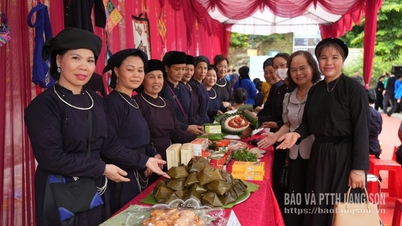
Việt Nam là đất nước của lễ hội quanh năm, nhất là vào mùa xuân, nông nhàn. Các tết chính là tết Nguyên đán, tết Rằm tháng Giêng, tết Hàn thực, tết Đoan ngọ, tết Rằm tháng Bảy, tết Trung thu, tết Ông táo... Mỗi vùng thường có lễ hội riêng, quan trọng nhất là các lễ hội nông nghiệp (cầu mưa, xuống đồng, cơm mới...), các lễ hội nghề nghiệp (đúc đồng, rèn, pháo, đua ghe...). Ngoài ra là các lễ hội kỉ niệm các bậc anh hùng có công với nước, các lễ hội tôn giáo và văn hoá (hội chùa). Lễ hội có 2 phần: phần lễ mang ý nghĩa cầu xin và tạ ơn, phần hội là sinh hoạt văn hoá cộng đồng gồm nhiều trò chơi, cuộc thi dân gian.
3. Tín ngưỡng và tôn giáo
Tín ngưỡng dân gian Việt Nam từ cổ xưa đã bao hàm:
|
|
|
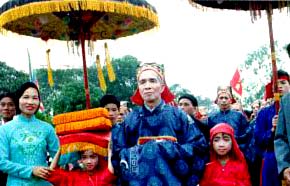
Lễ hội đền Đô |
Tín ngưỡng phồn thực, tín ngưỡng sùng bái tự nhiên và tín ngưỡng sùng bái con người. Con người cần sinh sôi, mùa màng cần tươi tốt để duy trì và phát triển sự sống, nên đã nảy sinh tín ngưỡng phồn thực. Ở Việt Nam, tín ngưỡng đó tồn tại lâu dài, dưới hai dạng biểu hiện: thờ sinh thực khí nam và nữ (khác với ấn Độ chỉ thờ sinh thực khí nam) và thờ cả hành vi giao phối (người và thú, ngay ở Đông Nam Á cũng ít có dân tộc thờ việc này). Dấu tích trên còn để lại ở nhiều di vật tượng và chân cột đá, trong trang trí các nhà mồ Tây Nguyên, trong một số phong tục và điệu múa, rõ nhất là ở hình dáng và hoa văn các trống đồng cổ.
Nông nghiệp trồng lúa nước phụ thuộc vào nhiều yếu tố tự nhiên đã đưa đến tín ngưỡng sùng bái tự nhiên. Ở Việt Nam, đó là tín ngưỡng đa thần và coi trọng nữ thần, lại thờ cả động vật và thực vật. Một cuốn sách nghiên cứu (xuất bản năm 1984) đã liệt kê được 75 nữ thần, chủ yếu là các bà mẹ, các Mẫu (không những có Ông Trời, mà còn có Bà Trời tức Mẫu Cửu Trùng, ngoài ra là Mẫu Thượng Ngàn, Bà chúa Sông v.v...). Về thực vật được tôn sùng nhất là Cây lúa, sau đó tới Cây đa, Cây cau, Cây dâu, quả Bầu. Về động vật, thiên về thờ thú hiền như hươu, nai, cóc, không thờ thú dữ như văn hoá du mục, đặc biệt là thờ các loài vật phổ biến ở vùng sông nước như chim nước, rắn, cá sấu. Người Việt tự nhận là thuộc về họ Hồng Bàng, giống Tiên Rồng (Hồng Bàng là tên một loài chim nước lớn, Tiên là sự trừu tượng hoá một giống chim đẻ trứng, Rồng sự trừu tượng hoá từ rắn, cá sấu). Rồng sinh ra từ nước bay lên trời là biểu trưng độc đáo đầy ý nghĩa của dân tộc Việt Nam.
Trong tín ngưỡng sùng bái con người, phổ biến nhất là tục thờ cúng tổ tiên, gần như trở thành một thứ tôn giáo của người Việt Nam (trong Nam bộ gọi là Đạo Ông Bà). Việt Nam trọng ngày mất là dịp cúng giỗ hơn ngày sinh. Nhà nào cũng thờ Thổ công là vị thần trông coi gia cư, giữ gìn hoạ phúc cho cả nhà. Làng nào cũng thờ Thành hoàng là vị thần cai quản che chở cho cả làng (thường tôn vinh những ngươì có công khai phá lập nghiệp cho dân làng, hoặc các anh hùng dân tộc đã sinh hay mất ở làng). Cả nước thờ vua tổ, có ngày giỗ tổ chung (Hội đền Hùng). Đặc biệt việc thờ Tứ Bất Tử là thờ những giá trị rất đẹp của dân tộc: Thánh Tản Viên (chống lụt), Thánh Gióng (chống ngoại xâm), Chử Đồng Tử (nhà nghèo cùng vợ ngoan cường xây dựng cơ nghiệp giầu có), bà Chúa Liễu Hạnh (công chúa con Trời từ bỏ Thiên đình xuống trần làm người phụ nữ khát khao hạnh phúc bình thường).
Mặc dù có trường hợp dẫn tới mê tín dị đoan, tín ngưỡng dân gian sống dẻo dai và hoà trộn cả vào các tôn giáo chính thống.
Phật giáo (Tiểu thừa) có thể đã được du nhập trực tiếp từ ấn Độ qua đường biển vào Việt Nam khoảng thế kỉ 2 sau CN. Phật giáo Việt Nam không xuất thế mà nhập thế, gắn với phù chú, cầu xin tài lộc, phúc thọ hơn là tu hành thoát tục. Khi Phật giáo (Đại thừa) từ Trung Quốc vào nước ta, tăng lữ Việt Nam mới đi sâu hơn vào Phật học, nhưng dần hình thành những tôn phái riêng như Thiền Tông Trúc Lâm đề cao Phật tại tâm. Thời Lý - Trần, Phật giáo cực thịnh nhưng vẫn đón nhận cả Nho giáo, Lão giáo, tạo nên bộ mặt văn hoá mang tính chất "Tam giáo đồng nguyên" (cả ba tôn giáo cùng tồn tại). Qua nhiều bước thăng trầm, đạo Phật trở nên thân thiết với người Việt Nam, thống kê năm 1993 cho biết vẫn có tới 3 triệu tín đồ xuất gia và khoảng 10 triệu người thường xuyên vãn chùa lễ Phật.
Thời Bắc thuộc, Nho giáo chưa có chỗ đứng trong xã hội Việt Nam, đến năm 1070 Lý Thái Tổ lập Văn Miếu thờ Chu Công-Khổng Tử mới có thể xem là được tiếp nhận chính thức. Thế kỉ 15, do nhu cầu xây dựng đất nước thống nhất, chính quyền tập trung, xã hội trật tự, Nho giáo thay chân Phật giáo trở thành quốc giáo dưới triều Lê. Nho giáo, chủ yếu là Tống Nho, bám chắc vào cơ chế chính trị - xã hội, vào chế độ học hành khoa cử, vào tầng lớp nho sĩ, dần chiếm lĩnh đời sống tinh thần xã hội. Nhưng Nho giáo cũng chỉ được tiếp thụ ở Việt Nam từng yếu tố riêng lẻ - nhất là về chính trị - đạo đức, chứ không bê nguyên xi cả hệ thống.
Đạo giáo thâm nhập vào Việt Nam khoảng cuối thế kỉ 2. Do thuyết vô vi mang tư tưởng phản kháng bọn thống trị, nó được người dân dùng làm vũ khí chống phong kiến phương Bắc. Nó lại có nhiều yếu tố thần tiên, huyền bí, nên hợp với tiềm thức con người và tín ngưỡng nguyên thuỷ. Nhiều nhà nho cũ mộ khuynh hướng ưa thanh tĩnh, nhàn lạc của Lão - Trang. Nhưng từ lâu Đạo giáo như một tôn giáo không tồn tại nữa, chỉ còn để lại di sản trong tin ngưỡng dân gian.
Ki-tô giáo đến Việt Nam vào thế kỉ 17 như một khâu môi giới trung gian của văn hoá phương Tây và của chủ nghĩa thực dân. Nó tranh thủ được cơ hội thuận lợi: chế độ phong kiến khủng hoảng, Phật giáo suy đồi, Nho giáo bế tắc, để trở thành chỗ an ủi tinh thần cho một bộ phận dân chúng nhưng trong một thời gian dài không hoà đồng được với văn hoá Việt Nam. Trái lại, nó buộc phải để giáo dân lập bàn thờ trong nhà. Chỉ khi hoà Phúc âm trong dân tộc, nó mới đứng được ở Việt Nam. Năm 1993 có khoảng 5 triệu tín đồ công giáo và gần nửa triệu tín đố Tin Lành.
Các tôn giáo bên ngoài du nhập vào Việt Nam không làm mất đi tín ngưỡng dân gian bản địa mà hoà quyện vào nhau làm cho cả hai phía đều có những biến thái nhất định. Ví dụ Nho giáo không hạ thấp được vai trò người phụ nữ, việc thờ Mẫu ở Việt Nam rất thịnh hành. Tính đa thần, dân chủ, cộng đồng được thể hiện ở việc thờ tập thể gia tiên, thờ nhiều cặp thần thánh, vào một ngôi chùa thấy không chỉ thờ Phật mà thờ cả nhiều vị khác, thấn linh có mà người thật cũng có. Và có lẽ chỉ ở Việt Nam mới có chuyện con cóc kiện cả ông Trời, cũng như môtíp người lấy tiên trong các chuyện cổ tích. Đây chính là những nét riêng của tín ngưỡng Việt Nam.
4. Ngôn ngữ
Về nguồn gốc tiếng Việt, có nhiều giả thuyết. Giả thuyết giầu sức thuyết phục hơn cả: tiếng Việt thuộc dòng Môn-Khơme của ngữ hệ Đông Nam Á, sau chuyển biến thành tiếng Việt - Mường (hay tiếng Việt cổ) rồi tách ra. Trong tiếng Việt hiện đại, có nhiều từ được chứng minh có gốc Môn-Khơme và tương ứng về ngữ âm, ngữ nghĩa khi so sánh với tiếng Mường.
Trải qua nghìn năm Bắc thuộc, và dưới các triều đại phong kiến, ngôn ngữ chính thống là chữ Hán, nhưng cũng là thời gian tiếng Việt tỏ rõ sức sống đấu tranh tự bảo tồn và phát triển. Chữ Hán được đọc theo cách của người Việt, gọi là cách đọc Hán - Việt. Và được Việt hoá bằng nhiều cách tạo ra nhiều từ Việt thông dụng. Tiếng Việt phát triển phong phú đi đến ra đời hệ thống chữ viết ghi lại tiếng Việt trên cơ sở văn tự Hán vào thế kỉ 13 là chữ Nôm.
Thời kỳ thuộc Pháp, chữ Hán dần bị loại bỏ, thay thế bằng tiếng Pháp dùng trong ngôn ngữ hành chính, giáo dục, ngoại giao. Nhưng nhờ chữ Quốc ngữ, có lợi thế đơn giản về hình thể kết cấu, cách viết, cách đọc, văn xuôi tiếng Việt hiện đại thực sự hình thành, tiếp nhận thuận lợi các ảnh hưởng tích cực của ngôn ngữ văn hoá phương Tây. Chữ quốc ngữ là sản phẩm của một số giáo sĩ phương Tây trong đó có Alexandre de Rhodes hợp tác với một số người Việt Nam dựa vào bộ chữ cái Latinh để ghi âm tiếng Việt dùng trong việc truyền giáo vào thế kỉ 17. Chữ quốc ngữ dần được hoàn thiện, phổ cập, trở thành công cụ văn hoá quan trọng. Cuối thế kỉ 19, đã có sách báo xuất bản bằng chữ quốc ngữ.
Sau Cách mạng tháng Tám 1945, tiếng Việt và chữ quốc ngữ giành được địa vị độc tôn, phát triển dồi dào, là ngôn ngữ đa năng dùng trong mọi lĩnh vực, ở mọi cấp học, phản ánh mọi hiện thực cuộc sống. Ngày nay, nhờ cách mạng, một số dân tộc thiểu số ở Việt Nam cũng có chữ viết riêng.
Đặc điểm của tiếng Việt: đơn âm nhưng vốn từ cụ thể, phong phú, giầu âm sắc hình ảnh, lối diễn đạt cân xứng, nhịp nhàng, sống động, dễ chuyển đổi, thiên về biểu trưng, biểu cảm, rất thuận lợi cho sáng tạo văn học nghệ thuật. Từ điển tiếng Việt xuất bản năm 1997 gồm 38410 mục từ.
5. Văn học
Phát triển song song, tác động qua lại sâu sắc: Văn học Việt Nam xuất hiện khá sớm, có hai thành phần là văn học dân gian và văn học viết. Văn học dân gian chiếm vị trí quan trọng ở Việt Nam, có công lớn gìn giữ phát triển ngôn ngữ dân tộc, nuôi dưỡng tâm hồn nhân dân. Sáng tác dân gian gồm thần thoại, sử thi, truyền thuyết, cổ tích, truyện cười, câu đố, tục ngữ, ca dao... với nhiều màu sắc các dân tộc ở Việt Nam.
Văn học viết ra đời từ khoảng thế kỉ 10. Cho đến đầu thế kỉ 20 cũng có hai bộ phận song song tồn tại: chữ Hán (có thơ, văn xuôi, thể hiện tâm hồn, hiện thực Việt Nam nên vẫn là văn chương Việt Nam) và chữ Nôm (hầu như chỉ có thơ, lưu truyền lại nhiều tác phẩm lớn). Từ những năm 20 của thế kỉ 20, văn học viết chủ yếu sáng tác bằng tiếng Việt qua chữ quốc ngữ, có sự cách tân sâu sắc về các hình thức thể loại như tiểu thuyết, thơ mới, truyện ngắn, kịch... và sự đa dạng về xu hướng nghệ thuật, đồng thời phát triển với tốc độ nhanh, nhất là sau Cách mạng tháng Tám đi theo đường lối lãnh đạo của Đảng Cộng sản Việt Nam, hướng về cuộc sống chiến đấu và lao động của nhân dân.
Có thể nói ở Việt Nam, hầu như cả dân tộc sính thơ, yêu thơ, làm thơ - từ vua quan, tướng lĩnh, sư sãi, sĩ phu đến sau này nhiều cán bộ cách mạng - và một cô thợ cấy, một cụ lái đò, một anh lính chiến đều thuộc dăm câu lục bát, thử một bài vè.
Về nội dung, chủ lưu là dòng văn chương yêu nước bất khuất chống ngoại xâm ở mọi thời kỳ và dòng văn chương phản phong kiến thường thông qua thân phận người phụ nữ. Phê phán các thói hư tật xấu của xã hội cũng là mảng đề tài quan trọng. Các thi hào dân tộc lớn đều là những nhà nhân đạo chủ nghĩa lớn.
Văn học Việt Nam hiện đại phát triển từ lãng mạn đến hiện thực, từ âm hưởng chủ nghĩa anh hùng trong chiến tranh đang chuyển sang mở rộng ra toàn diện cuộc sống, đi vào đời thường, tìm kiếm các giá trị đích thực của con người.
Văn học cổ điển đã tạo nên những kiệt tác như Truyện Kiều (Nguyễn Du), Cung oán ngâm khúc (Nguyễn Gia Thiều), Chinh phụ ngâm (Đặng Trần Côn), Quốc âm thi tập (Nguyễn Trãi)... Việt Nam từ mấy thế kỉ trước đã có những cây bút nữ độc đáo: Hồ Xuân Hương, Đoàn Thị Điểm, Bà huyện Thanh Quan.
Strengthening the friendship between Vietnam and the United States.On July 3rd, as part of the Pacific Partnership - Friends of the Pacific 2026 program, the U.S. Army Pacific delegation, led by Lieutenant General Joel Vowell, Deputy Commander of the U.S. Army Pacific, paid a courtesy visit to the Quang Tri Provincial Military Command.
Văn xuôi hiện đại có những tác giả không thể nói là thua kém thế giới: Nguyễn Công Hoan, Vũ Trọng Phụng, Ngô Tất Tố, Nguyên Hồng, Nguyễn Tuân, Nam Cao... Bên cạnh đó là những nhà thơ đặc sắc như Xuân Diệu, Huy Cận, Hàn Mặc Tử, Nguyễn Bính, Chế Lan Viên, Tố Hữu... Tiếc rằng hiện nay chưa có những tác phẩm lớn phản ánh đầy đủ, trung thực và xứng đáng đất nước và thời đại.
6. Nghệ thuật
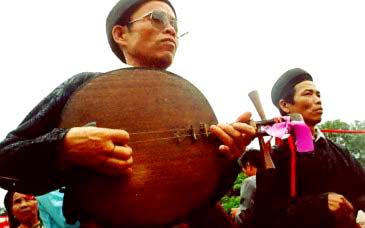
Việt Nam có khoảng 50 nhạc cụ dân tộc, trong đó bộ gõ là phổ biến nhất, đa dạng nhất và có nguồn gốc lâu đời nhất (trống đồng, cồng chiêng, đàn đá, đàn tơ rưng...). Bộ hơi phổ biến là sáo khèn, còn bộ dây độc đáo nhất có đàn bầu và đàn đáy.
|
|
|
Nhạc cụ dân tộc |
Thể loại và làn điệu dân ca Việt Nam rất phong phú khắp Trung, Nam, Bắc: từ ngâm thơ, hát ru, hò đến hát quan họ, trống quân, xoan, đúm, ví giặm, ca Huế, bài chòi, lý. Ngoài ra còn có hát xẩm, chầu văn, ca trù.
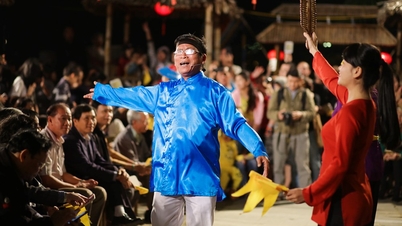
Nghệ thuật sân khấu cổ truyền có chèo, tuồng. Rối nước cũng là một loại hình sân khấu truyền thống đặc sắc có từ thời Lý. Đầu thế kỉ 20, xuất hiện cải lương ở Nam bộ với các điệu vọng cổ.
Nghệ thuật thanh sắc Việt Nam nói chung đều mang tính biểu trưng, biểu cảm, dùng thủ pháp ước lệ, giầu chất trữ tình. Sân khấu truyền thống giao lưu mật thiết với người xem và tổng hợp các loại hình ca múa nhạc. Múa Việt Nam ít động tác mạnh mẽ mà đường nét uốn lượn mềm mại, chân khép kín, múa tay là chính.
Ở Việt Nam, nghệ thuật chạm khắc đá, đồng, gốm đất nung ra đời rất sớm có niên đại 10000 năm trước CN. Sau này gốm tráng men, tượng gỗ, khảm trai, sơn mài, tranh lụa, tranh giấy phát triển đến trình độ nghệ thuật cao. Nghệ thuật tạo hình Việt Nam chú trọng diễn tả nội tâm mà giản lược về hình thức, dùng nhiều thủ pháp cách điệu, nhấn mạnh.
Đã có 2014 di tích văn hoá, lịch sử được Nhà nước công nhận và 2 di tích là cố đô Huế, Vịnh Hạ Long được quốc tế công nhận. Kiến trúc cổ còn lại chủ yếu là một số chùa - tháp đời Lý - Trần; cung điện-bia đời Lê, đình làng thế kỉ 18, thành quách - lăng tẩm đời Nguyễn và những ngọn tháp Chàm.
Thế kỉ 20, tiếp xúc với văn hoá phương Tây, nhất là sau khi nước nhà độc lập, các loại hình nghệ thuật mới như kịch nói, nhiếp ảnh, điện ảnh, ca múa nhạc và mỹ thuật hiện đại ra đời và phát triển mạnh, thu được những thành tựu to lớn với nội dung phản ánh hiện thực đời sống và cách mạng. Cho nên đến giữa năm 1997, đã có 44 người hoạt động văn hoá-nghệ thuật được nhận Giải thưởng Hồ Chí Minh, 130 người được phong danh hiệu Nghệ sĩ nhân dân, 1011 người được tặng danh hiệu Nghệ sĩ ưu tú, đặc biệt có hai người được nhận giải thưởng quốc tế về âm nhạc là Đặng Thái Sơn (Giải âm nhạc Chopin) và Tôn Nữ Nguyệt Minh (Giải âm nhạc Tchaikovski). Tính đến đầu năm 1997, cả nước có 191 đoàn nghệ thuật chuyên nghiệp và 26 xưởng phim, hãng phim, kể cả trung ương và địa phương. Đã có 28 phim truyện, 49 phim thời sự - tài liệu và khoa học được nhận giải thưởng quốc tế ở nhiều nước.
Văn hoá dân tộc cổ truyền hiện đứng trước sự nghiệp công nghiệp hoá và hiện đại hoá, đứng trước những thách thức gay gắt của kinh tế thị trường và xu thế toàn cầu hoá. Nhiều ngành văn hoá nghệ thuật đang có phần chững lại, tìm đường và tự cách tân. Hơn bao giờ hết đặt ra vấn đề bảo tồn và phát triển văn hoá dân tộc, vấn đề lựa chọn các giá trị cũ, xây dựng các giá trị mới. Bảo tồn nhưng vẫn phải là một nền văn hoá mở. Hiện đại nhưng không xa rời dân tộc. Công cuộc đổi mới văn hoá đang tiếp tục...
(Nguồn: Bộ Văn hóa, Thể thao và Du lịch)
Nguồn:https://chinhphu.vn/van-hoa-68391