IMAGES OF THE COMMUNITY OF 54 ETHNIC GROUPS IN VIETNAM
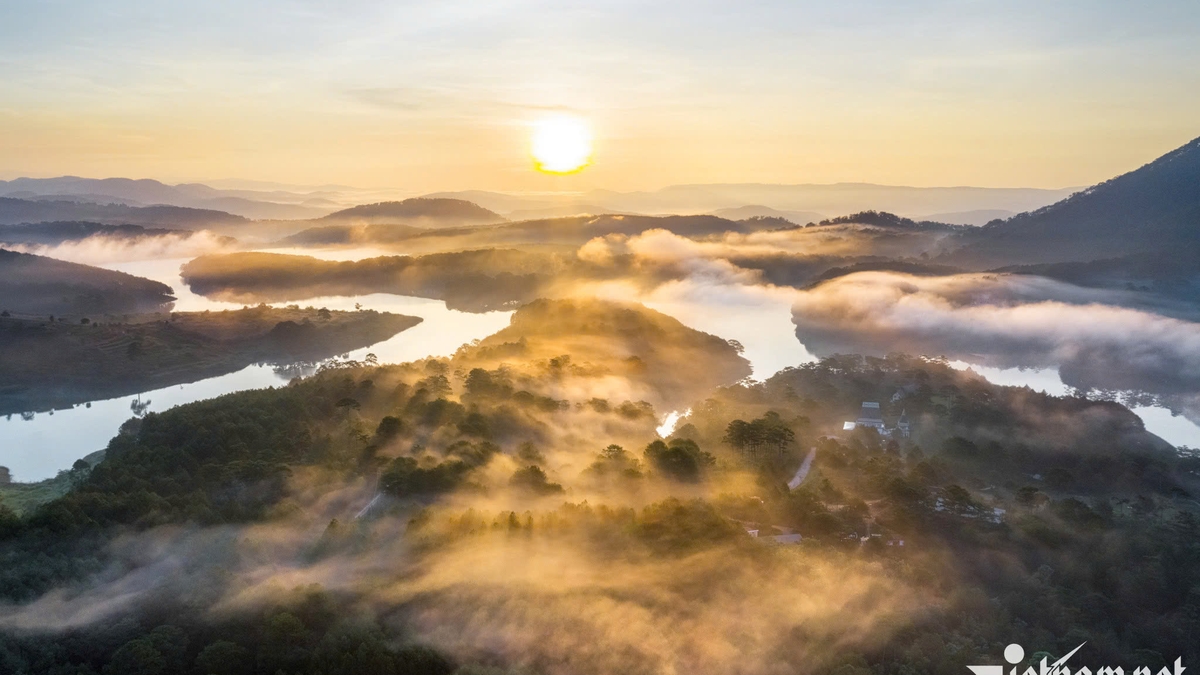
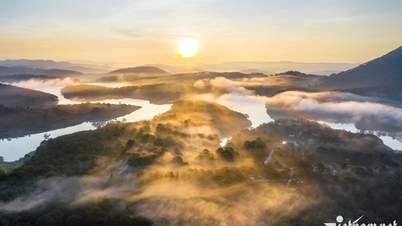
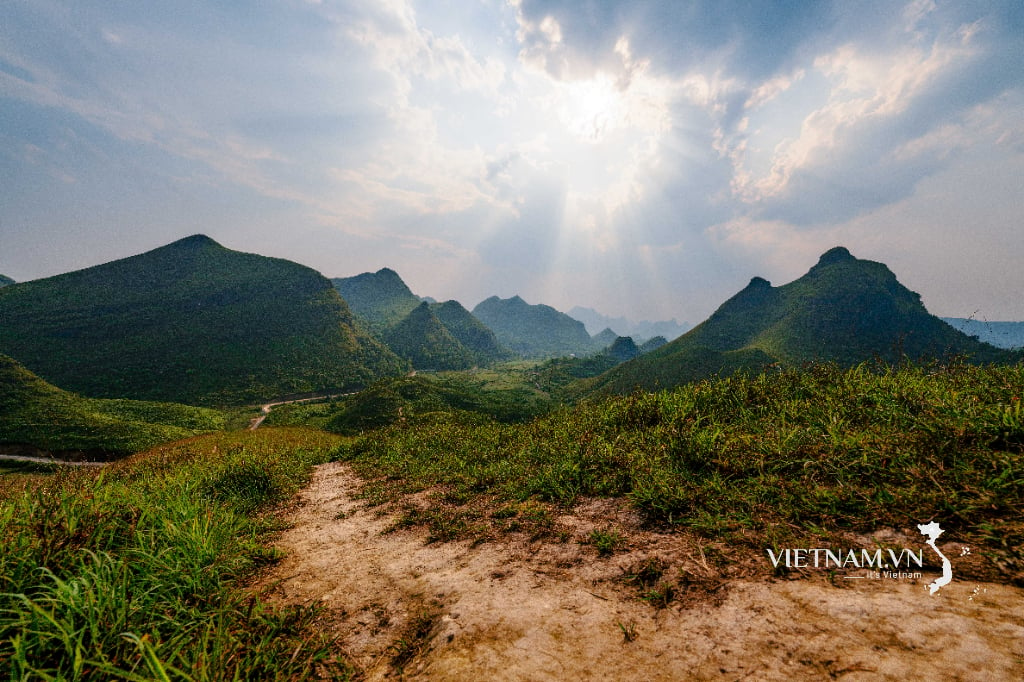
Vietnam – the homeland of many ethnic groups. These ethnic groups are all descendants of Lac Long Quan and Au Co, born from a hundred eggs; half followed their mother to the mountains, half followed their father to the sea, together expanding and building the nation with its "three mountains, four seas, and one part of the land," with its towering mountains, vast plains where egrets fly, and the East Sea with its year-round waves; a continuous border stretching from Lung Cu (North) to Rach Tau (South), from the Truong Son mountain range (West) to the Truong Sa archipelago (East).
Having lived together in one country for a long time, the various ethnic groups share a tradition of patriotism, solidarity, and mutual assistance in conquering nature and engaging in social struggles throughout the history of nation-building, national defense, and national development.
The history of conquering nature is a heroic epic, showcasing the creativity and vibrant spirit of each nation, overcoming all obstacles and adapting to natural conditions for production, survival, and development. With varying natural geographical conditions (geomorphology, soil, climate, etc.), different nations have found different ways of interacting with nature.
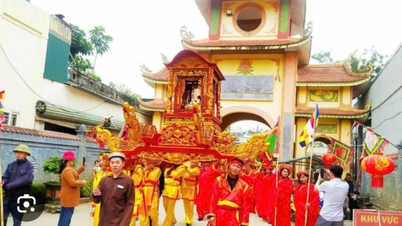
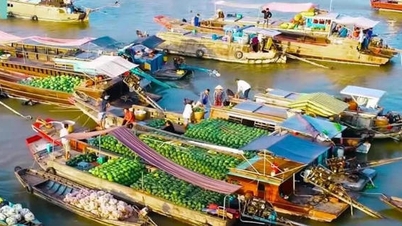
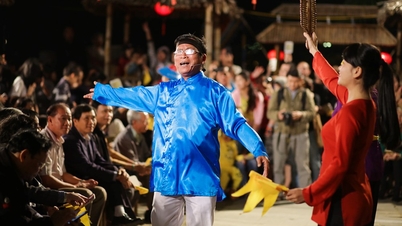
In the plains and midlands, ethnic groups cultivate rice, building village cultures centered around the village communal house, well, and banyan tree, surrounded by resilient and tenacious bamboo hedges. The plains, agriculture, and villages are the inspiration and "ingredient" of the traditional Vietnamese blouses and skirts, the embroidered bodice and conical hat, the graceful and melodious Quan Ho folk songs, and the lingering Southern Vietnamese folk songs that encapsulate the vastness of the Mekong Delta.
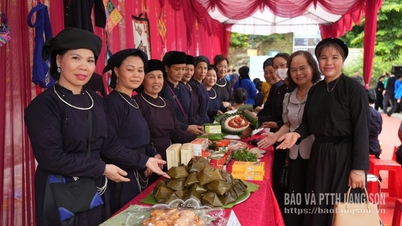
In the lowlands of the mountainous regions, ethnic groups combine wet rice cultivation with dryland farming to grow upland rice and corn, and are beginning to cultivate perennial industrial crops (anise, cinnamon, etc.), replacing natural forests. They live in stilt houses, wearing indigo-colored trousers, skirts, and shirts with many motifs mimicking forest flowers and animals. The people have a custom of drinking rice wine, expressing deep community spirit. Drinkers are intoxicated by the alcohol and captivated by the camaraderie.
In the highlands of Viet Bac and the Central Highlands, the people choose the method of clearing forests for slash-and-burn agriculture – a way of responding to nature in the pre-industrial era. The highlands have a subtropical climate, and farming is mainly done during the summer and autumn seasons. To take advantage of the weather and rotate crops, since ancient times the highland people have developed intercropping, both increasing income and protecting the soil from erosion by summer rains. The skillful hands and aesthetic souls of the girls have created costumes: skirts and blouses with colorful and harmonious patterns, diverse motifs, and soft designs, suitable for working in the fields and convenient for traveling on mountain passes and slopes. The pristine mountains and forests, along with the backward farming methods, are the breeding ground for mystical and enchanting rituals. Most Central Highlands inhabitants have the custom of sacrificing buffaloes as a sacrifice to Giàng (heaven), praying for Giàng's blessings for health, livestock, and a bountiful harvest. This region also holds the potential for many myths and heroic epics whose value can rival that of Chinese and Indian mythology, but which have not yet been fully collected and studied. The local people are the creators of stone xylophones, T'rưng instruments, Krông pút instruments, gongs, and vibrant, communal dances that strengthen community bonds.
Along the coast from North to South, the ethnic groups live by fishing. Every morning, the fishermen's boats set sail and return to the harbor in the evening. Life here is as bustling and urgent as that of farmers in the fields during harvest season.
Everywhere, people are in harmony with nature, and nature, in turn, knows how to please people and rewards their efforts.
Located in Indochina – a gateway connecting mainland Southeast Asia with island Southeast Asia – Vietnam is a melting pot of regional cultures. It encompasses all three major language families of Southeast Asia: the Austronesian, and the Sino-Tibetan. The languages spoken by the Vietnamese people belong to eight different language groups:
You may also like
Hung Kings Commemoration Day - the sacred axis of national memory and identityAmidst the flow of modernity, Hung Kings Commemoration Day is not only a commemorative holiday but also a spiritual anchor, a place where historical memories, the principle of "drinking water, remembering the source" are crystallized, and the cultural resilience of the Vietnamese people in their journey of integration. - The Viet-Muong group comprises four ethnic groups: Chut, Kinh, Muong, and Tho.
- The Tay-Thai group comprises 8 ethnic groups: Bo Y, Giay, Lao , Lu, Nung, San Chay, Tay, and Thai.
- The Mon-Khmer group comprises 21 ethnic groups: Ba Na, Brau, Bru-Van Kieu, Cho-ro, Co, Co-ho, Co-tu, Gie-trieng, Hre, Khang, Khmer, Kho Mu, Ma, Mang, M'Nong, O-du, Ro-mam, Ta-oi, Xinh-mun, Xo-dang, and Xtieng.
- The Mong-Dao group comprises three ethnic groups: Dao, Mong, and Pa Then.
- The Kadai group comprises four ethnic groups: the Co Lao, the La Chi, the La Ha, and the Pu Peo.
- The southern island group comprises five ethnic groups: Cham, Churu, Ede, Gia Rai, and Raglai.
- The Han group comprises three ethnic groups: Hoa, Ngai, and San Diu.
- The Tibetan group comprises six ethnic groups: the Gong, Ha Nhi, La Hu, Lo Lo, Phu La, and Si La.
Although the languages of ethnic groups belong to many different language families, because these groups live very close together, an ethnic group usually knows the languages of the ethnic groups with whom it has daily contact. And despite living together and exchanging cultures, each ethnic group still preserves its own distinct cultural identity. Here, the diversity of ethnic culture is unified within a common law – the law of the nation's upward development, just as the particular is unified within the general in philosophical categories.
The Ho Chi Minh era began with the victory of the August 1945 Revolution, which transformed the lives of the Vietnamese people. The Party and State's consistent national policy from the beginning has been equality, solidarity, mutual assistance, and joint nation-building towards the goal of a prosperous people, a strong nation, a just and civilized society, and a culture rich in national identity.
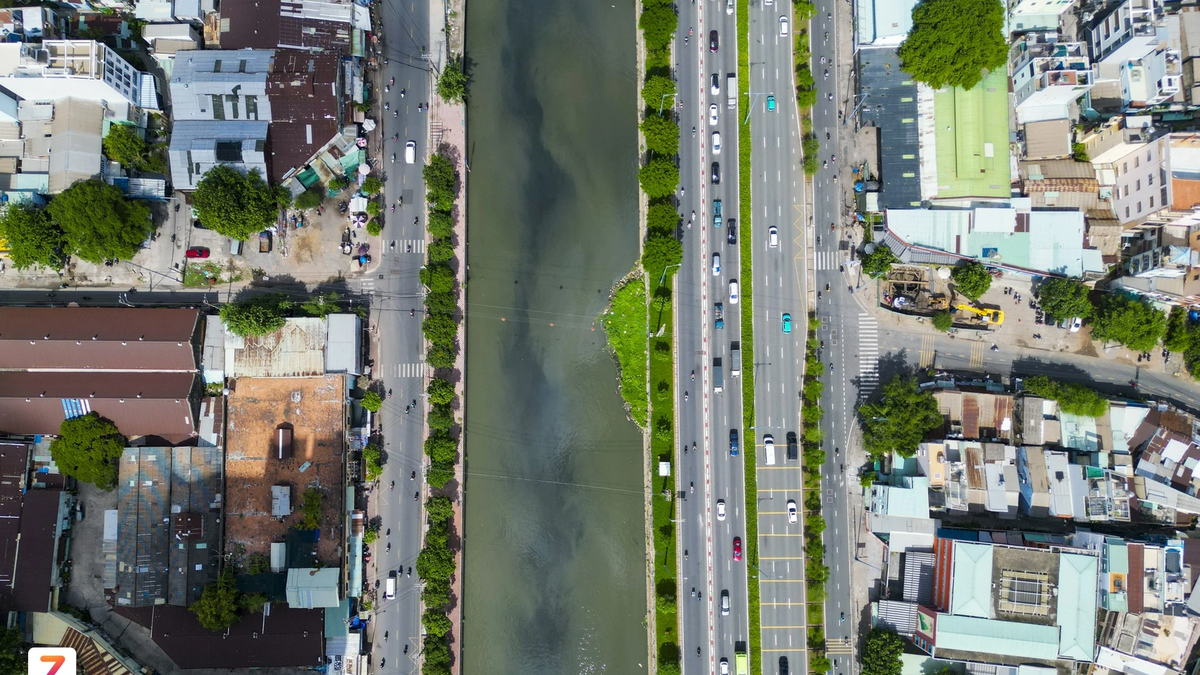
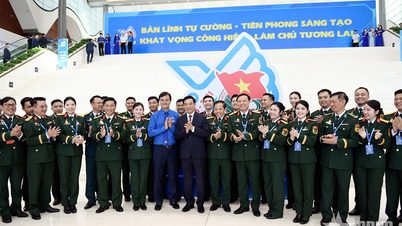
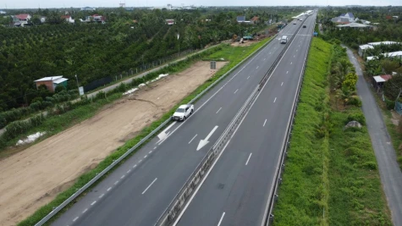
Strengthening the friendship between Vietnam and the United States.On July 3rd, as part of the Pacific Partnership - Friends of the Pacific 2026 program, the U.S. Army Pacific delegation, led by Lieutenant General Joel Vowell, Deputy Commander of the U.S. Army Pacific, paid a courtesy visit to the Quang Tri Provincial Military Command. By implementing correct and innovative ethnic policies in the economic and social fields, we have achieved tremendous, innovative, and modern accomplishments. Infrastructure, especially road transport, irrigation, and telecommunications, has developed to the district level and is gradually expanding to the commune and village levels, the speed of which depends on the specific conditions of each region. As masters of the country, ethnic groups are increasingly participating in state power organs at higher levels. The Party and State are paying attention to training scientific and technical cadres. The number of cadres with university and postgraduate degrees is increasing among ethnic groups. The traditional cultural and artistic heritage of ethnic groups is being collected, preserved, researched, and promoted.
Successfully implementing the Party's ethnic policy, the ethnic groups, which have been closely bound together in the cause of nation-building and national defense, are now even more united in the process of national development. These achievements provide a solid foundation for consolidating national unity, raising the intellectual level of the people, improving living standards, and promoting the development of all ethnic groups.
Category: COMMUNITY OF 54 ETHNIC GROUPS OF VIETNAM
(Source: Committee for Ethnic Minorities)
Source: https://chinhphu.vn/dan-toc-68388