Điều 4 Hiến pháp nước Cộng hòa Xã hội chủ nghĩa Việt Nam năm 2013 xác định vai trò của Đảng Cộng sản Việt Nam: "Đảng Cộng sản Việt Nam - Đội tiên phong của giai cấp công nhân, đồng thời là đội tiên phong của nhân dân lao động và của dân tộc Việt Nam, đại biểu trung thành lợi ích của giai cấp công nhân, nhân dân lao động và của cả dân tộc, lấy chủ nghĩa Mác - Lê nin và tư tưởng Hồ Chí Minh làm nền tảng tư tưởng, là lực lượng lãnh đạo Nhà nước và xã hội.
Đảng Cộng sản Việt Nam gắn bó mật thiết với Nhân dân, phục vụ Nhân dân, chịu sự giám sát của Nhân dân, chịu trách nhiệm trước Nhân dân về những quyết định của mình.
Các tổ chức của Đảng và đảng viên Đảng Cộng sản Việt Nam hoạt động trong khuôn khổ Hiến pháp và pháp luật”.
I. ĐẢNG CỘNG SẢN
(Website Đảng Cộng sản Việt Nam: https://dangcongsan.vn; Website Báo Nhân dân: https://nhandan.vn)
Thực tế, từ khi thành lập năm 1930 đến nay, Đảng Cộng sản Việt Nam đã tổ chức và lãnh đạo xã hội thực hiện mọi thắng lợi của dân tộc Việt Nam. Năm 1945, Đảng Cộng sản Việt Nam lãnh đạo nhân dân làm cuộc cách mạng tháng 8 chấm dứt ách đô hộ của chủ nghĩa thực dân Pháp, lập nên nước Việt Nam Dân chủ Cộng hoà (là nước CHXHCN Việt Nam ngày nay). Năm 1954, sau 9 năm lãnh đạo cuộc kháng chiến chống xâm lược Pháp thắng lợi, Đảng đã giành sự kiểm soát hành chính trên một nửa nước Việt Nam. Từ năm 1954 đến 1975, Đảng Cộng sản Việt Nam đã lãnh đạo sự nghiệp xây dựng chế độ mới ở miền Bắc, thực hiện cuộc kháng chiến chống xâm lược Mỹ trên cả nước và giải phóng hoàn toàn miền Nam năm 1975, thống nhất đất nước năm 1976. Năm 1986 Đảng Cộng sản Việt Nam đã khởi xướng và lãnh đạo công cuộc Đổi mới đạt được nhiều thắng lợi to lớn, sau 10 năm đã đưa đất nước thoát khỏi khủng hoảng kinh tế, xã hội, bước vào thời kỳ mới đẩy mạnh công nghiệp hoá, hiện đại hoá đất nước.
Đảng Cộng sản Việt Nam tổ chức theo nguyên tắc tập trung dân chủ. Cơ quan quyền lực cao nhất là Đại hội toàn quốc 5 năm một lần. Đại hội bầu ra Ban Chấp hành Trung ương. Ban Chấp hành Trung ương bầu ra Bộ Chính trị và Tổng Bí thư. Trước đây chức vụ cao nhất trong Đảng là Chủ tịch Đảng (do Chủ tịch Hồ Chí Minh đảm nhận). Tổng Bí thư đầu tiên của Đảng Cộng sản Việt Nam là đồng chí Trần Phú. Tổng Bí thư hiện nay (khóa XIV) là đồng chí Tô Lâm. Mọi công dân Việt Nam nếu tự nguyện gia nhập Đảng Cộng sản Việt Nam và nếu tổ chức Đảng thấy có đủ tiêu chuẩn thì sẽ làm lễ kết nạp. Tuy nhiên, người Đảng viên mới đó phải trải qua một thời kỳ thử thách, ít nhất là một năm, mới có quyền biểu quyết, bầu cử và ứng cử trong Đảng. Đảng Cộng sản Việt Nam đã trải qua 14 lần đại hội. Đại hội XIV diễn ra vào tháng 01 năm 2026. Hiện nay Đảng có hơn 5,3 triệu đảng viên.
II. HỆ THỐNG NHÀ NƯỚC:
1. Quốc hội:
(Cổng Thông tin điện tử Quốc hội nước Cộng hòa xã hội chủ nghĩa Việt Nam: http://quochoi.vn)
Quốc hội là cơ quan đại biểu cao nhất của nhân dân, cơ quan quyền lực nhà nước cao nhất của nước Cộng hoà xã hội chủ nghĩa Việt Nam.
Quốc hội thực hiện quyền lập hiến, quyền lập pháp, quyết định các vấn đề quan trọng của đất nước và giám sát tối cao đối với hoạt động của Nhà nước.
a) Nhiệm vụ, quyền hạn:
Điều 70 Hiến pháp năm 2013 quy định, Quốc hội có những nhiệm vụ và quyền hạn sau đây:
1. Làm Hiến pháp và sửa đổi Hiến pháp; làm luật và sửa đổi luật;
2. Thực hiện quyền giám sát tối cao việc tuân theo Hiến pháp, luật và nghị quyết của Quốc hội; xét báo cáo công tác của Chủ tịch nước, Uỷ ban thường vụ Quốc hội, Chính phủ, Toà án nhân dân tối cao, Viện kiểm sát nhân dân tối cao, Hội đồng bầu cử quốc gia, Kiểm toán nhà nước và cơ quan khác do Quốc hội thành lập;
3. Quyết định mục tiêu, chỉ tiêu, chính sách, nhiệm vụ cơ bản phát triển kinh tế - xã hội của đất nước;
4. Quyết định chính sách cơ bản về tài chính, tiền tệ quốc gia; quy định, sửa đổi hoặc bãi bỏ các thứ thuế; quyết định phân chia các khoản thu và nhiệm vụ chi giữa ngân sách trung ương và ngân sách địa phương; quyết định mức giới hạn an toàn nợ quốc gia, nợ công, nợ chính phủ; quyết định dự toán ngân sách nhà nước và phân bổ ngân sách trung ương, phê chuẩn quyết toán ngân sách nhà nước;
5. Quyết định chính sách dân tộc, chính sách tôn giáo của Nhà nước;
6. Quy định tổ chức và hoạt động của Quốc hội, Chủ tịch nước, Chính phủ, Toà án nhân dân, Viện kiểm sát nhân dân, Hội đồng bầu cử quốc gia, Kiểm toán nhà nước, chính quyền địa phương và cơ quan khác do Quốc hội thành lập;
7. Bầu, miễn nhiệm, bãi nhiệm Chủ tịch nước, Phó Chủ tịch nước, Chủ tịch Quốc hội, Phó Chủ tịch Quốc hội, Ủy viên Uỷ ban thường vụ Quốc hội, Chủ tịch Hội đồng dân tộc, Chủ nhiệm Ủy ban của Quốc hội, Thủ tướng Chính phủ, Chánh án Toà án nhân dân tối cao, Viện trưởng Viện kiểm sát nhân dân tối cao, Chủ tịch Hội đồng bầu cử quốc gia, Tổng Kiểm toán nhà nước, người đứng đầu cơ quan khác do Quốc hội thành lập; phê chuẩn đề nghị bổ nhiệm, miễn nhiệm, cách chức Phó Thủ tướng Chính phủ, Bộ trưởng và thành viên khác của Chính phủ, Thẩm phán Tòa án nhân dân tối cao; phê chuẩn danh sách thành viên Hội đồng quốc phòng và an ninh, Hội đồng bầu cử quốc gia.
Sau khi được bầu, Chủ tịch nước, Chủ tịch Quốc hội, Thủ tướng Chính phủ, Chánh án Tòa án nhân dân tối cao phải tuyên thệ trung thành với Tổ quốc, Nhân dân và Hiến pháp;
8. Bỏ phiếu tín nhiệm đối với người giữ chức vụ do Quốc hội bầu hoặc phê chuẩn;
9. Quyết định thành lập, bãi bỏ bộ, cơ quan ngang bộ của Chính phủ; thành lập, giải thể, nhập, chia, điều chỉnh địa giới hành chính tỉnh, thành phố trực thuộc trung ương, đơn vị hành chính - kinh tế đặc biệt; thành lập, bãi bỏ cơ quan khác theo quy định của Hiến pháp và luật;
10. Bãi bỏ văn bản của Chủ tịch nước, Uỷ ban thường vụ Quốc hội, Chính phủ, Thủ tướng Chính phủ, Toà án nhân dân tối cao, Viện kiểm sát nhân dân tối cao trái với Hiến pháp, luật, nghị quyết của Quốc hội;
11. Quyết định đại xá;
12. Quy định hàm, cấp trong lực lượng vũ trang nhân dân, hàm, cấp ngoại giao và những hàm, cấp nhà nước khác; quy định huân chương, huy chương và danh hiệu vinh dự nhà nước;
13. Quyết định vấn đề chiến tranh và hoà bình; quy định về tình trạng khẩn cấp, các biện pháp đặc biệt khác bảo đảm quốc phòng và an ninh quốc gia;
14. Quyết định chính sách cơ bản về đối ngoại; phê chuẩn, quyết định gia nhập hoặc chấm dứt hiệu lực của điều ước quốc tế liên quan đến chiến tranh, hòa bình, chủ quyền quốc gia, tư cách thành viên của Cộng hòa xã hội chủ nghĩa Việt Nam tại các tổ chức quốc tế và khu vực quan trọng, điều ước quốc tế về quyền con người, quyền và nghĩa vụ cơ bản của công dân và điều ước quốc tế khác trái với luật, nghị quyết của Quốc hội;
15. Quyết định trưng cầu ý dân.
b) Nhiệm kỳ của Quốc hội:
Điều 71 Hiến pháp năm 2013 quy định: Nhiệm kỳ của mỗi khoá Quốc hội là năm năm.
Sáu mươi ngày trước khi Quốc hội hết nhiệm kỳ, Quốc hội khoá mới phải được bầu xong.
Trong trường hợp đặc biệt, nếu được ít nhất hai phần ba tổng số đại biểu Quốc hội biểu quyết tán thành thì Quốc hội quyết định rút ngắn hoặc kéo dài nhiệm kỳ của mình theo đề nghị của Ủy ban thường vụ Quốc hội. Việc kéo dài nhiệm kỳ của một khóa Quốc hội không được quá mười hai tháng, trừ trường hợp có chiến tranh.
Điều 83 Hiến pháp năm 2013 quy định: Quốc hội họp công khai. Trong trường hợp cần thiết, theo đề nghị của Chủ tịch nước, Ủy ban thường vụ Quốc hội, Thủ tướng Chính phủ hoặc của ít nhất một phần ba tổng số đại biểu Quốc hội, Quốc hội quyết định họp kín.
Quốc hội họp mỗi năm hai kỳ. Trường hợp Chủ tịch nước, Ủy ban thường vụ Quốc hội, Thủ tướng Chính phủ hoặc ít nhất một phần ba tổng số đại biểu Quốc hội yêu cầu thì Quốc hội họp bất thường. Uỷ ban thường vụ Quốc hội triệu tập kỳ họp Quốc hội.
c) Đại biểu Quốc hội: Là công dân Việt Nam, từ 21 tuổi trở lên, có phẩm chất, trình độ, năng lực, được cử tri tín nhiệm bầu ra.
Đại biểu Quốc hội là người đại diện cho ý chí, nguyện vọng của Nhân dân ở đơn vị bầu cử ra mình và của Nhân dân cả nước.
Đại biểu Quốc hội liên hệ chặt chẽ với cử tri, chịu sự giám sát của cử tri; thu thập và phản ánh trung thực ý kiến, nguyện vọng của cử tri với Quốc hội, các cơ quan, tổ chức hữu quan; thực hiện chế độ tiếp xúc và báo cáo với cử tri về hoạt động của đại biểu và của Quốc hội; trả lời yêu cầu và kiến nghị của cử tri; theo dõi, đôn đốc việc giải quyết khiếu nại, tố cáo và hướng dẫn, giúp đỡ việc thực hiện quyền khiếu nại, tố cáo.
Đại biểu Quốc hội phổ biến và vận động Nhân dân thực hiện Hiến pháp và pháp luật.
Đại biểu Quốc hội có quyền trình kiến nghị về luật, pháp lệnh và dự án luật, dự án pháp lệnh trước Quốc hội, Ủy ban thường vụ Quốc hội.
Đại biểu Quốc hội có quyền chất vấn Chủ tịch nước, Chủ tịch Quốc hội, Thủ tướng Chính phủ, Bộ trưởng và các thành viên khác của Chính phủ, Chánh án Toà án nhân dân tối cao, Viện trưởng Viện kiểm sát nhân dân tối cao, Tổng Kiểm toán nhà nước.
d) Chủ tịch và Phó Chủ tịch Quốc hội: Là đại biểu Quốc hội do Quốc hội bầu ra vào kỳ họp đầu tiên của mỗi khóa Quốc hội.
Chủ tịch Quốc hội chủ tọa các phiên họp của Quốc hội; ký chứng thực Hiến pháp, luật, nghị quyết của Quốc hội; lãnh đạo công tác của Uỷ ban thường vụ Quốc hội; tổ chức thực hiện quan hệ đối ngoại của Quốc hội; giữ quan hệ với các đại biểu Quốc hội.
Các Phó Chủ tịch Quốc hội giúp Chủ tịch Quốc hội làm nhiệm vụ theo sự phân công của Chủ tịch Quốc hội.
e) Ủy ban thường vụ Quốc hội: Điều 73 Hiến pháp năm 2013 quy định: Ủy ban thường vụ Quốc hội là cơ quan thường trực của Quốc hội.
Ủy ban thường vụ Quốc hội gồm Chủ tịch Quốc hội, các Phó Chủ tịch Quốc hội và các Ủy viên.
Số thành viên Ủy ban thường vụ Quốc hội do Quốc hội quyết định. Thành viên Ủy ban thường vụ Quốc hội không thể đồng thời là thành viên Chính phủ.
Ủy ban thường vụ Quốc hội của mỗi khoá Quốc hội thực hiện nhiệm vụ, quyền hạn của mình cho đến khi Quốc hội khoá mới bầu ra Ủy ban thường vụ Quốc hội.
Nhiệm vụ và quyền hạn:
Ðiều 74 Hiến pháp năm 2013 quy định: Uỷ ban thường vụ Quốc hội có những nhiệm vụ và quyền hạn sau đây:
1. Tổ chức việc chuẩn bị, triệu tập và chủ trì kỳ họp Quốc hội;
2. Ra pháp lệnh về những vấn đề được Quốc hội giao; giải thích Hiến pháp, luật, pháp lệnh;
3. Giám sát việc thi hành Hiến pháp, luật, nghị quyết của Quốc hội, pháp lệnh, nghị quyết của Uỷ ban thường vụ Quốc hội; giám sát hoạt động của Chính phủ, Tòa án nhân dân tối cao, Viện kiểm sát nhân dân tối cao, Kiểm toán nhà nước và cơ quan khác do Quốc hội thành lập;
4. Đình chỉ việc thi hành văn bản của Chính phủ, Thủ tướng Chính phủ, Toà án nhân dân tối cao, Viện kiểm sát nhân dân tối cao trái với Hiến pháp, luật, nghị quyết của Quốc hội và trình Quốc hội quyết định việc bãi bỏ văn bản đó tại kỳ họp gần nhất; bãi bỏ văn bản của Chính phủ, Thủ tướng Chính phủ, Toà án nhân dân tối cao, Viện kiểm sát nhân dân tối cao trái với pháp lệnh, nghị quyết của Uỷ ban thường vụ Quốc hội;
You may also like

Improving operational quality and service capacity to foster development.Reforming the organizational structure of the political system has been identified by our Party as an extremely important task for the future development of the country. The entire political system has overcome the difficulties and challenges of the initial organizational restructuring phase and has now achieved many results, thereby affirming the correctness of a major policy of the Party. 
Two-tiered local government: Numerous recommendations from grassroots practice.At the National Conference summarizing one year of operation of the overall organizational model of the political system and the three-tiered government model on July 1st, presentations from the grassroots showed that after one year of operation, the two-tiered local government model has created clear changes in organizational structure, leadership and management methods, and the quality of service to the people.
5. Chỉ đạo, điều hòa, phối hợp hoạt động của Hội đồng dân tộc và các Ủy ban của Quốc hội; hướng dẫn và bảo đảm điều kiện hoạt động của đại biểu Quốc hội;
6. Đề nghị Quốc hội bầu, miễn nhiệm, bãi nhiệm Chủ tịch nước, Chủ tịch Quốc hội, Phó Chủ tịch Quốc hội, Ủy viên Uỷ ban thường vụ Quốc hội, Chủ tịch Hội đồng dân tộc, Chủ nhiệm Ủy ban của Quốc hội, Chủ tịch Hội đồng bầu cử quốc gia, Tổng Kiểm toán nhà nước;
7. Giám sát và hướng dẫn hoạt động của Hội đồng nhân dân; bãi bỏ nghị quyết của Hội đồng nhân dân tỉnh, thành phố trực thuộc trung ương trái với Hiến pháp, luật và văn bản của cơ quan nhà nước cấp trên; giải tán Hội đồng nhân dân tỉnh, thành phố trực thuộc trung ương trong trường hợp Hội đồng nhân dân đó làm thiệt hại nghiêm trọng đến lợi ích của Nhân dân;
8. Quyết định thành lập, giải thể, nhập, chia, điều chỉnh địa giới đơn vị hành chính dưới tỉnh, thành phố trực thuộc trung ương;
9. Quyết định việc tuyên bố tình trạng chiến tranh trong trường hợp Quốc hội không thể họp được và báo cáo Quốc hội quyết định tại kỳ họp gần nhất;
10. Quyết định tổng động viên hoặc động viên cục bộ; ban bố, bãi bỏ tình trạng khẩn cấp trong cả nước hoặc ở từng địa phương;
11. Thực hiện quan hệ đối ngoại của Quốc hội;
12. Phê chuẩn đề nghị bổ nhiệm, miễn nhiệm đại sứ đặc mệnh toàn quyền của Cộng hòa xã hội chủ nghĩa Việt Nam;
13. Tổ chức trưng cầu ý dân theo quyết định của Quốc hội.
Ðể thực hiện nhiệm vụ và quyền hạn của mình, Uỷ ban thường vụ Quốc hội giao cho Hội đồng Dân tộc, các Uỷ ban của Quốc hội và Văn phòng Quốc hội chuẩn bị các vấn đề trình Uỷ ban thường vụ Quốc hội xem xét và quyết định.
g) Hội đồng Dân tộc và các Ủy ban của Quốc hội gồm: Ủy ban Pháp luật; Ủy ban Tư pháp; Ủy ban Kinh tế; Ủy ban Tài chính - Ngân sách; Ủy ban Quốc phòng và An ninh; Ủy ban Văn hóa, Giáo dục, Thanh niên Thiếu niên và Nhi đồng; Ủy ban về Các vấn đề Xã hội; Ủy ban Khoa học - Công nghệ và Môi trường; Ủy ban Đối ngoại.
2. Chủ tịch nước:
Điều 86 Hiến pháp năm 2013 quy định: Chủ tịch nước là người đứng đầu Nhà nước, thay mặt nước Cộng hoà xã hội chủ nghĩa Việt Nam về đối nội và đối ngoại.
Chủ tịch nước do Quốc hội bầu trong số đại biểu Quốc hội. Chủ tịch nước chịu trách nhiệm và báo cáo công tác trước Quốc hội.
a) Nhiệm vụ, quyền hạn:
Điều 88 Hiến pháp năm 2013 quy định: Chủ tịch nước có những nhiệm vụ và quyền hạn sau đây:
1. Công bố Hiến pháp, luật, pháp lệnh; đề nghị Uỷ ban thường vụ Quốc hội xem xét lại pháp lệnh trong thời hạn mười ngày, kể từ ngày pháp lệnh được thông qua, nếu pháp lệnh đó vẫn được Uỷ ban thường vụ Quốc hội biểu quyết tán thành mà Chủ tịch nước vẫn không nhất trí thì Chủ tịch nước trình Quốc hội quyết định tại kỳ họp gần nhất;
2. Đề nghị Quốc hội bầu, miễn nhiệm, bãi nhiệm Phó Chủ tịch nước, Thủ tướng Chính phủ; căn cứ vào nghị quyết của Quốc hội, bổ nhiệm, miễn nhiệm, cách chức Phó Thủ tướng Chính phủ, Bộ trưởng và thành viên khác của Chính phủ;
3. Đề nghị Quốc hội bầu, miễn nhiệm, bãi nhiệm Chánh án Toà án nhân dân tối cao, Viện trưởng Viện kiểm sát nhân dân tối cao; căn cứ vào nghị quyết của Quốc hội, bổ nhiệm, miễn nhiệm, cách chức Thẩm phán Tòa án nhân dân tối cao; bổ nhiệm, miễn nhiệm, cách chức Phó Chánh án Tòa án nhân dân tối cao, Thẩm phán các Tòa án khác, Phó Viện trưởng, Kiểm sát viên Viện kiểm sát nhân dân tối cao; quyết định đặc xá; căn cứ vào nghị quyết của Quốc hội, công bố quyết định đại xá;
4. Quyết định tặng thưởng huân chương, huy chương, các giải thưởng nhà nước, danh hiệu vinh dự nhà nước; quyết định cho nhập quốc tịch, thôi quốc tịch, trở lại quốc tịch hoặc tước quốc tịch Việt Nam;
5. Thống lĩnh lực lượng vũ trang nhân dân, giữ chức Chủ tịch Hội đồng quốc phòng và an ninh; quyết định phong, thăng, giáng, tước quân hàm cấp tướng, chuẩn đô đốc, phó đô đốc, đô đốc hải quân; bổ nhiệm, miễn nhiệm, cách chức Tổng tham mưu trưởng, Chủ nhiệm Tổng cục chính trị Quân đội nhân dân Việt Nam; căn cứ vào nghị quyết của Quốc hội hoặc của Uỷ ban thường vụ Quốc hội, công bố, bãi bỏ quyết định tuyên bố tình trạng chiến tranh; căn cứ vào nghị quyết của Uỷ ban thường vụ Quốc hội, ra lệnh tổng động viên hoặc động viên cục bộ, công bố, bãi bỏ tình trạng khẩn cấp; trong trường hợp Uỷ ban thường vụ Quốc hội không thể họp được, công bố, bãi bỏ tình trạng khẩn cấp trong cả nước hoặc ở từng địa phương;
6. Tiếp nhận đại sứ đặc mệnh toàn quyền của nước ngoài; căn cứ vào nghị quyết của Ủy ban thường vụ Quốc hội, bổ nhiệm, miễn nhiệm; quyết định cử, triệu hồi đại sứ đặc mệnh toàn quyền của Cộng hòa xã hội chủ nghĩa Việt Nam; phong hàm, cấp đại sứ; quyết định đàm phán, ký điều ước quốc tế nhân danh Nhà nước; trình Quốc hội phê chuẩn, quyết định gia nhập hoặc chấm dứt hiệu lực điều ước quốc tế quy định tại khoản 14 Điều 70; quyết định phê chuẩn, gia nhập hoặc chấm dứt hiệu lực điều ước quốc tế khác nhân danh Nhà nước.
b) Nhiệm kỳ:
Nhiệm kỳ của Chủ tịch nước theo nhiệm kỳ của Quốc hội. Khi Quốc hội hết nhiệm kỳ, Chủ tịch nước tiếp tục làm nhiệm vụ cho đến khi Quốc hội khoá mới bầu ra Chủ tịch nước.
c) Giúp việc Chủ tịch nước có: Phó Chủ tịch nước, Hội đồng Quốc phòng và An ninh, Văn phòng Chủ tịch nước.
+ Phó Chủ tịch nước do Quốc hội bầu trong số đại biểu Quốc hội. Phó Chủ tịch nước giúp Chủ tịch nước thực hiện nhiệm vụ và có thể được Chủ tịch nước uỷ nhiệm thay Chủ tịch nước thực hiện một số nhiệm vụ.
+ Hội đồng Quốc phòng và An ninh gồm Chủ tịch, Phó Chủ tịch và các Ủy viên. Danh sách thành viên Hội đồng Quốc phòng và An ninh do Chủ tịch nước trình Quốc hội phê chuẩn.
Hội đồng Quốc phòng và An ninh làm việc theo chế độ tập thể và quyết định theo đa số.
Hội đồng Quốc phòng và An ninh trình Quốc hội quyết định tình trạng chiến tranh, trường hợp Quốc hội không thể họp được thì trình Ủy ban thường vụ Quốc hội quyết định; động viên mọi lực lượng và khả năng của đất nước để bảo vệ Tổ quốc; thực hiện những nhiệm vụ, quyền hạn đặc biệt do Quốc hội giao trong trường hợp có chiến tranh; quyết định việc lực lượng vũ trang nhân dân tham gia hoạt động góp phần bảo vệ hòa bình ở khu vực và trên thế giới.
3. Chính phủ:
Điều 94 Hiến pháp năm 2013 quy định: Chính phủ là cơ quan hành chính nhà nước cao nhất của nước Cộng hoà xã hội chủ nghĩa Việt Nam, thực hiện quyền hành pháp, là cơ quan chấp hành của Quốc hội.
Chính phủ chịu trách nhiệm trước Quốc hội và báo cáo công tác trước Quốc hội, Ủy ban thường vụ Quốc hội, Chủ tịch nước.
a) Nhiệm vụ, quyền hạn:
Điều 96 Hiến pháp năm 2013 quy định: Chính phủ có những nhiệm vụ và quyền hạn sau đây:
1. Tổ chức thi hành Hiến pháp, luật, nghị quyết của Quốc hội, pháp lệnh, nghị quyết của Ủy ban thường vụ Quốc hội, lệnh, quyết định của Chủ tịch nước;
2. Đề xuất, xây dựng chính sách trình Quốc hội, Ủy ban thường vụ Quốc hội quyết định hoặc quyết định theo thẩm quyền để thực hiện nhiệm vụ, quyền hạn quy định tại Điều này; trình dự án luật, dự án ngân sách nhà nước và các dự án khác trước Quốc hội; trình dự án pháp lệnh trước Ủy ban thường vụ Quốc hội;
3. Thống nhất quản lý về kinh tế, văn hóa, xã hội, giáo dục, y tế, khoa học, công nghệ, môi trường, thông tin, truyền thông, đối ngoại, quốc phòng, an ninh quốc gia, trật tự, an toàn xã hội; thi hành lệnh tổng động viên hoặc động viên cục bộ, lệnh ban bố tình trạng khẩn cấp và các biện pháp cần thiết khác để bảo vệ Tổ quốc, bảo đảm tính mạng, tài sản của Nhân dân;
4. Trình Quốc hội quyết định thành lập, bãi bỏ bộ, cơ quan ngang bộ; thành lập, giải thể, nhập, chia, điều chỉnh địa giới hành chính tỉnh, thành phố trực thuộc trung ương, đơn vị hành chính - kinh tế đặc biệt; trình Ủy ban thường vụ Quốc hội quyết định thành lập, giải thể, nhập, chia, điều chỉnh địa giới đơn vị hành chính dưới tỉnh, thành phố trực thuộc trung ương;
5. Thống nhất quản lý nền hành chính quốc gia; thực hiện quản lý về cán bộ, công chức, viên chức và công vụ trong các cơ quan nhà nước; tổ chức công tác thanh tra, kiểm tra, giải quyết khiếu nại, tố cáo, phòng, chống quan liêu, tham nhũng trong bộ máy nhà nước; lãnh đạo công tác của các bộ, cơ quan ngang bộ, cơ quan thuộc Chính phủ, Ủy ban nhân dân các cấp; hướng dẫn, kiểm tra Hội đồng nhân dân trong việc thực hiện văn bản của cơ quan nhà nước cấp trên; tạo điều kiện để Hội đồng nhân dân thực hiện nhiệm vụ, quyền hạn do luật định;
6. Bảo vệ quyền và lợi ích của Nhà nước và xã hội, quyền con người, quyền công dân; bảo đảm trật tự, an toàn xã hội;
7. Tổ chức đàm phán, ký điều ước quốc tế nhân danh Nhà nước theo ủy quyền của Chủ tịch nước; quyết định việc ký, gia nhập, phê duyệt hoặc chấm dứt hiệu lực điều ước quốc tế nhân danh Chính phủ, trừ điều ước quốc tế trình Quốc hội phê chuẩn quy định tại khoản 14 Điều 70; bảo vệ lợi ích của Nhà nước, lợi ích chính đáng của tổ chức và công dân Việt Nam ở nước ngoài;
8. Phối hợp với Ủy ban trung ương Mặt trận Tổ quốc Việt Nam và cơ quan trung ương của tổ chức chính trị - xã hội trong việc thực hiện nhiệm vụ, quyền hạn của mình.
b) Nhiệm kỳ:
Nhiệm kỳ của Chính phủ theo nhiệm kỳ của Quốc hội. Khi Quốc hội hết nhiệm kỳ, Chính phủ tiếp tục làm nhiệm vụ cho đến khi Quốc hội khoá mới thành lập Chính phủ.
c) Thành viên Chính phủ:
Chính phủ gồm Thủ tướng Chính phủ, các Phó Thủ tướng Chính phủ, các Bộ trưởng và Thủ trưởng cơ quan ngang bộ. Cơ cấu, số lượng thành viên Chính phủ do Quốc hội quyết định.
Thủ tướng Chính phủ là người đứng đầu Chính phủ, do Quốc hội bầu trong số đại biểu Quốc hội, chịu trách nhiệm trước Quốc hội về hoạt động của Chính phủ và những nhiệm vụ được giao; báo cáo công tác của Chính phủ, Thủ tướng Chính phủ trước Quốc hội, Ủy ban thường vụ Quốc hội, Chủ tịch nước.
Phó Thủ tướng Chính phủ giúp Thủ tướng Chính phủ làm nhiệm vụ theo sự phân công của Thủ tướng Chính phủ và chịu trách nhiệm trước Thủ tướng Chính phủ về nhiệm vụ được phân công. Khi Thủ tướng Chính phủ vắng mặt, một Phó Thủ tướng Chính phủ được Thủ tướng Chính phủ ủy nhiệm thay mặt Thủ tướng Chính phủ lãnh đạo công tác của Chính phủ.
Bộ trưởng, Thủ trưởng cơ quan ngang bộ chịu trách nhiệm cá nhân trước Thủ tướng Chính phủ, Chính phủ và Quốc hội về ngành, lĩnh vực được phân công phụ trách, cùng các thành viên khác của Chính phủ chịu trách nhiệm tập thể về hoạt động của Chính phủ.
4. Toà án nhân dân tối cao:
Điều 104 Hiến pháp năm 2013 quy định: Tòa án nhân dân tối cao là cơ quan xét xử cao nhất của nước Cộng hoà xã hội chủ nghĩa Việt Nam.
Tòa án nhân dân tối cao giám đốc việc xét xử của các Tòa án khác, trừ trường hợp do luật định.
Tòa án nhân dân tối cao thực hiện việc tổng kết thực tiễn xét xử, bảo đảm áp dụng thống nhất pháp luật trong xét xử.
Theo Điều 105 Hiến pháp năm 2013: Nhiệm kỳ của Chánh án Toà án nhân dân tối cao theo nhiệm kỳ của Quốc hội.
Chánh án Toà án nhân dân tối cao chịu trách nhiệm và báo cáo công tác trước Quốc hội; trong thời gian Quốc hội không họp, chịu trách nhiệm và báo cáo công tác trước Ủy ban thường vụ Quốc hội, Chủ tịch nước.
Việc bổ nhiệm, phê chuẩn, miễn nhiệm, cách chức, nhiệm kỳ của Thẩm phán và việc bầu, nhiệm kỳ của Hội thẩm do luật định.
5. Viện Kiểm sát nhân dân tối cao:
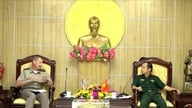
Strengthening the friendship between Vietnam and the United States.On July 3rd, as part of the Pacific Partnership - Friends of the Pacific 2026 program, the U.S. Army Pacific delegation, led by Lieutenant General Joel Vowell, Deputy Commander of the U.S. Army Pacific, paid a courtesy visit to the Quang Tri Provincial Military Command.
Điều 107 Hiến pháp năm 2013 quy định: Viện kiểm sát nhân dân thực hành quyền công tố, kiểm sát hoạt động tư pháp.
Viện kiểm sát nhân dân gồm Viện kiểm sát nhân dân tối cao và các Viện kiểm sát khác do luật định.
Viện kiểm sát nhân dân có nhiệm vụ bảo vệ pháp luật, bảo vệ quyền con người, quyền công dân, bảo vệ chế độ xã hội chủ nghĩa, bảo vệ lợi ích của Nhà nước, quyền và lợi ích hợp pháp của tổ chức, cá nhân, góp phần bảo đảm pháp luật được chấp hành nghiêm chỉnh và thống nhất.
Theo Điều 108 Hiến pháp năm 2013: Nhiệm kỳ của Viện trưởng Viện kiểm sát nhân dân tối cao theo nhiệm kỳ của Quốc hội.
Viện trưởng Viện kiểm sát nhân dân tối cao chịu trách nhiệm và báo cáo công tác trước Quốc hội; trong thời gian Quốc hội không họp, chịu trách nhiệm và báo cáo công tác trước Ủy ban thường vụ Quốc hội, Chủ tịch nước.
6. Tổ chức bộ máy cấp địa phương:
a) Điều 110 Hiến pháp năm 2013 đã được sửa đổi, bổ sung bởi Nghị quyết số 203/2025/QH15 quy định:
Các đơn vị hành chính của nước Cộng hòa xã hội chủ nghĩa Việt Nam được tổ chức thành hai cấp, gồm tỉnh, thành phố trực thuộc trung ương và các đơn vị hành chính dưới tỉnh, thành phố trực thuộc trung ương do luật định.
Đơn vị hành chính - kinh tế đặc biệt do Quốc hội thành lập.
Việc thành lập, giải thể, nhập, chia, điều chỉnh địa giới đơn vị hành chính phải lấy ý kiến Nhân dân địa phương và theo trình tự, thủ tục do Quốc hội quy định.
b) Điều 111 Hiến pháp năm 2013 đã được sửa đổi, bổ sung bởi Nghị quyết số 203/2025/QH15 quy định:
Chính quyền địa phương được tổ chức ở các đơn vị hành chính của nước Cộng hòa xã hội chủ nghĩa Việt Nam.
Cấp chính quyền địa phương gồm có Hội đồng nhân dân và Ủy ban nhân dân được tổ chức ở đơn vị hành chính phù hợp với đặc điểm nông thôn, đô thị, hải đảo do Quốc hội quy định.
Chính quyền địa phương ở đơn vị hành chính - kinh tế đặc biệt do Quốc hội quy định khi thành lập đơn vị hành chính - kinh tế đặc biệt đó.
III. MẶT TRẬN TỔ QUỐC VIỆT NAM
Điều 9 Hiến pháp năm 2013 đã được sửa đổi, bổ sung bởi Nghị quyết số 203/2025/QH15 quy định: Mặt trận Tổ quốc Việt Nam là tổ chức liên minh chính trị, liên hiệp tự nguyện của tổ chức chính trị, các tổ chức chính trị - xã hội, tổ chức xã hội và các cá nhân tiêu biểu trong các giai cấp, tầng lớp xã hội, dân tộc, tôn giáo, người Việt Nam định cư ở nước ngoài.
Mặt trận Tổ quốc Việt Nam là bộ phận của hệ thống chính trị của nước Cộng hòa xã hội chủ nghĩa Việt Nam, do Đảng Cộng sản Việt Nam lãnh đạo; là cơ sở chính trị của chính quyền nhân dân; tập hợp, phát huy sức mạnh đại đoàn kết toàn dân tộc; thể hiện ý chí, nguyện vọng và phát huy quyền làm chủ của Nhân dân; đại diện, bảo vệ quyền và lợi ích hợp pháp, chính đáng của Nhân dân; thực hiện dân chủ, tăng cường đồng thuận xã hội; giám sát, phản biện xã hội; phản ánh ý kiến, kiến nghị của Nhân dân đến các cơ quan nhà nước; tham gia xây dựng Đảng, Nhà nước, hoạt động đối ngoại nhân dân, góp phần xây dựng và bảo vệ Tổ quốc.
Mặt trận Tổ quốc Việt Nam, các tổ chức thành viên của Mặt trận và các tổ chức xã hội khác hoạt động trong khuôn khổ Hiến pháp và pháp luật. Nhà nước tạo điều kiện để Mặt trận Tổ quốc Việt Nam, các tổ chức thành viên của Mặt trận và các tổ chức xã hội khác hoạt động.
IV. CÔNG ĐOÀN
Điều 10 Hiến pháp năm 2013 đã được sửa đổi, bổ sung bởi Nghị quyết số 203/2025/QH15 quy định: Công đoàn Việt Nam là tổ chức chính trị - xã hội của giai cấp công nhân và của người lao động; đại diện, chăm lo và bảo vệ quyền, lợi ích hợp pháp, chính đáng cho đoàn viên công đoàn và người lao động; là đại diện duy nhất của người lao động ở cấp quốc gia trong quan hệ lao động và quan hệ quốc tế về công đoàn; tham gia quản lý nhà nước, quản lý kinh tế - xã hội; tham gia kiểm tra, thanh tra, giám sát hoạt động của cơ quan nhà nước, tổ chức, đơn vị, doanh nghiệp về những vấn đề liên quan đến quyền, nghĩa vụ của người lao động; tuyên truyền, vận động người lao động học tập, nâng cao trình độ, kỹ năng nghề nghiệp, chấp hành pháp luật, xây dựng và bảo vệ Tổ quốc.
V. CÁC TỔ CHỨC CHÍNH TRỊ - XÃ HỘI KHÁC
Điều 9 Hiến pháp năm 2013 đã được sửa đổi, bổ sung bởi Nghị quyết số 203/2025/QH15 quy định: Công đoàn Việt Nam, Hội Nông dân Việt Nam, Đoàn Thanh niên Cộng sản Hồ Chí Minh, Hội Liên hiệp Phụ nữ Việt Nam, Hội Cựu chiến binh Việt Nam là các tổ chức chính trị - xã hội trực thuộc Mặt trận Tổ quốc Việt Nam, được thành lập trên cơ sở tự nguyện, đại diện và bảo vệ quyền, lợi ích hợp pháp, chính đáng của thành viên, hội viên tổ chức mình; được tổ chức và hoạt động thống nhất trong Mặt trận Tổ quốc Việt Nam; cùng với các tổ chức thành viên khác của Mặt trận hiệp thương dân chủ, phối hợp và thống nhất hành động do Mặt trận Tổ quốc Việt Nam chủ trì.
Nguồn:https://chinhphu.vn/he-thong-chinh-tri-68381



![[Photo] General Secretary and President To Lam working with the Technical and Professional Center, Ministry of Public Security](https://vphoto.vietnam.vn/thumb/1200x675/vietnam/resource/IMAGE/2026/07/06/1783318005842_a1-bnd-1129-2263-jpg.webp)