

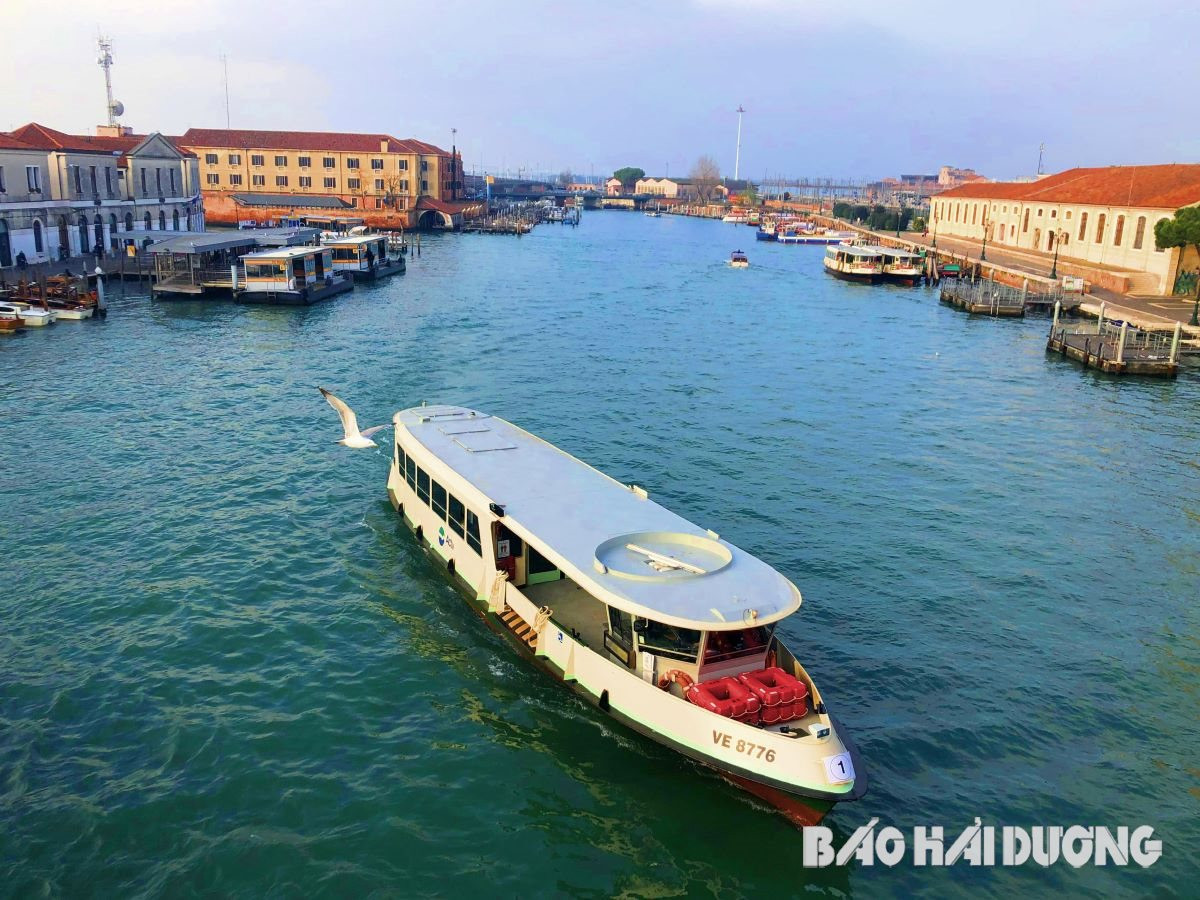
The city is built on an archipelago of 118 islands separated by open waters and canals. Parts of the city are connected by approximately 150 canals and 400 bridges. Therefore, it is known as the floating city or the city of canals. Venice is famous for its scenic beauty, architecture, and artwork, with significant artistic movements, especially during the Renaissance, playing a crucial role in the history of world musical instruments and opera.
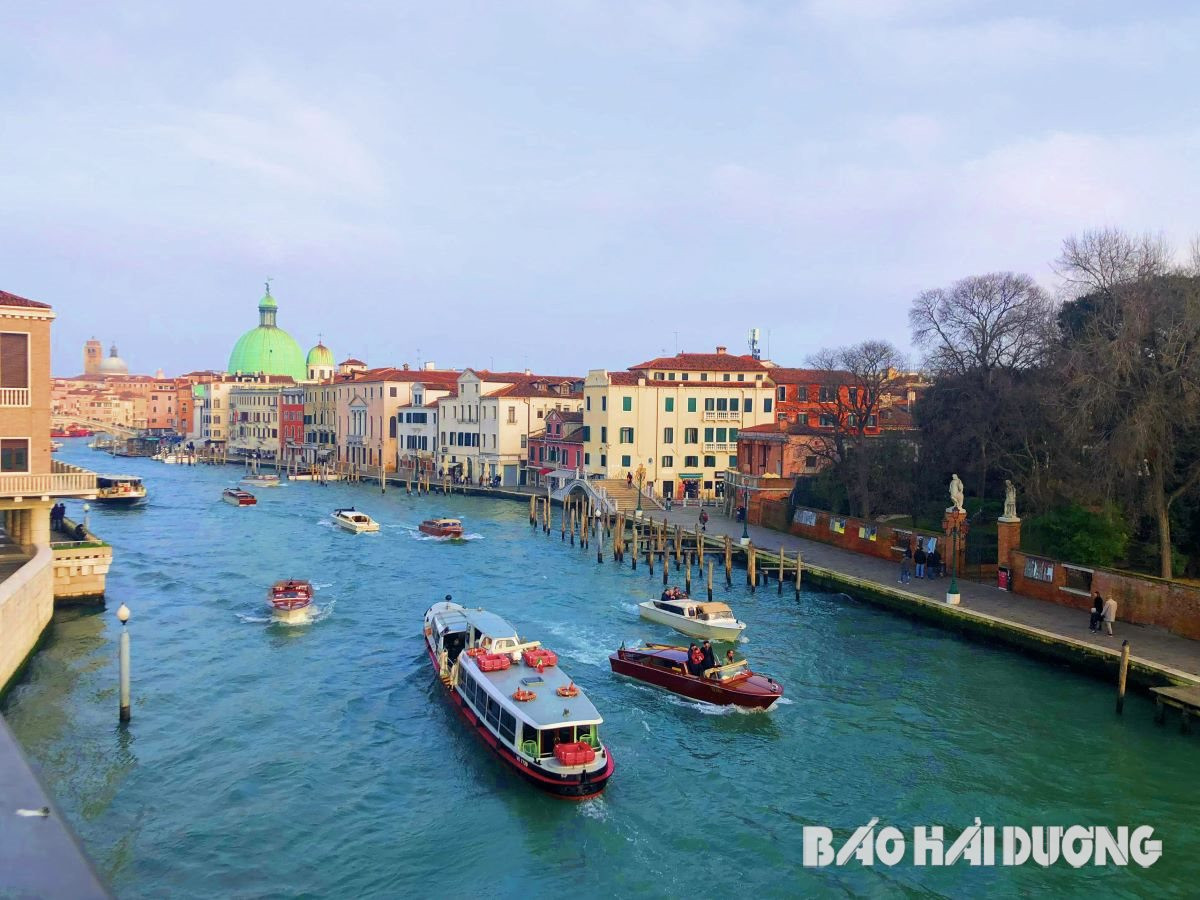
From above, the city unfolds brilliantly with its magnificent castles, palaces, and churches alongside sparkling canals. Here and there, seagulls soar across the sky. The Grand Canal is Venice's largest and most important canal, approximately 4 kilometers long. It's always bustling with traffic and tourists. The main modes of transportation are gondolas, water taxis, and water buses. Gondolas are long, flat-bottomed boats, very old and dating back to the 16th century, rowed by locals. Previously, there were thousands of gondolas, but in recent years, their number has dwindled to only hundreds. Replacing gondolas, water taxis, and water buses are powerful motorboats, which are becoming increasingly popular in Venice.
Along the Grand Canal are famous mansions, palaces, and churches. The most prominent among them are the Santa Sofia mansion, the Santa Maria della Salute Basilica, and the Palazzo Dario.
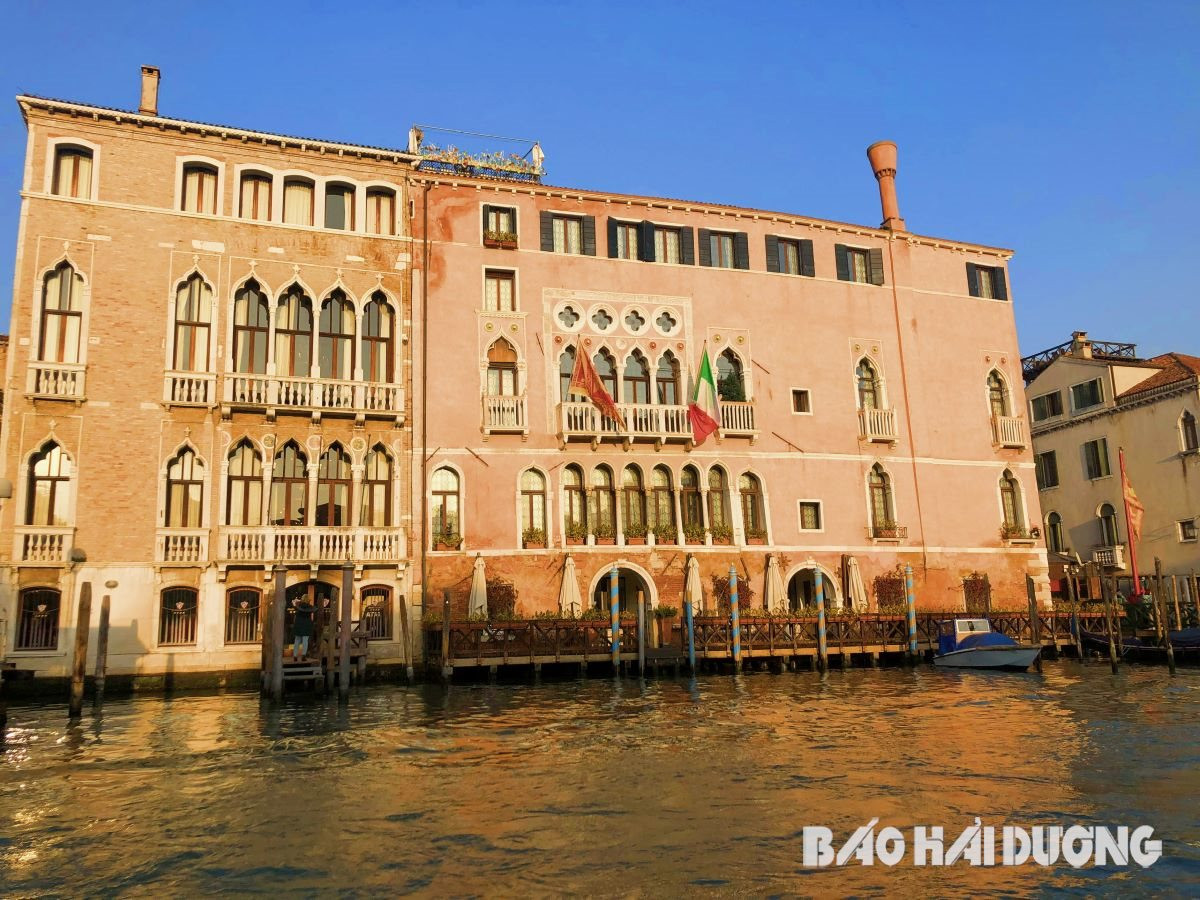
The Santa Sofia Palace (meaning "Golden House" in Vietnamese) was built by a local noble family between 1421 and 1422. The palace is a prime example of the changing styles of Gothic architecture in Venice, with its asymmetrical spatial divisions marking the beginning of the Renaissance architectural style. Today, the palace is a state-owned art museum, displaying numerous paintings, sculptures, and handicrafts.
The Basilica of Santa Maria della Salute was built in 1631 as a tribute to the Virgin Mary after a devastating plague outbreak in the region killed a third of the population. The basilica is one of the most important religious buildings in Venice, taking 56 years to construct and completed in 1687. It is a massive structure with a large dome visible from anywhere in the city.
Palazzo Dario is known as one of Europe's most haunted places, or "the house of death." Since its construction in 1479, the castle's owners have all been victims of misfortune or suffered painful deaths. Most recently, in 1993, the castle's owner committed suicide in his room.
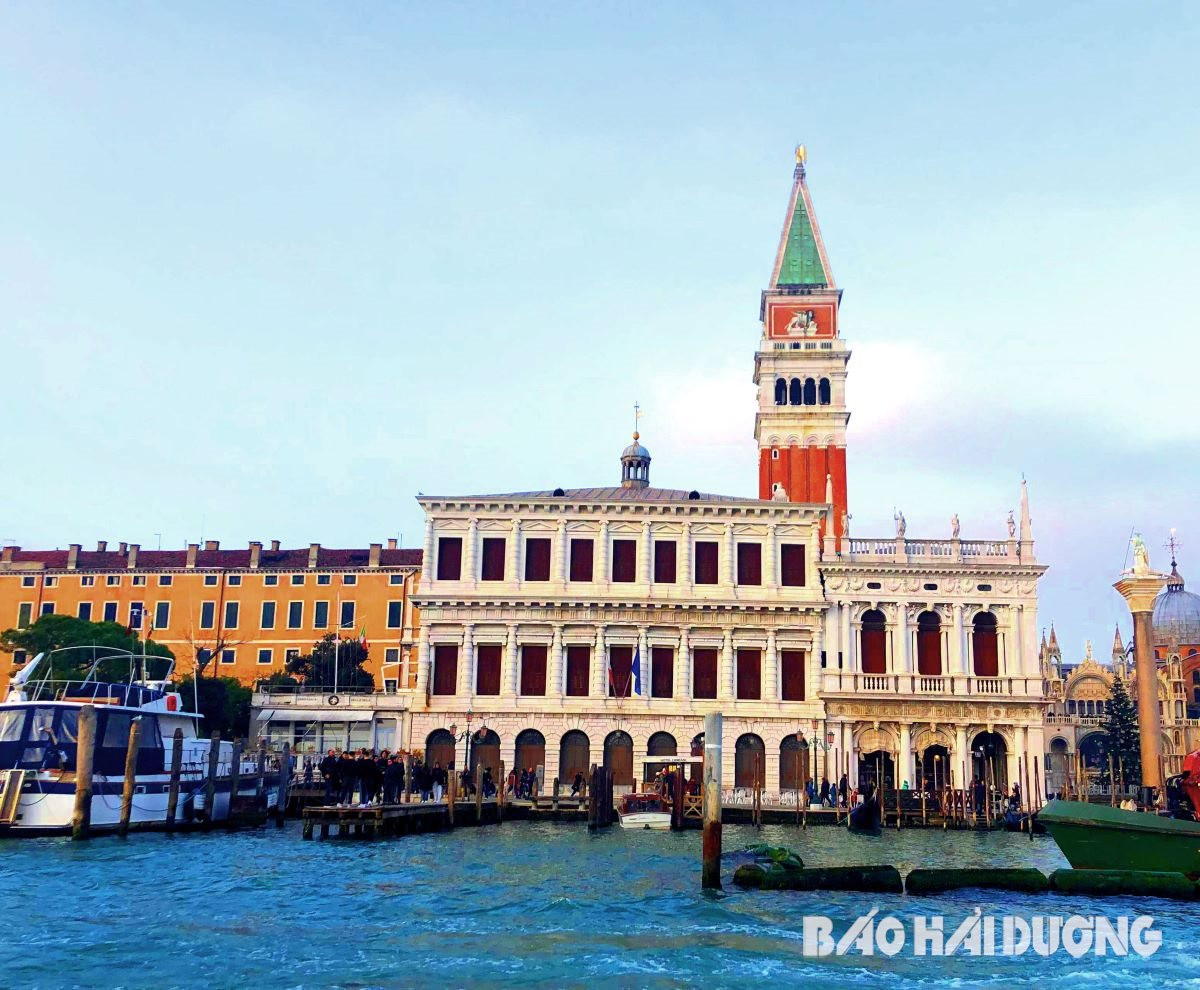
Walking along the Grand Canal, you can also admire St. Mark's Tower. The tallest tower in Venice, at 98.6 meters high, it is topped with a gilded statue of the Archangel Gabriel.
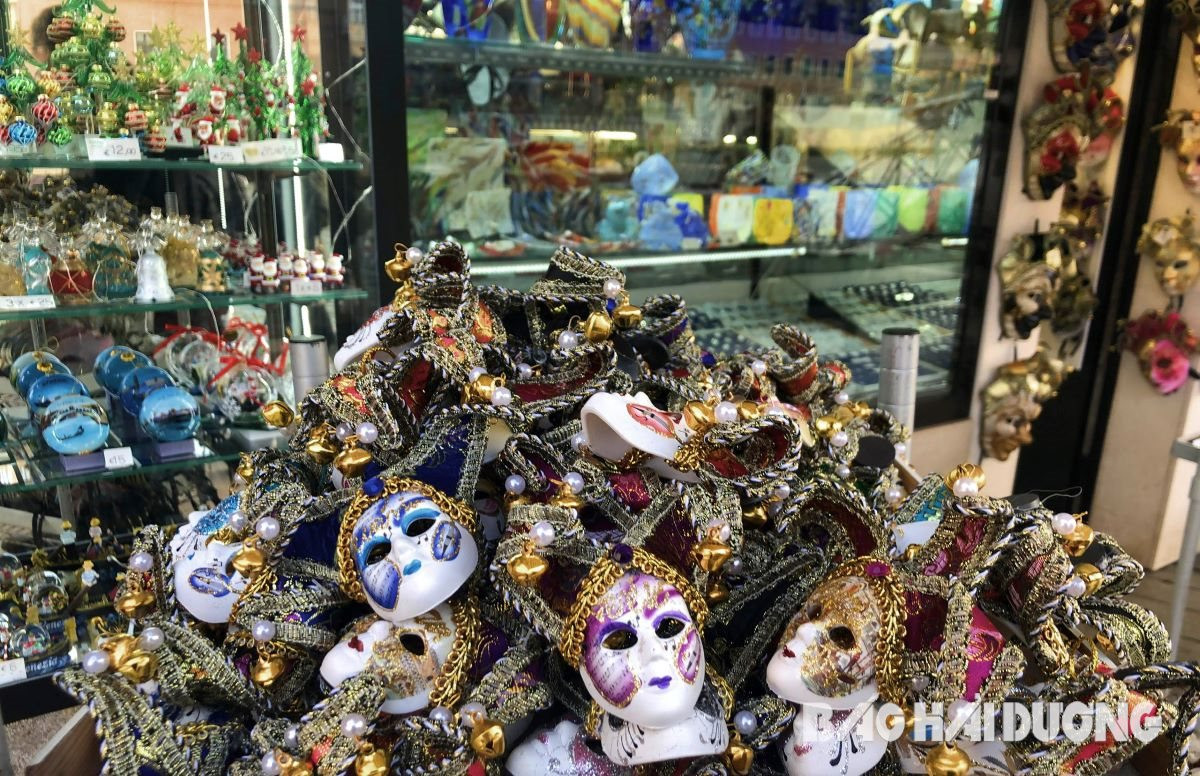
One of the most popular souvenirs for tourists visiting Venice is the masks, available in various shapes and colors such as bauta (white mask with a square jaw), moretta (black, oval mask), gnaga (cat mask), etc. The Venice Carnival, a masquerade festival usually held in February each year, is one of the most famous festivals in Italy.
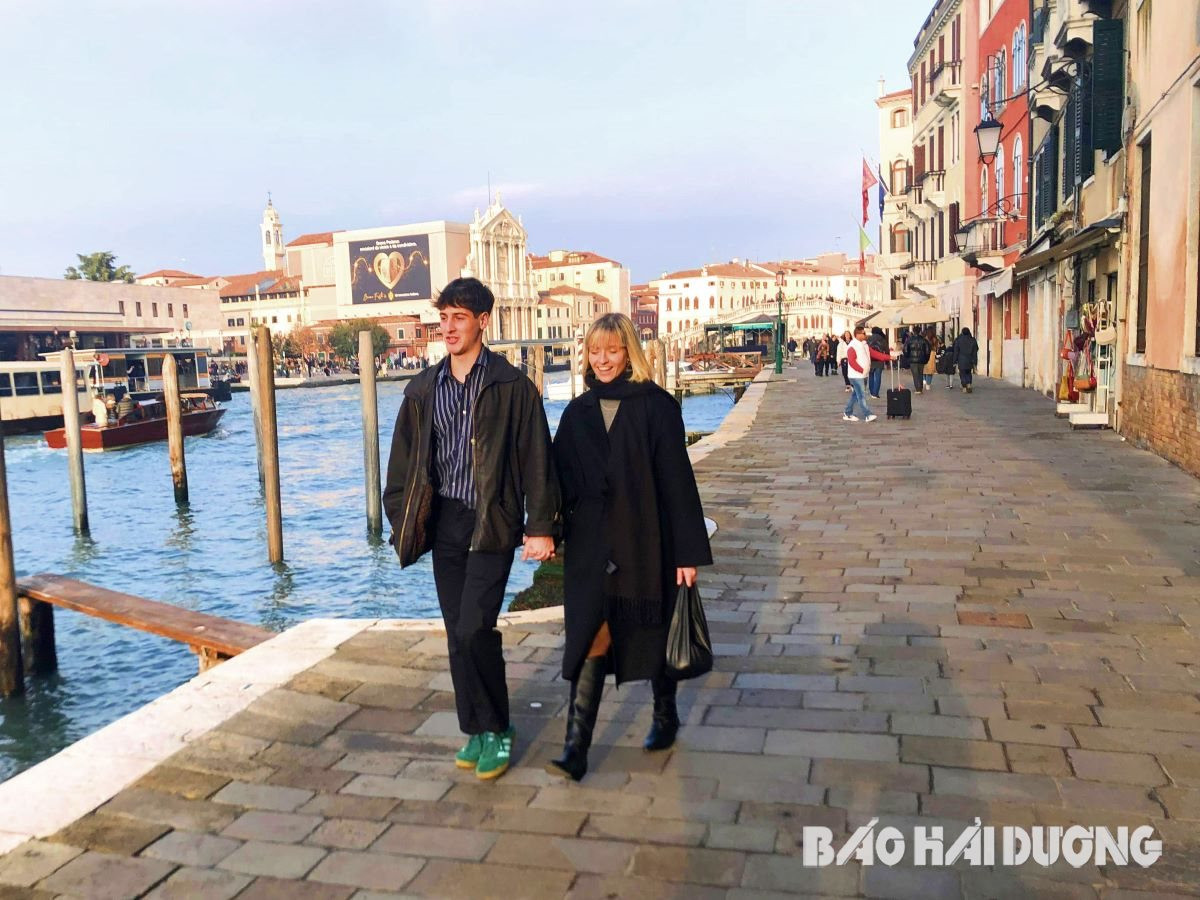
In 1987, the floating city of Venice was recognized as a UNESCO World Heritage Site. In the 21st century, Venice remains a very popular tourist destination, a major cultural center, and has been repeatedly ranked as the most beautiful city in the world.
VIET QUYNHSource


![[Image] Shipbuilders exposed to steel and record-breaking heat.](https://vphoto.vietnam.vn/thumb/1200x675/vietnam/resource/IMAGE/2026/06/04/1780545781745_ndo_br_img-5402-4683-jpg.webp)




































![[Video] Sunset at Lap An Lagoon – Where the sun sets over the fishing nets](https://vphoto.vietnam.vn/thumb/1200x675/vietnam/resource/IMAGE/2026/05/31/1780192137701_beach-landscape-sea-water-nature-grass-745871-pxhere-com.jpeg)



































Comment (0)