

Many cases of scoliosis in children develop silently and are therefore easily overlooked. However, if left undetected and untreated, the condition can seriously affect a child's physical development, respiratory function, cardiovascular health, and psychological well-being.
- Causes of scoliosis in children
- Early warning signs of scoliosis
- Is scoliosis in children dangerous?
- The role of rehabilitation in the treatment of scoliosis.
- Preventing scoliosis in children
Causes of scoliosis in children
A normal spine consists of 24 vertebrae connected by a system of ligaments, muscles, and intervertebral discs, which support the body and provide flexibility in movement.
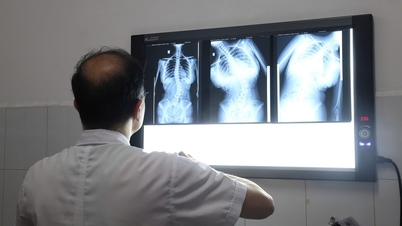
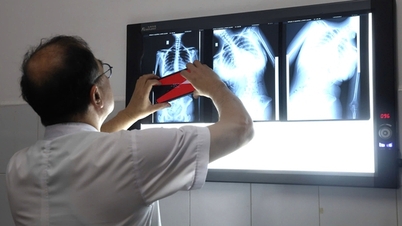
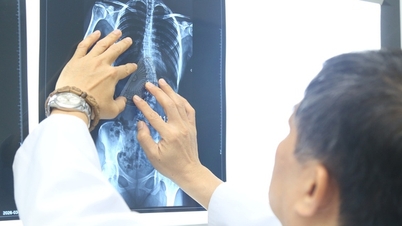
Approximately 10% of the population has mild spinal curvature of less than 10 degrees, which does not significantly affect their health. However, when spinal curvature, measured by the Cobb angle, is greater than 10 degrees, it is classified as scoliosis. To accurately diagnose the degree of curvature, doctors usually order an X-ray of the spine.
The condition typically appears in the chest or lumbar region and can progressively worsen over time, especially during periods of rapid growth in height. The majority of cases of scoliosis in children are idiopathic, meaning the specific cause has not been identified.
However, some factors are believed to be involved, including:
- Genetic factors
Many studies suggest that the condition may be linked to genetic factors. Children with a family history of scoliosis have a higher risk of developing the condition.
- Uneven development of the spine
An unbalanced development between the front and back of the vertebrae can cause the spine to gradually curve over time.
- Incorrect posture habits
Incorrect posture while studying, bending the head down for too long while using a phone, carrying a heavy bag on one shoulder, or sitting for long periods while studying can all increase the risk of scoliosis in children.
- Other causes
Additionally, the condition may be associated with trauma, neuromuscular disorders, muscular dystrophy, or bone development disorders, although these are less common.
Early warning signs of scoliosis
Early detection is crucial in the treatment of scoliosis. Parents should pay attention if their children show unusual symptoms such as:
- The two shoulders are uneven, one higher than the other.
- The shoulder blade protrudes more on one side.
- Uneven hips or a disproportionate waistline.
- The posture is leaning to one side.
- The head is not centered relative to the hips.
- When bending over, one side of the back is higher than the other.
Many children with early-stage scoliosis experience no pain, making it easy to overlook. Therefore, regular posture checks for children are essential.
Is scoliosis in children dangerous?
If left untreated, scoliosis can lead to many serious complications.
- Effects on the respiratory and cardiovascular systems.
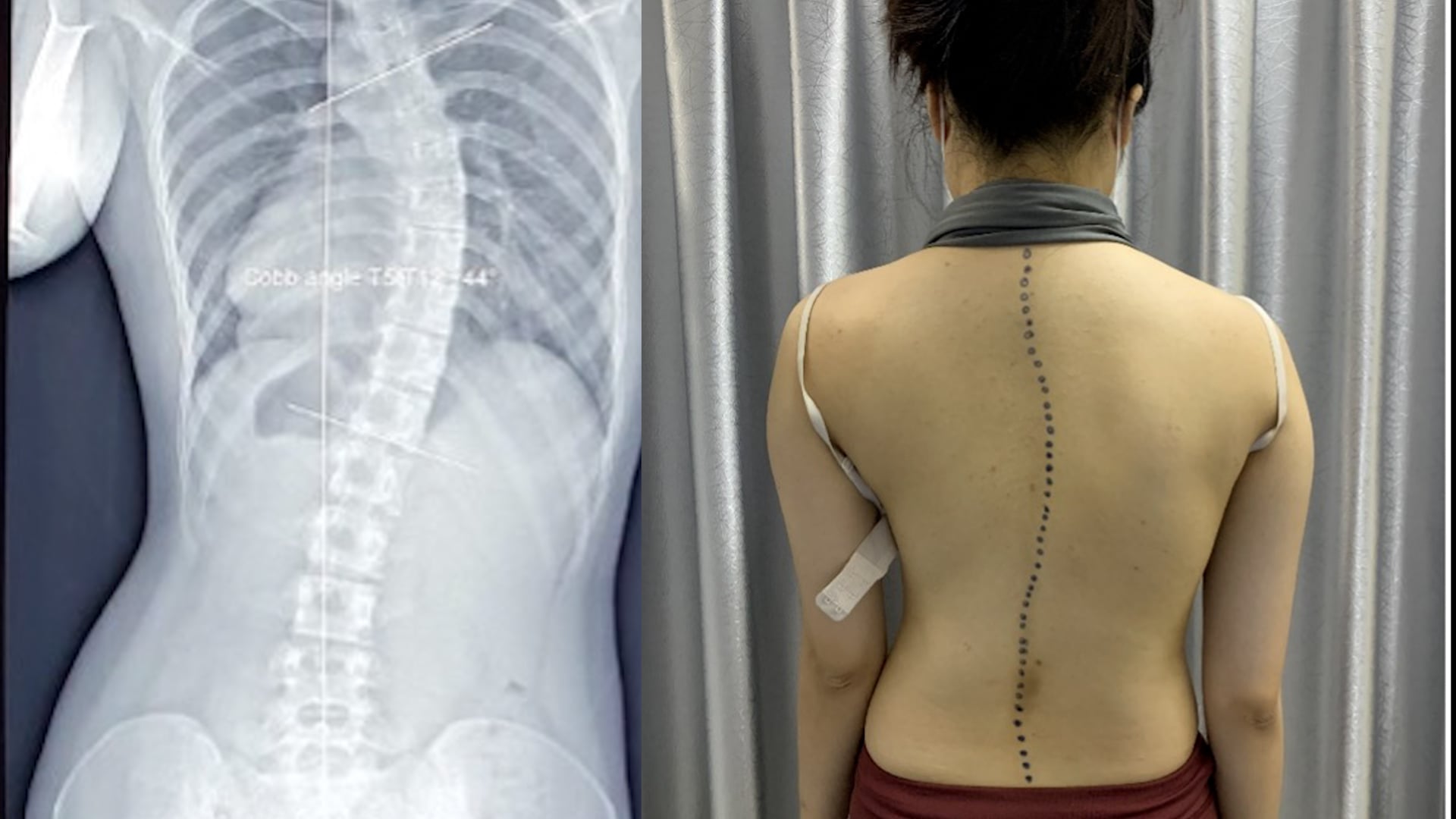
Many cases of scoliosis in children develop silently and are therefore easily overlooked.
When the spine is severely curved, the rib cage can become deformed and compress the lungs, reducing respiratory capacity.
Children may experience the following conditions:
- Shortness of breath.
- Feeling tired after exercise.
- Reduced exercise capacity.
In severe cases, significant spinal curvature can also affect the cardiovascular system and cause heart failure.
- Causes body deformities.
Prolonged scoliosis can deform the skeletal structure, cause pelvic misalignment, and affect a child's posture.
For women, severe pelvic misalignment can also affect future reproductive function.
- Chronic back pain
Children with scoliosis often experience back pain, neck and shoulder stiffness, and reduced mobility. This significantly impacts their studies, daily activities, and quality of life.
- Psychological impact
Physical deformities cause many children to feel self-conscious, insecure, and hesitant to interact with their peers. If this condition persists, it can affect the child's mental health and psychological development.
The role of rehabilitation in the treatment of scoliosis.
Physical rehabilitation plays a very important role in the treatment of scoliosis in children.
The right exercises help:
- Strengthen your back and abdominal muscles.
- Improve your posture and gait.
- Increase spinal flexibility.
- Supports respiratory function.
- Reduce pain and improve self-confidence.
Early intervention with specific exercises can help limit the progression of scoliosis and reduce the risk of needing surgery.
Preventing scoliosis in children
To reduce the risk of scoliosis, parents need to guide children to maintain correct posture during studying and daily activities.
Some preventive measures include:
- Sit in the correct posture while studying, and avoid bending your head too low.
- Choose tables and chairs that are appropriate for your child's height.
- Limit your use of phones and computers for extended periods.
- Encourage children to exercise regularly.
- Increase your participation in sports such as swimming, yoga, and walking.
- Don't carry a bag that's too heavy.
- Ensure adequate intake of calcium, vitamin D, and other essential nutrients for bone health.
Especially for children who go to the gym or play high-intensity sports, guidance from a coach is necessary to avoid incorrect posture that could cause spinal injuries.
Parents should take their children for regular health checkups to detect early signs of scoliosis. Early treatment not only helps improve motor function but also reduces the risk of long-term complications affecting the child's health and development.
Source: https://suckhoedoisong.vn/veo-cot-song-o-tre-gay-he-luy-gi-1692605191610466.htm



































































Comment (0)