

Periodontitis progresses silently.
Periodontitis is completely controllable and treatable if detected early. However, if neglected, the disease can lead to tooth loss and seriously affect overall health.
Periodontitis, also known as gum disease, is an inflammatory condition affecting the tissues that support the teeth, including the gums, periodontal ligaments, and alveolar bone.
- Periodontitis progresses silently.
- Factors that increase the risk of developing the disease.
- Stages of periodontal disease progression
- Treatment methods for periodontitis
- Maintenance treatment is very important.
The disease usually begins with gingivitis – a mild stage characterized by redness, swelling, and bleeding gums. If left untreated, bacteria continue to grow, forming periodontal pockets beneath the gums. Over time, this inflammation destroys the tissues supporting the teeth, causing gum recession, exposed tooth roots, bone loss, and loosening of teeth.
In severe cases, patients may lose numerous teeth, significantly impacting chewing function, aesthetics, and quality of life.
Many people assume that bleeding gums or bad breath are just common problems and often ignore the early signs. In reality, these could be early warning signs of periodontal disease.
In particular, periodontitis progresses silently over a long period. Patients may not feel significant pain until the tissues supporting the teeth have been severely damaged.
Factors that increase the risk of developing the disease.
- Poor oral hygiene
- Tartar accumulates over time.
- Smoking
- Diabetes
- Immunodeficiency
- Vitamin deficiency
- Habits such as eating a lot of sweets and sticky foods
- In addition, prolonged stress and hormonal changes can also increase the risk of periodontal disease.
Stages of periodontal disease progression
Periodontitis typically progresses through four main stages:
The stage of plaque and tartar formation
Food particles that accumulate over time create a breeding ground for bacteria at the neck of the teeth and between the teeth. If not cleaned, they will harden into tartar.
Stage of gingivitis
Patients begin to experience swollen, red gums that bleed easily when brushing teeth or chewing. In some cases, there is a feeling of sensitivity or mild pain.
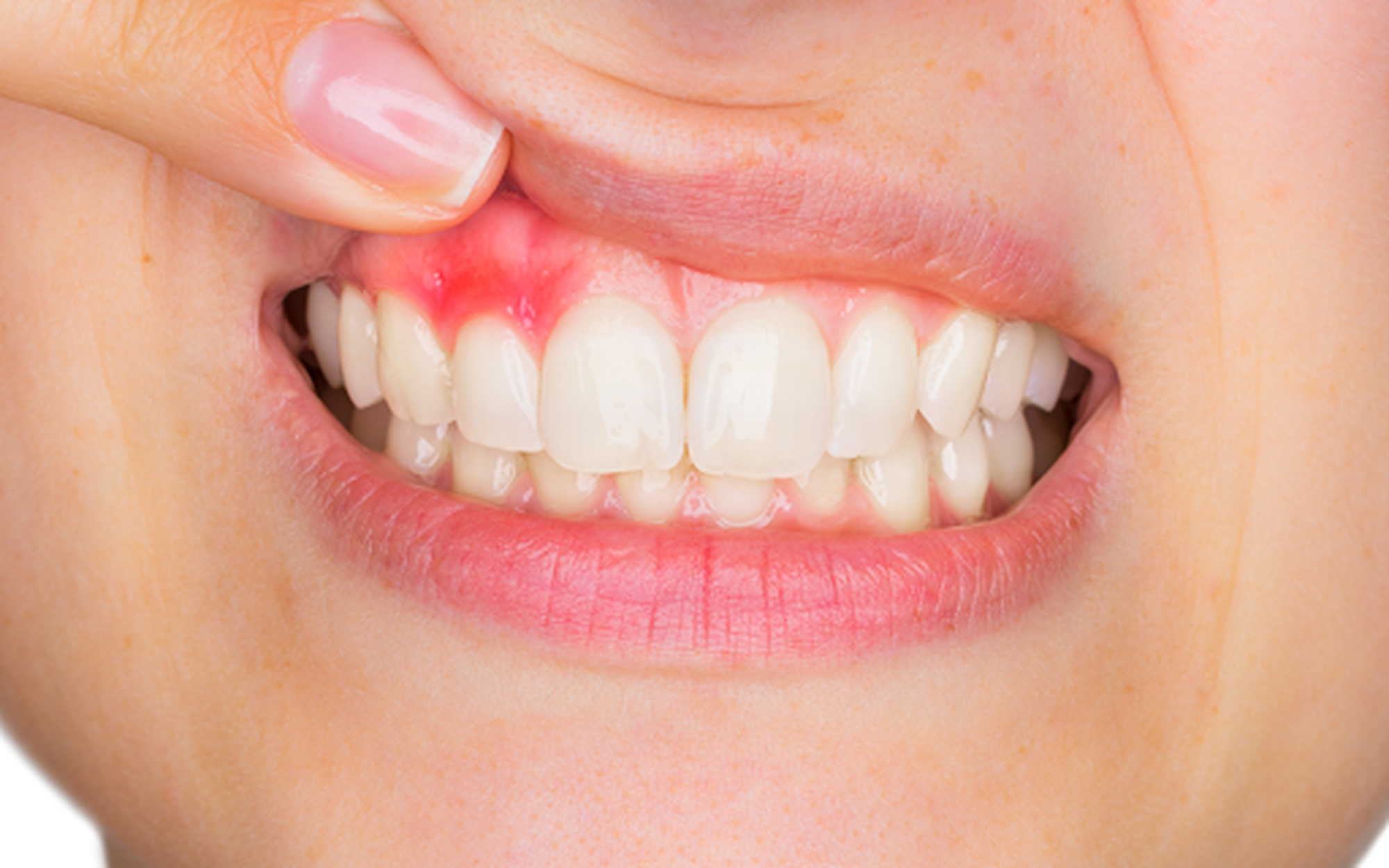
Periodontitis is completely controllable and treatable if detected early.
Bacteria spread deep into the tissues supporting the teeth, forming periodontal pockets filled with pus. Breath becomes noticeably foul-smelling, gums recede, and tooth roots become exposed.
Severe stage of periodontitis
The alveolar bone is severely damaged, the teeth are loose and at risk of falling out. This is a difficult stage of treatment and may require surgical intervention.
Treatment methods for periodontitis
Periodontitis is completely treatable and controllable if detected early. However, the degree of recovery depends on the stage of the disease.
In the early stages of gingivitis, treatment is relatively simple. Just by removing tartar, practicing proper oral hygiene, and taking good care of the gums, the inflammation can improve significantly.
Once the disease has progressed to periodontitis, treatment becomes more complex. The goal at this stage is to control bacteria, prevent destruction of supporting tissues, and preserve as much of the natural tooth as possible.
If left untreated for too long, the lost bone and periodontal tissue will be very difficult to fully restore.
Emergency treatment
During acute inflammatory episodes, doctors may prescribe antibiotics, anti-inflammatory drugs, or pain relievers to control infection and reduce symptoms.
However, medication only provides temporary relief. If the underlying cause is not addressed, periodontal disease can recur.
Non-surgical treatment
This method is commonly used in the early and mid-stages of the disease.
- Dental scaling and periodontal pocket cleaning.
The dentist uses specialized instruments to remove plaque and tartar from both above and below the gum line. This is a crucial step in reducing the amount of bacteria that cause inflammation.
- Antiseptic and anti-inflammatory
Certain antiseptic medications or anti-inflammatory gels can be applied directly to the affected gum area.
- Adjusting dental prostheses
Ill-fitting fillings or crowns can trap food and worsen the condition. Your dentist will check and adjust them if necessary.
- Treating loose teeth
In some cases, the dentist may fix the tooth or recommend extraction if the tooth cannot be preserved.
Periodontal surgery
When conventional methods are no longer effective or the disease has reached an advanced stage, the patient may need periodontal surgery.
Some commonly applied techniques include:
Gum flap surgery for deep cleaning; Bone grafting to reconstruct supporting tissues for teeth; Gum grafting to treat receding gums; Reconstruction of damaged periodontal tissue.
These procedures are usually performed at a specialized dental clinic.
Maintenance treatment is very important.
After intensive treatment, patients need regular follow-up appointments to monitor and control the condition. The dentist will assess the gum condition, clean plaque, and address any signs of recurrence early.
According to experts, periodontal disease is a chronic condition, so maintaining long-term care is especially important.
Some home remedies, such as gargling with ginger water, salt water, or baking soda, can provide temporary relief from discomfort.
However, these methods cannot replace specialist treatment.
Patients should absolutely not self-medicate with antibiotics or anti-inflammatory drugs for extended periods, as this can cause dangerous side effects, especially in people with stomach, liver, or kidney problems.
In summary: Periodontitis is completely preventable and effectively controlled if patients maintain proper oral hygiene habits and have regular dental checkups.
When abnormal symptoms appear, such as swollen, red, or bleeding gums, bad breath, or loose teeth, people should go to a specialized medical facility for timely examination and treatment.
Source: https://suckhoedoisong.vn/viem-nha-chu-co-chua-duoc-triet-de-khong-169260508134120466.htm


































































































Comment (0)