

VietNamNet is pleased to present the full text of the statement:
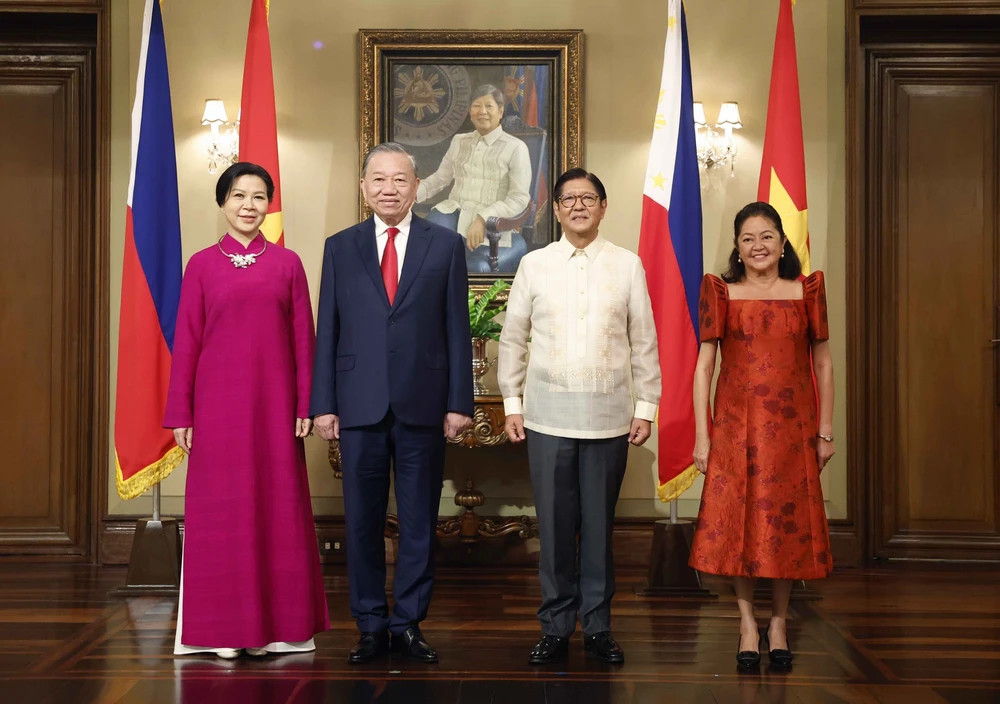
1. At the invitation of President Ferdinand R. Marcos Jr., General Secretary of the Central Committee of the Communist Party of Vietnam and President of the Socialist Republic of Vietnam, To Lam, paid a State visit to the Republic of the Philippines from May 31 to June 1, 2026.
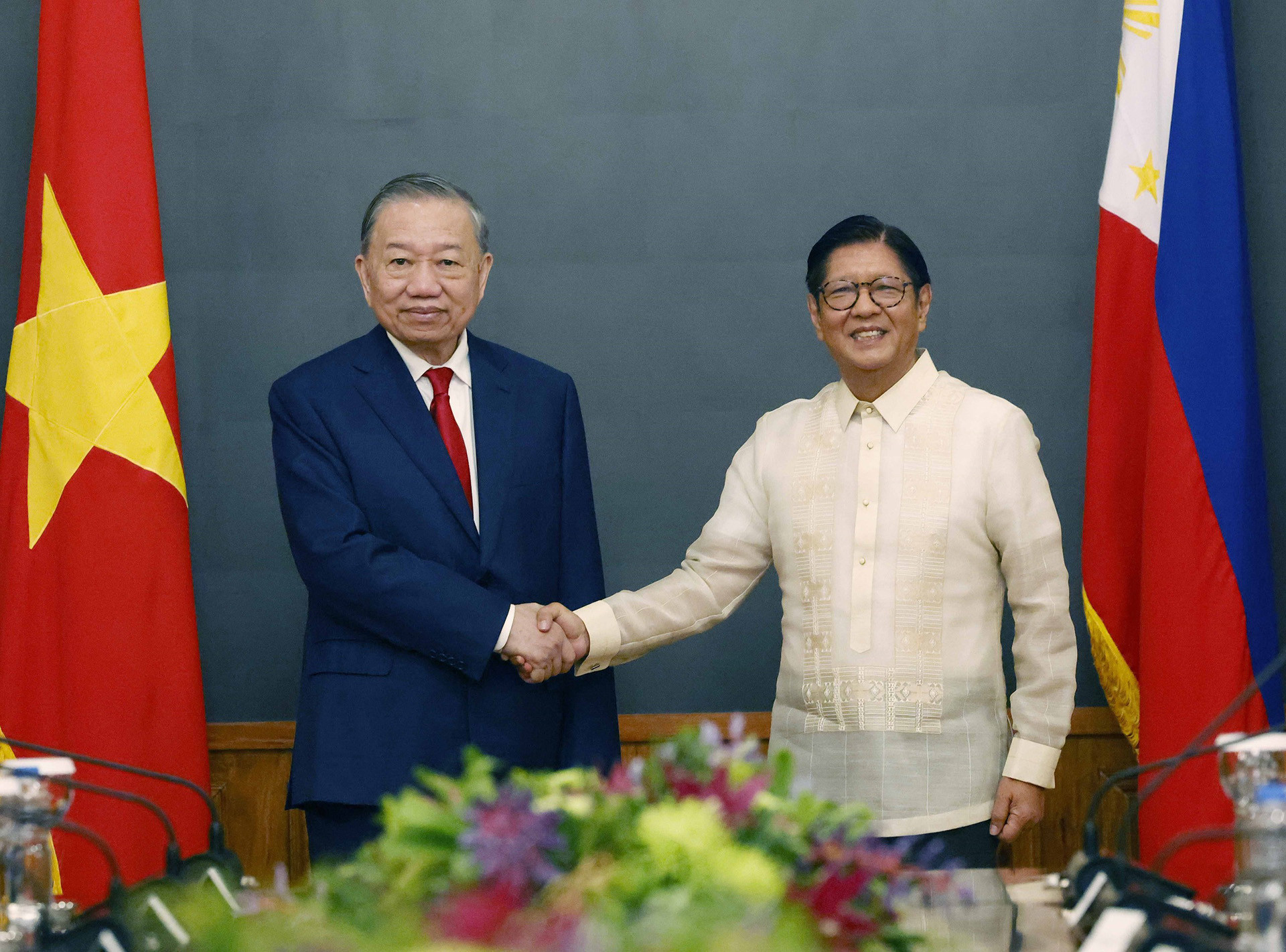
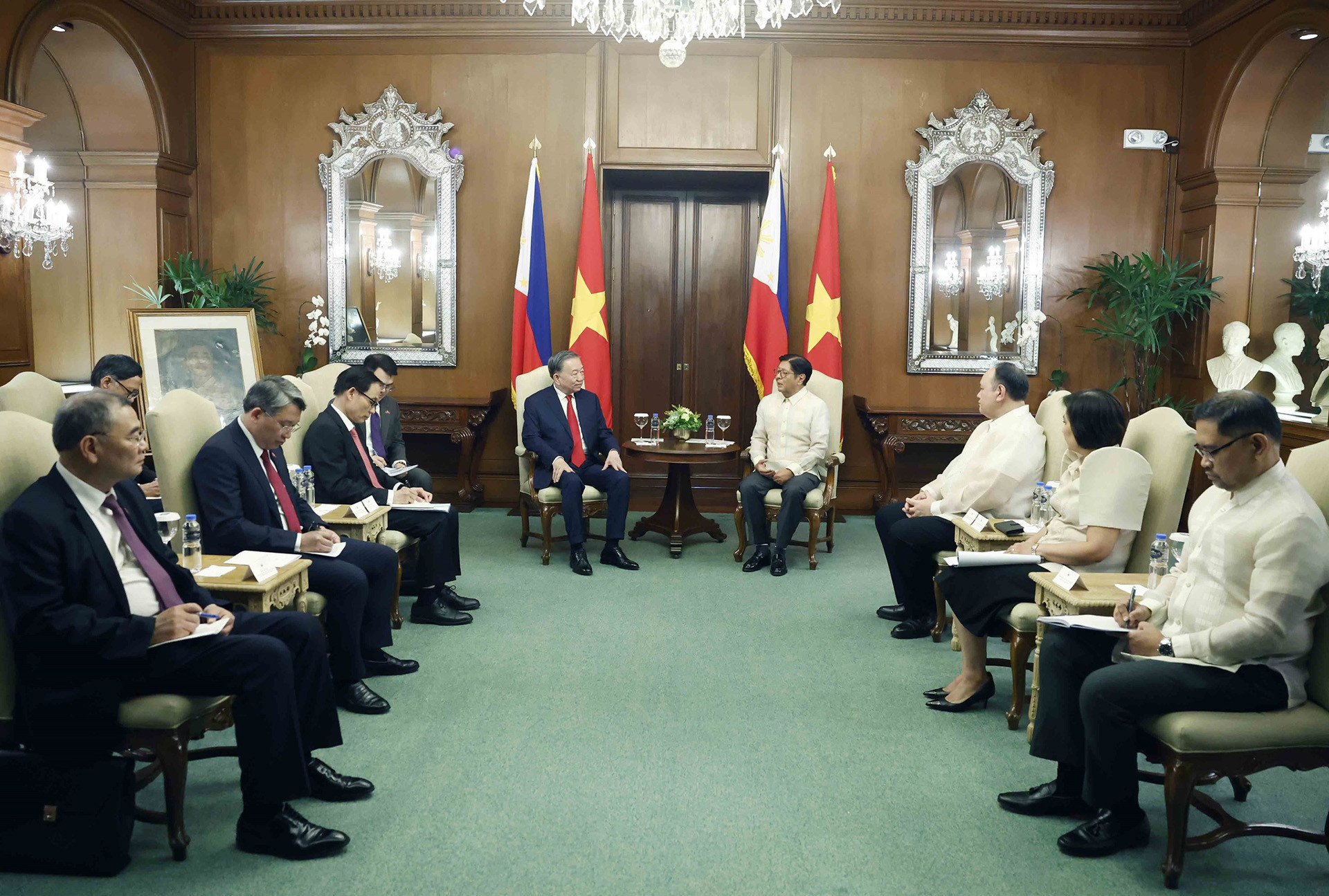
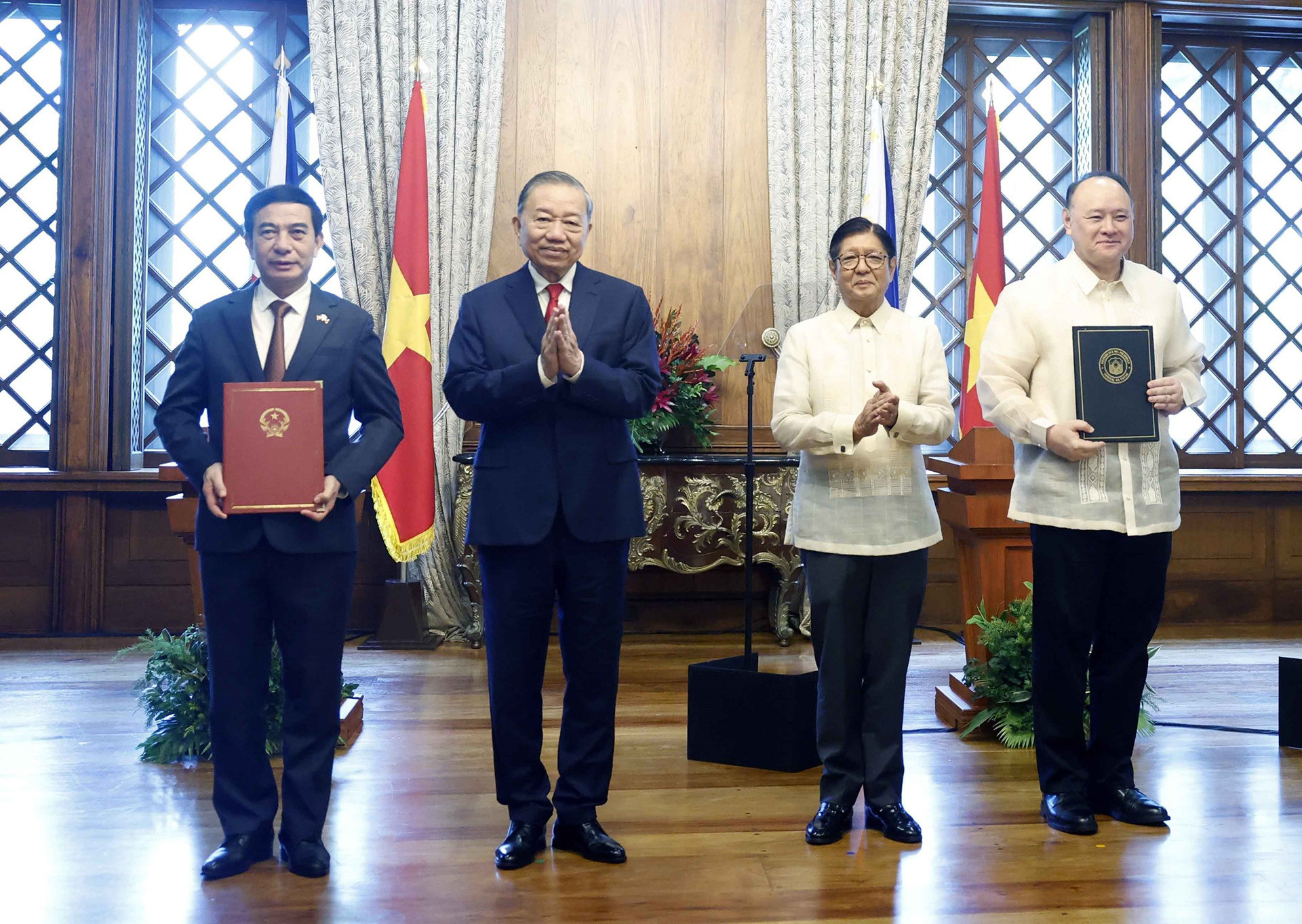
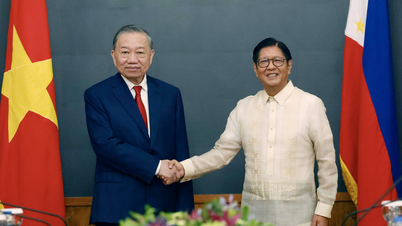
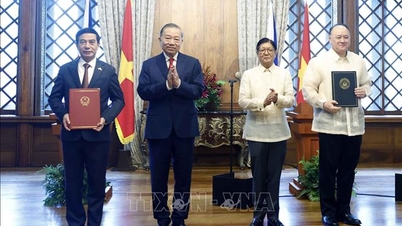
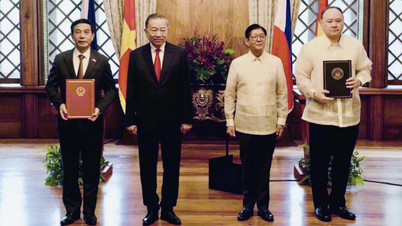
2. On June 1st, General Secretary and President To Lam attended the welcoming ceremony and held official talks with President Ferdinand R. Marcos Jr., and witnessed the signing of bilateral cooperation documents. President Ferdinand R. Marcos Jr. hosted a grand reception for General Secretary and President To Lam. General Secretary and President To Lam also met with the Vietnamese community in the Philippines and attended the Business Forum.
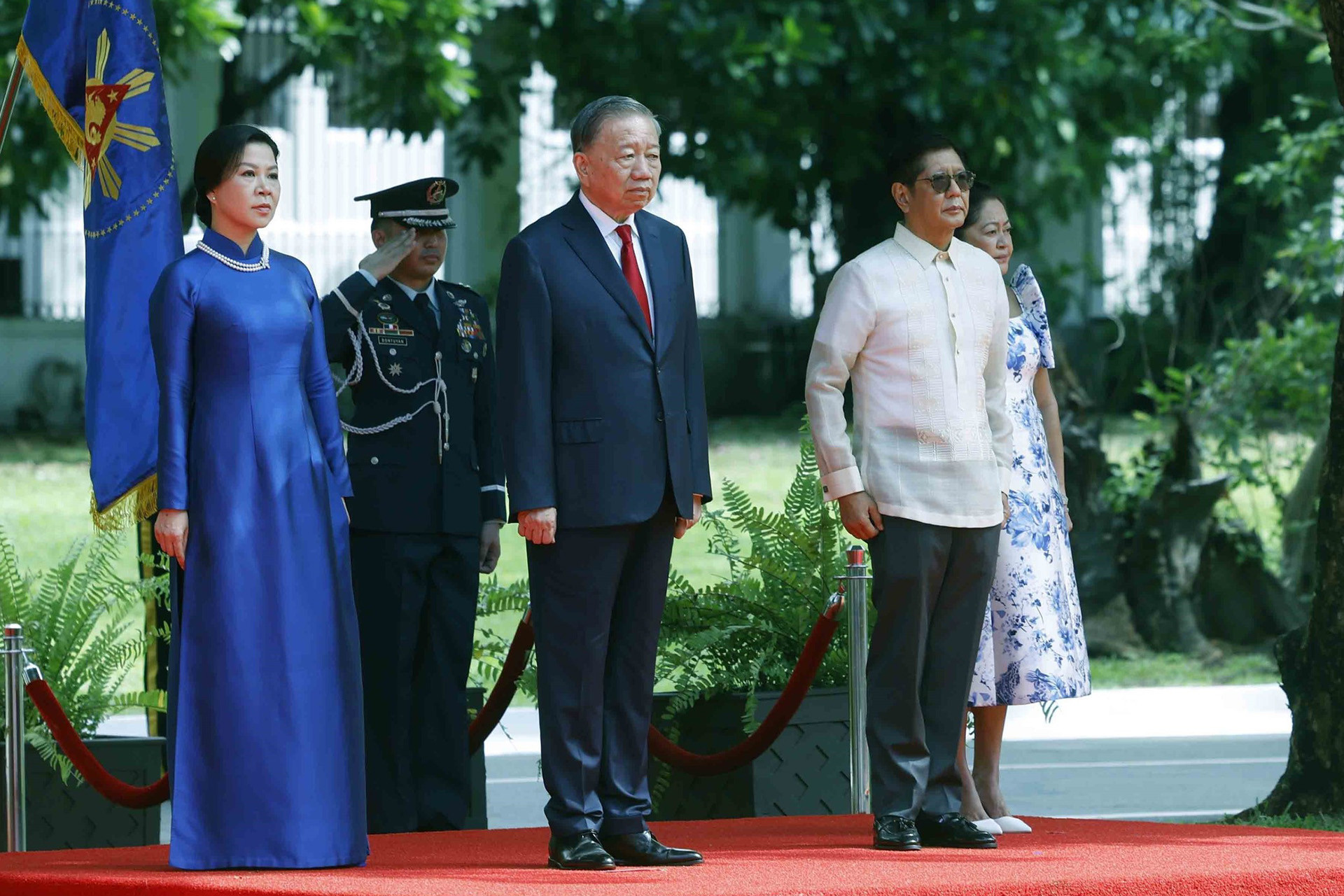
3. The two leaders emphasized the significance of the visit, which coincided with the 50th anniversary of the establishment of diplomatic relations and the 10th anniversary of the successful implementation of the Strategic Partnership between the Philippines and Vietnam. They also highlighted the immense potential for cooperation and agreed to upgrade the current Strategic Partnership to an Enhanced Strategic Partnership.
4. On the basis of the Vietnam-Philippines Enhanced Strategic Partnership framework, the two leaders reaffirmed the long-standing friendship and close cooperation between the two countries, built on mutual respect and a strong commitment to multilateralism and international cooperation, while emphasizing the importance of adhering to international law and upholding the principles and obligations under the United Nations Charter and the ASEAN Charter.
5. The two leaders expressed their determination to build upon the achievements of cooperation in political-security, maritime safety and security, marine environmental protection, trade and investment expansion, agricultural cooperation, education, tourism, cultural exchange, and people-to-people exchanges, while also expressing their desire to promote substantive cooperation for the benefit of both countries and the region. The discussions between the two leaders laid the foundation for a dynamic, robust, and mutually beneficial Enhanced Strategic Partnership framework for the security, prosperity, and well-being of the people of both countries.
Political Cooperation
6. The two leaders reaffirmed that high-level exchanges between the Philippines and Vietnam demonstrate trust between the two countries and a commitment to strengthening bilateral relations and fostering friendship between the two peoples. On this basis, the two leaders affirmed their commitment to continuing regular visits and contacts through all channels and at all levels, promoting people-to-people exchanges and business connections, contributing to maintaining consultations on strategic regional and global issues, and enhancing the potential for complementarity between the development orientations of each country. The two leaders emphasized the importance of establishing new cooperation mechanisms between the legislative bodies and local governments of the two countries through regular bilateral exchanges and contacts at multilateral forums, sharing information and best practices.
7. Both sides agreed to fully promote and regularly implement the institutionalized bilateral dialogue and cooperation mechanisms at all levels, including the Joint Committee on Bilateral Cooperation (JCBC), the Vietnam-Philippines Trade Subcommittee (JTC), defense and security dialogues, and consultations on maritime and ocean issues, in order to identify and promote complementary potentials between the two countries. The two leaders tasked the Ministries of Foreign Affairs of both countries to closely coordinate in developing a new Action Plan to implement the Enhanced Strategic Partnership framework.
Economic Cooperation
8. The two leaders emphasized the importance of elevating economic cooperation between the Philippines and Vietnam, two of the world's fastest-growing economies, contributing to strengthening the capacity and self-reliance of each nation. Both leaders expressed their desire to surpass the bilateral trade target of US$10 billion in a balanced manner through expanding two-way trade opportunities, improving market access, and reducing trade and investment barriers. They encouraged increased high-level exchanges and closer coordination between the public and private sectors of both countries, and welcomed efforts to explore new areas of cooperation such as science and technology, innovation, digital transformation/digital inclusion, digital governance, new technologies, energy, two-way investment in manufacturing, the creative economy, and green economic initiatives. The two leaders reaffirmed the importance of strengthening regional economic linkages and cooperation within the framework of the Association of Southeast Asian Nations (ASEAN), including efforts to build an inclusive, resilient, and sustainable ASEAN Economic Community.
9. Recognizing the essential role of agriculture in the development and economy of each country, the two leaders committed to promoting closer agricultural cooperation through joint research and development, capacity building, exchange of experts and best practices, application and transfer of technology, and exploration of potential areas of cooperation in trade and investment, agriculture, particularly rice, fisheries, sustainable blue economy development, sustainable agriculture, smart agriculture, disaster management and adaptation to climate change. The two leaders agreed to strengthen cooperation in agricultural trade and address challenges related to food and agriculture, with the goal of transforming the agricultural and fisheries sectors into powerful growth drivers, promoting rural development and empowering communities. The two leaders emphasized the importance of ensuring food security, enhancing food processing capacity, and strengthening supply chains to improve resilience and sustainability in the face of global challenges. They called for enhanced bilateral cooperation to combat illegal, unreported, and unregulated (IUU) fishing through information sharing, capacity building, and cooperation in fisheries management and law enforcement.
10. The two leaders recognized the crucial role of tourism as a driver of economic growth, promoting cultural understanding and connecting people; and committed to further strengthening cooperation in tourism development through sharing experiences, promoting sustainable and inclusive tourism initiatives, and facilitating tourism exchanges and cooperation between the two countries.
Maritime Cooperation, Security and Defense
11. The two leaders agreed to strengthen existing maritime cooperation mechanisms, including the Joint Committee on Maritime and Ocean Affairs at the Deputy Minister level, the Joint Working Group on Maritime and Ocean Affairs (JPWG-MOC), the implementation of the Memorandum of Understanding on Incident Prevention and Management in the South China Sea and the Memorandum of Understanding on Maritime Cooperation between the Vietnam Coast Guard and the Philippine Coast Guard, and the hotline between the two countries' coast guard agencies. Both sides committed to addressing maritime issues through peaceful and friendly means, in accordance with international law. Both sides agreed to explore the possibility of cooperation in marine scientific research, environmental protection, hydrography, maritime connectivity, and the conservation of international waters. The two leaders also reaffirmed their commitment to protecting and promoting the human rights, safety, welfare, equality, and dignity of seafarers. The two leaders instructed the relevant authorities to review and improve visa policies and mechanisms for seafarers to facilitate entry into each country, in accordance with domestic laws and relevant ASEAN frameworks. The two leaders committed to ensuring the implementation of mechanisms to guarantee the safety and security of fishermen from both countries.
12. Both sides emphasized that increasingly robust security and defense cooperation is one of the main pillars of the Enhanced Strategic Partnership framework. On that basis, the two leaders agreed:
a. Maintain high-level exchanges between the defense and security sectors of the two countries, strengthen strategic and policy dialogue, share information, expand cooperation in education and training, continue to institutionalize and maintain mechanisms for dialogue and exchange between military personnel of different branches and maritime agencies, promote ship visits and joint activities to respond to maritime security issues.
b. Expanding cooperation in the fields of defense industry, military medicine, military logistics, defense trade, search and rescue, humanitarian assistance and disaster relief (HADR), maritime and aviation security, counter-terrorism and peacekeeping.
c. Strengthening exchanges and cooperation in promoting and upholding international law, especially the United Nations Convention on the Law of the Sea (UNCLOS).
13. The two sides will continue to strengthen law enforcement cooperation to combat transnational crime, including cyber fraud, online scams, illegal migration and human trafficking, illegal gambling, illegal financial activities, illegal migration, illegal residence and labor, and address traditional and non-traditional security challenges. The two leaders encouraged relevant agencies from both sides to leverage each other's expertise and experience in these areas and to promote cooperation in training and capacity building for law enforcement forces within bilateral and multilateral frameworks. Both sides committed to working closely together to prevent any individual or organization from using the territory of one country to carry out criminal activities against the other, in accordance with the laws and regulations of each country.
14. Both sides agreed to implement the following measures to enhance cooperation in law enforcement against transnational organized crime:
a. Establish a mechanism for regular information sharing to address illegal migration, human trafficking, and online scams affecting people in the Philippines and Vietnam.
b. Through training and capacity-building activities, exchange information and best practices on mechanisms for preventing and prosecuting human trafficking crimes from each side, potentially leveraging cooperation with relevant ASEAN agencies such as AMMTC/SOMTC and ASEANAPOL.
c. To translate the commitment into procedures for notifying, investigating, and prosecuting fraud and human trafficking gangs that lure victims in both countries.
d. Expanding cooperation on cybersecurity and combating cybercrime.
15. Both sides agreed to promote legal and judicial cooperation and to continue to coordinate closely in the negotiations on the Extradition Agreement, the Agreement on Mutual Legal Assistance in Criminal Matters, and the Transfer of Sentenced Persons between the two countries.
People-to-people and cultural exchange cooperation
16. The two leaders emphasized the importance of promoting substantive people-to-people exchanges, which form a solid foundation for strengthening lasting friendship and solidarity between the people of the Philippines and Vietnam, through friendship organizations, parliamentary friendship groups, and cooperation between local governments. They stressed the importance of expanding cooperation in education, culture, sports, and tourism; enhancing air and maritime connectivity, contributing to fostering mutual understanding and connection between the people of the two countries, particularly among women, youth, and academics.
17. Both sides reaffirmed the importance of maintaining programs, exchange activities and cooperation initiatives within the framework of the 2024-2029 Cultural Cooperation Program, aiming to promote cooperation and exchange in areas such as copyright, libraries, archival development, literature, cultural heritage preservation, museum construction, creative industries, performing arts and interdisciplinary fields, film and audiovisual content...
18. Both sides reaffirmed their commitment to facilitating the living, working, and studying of Vietnamese citizens in the Philippines and Filipino citizens in Vietnam, based on the laws of each country and international practices. Both sides agreed to strengthen labor cooperation to promote welfare and protect the legitimate rights and interests of Filipino and Vietnamese migrant workers.
Regional and International Cooperation
19. The two leaders reaffirmed their support for promoting efforts to build the ASEAN Community, particularly during the Philippines' chairmanship of ASEAN in 2026, through the full and effective implementation of the ASEAN Community Vision 2025 and the document "ASEAN 2045: Our Shared Future". The two leaders emphasized the importance of strengthening ASEAN solidarity, its central role, and building a more resilient and sustainable community. They also reaffirmed the importance of promoting connectivity among sub-regional cooperation mechanisms, including the Brunei Darussalam-Indonesia-Malaysia-Philippines East ASEAN Growth Area (BIMP-EAGA) and the Mekong sub-regional cooperation mechanisms. The two leaders welcomed the upcoming ASEAN Future Forum 2026 in Hanoi as a forum contributing to regional dialogue and cooperation during the Philippines' ASEAN chairmanship, and the signing and adoption of the ASEAN Leaders' Declaration on Maritime Cooperation at the 48th ASEAN Summit in Cebu.
20. The two leaders agreed to coordinate closely, consult and support each other in their candidacies in international and regional organizations and multilateral frameworks, particularly at the United Nations.
21. The two leaders exchanged views on regional and international situations. Both sides reaffirmed ASEAN's consistent position on the South China Sea and emphasized the importance of maintaining peace, stability, security, safety, and freedom of navigation and overflight in the South China Sea, resolving disputes through peaceful means, without the threat or use of force, and promoting full respect for legal and diplomatic processes in accordance with international law, particularly the 1982 United Nations Convention on the Law of the Sea (UNCLOS). The two leaders reaffirmed their respective positions on the 2016 Arbitral Tribunal ruling on the South China Sea. Both sides reaffirmed the importance of self-restraint by all parties in conducting activities that could escalate tensions and affect peace and stability in the South China Sea. The two leaders reaffirmed their commitment to ensuring the full and effective implementation of the 2002 Declaration on the Conduct of Parties in the South China Sea (DOC) between ASEAN and China, maintaining and promoting a favorable environment for negotiations and the early achievement of a substantive and effective Code of Conduct in the South China Sea (COC) consistent with international law, particularly the 1982 UNCLOS.
22. The two leaders noted that the substantive, long-term-oriented exchange between the two countries had created positive momentum for bilateral relations. General Secretary and President To Lam sincerely thanked President Marcos and the people of the Philippines for the warm welcome and reaffirmed Vietnam's commitment to further strengthening the Enhanced Strategic Partnership with the Philippines. President Ferdinand R. Marcos Jr. accepted General Secretary and President To Lam's invitation to visit Vietnam at a time convenient for both sides.
General Secretary and President To Lam and his wife pay a state visit to the Philippines.
The President of the Philippines drove an electric vehicle carrying General Secretary and President To Lam after the welcoming ceremony.
June 1, 2026The General Secretary and President received representatives from several organizations and businesses in the Philippines.
June 1, 2026The General Secretary and President met with representatives of the Vietnamese community in the Philippines.
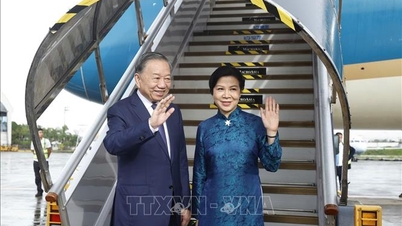
May 31, 2026The General Secretary, President, and his wife arrived in Manila, beginning their visit to the Philippines.
May 31, 2026General Secretary and President's visit to the Philippines: Emphasizing the importance of the Strategic Partnership.
May 29, 2026The visit of the General Secretary and President to the Philippines is of historical significance.
May 28, 2026General Secretary and President To Lam and his wife will visit the Philippines.
May 27, 2026Source: https://vietnamnet.vn/viet-nam-va-philippines-ra-tuyen-bo-chung-2521540.html

![[Photo] Reception to welcome General Secretary and President To Lam and his wife on their State visit to the Philippines](https://vphoto.vietnam.vn/thumb/1200x675/vietnam/resource/IMAGE/2026/06/01/1780295488620_vna-potal-chieu-dai-chao-mung-tong-bi-thu-chu-tich-nuoc-to-lam-va-phu-nhan-tham-cap-nha-nuoc-toi-philippines-8798060-7855-jpg.webp)
![[Photo] General Secretary and President To Lam and the President of the Philippines hold talks.](https://vphoto.vietnam.vn/thumb/1200x675/vietnam/resource/IMAGE/2026/06/01/1780286997787_anh-man-hinh-2026-06-01-luc-11-09-43.png)































































Comment (0)