

Put aside your thoughts.
What will Vinh Phuc be like, and what will the lives of its people be like, when the planned provincial merger becomes a reality? This is an objective reality of a groundbreaking reform process that is taking place more vigorously and decisively than ever before, under the leadership of the Party.
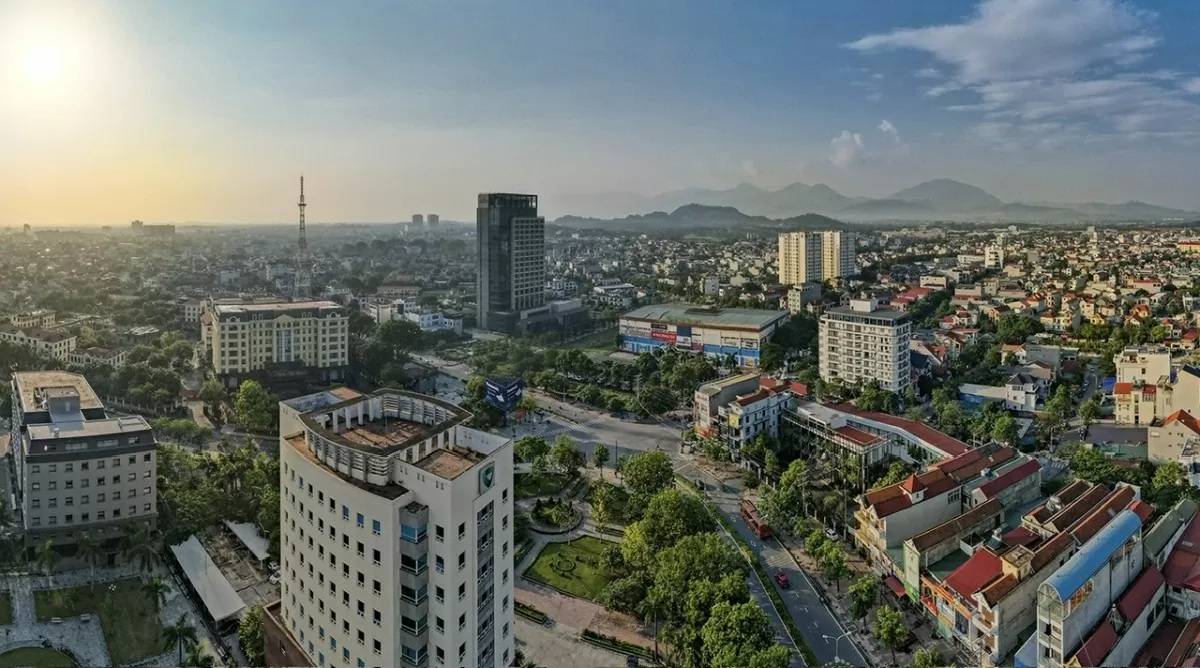 |
| Vinh Phuc still has much room and potential for development. Photo: Khanh Linh |
That's still not enough. If the development space is fragmented and narrow, and regional linkages are ineffective, then the true effectiveness and strength of reforms to the apparatus and institutions in our country today cannot be realized.
It can be said that, simultaneously, the entire government apparatus at all levels is "moving at full speed," "running and queuing at the same time," to implement the policy of restructuring and streamlining, while ensuring transparency, democracy, objectivity, and scientific rigor. This revolution must not be allowed to negatively impact the socio-economic development of localities and the entire country.
Vinh Phuc province is located in the Northern key economic region, serving as a gateway to Hanoi , near Noi Bai International Airport, and acting as a bridge between the northwestern provinces, Hanoi, and the Red River Delta. Therefore, the province plays a very important role in the regional and national economic development strategy.
Vinh Phuc province was established in 1950, based on the merger of Vinh Yen and Phuc Yen provinces. In 1968, it merged with Phu Tho province to form Vinh Phu province. On January 1, 1997, Vinh Phuc province was re-established. Following the Party and State's policy of expanding the administrative boundaries of Hanoi, on August 1, 2008, Me Linh district, formerly part of Vinh Phuc province, was transferred to Hanoi city.
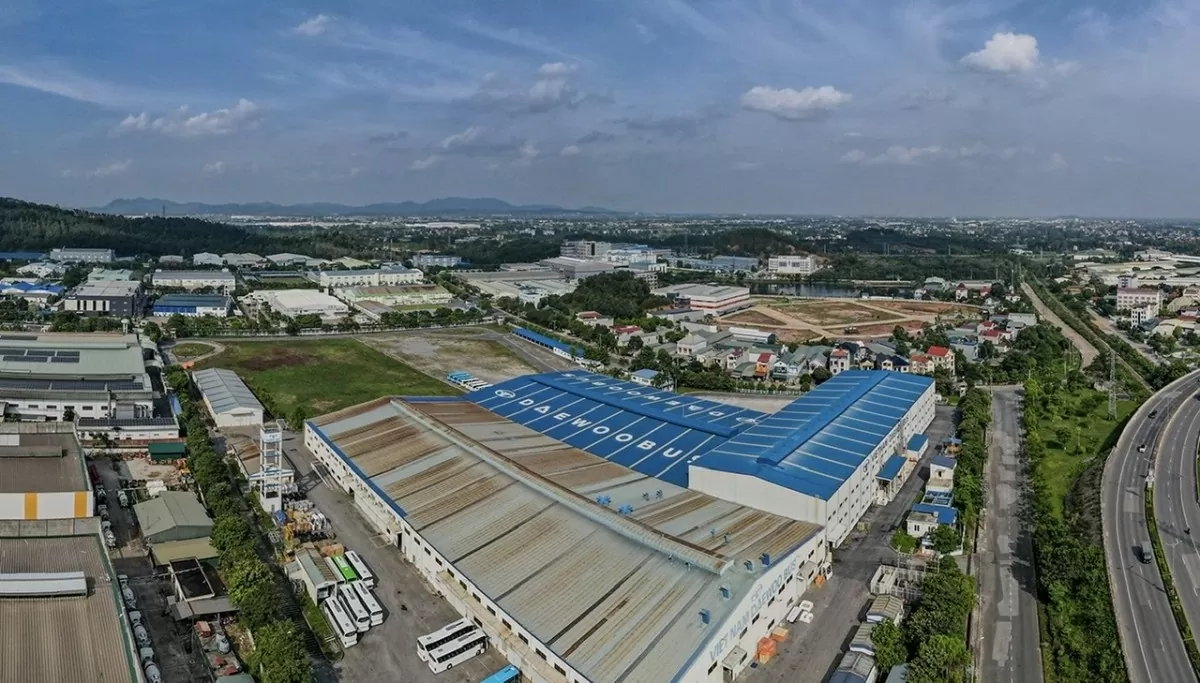 |
| The merger of the provinces will open new doors to a new economic and cultural "ecosystem". Photo: Khanh Linh |
As a province with a rich tradition of patriotism and revolution, this tradition has been highly promoted in production and combat. Since the leadership of the Communist Party of Vietnam, many places and people in Vinh Phuc have left their mark with victories known throughout the country, such as the victories at Khoan Bo, Xuan Trach, and Nui Dinh, and the heroic martyr Nguyen Viet Xuan with his immortal words, "Aim straight at the enemy and shoot."
Vinh Phuc is also known locally as the birthplace of innovative thinking in agricultural and rural management, with the bold "household contract" method in the late 1960s and 1970s. This was a groundbreaking step, creating a practical basis for the Party's later reforms in the economic management mechanisms of agriculture, rural areas, and farmers.
Vinh Phuc – a beloved name that has existed in the hearts of many people here. Despite numerous mergers and re-establishments, Vinh Phuc still holds so much sentiment, stemming from a deep love for the homeland, a love for the land that has experienced countless ups and downs, and which, through the passage of time, has shared joys, sorrows, tranquility, and aspirations!
Those concerns were set aside so that everyone could focus on the future, as the policy of merging provinces was gradually becoming a reality. The Party Committee, the government, and the people of all ethnic groups in the province expressed their agreement with the correct policy of the Party and the State, trusting in the strong, synchronized, decisive, and scientific implementation by the central government, and placing many positive expectations on future development.
Looking towards the future
On the morning of March 25th, the Standing Committee of the National Assembly held the 7th Conference of Specialized National Assembly Deputies of the 15th term to discuss several issues to be submitted to the National Assembly at the upcoming 9th session. National Assembly Chairman Tran Thanh Man emphasized that the restructuring and streamlining of the apparatus is entering its second phase. At the upcoming 9th session, the National Assembly will amend the Constitution, reorganize the provincial and commune levels, and abolish the district level.
According to the Speaker of the National Assembly, currently all 63 provinces and cities have plans to merge and reorganize approximately 50% of their administrative units. Regarding the district level, if the Constitution is amended, there will no longer be districts. Currently, there are 696 district-level units nationwide.
Regarding commune-level units, the Chairman of the National Assembly informed that there are currently 10,035 communes nationwide, and after reorganization and merger, this number will be reduced by 60-70%. The Chairman of the National Assembly also emphasized: "The National Assembly will consider and approve a resolution on the merger of provincial-level administrative units before June 30th. The Standing Committee of the National Assembly will also approve a resolution on the reorganization of communes before June 30th. From July 1st, the resolutions on the reorganization and merger of provinces and communes will take effect."
Currently, the reorganization of administrative units, as directed by the Politburo and the Secretariat of the Central Committee, is being implemented urgently and rapidly.
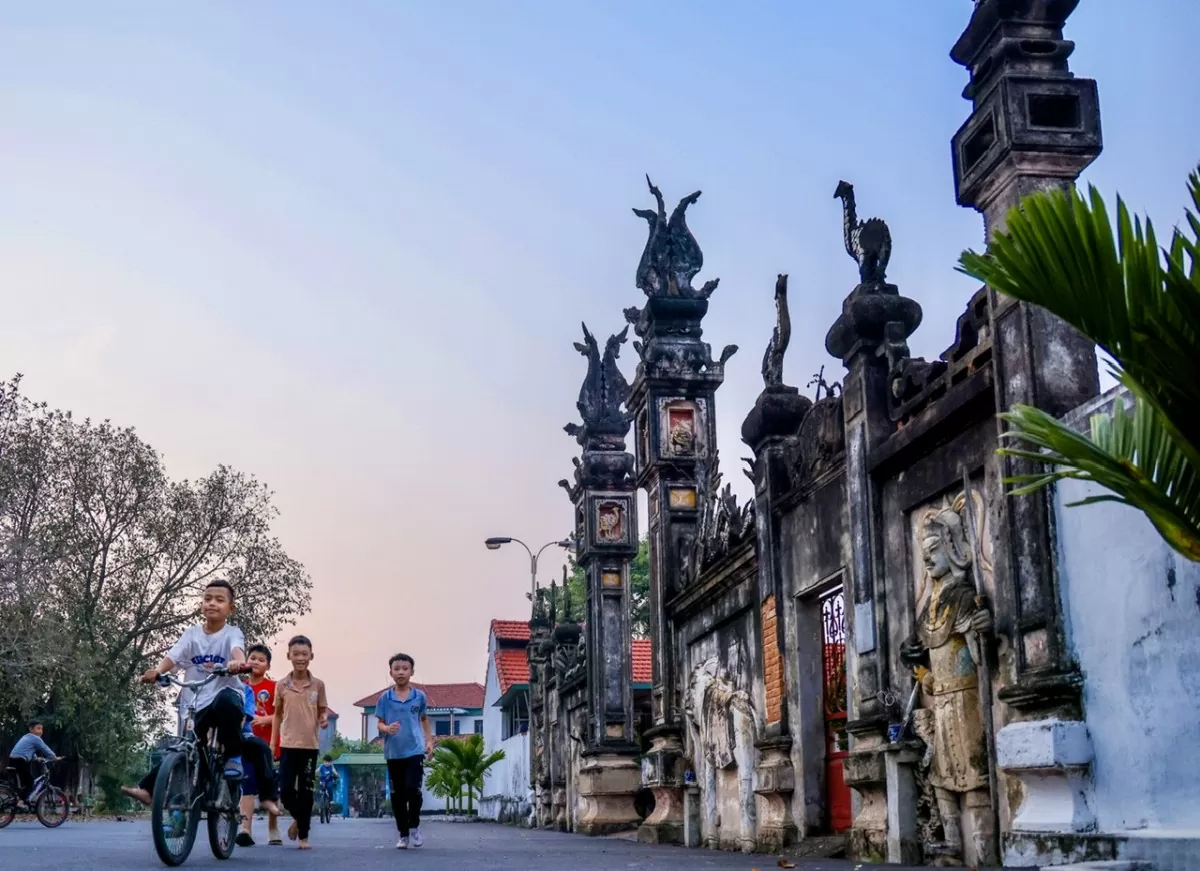 |
| Looking to the future, as the policy of merging provinces is gradually becoming a reality. Photo: Khanh Linh |
All of this opens the door to a new economic and cultural "ecosystem." In this ecosystem, maximizing the potential and advantages of different regions will interact, support, promote, and accelerate development. In this ecosystem, the thinking and vision of future generations of leaders need to be renewed to keep pace with the new era as the country enters a period of rapid growth.
There, there is no longer room for the "village mentality," the short-sighted, regional mindset that has long hindered development. Instead, there is a wide-open space for a revolution in innovation, science and technology, and national digital transformation, where each step clearly demonstrates the adaptability, agility, fundamental skills, and inherent capabilities of each official and public employee.
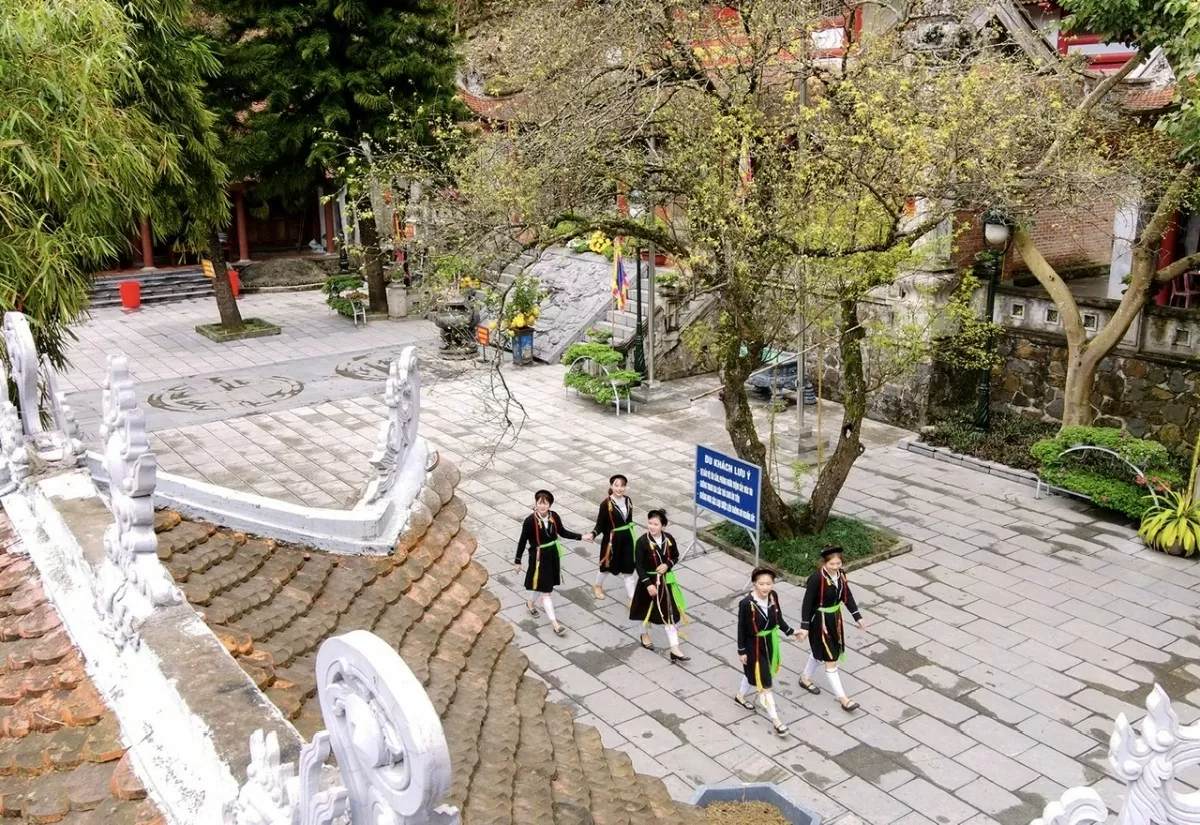 |
| Vinh Phuc province has a long tradition of patriotism and revolution, a tradition that has been highly developed in production and combat. Photo: Khanh Linh |
For Vinh Phuc, a province with ample room and potential for development, this is also an advantage that opens up a broad and harmonious development space, creating new momentum and strength.
Mr. Vu Quang Dong, a retired official with over 50 years of Party membership (Lien Bao ward, Vinh Yen city), shared: “The merger of the provinces is a groundbreaking idea, demonstrating the strategic vision of our Party and State. We should not only look at immediate benefits, but also at the long-term interests of the country. Just as we are not afraid of change, not afraid to face challenges, in order to create a better future… For me, as a Vinh Phuc resident, even with the merger, my homeland will not be lost. Moreover, the merger is to make my homeland – my country – “bigger, more beautiful, and more dignified,” that is the goal of development! ”
After nearly 30 years since its re-establishment, under the leadership of the Party, Vinh Phuc has achieved many important and proud accomplishments. From a purely agricultural locality, it has become a province with a high rate of economic development. Over the five-year period from 2021 to 2025, the average growth rate of the province's Gross Regional Domestic Product (GRDP) is projected to increase by 7.4% per year, higher than the average growth rate of the previous five years (7.0% per year). The province's GRDP at current prices is expected to increase from 124 trillion VND in 2020 to approximately 190 trillion VND in 2025 (a 1.53-fold increase), and the GRDP per capita is projected to reach approximately 148 million VND per person in 2025. The quality of growth has gradually improved, with labor productivity increasing by an average of 11% per year. The structure of economic sectors continues to shift positively. By the end of 2025, the industrial and construction sector is expected to account for approximately 63.0%, the service sector approximately 31.3%, and the agriculture, forestry, and fisheries sector approximately 6.2%. State budget revenue has reached a considerable level, averaging over 30 trillion VND annually... |
Source: https://congthuong.vn/vinh-phuc-ngay-dong-song-da-hoa-cung-dai-duong-379959.html



![[Image] Close-up view of the interchange connecting the two expressways and Long Thanh Airport.](https://vphoto.vietnam.vn/thumb/1200x675/vietnam/resource/IMAGE/2026/05/25/1779703378210_ndo_br_z7863716673926-224453a31600126cce10622af6290afd-4549-jpg.webp)
![[Image] Hanoi's urban life under the challenge of a "scorching hot" environment](https://vphoto.vietnam.vn/thumb/1200x675/vietnam/resource/IMAGE/2026/05/25/1779706979265_nang-nong-t5-2026-minh-duy-7-4636-jpg.webp)


































































Comment (0)