

Many parents don't realize that overprotecting their children and creating a "luxurious, sophisticated, and comfortable" facade is inadvertently depriving them of the most basic survival skills.
When the toilet becomes the "enemy"
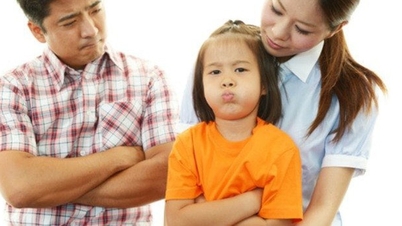
The family of Mr. Minh and Ms. Ha (Cau Giay ward, Hanoi ) is famous for spoiling their child. From a young age, their son, Bao, has been accustomed to a life of luxury. Bao's private room is beautifully designed, and all his needs, from meals to transportation, are catered for. Ms. Ha is always proud that her son is raised in a "high-class" environment, never having to lift a finger.
Things started to get complicated when Bao started first grade at a public school near his home. During his first week of school, Bao constantly complained of stomach aches and loss of appetite. His parents, Ms. Ha and her husband, panicked and took him to the doctor, but the doctor concluded that the boy's physical condition was perfectly normal. After much questioning, Bao finally broke down in tears and confessed, "The school restrooms aren't as nice as the ones at home, I can't stand it, so I don't dare go." It turned out that, unable to adapt to the shared space at school, he had been holding his urine and feces in all day. This prolonged situation caused Bao to suffer from constipation and constantly feel stressed and fearful whenever he went to class. Just because of slightly less comfortable living conditions than at home, a seven-year-old child was unable to cope and adapt, directly causing a negative impact on his own health.
Tu attended an international school and was provided with designer items by her parents, from clothes and shoes to backpacks. Tu always felt she belonged to a different class. This self-satisfaction grew over the years and transformed into deviant behavior.

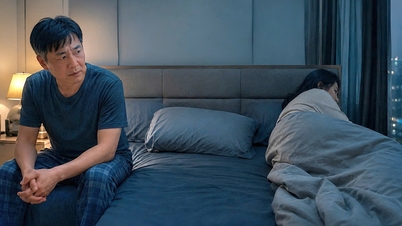
Freepik illustration image
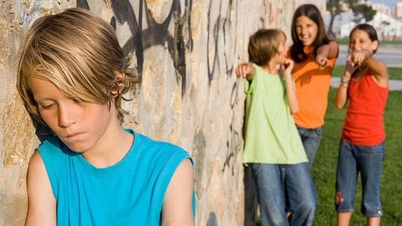
During a school field trip to a rural area, Tú flatly refused to participate in the collective labor activities with his friends. Seeing the farmers and manual laborers wading through mud, Tú didn't hesitate to show contempt and avoidance, openly criticizing them. Tú's arrogance and lack of respect for others gradually distanced him from the group. His classmates began to shun him; no one wanted to team up with him or share anything with him. From a student considered to be of "high status," Tú became isolated, prone to conflict, and constantly felt hurt and depressed because no one acknowledged his self-proclaimed "royalty."
Reinforce your child's behavior every day.
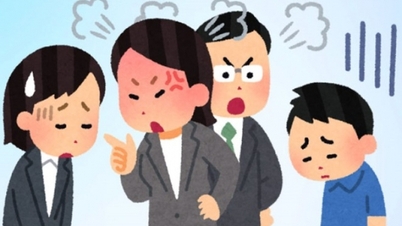
Recognizing this alarming situation, Dr. Vu Thu Huong (Center for Mischievous Children) frankly points out that spoiling children, fulfilling all their needs, and isolating them from life's challenges is leaving four obvious negative consequences:
The crisis of adaptability : Children raised in a "glass cage" will face significant difficulties when confronted with normal living conditions. Countless children cannot use the toilet if it smells bad, directly affecting their health. Furthermore, children are more likely to fall into depression if their surrounding environment is not as good as their home. This is an immediate harm to the child's well-being.
Personality disorders : When children are always considered to be of a higher class, they easily develop thoughts and behaviors that look down on others. They may show disdain for anyone who is simple or works manual labor. This attitude will limit their ability to make friends, easily cause conflicts, and hurt those around them.
The Adversity Quotient (AQ) hits rock bottom : If children can't even overcome perfectly normal conditions, how can they possibly face greater challenges in the future? This weakness makes it difficult for them to achieve success and only leads to failure.
The habit of blaming others and depression : Children who are taught they are always right will see circumstances as a huge excuse for their lack of effort. The inability to be happy for others' success and dissatisfaction with their own failures makes them increasingly depressed and irritable.
Every child is born like a blank sheet of paper. Whether a colorful picture of independence is painted on it, or a gray stain of dependence and arrogance, depends entirely on the family's parenting methods.
Therefore, instead of trying to pamper their children, parents should focus on shaping their children's behavior every day. Teach them self-reliance, to appreciate the value of hard work, and to love those around them.
Source: https://phunuvietnam.vn/vo-tinh-day-con-vao-nguy-hiem-va-co-don-238260530221109657.htm


![[Photo] The General Secretary, President and his wife lay flowers at the Ho Chi Minh Monument in Manila.](https://vphoto.vietnam.vn/thumb/1200x675/vietnam/resource/IMAGE/2026/05/31/1780219759477_anh-man-hinh-2026-05-31-luc-16-29-07.png)










![[Video] Sunset at Lap An Lagoon – Where the sun sets over the fishing nets](https://vphoto.vietnam.vn/thumb/340x192/vietnam/resource/IMAGE/2026/05/31/1780192137701_beach-landscape-sea-water-nature-grass-745871-pxhere-com.jpeg)






















































Comment (0)