

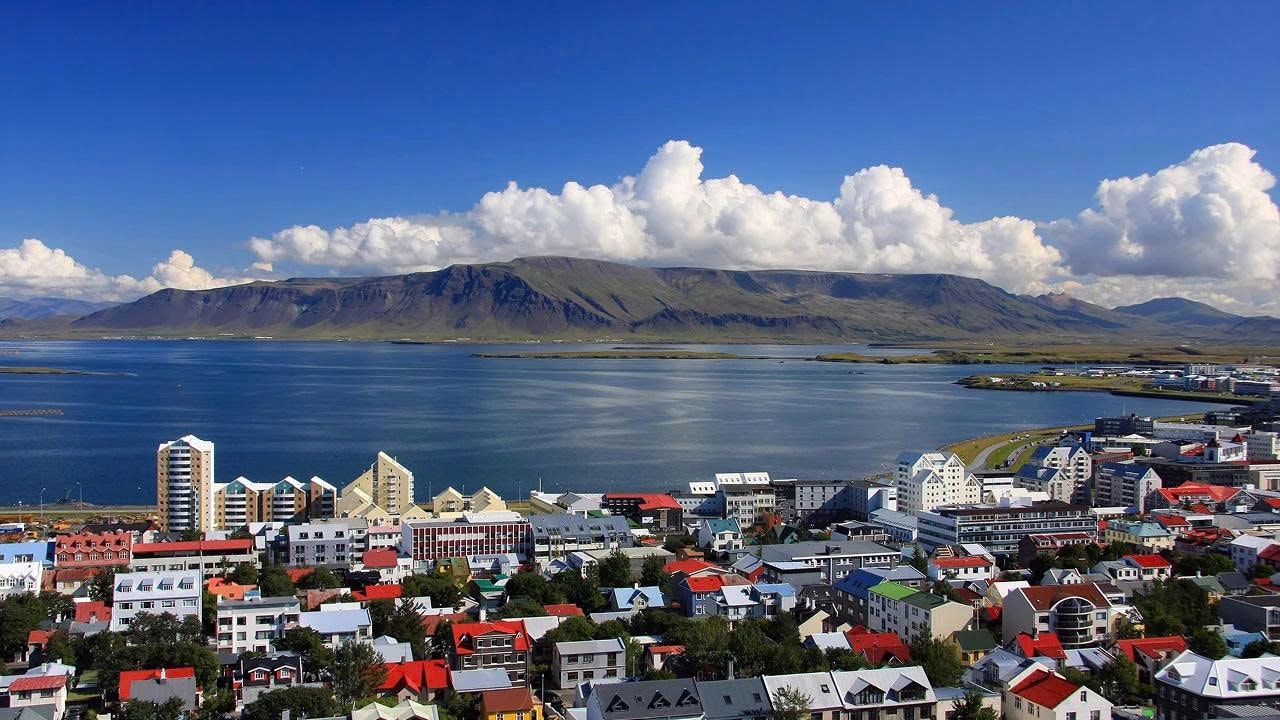
Prices are rising rapidly.
Iceland has just surpassed Switzerland to become the country with the highest cost of living in the world in 2026. According to an analysis by the local trade union Viska, Iceland is even significantly more expensive than most other countries on the list of the 10 most expensive countries in the world.
According to Icelandmonitor, prices in Iceland are currently 84% higher than the average in 27 European countries. For comparison, the average price difference between Iceland and Europe over the past 30 years is 42%.
Compared to other Nordic countries, Iceland is significantly more expensive in most categories. For example, food prices, including meat products, are generally 44% higher. Icelandic consumers also pay 40% more for cars. A glass of beer in Iceland can cost up to 1,800 kronur (over 380,000 VND), and a latte can cost up to 1,000 kronur. Milk and eggs are 75% more expensive.
Prices in Iceland are generally rising at twice the rate of the European Economic Area.
Reasons for increased costs
Economist Vilhjalmur Hilmarsson believes that the increase in the cost of living in Iceland is linked to the tourism boom following the COVID-19 pandemic.
The massive influx of tourists to Iceland has put immense pressure on the service sector, driving up the cost of daily living and leading to significant wage growth. Meanwhile, tourism has become one of the main drivers of the economic recovery of this country of just over 400,000 people, but it has also increased inflationary pressure, according to AIN.
A survey by the Icelandic Tourism Board also expressed concern that high prices are beginning to deter tourists from visiting the country.
.jpg)
Similarly, according to Bloomberg, the post-pandemic tourism boom, a key driver of growth, has fueled economic recovery, but it has also brought about a rise in the cost of living that the Central Bank of Iceland is struggling to curb.
Furthermore, Iceland currently has one of the highest tax rates in the world (with a standard VAT rate of 24%). Coupled with a lack of agricultural self-sufficiency, high import taxes make the prices of food and everyday necessities significantly higher than in the rest of Europe.
This development highlights the challenges faced by the small Atlantic economy, which frequently experiences cycles of boom and bust.
Furthermore, Iceland has failed to develop efficient manufacturing industries over a long period. Hilmarsson told AIN: “Iceland needs to boost more economic pillars besides tourism.”
According to Viska's list, the 10 countries with the highest cost of living currently are: Iceland, Switzerland, Luxembourg, Norway, the United States, Ireland, Denmark, Sweden, Finland, and the Netherlands.
Source: https://baodanang.vn/iceland-quoc-gia-co-chi-phi-sinh-hoat-cao-nhat-the-gioi-3338839.html


![[Photo] Solemn bathing ceremony and Buddha procession in Hue](https://vphoto.vietnam.vn/thumb/1200x675/vietnam/resource/IMAGE/2026/05/31/1780228263543_1-jpg.webp)
![[Photo] Admire the coral "masterpiece" amidst the million-year-old heritage of Dak Lak province.](https://vphoto.vietnam.vn/thumb/1200x675/vietnam/resource/IMAGE/2026/05/31/1780221235105_anh-man-hinh-2026-05-31-luc-16-53-27.png)
![[Photo] The General Secretary, President and his wife begin their state visit to the Philippines.](https://vphoto.vietnam.vn/thumb/1200x675/vietnam/resource/IMAGE/2026/05/31/1780230559452_anh-man-hinh-2026-05-31-luc-19-28-11.png)














![[Video] Sunset at Lap An Lagoon – Where the sun sets over the fishing nets](https://vphoto.vietnam.vn/thumb/340x192/vietnam/resource/IMAGE/2026/05/31/1780192137701_beach-landscape-sea-water-nature-grass-745871-pxhere-com.jpeg)





































![[Photo] Admire the coral "masterpiece" amidst the million-year-old heritage of Dak Lak province.](https://vphoto.vietnam.vn/thumb/402x226/vietnam/resource/IMAGE/2026/05/31/1780221235105_anh-man-hinh-2026-05-31-luc-16-53-27.png)






























Comment (0)