

Putting the people at the center
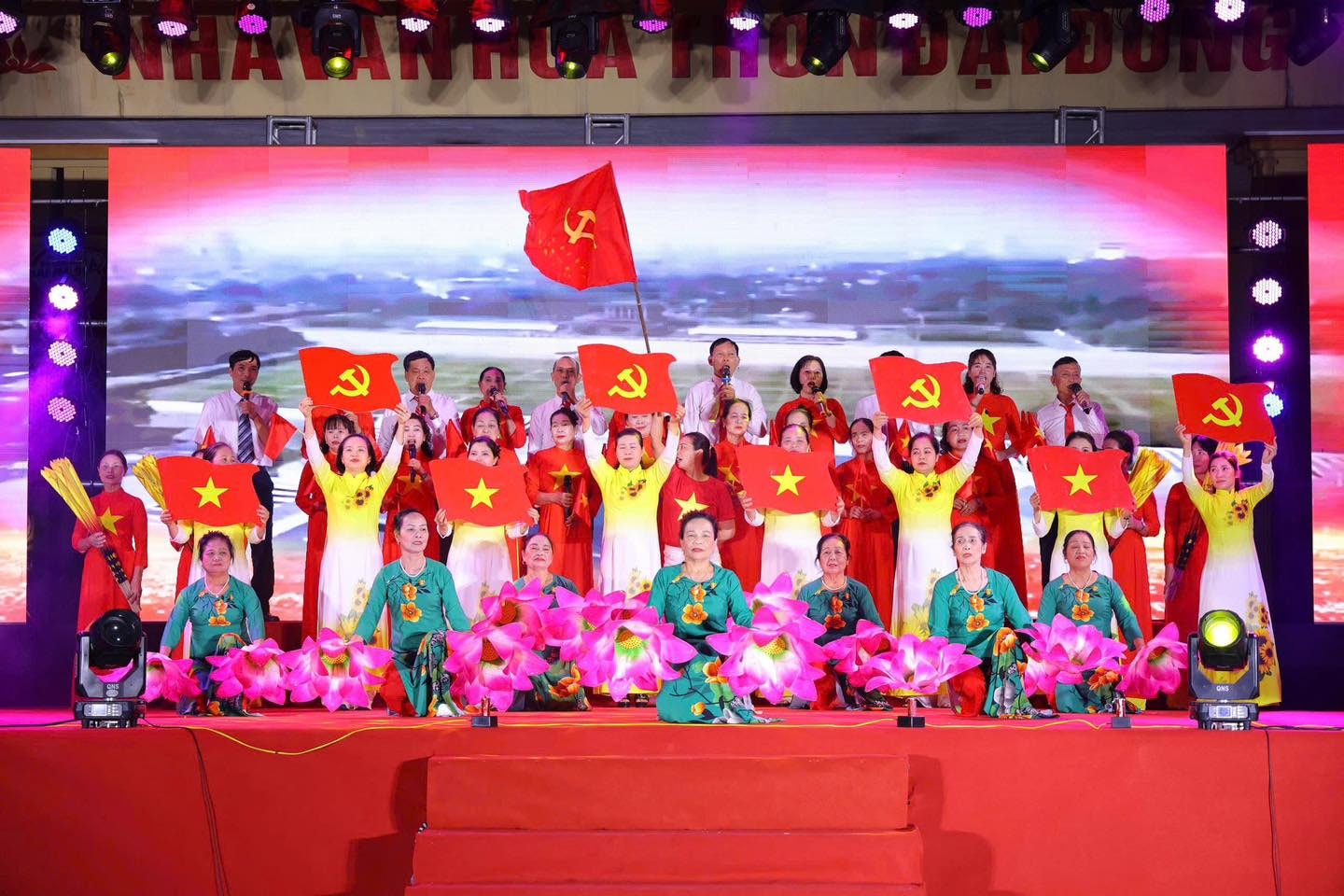
In Doai village, after the cultural center was renovated and equipped with nearly 2 billion VND worth of training equipment in 2024, the community space, which previously served mainly as a meeting place, has truly become a cultural hub for the people. The movement for physical exercise, sports , and arts among the people has therefore flourished significantly, with five clubs for physical exercise, sports, arts, and folk dance regularly maintained. “The spacious and clean venue makes us even more enthusiastic about exercising. As a result, the health of the members has improved significantly,” shared Ms. Nguyen Thi That, a member of the Doai Village Health and Fitness Club. Recognizing that the cultural center must truly serve the people, Doai village has established a management board and developed clear operating regulations, creating conditions for people to regularly participate in activities, exercise, and socialize. Operating hours are also specifically regulated to ensure they align with the general activities of the residential area. The village leaders provided support for the community center's electrical system, creating the best conditions to serve the needs of the people for daily life and sports activities.
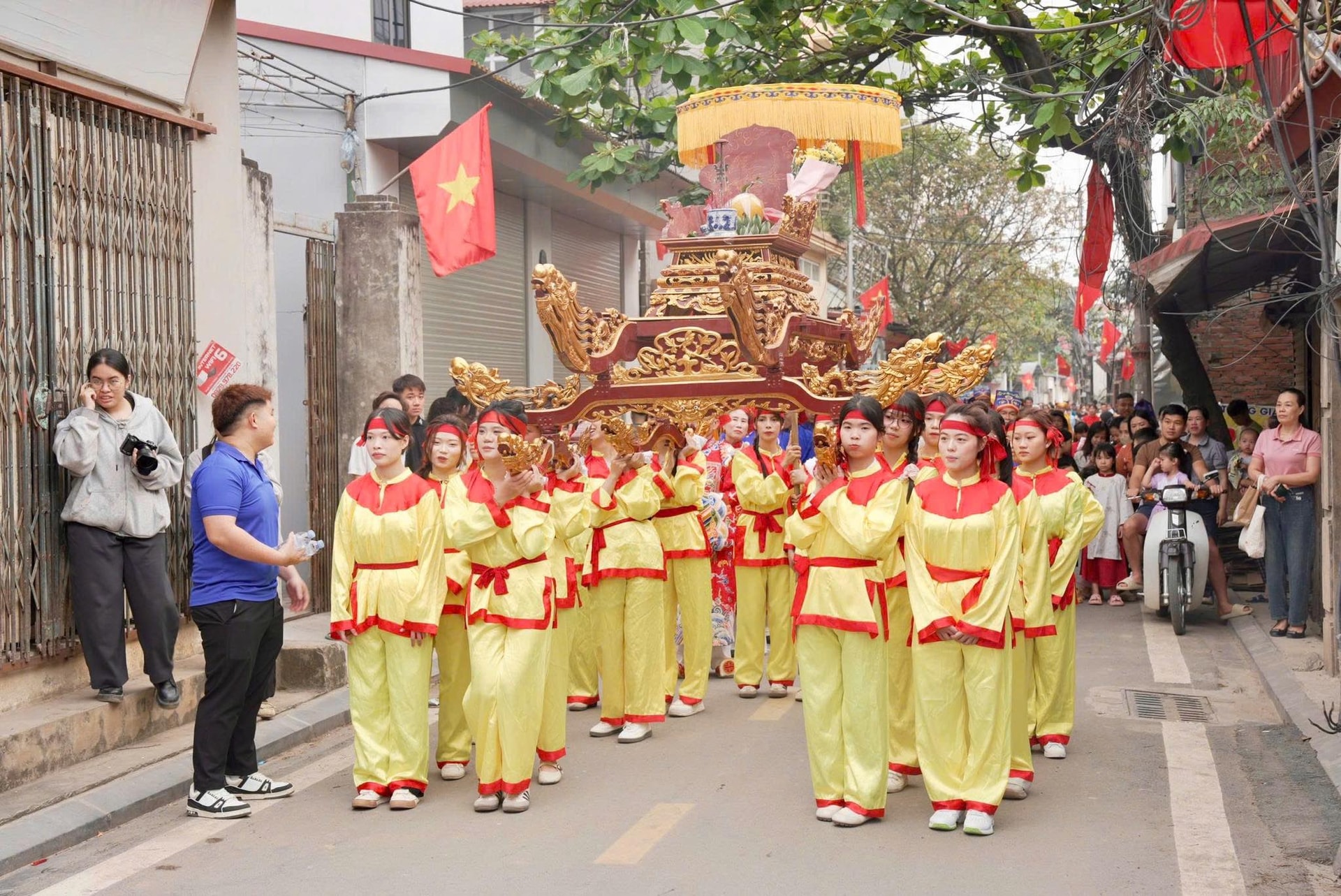
In Nhue village, the development of cultural life is concretized by maintaining a healthy lifestyle within the community. Approximately 41% of residents participate in regular physical exercise, and the cremation rate has consistently reached 100% for many years. The village's regulations are reviewed and updated annually to reflect the practical situation and are implemented with the people's consensus. The village's road system is largely paved with concrete and asphalt, and has adequate street lighting. Environmental sanitation is regularly maintained; over 90% of households participate in waste sorting. Public areas, historical sites, and ponds are protected and preserved, contributing to the village's attractive appearance. Hoang Van Dung, Head of the Fatherland Front Committee of Nhue village, shared: “We always believe that building a cultural life is not just the responsibility of village officials or the Fatherland Front Committee, but a common task for the entire community. When people participate, discuss, and implement together, the results will be more sustainable.”
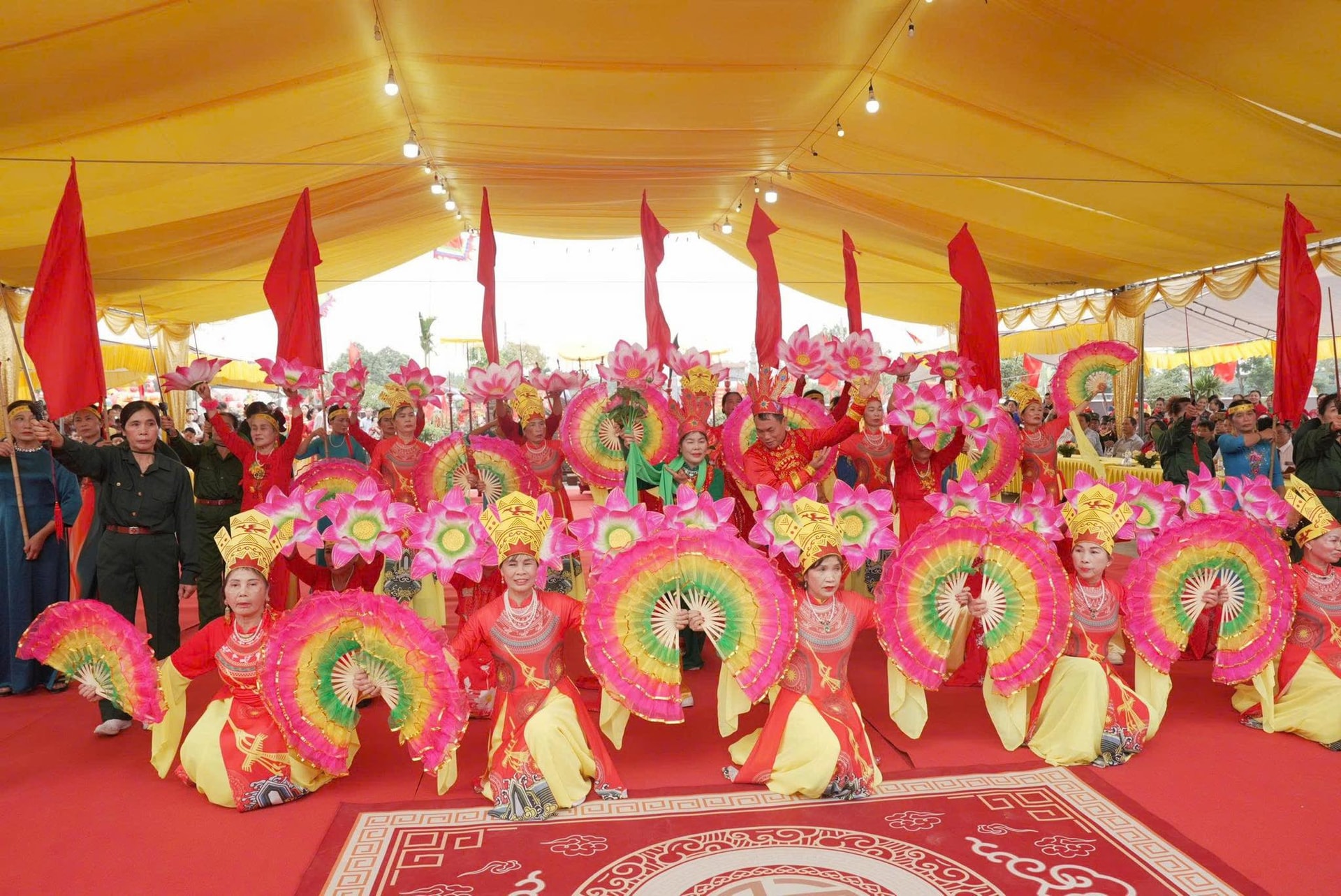
In Mai Chau village, the highlight of building a cultural life lies in promoting solidarity and mutual support within the community. 100% of household waste is collected and transported to designated collection points, preventing accumulation in residential areas; the drainage system has been upgraded, contributing to reducing flooding. Residents maintain general cleaning of village roads and alleys every Saturday morning. From these seemingly small actions, community awareness and a sense of responsibility towards the shared living environment are improving day by day. Mai Chau village head Nguyen Thanh Dong said: “To build a cultural residential area, we must first build consensus among the people. When people remind each other to practice a civilized lifestyle and support each other in life, then cultural life will become truly meaningful.”
In reality, the villages in Thien Loc share a common thread in building cultural life: the people are the main actors. Culture is not imposed from above, but is nurtured through the participation, consensus, and responsibility of the community.
Lifestyles are gradually changing.
The "movements" in each village and hamlet during the process of building cultural life in Thien Loc are gradually spreading to the entire commune. One of the important foundations of this process is the promotion of grassroots democracy through people's representative conferences to discuss the building of cultural life.
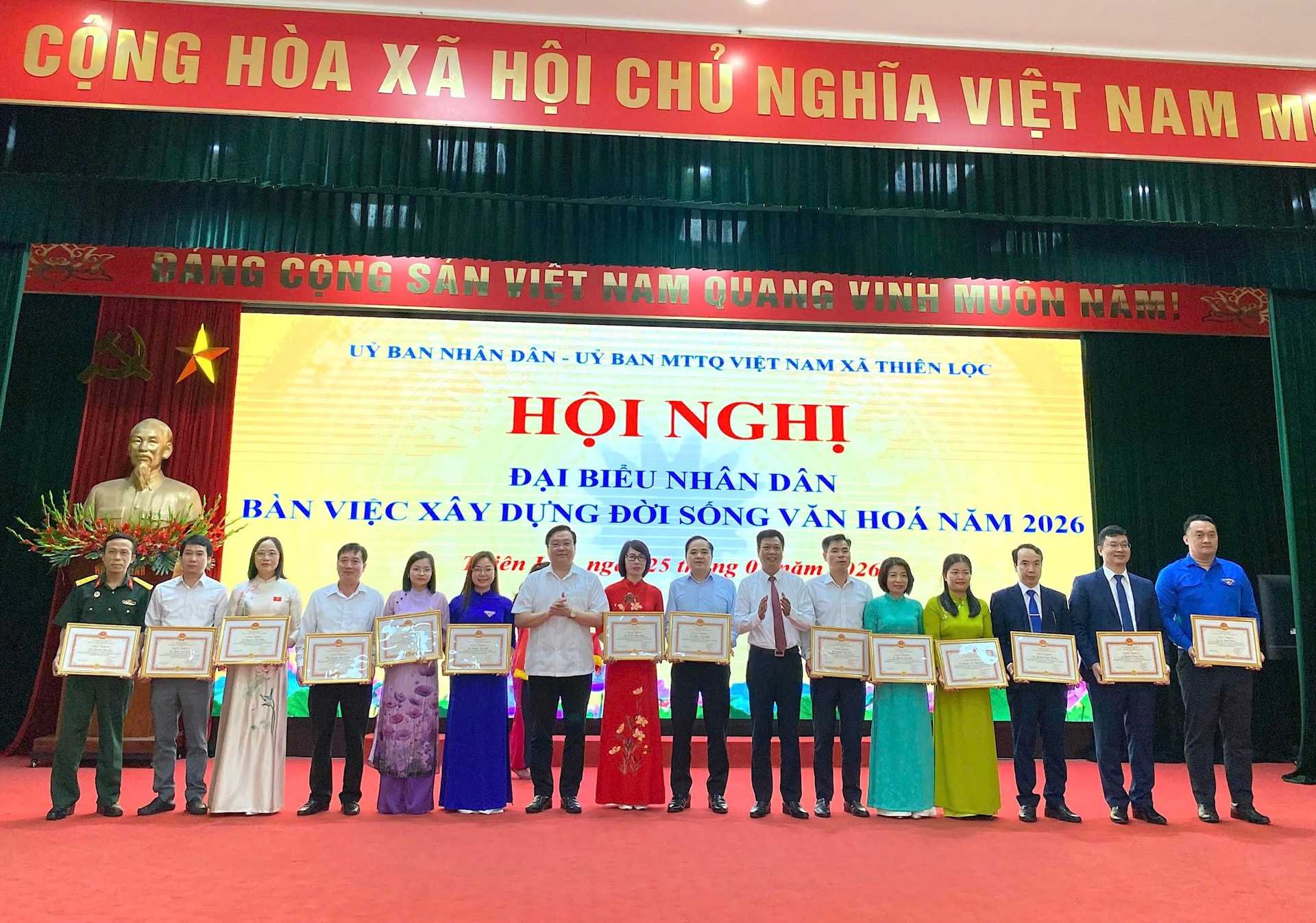
By 2026, 100% of residential areas in the commune will have held in-person meetings. At 14 meetings, 1,287 delegates attended, and 71 opinions were discussed, focusing on specific issues such as improving the effectiveness of community cultural centers, building self-governance models, environmental protection, waste sorting at source, cemetery management, and maintaining construction order. By the end of 2025, 217 out of 221 deceased individuals in the commune were cremated, achieving a rate of 98.19%. All 14 villages have community cultural centers and community activity points, basically meeting the needs of the people for activities, meetings, recreation, and exercise. The villages maintain the operation of 14 community cultural center management boards and 71 cultural, artistic, and sports clubs. “These figures show that building a cultural life in Thien Loc is not a mere formality, but is being implemented with the spirit of ‘the people know, the people discuss, the people do, the people supervise.’ Along with that, cultural institutions are not just existing for the sake of having them, but are operating quite effectively,” affirmed Nguyen Hung Dung, Vice Chairman of the People's Committee of Thien Loc commune.
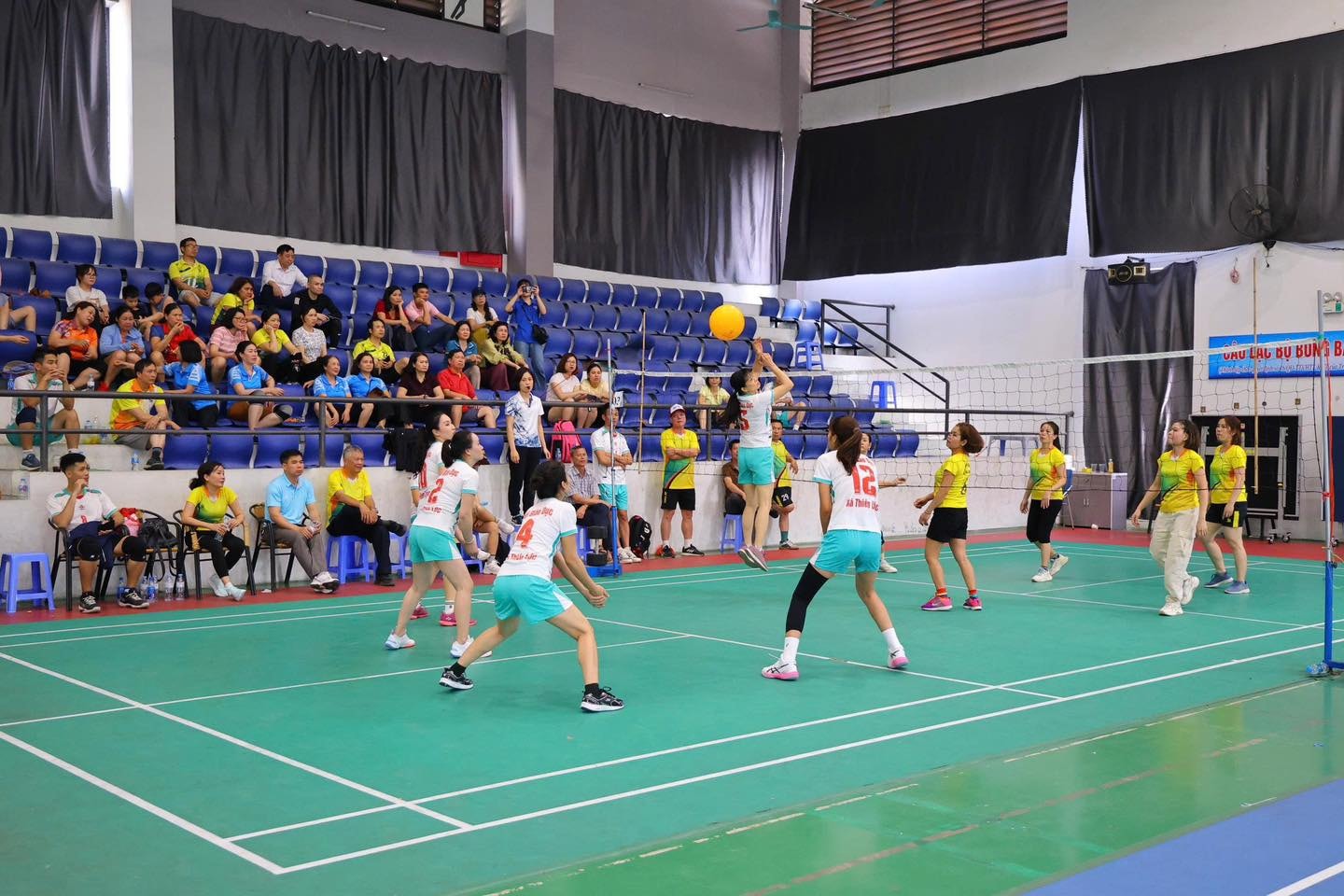
This effectiveness is further demonstrated by the increasing number of people actively participating in physical training activities and community cultural activities. By 2025, the percentage of people participating in regular physical exercise and sports will reach 48%, and the percentage of households participating in regular sports will reach 43.2%. The quality of cultural titles in the commune will continue to be maintained. By 2025, the entire commune will have 12,536 out of 13,051 households achieving the title of "Cultural Family," reaching 96.05%; and all 14 villages will achieve the title of "Cultural Village," reaching 100%.
In the context of the local area undergoing rapid urbanization, the changes in building cultural life in Thien Loc not only aim to further improve development criteria but also contribute to nurturing the cultural foundation from the very roots of the residential area, stemming from the awareness and responsibility of each citizen.
Source: https://hanoimoi.vn/vun-nen-van-hoa-tu-moi-khu-dan-cu-742895.html

















































































Comment (0)