

While fish sauce is an indispensable item in Vietnamese kitchens, soy sauce holds a unique and dominant position in Chinese cuisine. From the elegant banquets of Cantonese restaurants to the humble meals of Sichuan, soy sauce is present in almost every dish.
Why do the Chinese "revere" soy sauce?
Here are five core reasons why the Chinese have such a strong preference for soy sauce.
Suitable for agriculture
To understand why soy sauce has become the "king of condiments" in China, we need to go back thousands of years to the feudal era. Initially, the ancient Chinese also made fish sauce and other fermented sauces from meat and fish, collectively called "soy sauce."
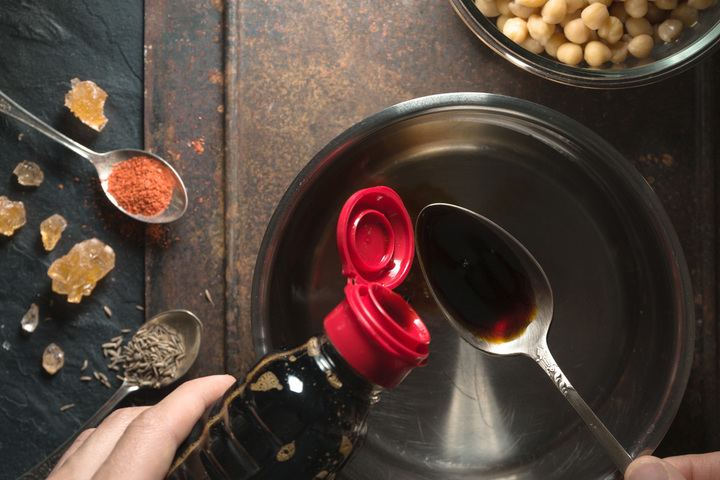
Thanks to its developed agricultural sector, the Chinese people have a diverse supply of soy sauce. (Photo: AsiaCooking)
However, a turning point occurred during the Han dynasty when Buddhism began to be introduced and flourished, promoting a vegetarian trend. The use of animal products as seasonings gradually decreased, paving the way for the creation of soy sauce made from soybeans.
Furthermore, China is a vast landlocked country with a thriving agricultural sector, where soybeans and wheat are staple crops. Utilizing these abundant and easily cultivated resources to produce soy sauce is far more economically efficient than using fish to make fish sauce. Over centuries, the soybean fermentation process has been perfected and deeply ingrained in the local culture, making soy sauce an inseparable part of the country's cultural heritage.
Special processing techniques
Chinese cuisine is world- renowned for its cooking techniques that require high heat and versatile variations such as stir-frying, braising, and steaming. Soy sauce possesses the perfect chemical and physical properties to adapt to these methods.
When stir-fried at high temperatures, the sugars and amino acids in soy sauce participate in the Maillard reaction (a reaction that creates browning and aroma), producing a characteristic slightly burnt aroma that Cantonese people call "wok hei" (breath of the wok).
Fish sauce, on the other hand, is volatile; when exposed to high temperatures in Chinese-style stir-fries, it can overpower the original flavor and cause the dish to lose its aroma. Therefore, soy sauce becomes the optimal choice to maintain the harmony of the dish.
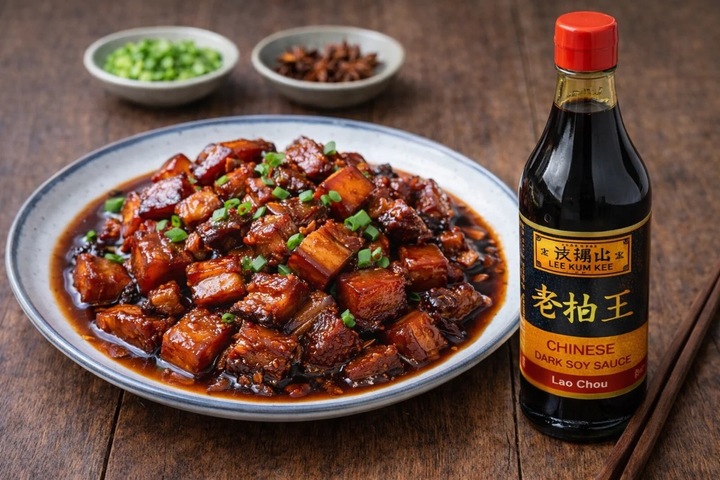
Chinese dishes often feature unique recipes using soy sauce. (Photo: AsiaCooking)
Aesthetics
For the Chinese, a delicious dish must possess three elements: "color, aroma, and taste," with "color" being paramount. Soy sauce is not only a flavoring agent but also a tool for the chef's artistic expression.
The Chinese have divided soy sauce into two distinct types for this purpose: light soy sauce and dark soy sauce. While light soy sauce is used to add saltiness and maintain a light color in steamed and stir-fried dishes, dark soy sauce, with its thicker texture and darker color, is the "magic pot" in braised dishes such as braised pork belly (hongshao rou).
The braised pork belly is evenly coated with the meat, creating a rich, glossy reddish-brown color that is absolutely visually appealing. Fish sauce, with its clear, amber color, cannot provide this characteristic rich, mysterious hue for Chinese-style braised dishes.
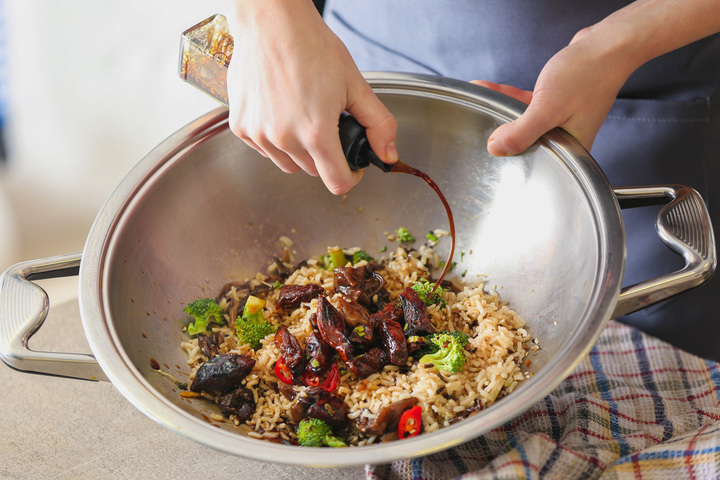
Cooking with soy sauce not only results in delicious food but also enhances its aesthetic appeal. (Photo: iStock)
Flavor
Although the cuisine of some regions, such as Sichuan or Hunan, is very spicy and flavorful, generally speaking, the core of Chinese taste leans towards harmony, subtlety, and depth. Soy sauce, made from soybeans and wheat, provides a natural sweetness from starch and plant proteins, combined with a delicate saltiness.
The aroma of fermented soy sauce made from grains is usually subtle, pleasant, and easily serves as a backdrop for other ingredients to shine. Meanwhile, fish sauce made from sea fish has a strong, pungent smell and a very harsh saltiness that can be off-putting to those unfamiliar with it.
Chinese people, especially in inland areas, often find the smell of fish sauce too strong and believe it can completely overpower the natural flavors of meat and vegetables. They prefer the subtle, enhancing taste of soy sauce to the direct intensity of fish sauce.
Diverse combinations
Chinese cuisine is a symphony of many strong spices such as onions, garlic, ginger, chili peppers, Sichuan peppercorns, star anise, cinnamon, and black vinegar. Soy sauce acts as a mediator, wonderfully blending with all these ingredients without causing any conflicting flavors.
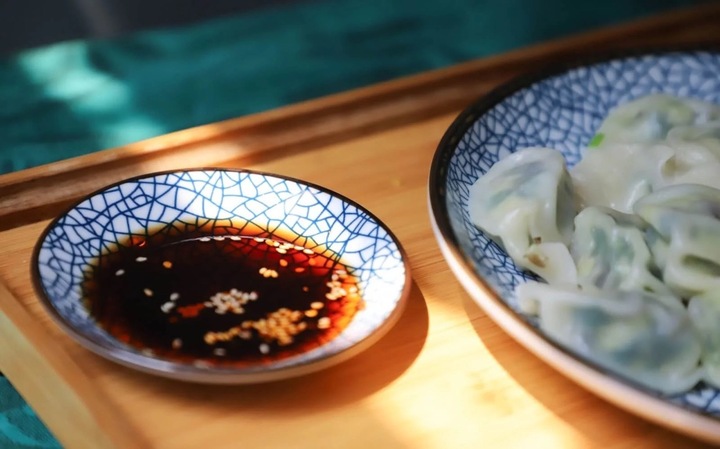
Soy sauce has always been the soul of the Chinese kitchen. (Photo: iStock)
When making dipping sauces, soy sauce can easily be combined with chili oil, black vinegar, and minced garlic to create incredibly delicious sauces for dumplings or boiled meat. If soy sauce is replaced with fish sauce in these complex recipes, the distinctive fishy smell can disrupt the balance of the herbs and spices, making the overall dish sound discordant.
It is this ease of blending that has helped soy sauce maintain its dominant position throughout China.
Source: https://vtcnews.vn/vi-sao-nguoi-trung-quoc-thich-dung-nuoc-tuong-den-the-ar1019721.html
![[Photo] First session of the 14th Congress of the Vietnam Trade Union](https://vphoto.vietnam.vn/thumb/1200x675/vietnam/resource/IMAGE/2026/06/03/1780465947883_ndo_br_img-3852-jpg.webp)
![[Photo] General Secretary and President To Lam presides over a meeting with the Central Organizing Committee.](https://vphoto.vietnam.vn/thumb/1200x675/vietnam/resource/IMAGE/2026/06/03/1780482764658_a1-bnd-4741-3342-jpg.webp)

![[Photo] Secretary of the National Assembly Party Committee, Chairman of the National Assembly presides over the meeting of the Standing Committee and Executive Committee of the National Assembly Party Committee.](https://vphoto.vietnam.vn/thumb/1200x675/vietnam/resource/IMAGE/2026/06/03/1780480353201_ndo_br_bnd-2585-jpg.webp)


























































![[Video] Sunset at Lap An Lagoon – Where the sun sets over the fishing nets](https://vphoto.vietnam.vn/thumb/1200x675/vietnam/resource/IMAGE/2026/05/31/1780192137701_beach-landscape-sea-water-nature-grass-745871-pxhere-com.jpeg)










































Comment (0)