

A common sight at lunchtime in offices, schools, or restaurants in South Korea is a line of people queuing in the restrooms, toothbrushes in hand, diligently brushing their teeth.
In many other cultures, brushing teeth is typically limited to two times: after waking up and before going to bed. However, in Korea, the standard is to brush your teeth three times a day. This has become a deeply ingrained cultural practice.

Koreans have a cultural tradition of brushing their teeth after lunch. (Photo: KoreanJeajong)
Why do Koreans brush their teeth three times a day?
The origin of this habit stems from the "3-3-3 Rule" campaign, a nationwide oral health education program launched in the late 1980s by the Korean Dental Association (KDA) in collaboration with the government.
This rule is incredibly simple: Brush your teeth three times a day, within three minutes of each meal, and for at least three minutes each time. Strongly promoted by dental science and the South Korean government, this rule has transformed this common personal hygiene practice into a natural reflex for the entire nation. Below are five core reasons why Koreans have maintained this habit for so long.
Culinary culture
The first and most obvious reason lies right on the Korean dinner table. Korean cuisine is world-renowned for its richness and intense flavors, but this comes with the extensive use of strong, lingering spices.
Garlic, shallots, green onions, sesame seeds, and especially chili powder (gochugaru), chili paste (gochujang), and soybean paste (doenjang) are present in almost all dishes, from kimchi and stews to grilled meats. After a lunch of kimchi stew or bibimbap, the strong smell of garlic and other spices not only lingers in the mouth but can also make those around you uncomfortable during conversations.
Brushing your teeth immediately after eating is the most effective way to completely eliminate food odors, restoring fresh breath so you can confidently continue your work in the afternoon. In addition, chili powder and sesame seeds easily stick to the gaps between teeth, causing serious aesthetic problems if not cleaned promptly.
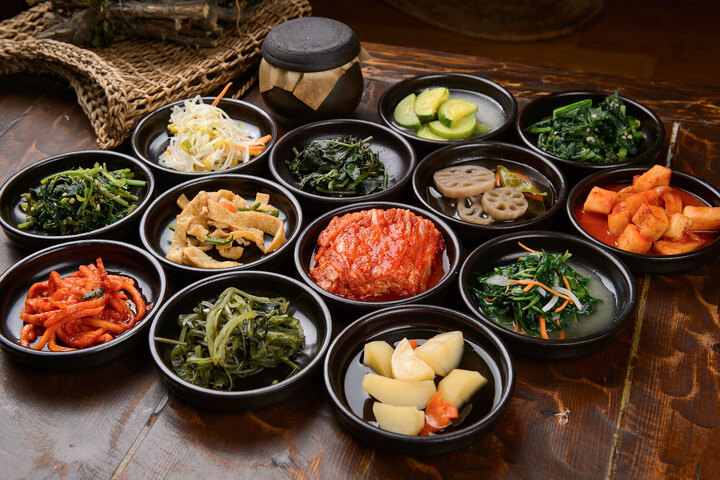
Koreans often eat meals with many pickled foods, which can easily cause unpleasant odors. (Photo: AsiaInspiration)
Afraid of causing trouble.
Korean society places great importance on saving face and public etiquette. One of the key concepts in their communication culture is "nunchi"—the ability to observe and be sensitive to the emotions of others and avoid hurting or offending them.
Having bad body odor or breath when interacting with colleagues, superiors, or clients is considered disrespectful, even a sign of carelessness in self-care. Therefore, Koreans brush their teeth after lunch not only for their own health benefits, but also as an act of politeness and kindness towards those around them.
They didn't want the strong garlic smell from lunch to spoil the atmosphere of the afternoon meeting. Having a clean smile and fresh breath was seen as a calling card, helping them build a professional and polished image in the eyes of others.
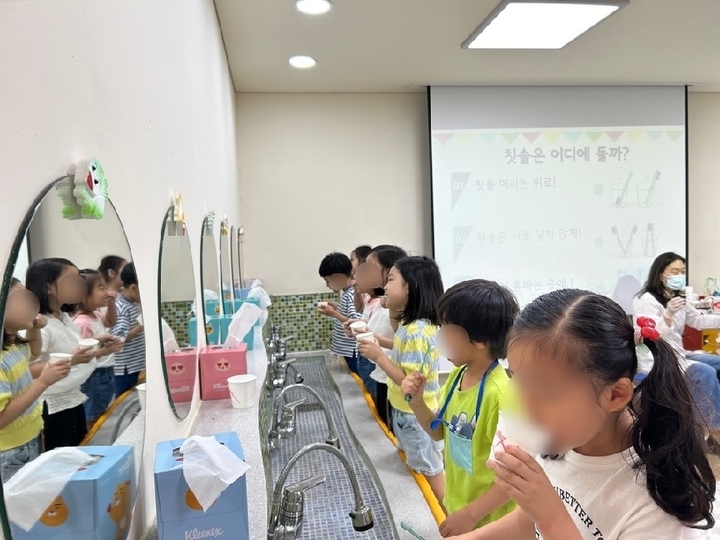
From a young age, Korean children are taught to brush their teeth three times a day so that their bad breath doesn't affect those around them. (Photo: KoreanHerald)
Synchronism
Koreans are known for their strong sense of teamwork, from schools to workplaces. When the "3-3-3" rule was introduced into the education system from preschool, children were taught to line up to brush their teeth together after lunch at school.
This habit is repeated throughout childhood, forming a memory and a natural reflex in adulthood. Upon entering the workplace, this behavior is further reinforced by the group effect.
When a colleague stands up, carrying a toothbrush bag, and heads towards the restroom after lunch, everyone will naturally follow suit so as not to feel left out or outside the group's norms.
In Korean companies, no one feels embarrassed about brushing their teeth in public, because everyone around them is doing the same. Office buildings are always designed with spacious sinks specifically for this need.
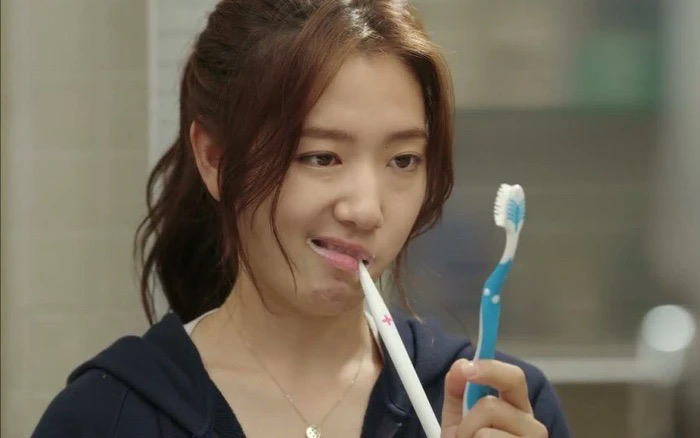
The culture of brushing teeth in South Korea is promoted through films and television. (Photo: KoreanHerald)
High medical costs
Another practical factor driving this trend is the perception of dental care costs. Although South Korea has a very good health insurance system, specialized dental services such as veneers, dental implants, or braces still incur extremely high costs and are often not fully covered by insurance.
Koreans understand very well that prevention is better than cure. Spending 3 minutes brushing your teeth after each meal is much cheaper and less painful than sitting in the dentist's chair to treat cavities or gum disease.
Brushing regularly helps remove food particles before they harden into tartar, thus protecting tooth enamel and keeping teeth and gums healthy. For them, a toothbrush is the most economical and effective investment in long-term health.
Dental care products
To maintain a mobile habit like brushing your teeth at work or while traveling, the support of convenient products is indispensable. In South Korea, the personal care industry has made brushing teeth easier and more fashionable than ever before.
You can easily buy compact travel toothbrush kits, toothbrush holders with UV sterilization, or pocket-sized electric toothbrushes at any convenience store on the street.
Even the designs of toothpaste tubes and toothbrushes here are eye-catching, turning them into personal accessories that reflect lifestyle. The availability and convenience of these tools eliminate any barriers of space and time.
Source: https://vtcnews.vn/vi-sao-nguoi-han-quoc-danh-rang-3-lan-moi-ngay-ar1021414.html




![[Photo] First session of the 14th Congress of the Vietnam Trade Union](https://vphoto.vietnam.vn/thumb/1200x675/vietnam/resource/IMAGE/2026/06/03/1780465947883_ndo_br_img-3852-jpg.webp)



















































































Comment (0)