

 |
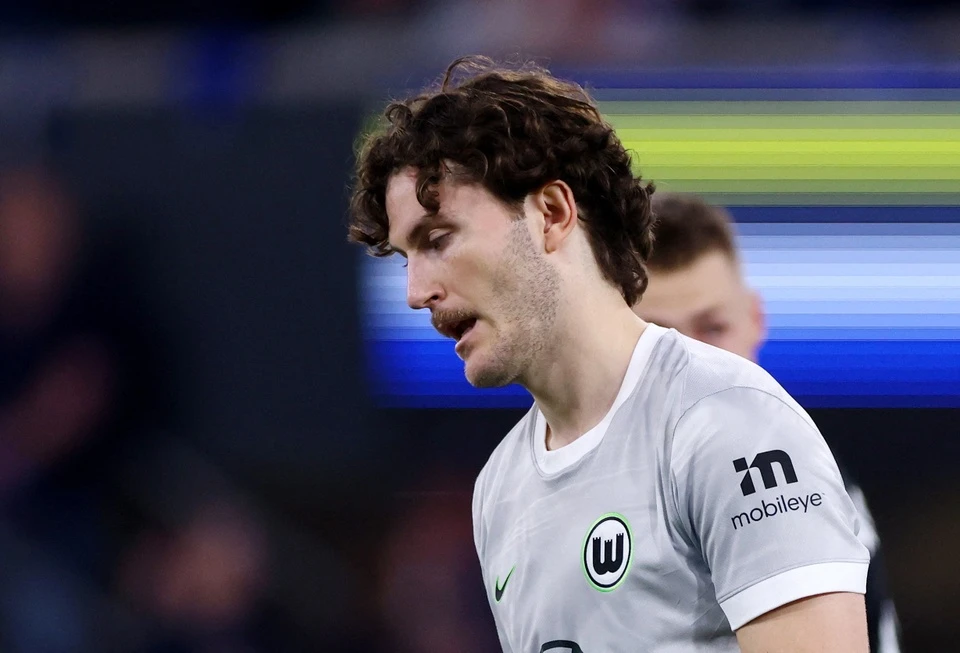
Wolfsburg has been relegated. |
Some clubs survive thanks to their history. Some teams thrive on financial power. And then there are those whose fate is tied to a large corporation to the point that when their backer falters, they begin to collapse as well.
Wolfsburg is one such case.
A glorious past
2015 was once the team's final peak. Wolfsburg then boasted a squad that attracted attention across Europe, featuring Kevin De Bruyne, Ivan Perisic, Bas Dost, Luis Gustavo, Naldo, and Andre Schürrle. They won the German Cup and played high-energy football under Dieter Hecking.
In that season's Champions League, Wolfsburg even put Real Madrid in a dangerous position after their 2-0 victory in the first leg of the quarter-finals. Without Cristiano Ronaldo's hat-trick at the Bernabeu, history might have taken a different turn.
But it was also in 2015 that the biggest event occurred. The Dieselgate scandal plunged Volkswagen into a serious crisis when it was discovered that it had installed software to cheat on emissions tests in its cars. Germany's largest automaker faced a series of fines and huge compensation payments.
Wolfsburg began paying the price from that point on. In 2017, Volkswagen cut the club's investment budget by approximately 40%. This was almost a turning point that transformed Wolfsburg from an ambitious team into a group struggling to survive in the Bundesliga.
Having to play in relegation play-offs three times in less than 10 years shows the team's prolonged decline. They are no longer stable enough to compete at the top, but not bad enough to need a complete rebuild anytime soon. Wolfsburg has been stuck in a state of limbo for many seasons.
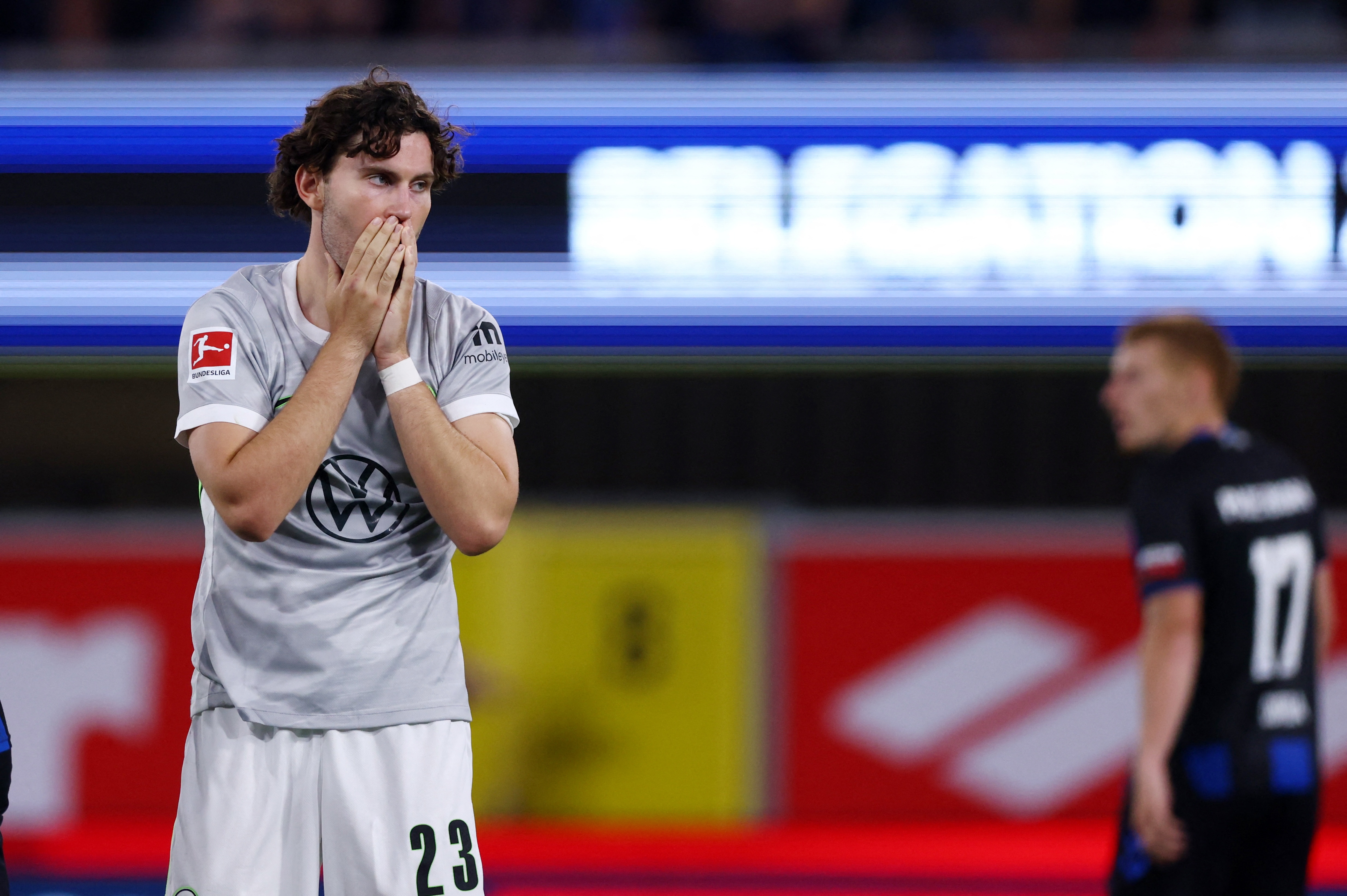 |
Wolfsburg is losing its way. |
The 2020/21 season under Oliver Glasner offered a glimmer of hope. Wolfsburg qualified for the Champions League with a well-organized and effective style of play. But that turned out to be just a fleeting moment of brilliance. In the years that followed, the team continued its quiet decline.
The most terrifying relegation
What makes this relegation so worrying isn't just the professional aspect. Volkswagen is still facing significant financial pressure. In March of this year, CEO Oliver Blume announced that the group would continue to cut costs by around 20%. This means Wolfsburg will likely have to tighten its budget even further in the coming period.
And right at that moment, the team was relegated to Bundesliga 2. That combination created a very bleak outlook. Relegation meant a sharp drop in revenue from television, commercials, and sponsorships. Meanwhile, Bundesliga 2 has never been an easy league for clubs accustomed to playing at the highest level.
German football has seen Hamburg take years to find their way back. Schalke 04 has also repeatedly fallen into crisis after being relegated. Hertha Berlin is still struggling with unfinished rebuilding projects.
Wolfsburg now faces a similar risk. The saddest thing is that this fall doesn't stem from a single failed season. It's the result of a cumulative effect over more than a decade, ever since Dieselgate erupted and Volkswagen was no longer able to maintain its former strong "pillar" position.
The days when Wolfsburg had De Bruyne, Perisic, and Luis Gustavo now seem like a distant memory. Back then, they dreamed of becoming the next big force in German football.
Eleven years later, Wolfsburg no longer talks about the Champions League. They are now facing the most difficult question: how to avoid sinking deeper after this historic relegation.
Source: https://znews.vn/wolfsburg-guc-nga-cung-volkswagen-post1654136.html





![[Image] Hanoi's urban life under the challenge of a "scorching hot" environment](https://vphoto.vietnam.vn/thumb/1200x675/vietnam/resource/IMAGE/2026/05/25/1779706979265_nang-nong-t5-2026-minh-duy-7-4636-jpg.webp)




































































Comment (0)