

Many believe that the biggest challenge lies not only in blending capacity but also in ensuring a sufficient supply of ethanol for E10 production during the initial implementation phase.
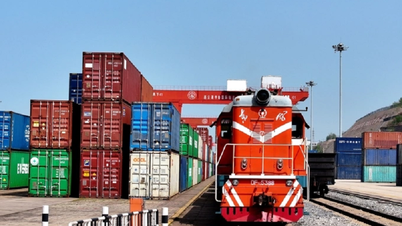
According to calculations by the Ministry of Industry and Trade , when E10 gasoline is implemented nationwide, the demand for fuel ethanol (E100) will be approximately 92,000 - 100,000 m3 per month. Meanwhile, the total domestic ethanol production currently only meets about 25,000 m3/month. This means Vietnam will have to import about 75,000 m3 of ethanol per month for at least the first year of implementation.
A representative from the Vietnam Oil Corporation (PVOIL) stated that the company has signed a contract to purchase approximately 19,000 cubic meters of fuel ethanol for E10 blending and is continuing to work with partners. The company is utilizing both domestically produced and imported ethanol to ensure a stable supply during the initial transition phase.
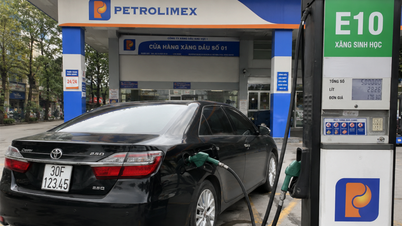
Vietnam National Petroleum Group ( Petrolimex ) announced that it has signed contracts for approximately 40,000 cubic meters of ethanol to support its E10 blending plan. To ensure a stable ethanol supply during the initial phase of E10 gasoline rollout across the entire system, the group is working with numerous partners from the United States, South Korea, Singapore, and Southeast Asia. According to the plan, Petrolimex's ethanol demand for E10 blending in the near future could reach approximately 45,000-50,000 cubic meters per month.
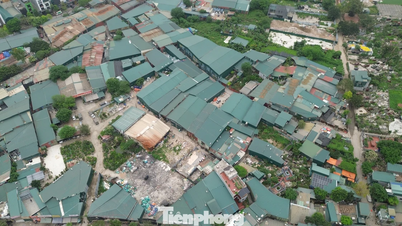
Mr. Dao Duy Anh, Deputy Director of the Department of Innovation, Green Transformation and Industrial Promotion, Ministry of Industry and Trade, stated that Vietnam currently has six ethanol plants, including: Dong Nai Ethanol Plant, Quang Nam Ethanol Plant, Dung Quat Biofuel Plant, Binh Phuoc Biofuel Plant, Dai Viet Ethanol Plant, Dak To Ethanol Plant, and Phu Tho Biofuel Plant.
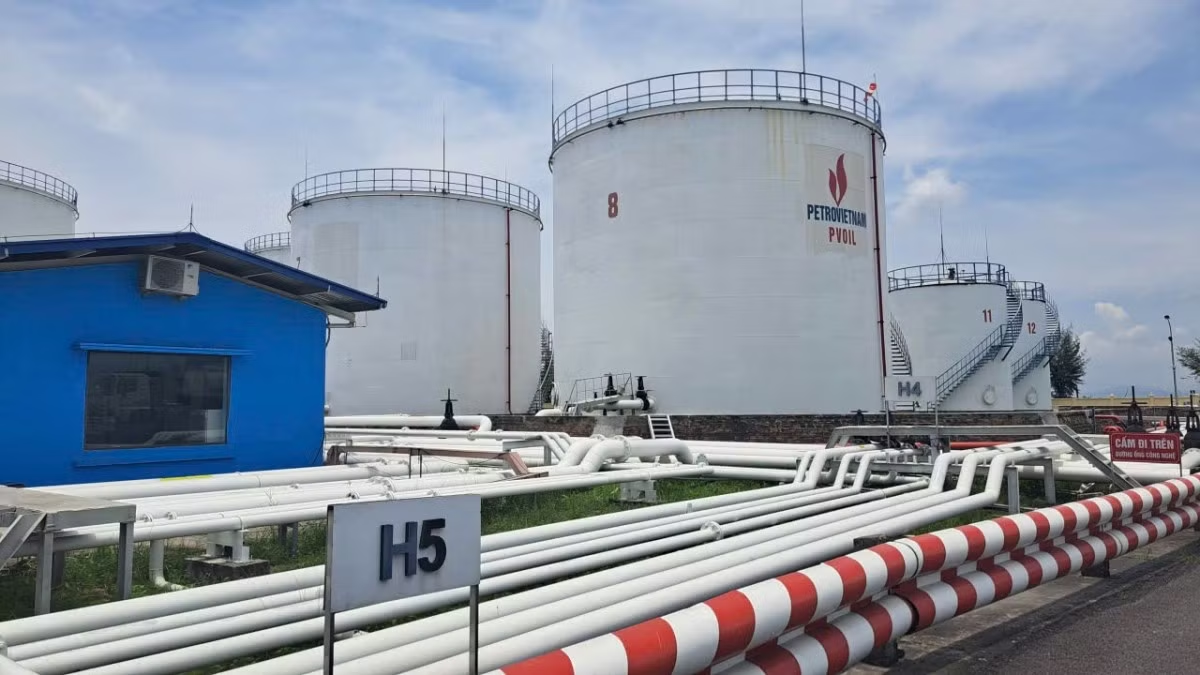
However, the majority of these projects were invested in many years ago, some of which were previously on the list of underperforming projects in the industry and trade sector and required lengthy restructuring. For a long time, only about 2-3 factories maintained relatively stable operations, such as the Tung Lam Alcohol Factory (Dong Nai) and the Dai Tan Alcohol Factory (Quang Nam), while many other projects were still in the process of restarting or converting technology.
According to Mr. Dao Duy Anh, even when domestic factories operate at maximum capacity, they can only meet about 40-50% of the ethanol demand for blending into biofuels. Therefore, importing ethanol in the initial phase is almost mandatory if the supply for the E10 market is to be ensured.
"Maintaining the 5% import tax on ethanol for how long to create a favorable gap for domestic businesses depends on Vietnam's negotiating ability and the actual situation. However, imposing a 5% tax does not necessarily mean that E10 gasoline will be expensive, as this also depends on the price of ethanol on the world market," Mr. Dao Duy Anh analyzed.
According to representatives from the Ministry of Industry and Trade, ethanol currently has a fairly abundant supply globally from major markets such as the US, Brazil, India, China, Thailand, and the Philippines. This is considered a factor that helps alleviate concerns about the risk of supply shortages in the initial phase of E10 implementation.
According to the Vietnam Biofuel Association, ethanol is a product in which the United States almost dominates the world in terms of production, accounting for approximately 50% of total global ethanol production.
With current gasoline consumption at around 10 million tons, the implementation of E10 could increase Vietnam's ethanol import demand by approximately tenfold, to about 1 million tons of ethanol per year, equivalent to a value of approximately 1 billion USD.
In the future, if Vietnam continues to increase the ethanol blending ratio to 20%, as many countries have already done, such as the Philippines, Thailand, the US, Brazil, and European countries, the potential for importing ethanol from the US alone could reach approximately $2 billion, equivalent to about 17% of the current value of goods imported from the US into Vietnam.
Source: https://tienphong.vn/xang-e10-viet-nam-co-the-chi-ty-usd-nhap-ethanol-moi-nam-post1844998.tpo
































































































Comment (0)