

After a period of exploitation, control, and even violence, they return physically and mentally traumatized, carrying wounds that are difficult to heal in the short term. It is at this stage that timely and appropriate support from relevant authorities is crucial, not only helping victims overcome the initial crisis but also laying the foundation for their reintegration into the community.
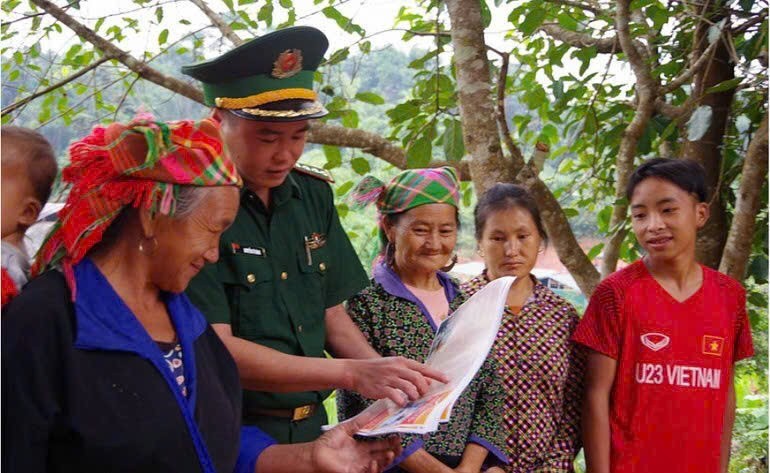
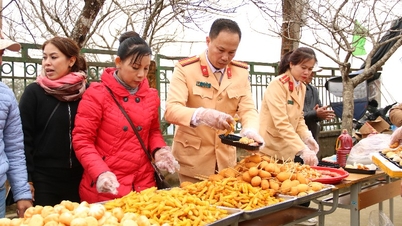
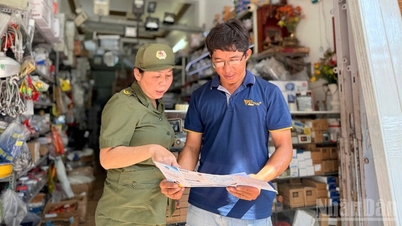
Border guards are raising awareness about preventing human trafficking.
Healing the wounds
The Law on Prevention and Combat of Human Trafficking of 2024 and Decree No. 162/2025/ND-CP have established a fairly comprehensive legal framework for receiving, protecting, and supporting victims after they are rescued, handed over, or return home on their own. Accordingly, victims have the right to medical care, psychological counseling, legal support, education, vocational training, and livelihood creation. However, when these regulations are put into practice, the process of supporting victims reveals many difficulties, especially in meeting long-term and personalized recovery needs.
From the initial reception stage, the majority of victims are already in a state of exhaustion and panic due to accumulated psychological trauma after a long period of control, threats, or coercion. Social workers at reception centers report that many victims are unable to calmly recount their stories. In many cases, victims can only share fragmented memories during the first few interactions.
Therefore, the screening and verification of information must be carried out with utmost caution, combining psychological observation, behavioral assessment, and step-by-step information gathering. Although Decree 162/2025/ND-CP clearly stipulates the timeframe for receiving information, in reality, the complex psychological factors of victims make this process difficult to complete quickly.
Following the initial reception phase, medical support is the next urgent need. However, in many localities, especially in remote areas, the primary healthcare system lacks psychiatrists or specialized intervention services for cases of post-traumatic stress disorder. Social welfare centers mainly provide basic healthcare, while severe cases require referral to provincial-level facilities or specialized centers. This waiting period can be lengthy, causing victims to remain unstable, while the need for psychological support is critical from the very first days of their return.
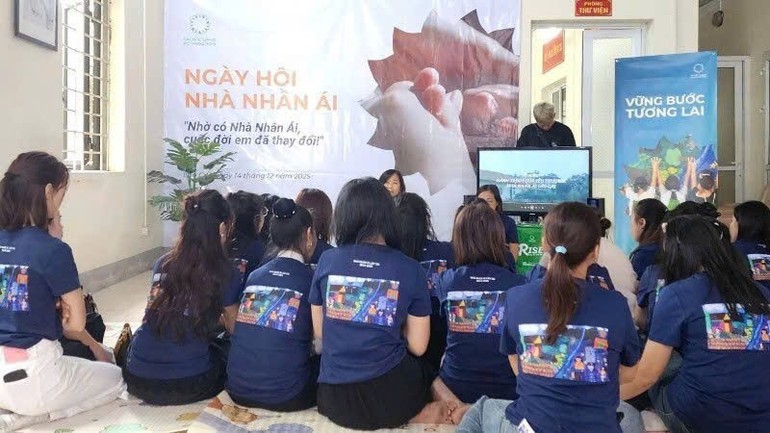
Psychological counseling, while legally recognized as a fundamental right of victims, is a crucial aspect of its implementation. Many rehabilitation centers have small teams of counselors, lack specialized training, and often have to handle multiple other responsibilities. As a result, psychological support is sometimes provided indiscriminately, failing to meet the individualized needs of each victim.
Meanwhile, each victim of human trafficking carries different experiences and levels of trauma, requiring delicate and persistent intervention. Some social workers say they have to coordinate with NGOs to organize in-depth counseling sessions, but this collaboration is not consistently maintained and lacks sustainability.
Removing administrative procedures
One of the challenges for victims upon their return is proving "who they are," as many have lost all their identification documents. Although the Law on Prevention and Combat of Human Trafficking 2024 and its guiding documents clearly stipulate the right to free legal assistance, many victims still struggle to access information, prepare documents, or participate in legal proceedings.
The lack of specific guidance, coupled with feelings of apprehension and shame after their experiences, discourages many from seeking repatriation. This not only affects the legal rights of victims but also impacts the effectiveness of investigations and prosecutions of human trafficking crimes. Therefore, resolving these obstacles and improving administrative procedures to ensure victims have full citizenship rights upon their return is a crucial issue that authorities prioritize.
Furthermore, creating livelihoods for returnees is also key to preventing victims from falling back into the trap of human trafficking. Most victims desire stable employment and financial independence to avoid being easily deceived again.
However, in reality, connecting victims with local vocational training programs remains limited. Some short-term training models have been implemented with the support of social organizations, but they have not been uniformly replicated. For victims returning to rural areas, long commutes and rising living costs continue to be barriers, making it difficult for them to fully pursue vocational courses.
Another issue that needs to be addressed frankly is the continuity of the support chain. In theory, the recovery process is designed as a closed loop from reception, medical care, psychological counseling, legal support to livelihood creation. But in reality, this chain is often broken. Some victims receive fairly comprehensive support in the early days at the reception facility, but upon returning to the community, they are no longer closely monitored, lack long-term support plans, and easily "fall out of the system."
Many local officials expressed a desire to provide long-term support to victims, but limited resources and a lack of a comprehensive record-keeping mechanism resulted in fragmented assistance.
Based on this experience, experts and those working in the prevention and control of human trafficking all agree that it is necessary to strengthen the professional staff and standardize the process of supporting victims at each stage. This should not only involve in-depth training for social workers, psychologists, or lawyers, but also require the establishment of a close and continuous coordination mechanism between the police, health services, social welfare facilities, vocational training centers, and community organizations.
Only when all links in the support chain are functioning in sync will victims of human trafficking have a real chance to overcome trauma, stabilize their lives, and reintegrate into the community sustainably. This is also how the law can go beyond simply punishing criminals, and fully demonstrate its humanistic values by placing people – the victims who suffer the most – at the center of policies and actions.
Source: https://baolaocai.vn/xoa-diu-noi-dau-cho-nan-nhan-bi-mua-ban-post890038.html

















































































Comment (0)