

According to the National Children's Hospital, osteogenesis imperfecta (brittle bone disease) is a condition where bones are brittle, easily fractured, and bone formation is incomplete. Brittle bone disease is caused by genetic damage that affects bone structure, making bones brittle and prone to deformation and fractures.
Most people are diagnosed with the disease at birth. The disease tends to be equally prevalent in both sexes.
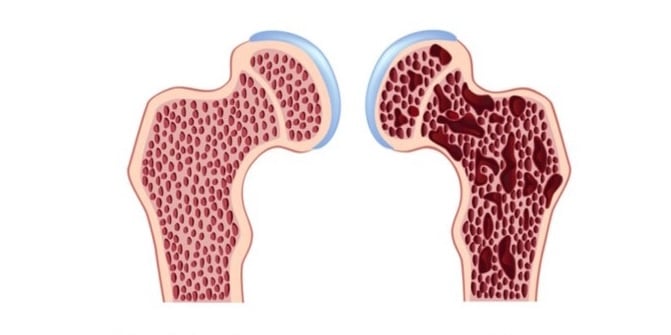
Osteogenesis imperfecta is a rare disease with an incidence rate of 1 in 20,000.
Osteogenesis imperfecta, with an incidence rate of approximately 1 in 20,000, has four types. Each type has different symptoms, but they all share one common characteristic: the bones are easily fractured.
In addition, there are some common signs such as: easy nosebleeds, frequent bruising, excessive bleeding from injuries, damaged skin, muscle weakness, etc.
Osteogenesis imperfecta cannot be completely cured, but symptoms can be reduced, and there are several methods to limit fractures; these include medication (antibiotics, anti-inflammatory drugs to prevent fractures, reduce pain, and limit spinal curvature).
Typically, the symptoms of this disease can improve with treatment and proper, scientific care; acupuncture and rehabilitation aim to strengthen bones and joints and increase bone flexibility.
In addition, patients need to eat plenty of foods rich in vitamins K and D, and calcium, and do appropriate exercises; they must absolutely avoid stimulants to protect their health and minimize the risk of dangerous situations.
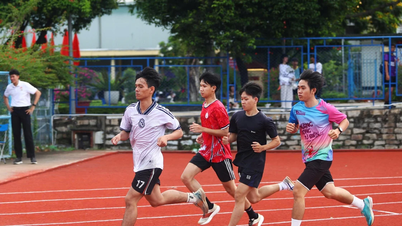
To slow the progression of the disease, people with osteogenesis imperfecta can swim. This is the best form of full-body exercise and is very suitable for those with osteogenesis imperfecta. Exercising in water significantly reduces the risk of fractures.
To detect osteogenesis imperfecta early, parents can undergo genetic testing or ultrasound during pregnancy.
Source link
![[Photo] General Secretary and President To Lam presides over a meeting with the Central Organizing Committee.](https://vphoto.vietnam.vn/thumb/1200x675/vietnam/resource/IMAGE/2026/06/03/1780482764658_a1-bnd-4741-3342-jpg.webp)
![[Photo] Secretary of the National Assembly Party Committee, Chairman of the National Assembly presides over the meeting of the Standing Committee and Executive Committee of the National Assembly Party Committee.](https://vphoto.vietnam.vn/thumb/1200x675/vietnam/resource/IMAGE/2026/06/03/1780480353201_ndo_br_bnd-2585-jpg.webp)




































![[Video] Sunset at Lap An Lagoon – Where the sun sets over the fishing nets](https://vphoto.vietnam.vn/thumb/1200x675/vietnam/resource/IMAGE/2026/05/31/1780192137701_beach-landscape-sea-water-nature-grass-745871-pxhere-com.jpeg)




![[Photo] General Secretary and President To Lam attends the 14th Congress of the Vietnam Trade Union](https://vphoto.vietnam.vn/thumb/402x226/vietnam/resource/IMAGE/2026/06/04/1780543339765_anh-man-hinh-2026-06-04-luc-10-22-07.png)




















Comment (0)