

Operating the new system: Preventing disruptions to development.
The establishment of Yen Lang commune through the merger of administrative units was not simply a change in geographical boundaries, but also brought about a series of issues related to organization, human resources, and management methods. A larger area and increased workload, coupled with a shortage of staff requiring time to adapt, created considerable pressure on the local government.
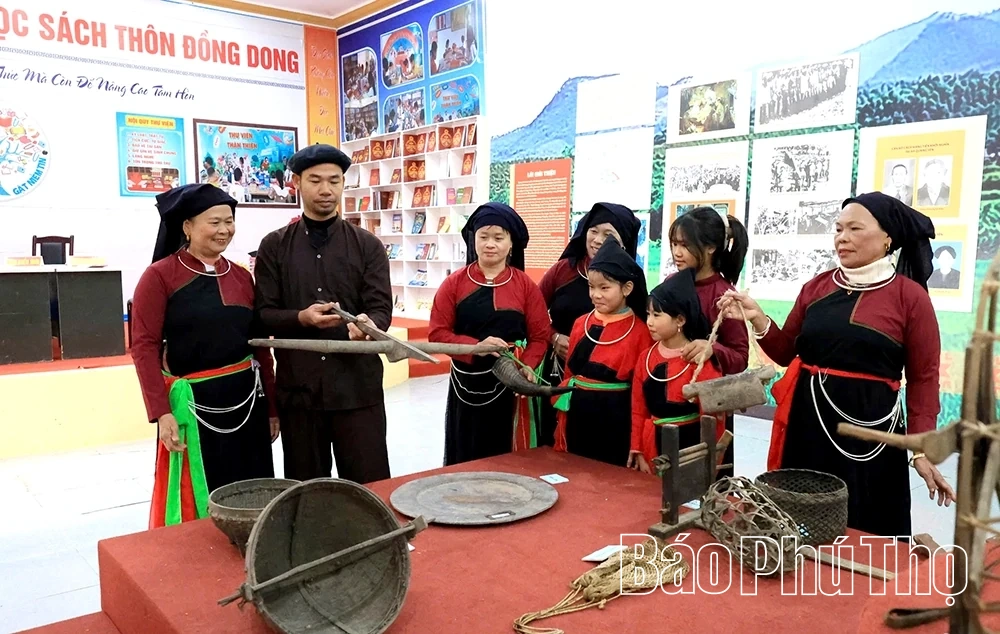
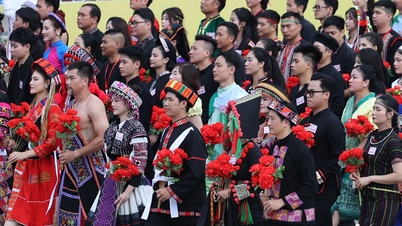
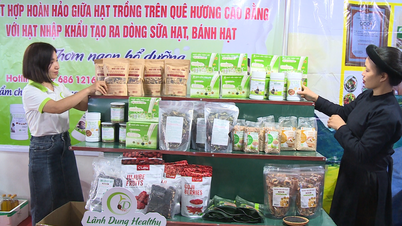
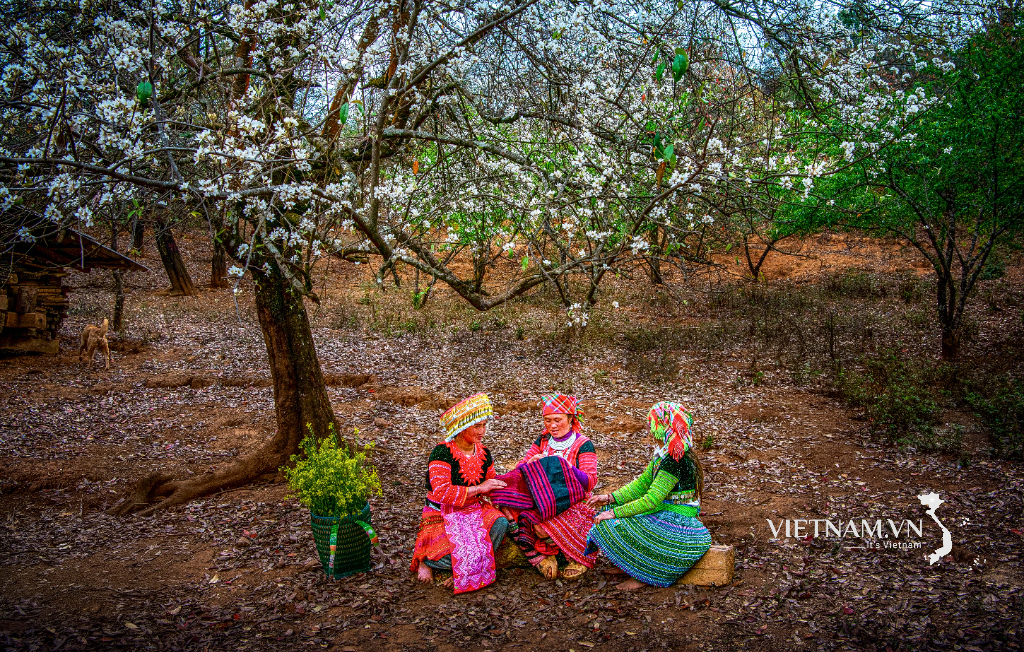
Amidst the hustle and bustle of modern life, the Cao Lan people of Yen Lang commune still preserve many unique products that reflect the rich traditional culture of their ethnic group.
However, it is noteworthy that from the very beginning of its operation, the Party Committee and the local government of the commune have focused intensely on reorganizing the administrative apparatus, ensuring smooth operation and preventing interruptions in services for citizens and businesses. Simultaneously, the preparation of infrastructure, the consolidation of specialized departments, and the establishment of new work procedures have been implemented synchronously, creating a stable foundation for the entire system.
In the context of both mergers and the need to carry out development tasks, maintaining stability from the outset is a crucial prerequisite for Yen Lang to avoid stagnation – a common occurrence in many localities when changing organizational models.
Building on a stable organizational structure, the socio -economic development of Yen Lang commune in 2025 will continue to maintain its momentum. The growth rate is projected at approximately 8.2%, with a positive shift in the economic structure, gradually reducing the proportion of agriculture and increasing the proportion of industry, construction, and services.
The most outstanding highlight is the revenue collection result. Total state budget revenue in the area is estimated at over 184 billion VND, equivalent to 472% of the projected target; the commune's budget alone reached over 179 billion VND, equivalent to 512% of the projected target. This is not only an impressive figure but also clearly reflects the effectiveness in management, revenue exploitation, and utilization of mechanisms and policies after the merger.
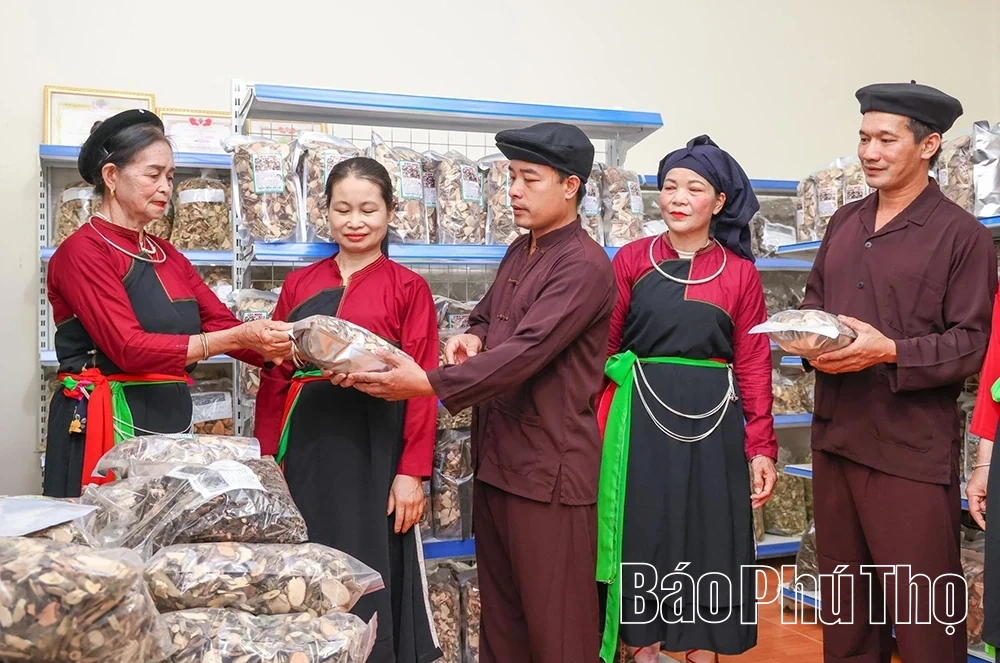
The family of Ms. Nguyen Thi Tung in Dong Dong village, Yen Lang commune, has a stable income thanks to their traditional herbal medicine practice.
Simultaneously, agricultural production continued to be maintained stably, with the gradual application of science and technology; the trade and service sectors developed diversely; and disease prevention and control for crops and livestock was well managed, contributing to ensuring production safety.
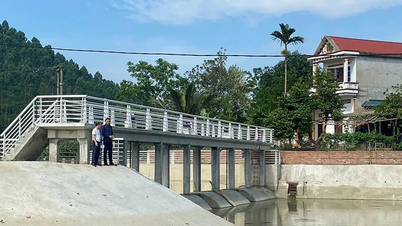
In the field of public investment, the commune focuses on accelerating the progress of infrastructure projects, especially rural transportation, administrative centers, and key projects. Administrative reform and digital transformation have seen many positive changes, with 100% of documents processed electronically and a high percentage of online applications, contributing to improved service quality for the people.
Removing bottlenecks, moving towards sustainable development.
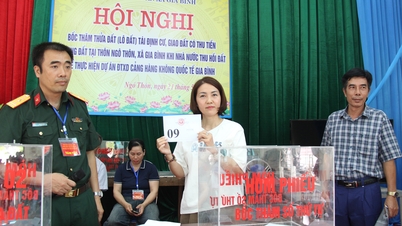
Despite the achievements, the development process of Yen Lang still faces many difficulties and challenges. After the merger, the scale of management has expanded while resources remain limited, especially specialized human resources. Some construction projects are behind schedule due to obstacles in compensation and land clearance.
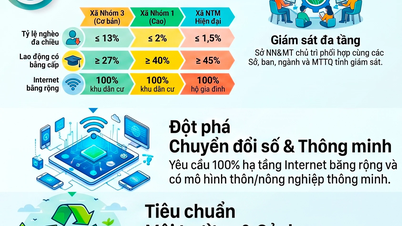
In the agricultural sector, production remains small-scale and fragmented, failing to form sustainable value chains. The new rural development program has not met expectations, with the commune only completing 14 out of 19 criteria, many of which require significant resources, such as cultural infrastructure, environmental protection, and food safety.
Notably, despite the acceleration of digital transformation, a segment of the population, especially in rural areas and among the elderly, remains unfamiliar with using online public services. This affects the effectiveness of administrative reform and the goal of building a digital government at the grassroots level.
Furthermore, environmental issues, waste management, land violations, and the potential for complaints remain, requiring more decisive action from local authorities.
In 2026 – the first year of implementing the new socio-economic development plan – Yen Lang clearly defines its goal of continuing to innovate its growth model in conjunction with economic restructuring, maximizing the local potential and advantages. The focus will be on accelerating administrative reform, digital transformation, attracting investment, improving infrastructure, and enhancing the quality of life for its people.
At the same time, the commune is focusing on removing bottlenecks in land clearance, developing the collective economy, and building advanced new rural areas; strengthening resource management and environmental protection; ensuring social security and maintaining political stability and social order and safety.
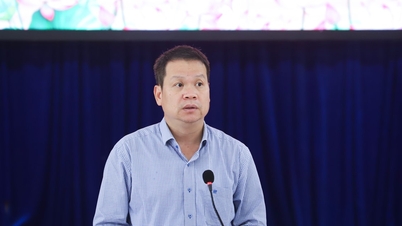
“In the coming time, Yen Lang commune will continue to promote the spirit of solidarity, proactively seize opportunities, focus on resolving difficulties and obstacles, effectively exploit the potential and advantages of the locality, strive to comprehensively complete the socio-economic development goals for 2026, creating a solid foundation for the next development phase,” emphasized Mr. Vu Van Hoc, Vice Chairman of the People's Committee of the commune.
From a newly formed commune following a merger, Yen Lang is gradually demonstrating its adaptability, flexibility, and determination to move forward. While the initial results are not yet complete, they are sufficient to instill confidence in a more sustainable development path ahead.
Quang Nam
Source: https://baophutho.vn/yen-lang-xa-moi-dong-luc-moi-250761.htm



![[Photo] General Secretary and President To Lam presides over a working session with the Central Policy and Strategy Committee on the development of the materials industry.](https://vphoto.vietnam.vn/thumb/1200x675/vietnam/resource/IMAGE/2026/05/21/1779359935432_a3-bnd-3129-1412-jpg.webp)
































































Comment (0)