

FIFA's head of refereeing, Pierluigi Collina, said the adjustments approved by the International Football Association Board (IFAB) focus on four main goals: combating discrimination, reducing wasted time, improving player-referee relations, and optimizing the use of VAR technology.
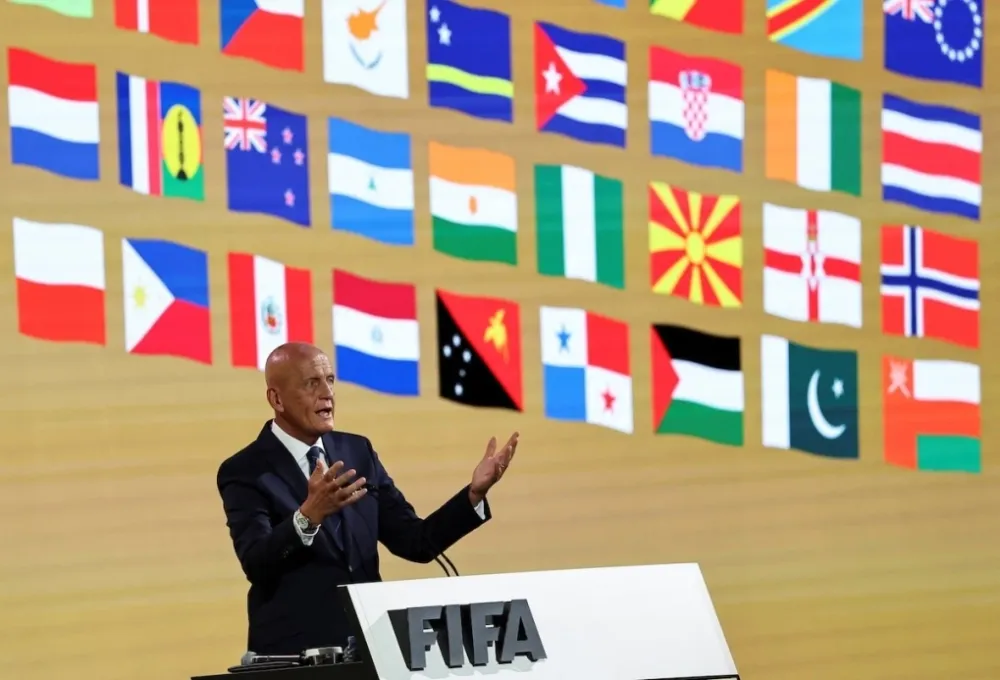
The significant changes lie in the situations involving goal kicks and throw-ins. According to the new rules, if a player deliberately delays taking a throw-in, the referee will signal or blow a whistle to start a countdown. The team taking the throw-in then has only five seconds to get the ball back into play. If this time is exceeded, the throw-in will be awarded to the opposing team.
The same rules apply to goal kicks. After the referee gives permission, the team in possession of the ball has only five seconds to put the ball back into play. If they fail to do so within the time limit, the opposing team will be awarded a corner kick.
FIFA sees this as the next step following the previously implemented rule limiting the time goalkeepers can hold the ball. According to Collina, the new rule significantly reduces time-wasting and limits unnecessary breaks during matches.
Another potentially controversial change concerns the practice of covering mouths during arguments. For many years, a number of players have habitually used their hands, arms, or shirts to cover their mouths when speaking with teammates or opponents to avoid having their conversations recorded by cameras. FIFA argues that this behavior is particularly inappropriate in tense confrontational situations.
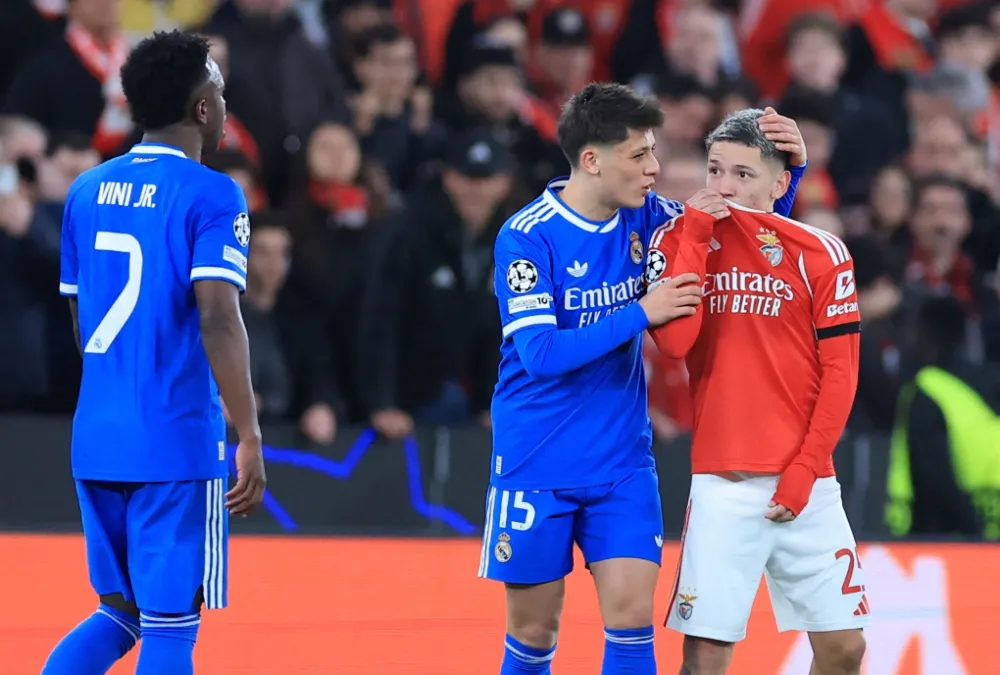
According to the new rules, referees have the right to issue a red card to a player who covers their mouth during an argument with an opponent. The decision will depend on the referee's assessment on the field. FIFA emphasizes that this is a deliberate choice by the player, and therefore needs to be monitored to ensure transparency and sportsmanship .
Excessive reactions to referee decisions will also be dealt with more severely. If a player leaves the field to protest a match decision, the referee may send them off. This rule also applies to members of the coaching staff if they incite players to abandon the game.
The team that causes a match to be suspended due to collective protest will essentially be handed a loss. The rule is intended to prevent similar incidents from occurring in some international tournaments, such as the African Cup of Nations final in January 2026 between Senegal and Morocco.
Besides restricting time-wasting during out-of-play, FIFA is also tightening substitution procedures. According to the new rules, a player being substituted must leave the field within 10 seconds of the fourth official raising the electronic board. If this time limit is exceeded, unless there is an exception such as injury or safety reasons, the team will be penalized.
Specifically, substitute players are not allowed to enter the field immediately. The player being substituted must still leave the field, leaving the team temporarily playing with one less player. Substitutions can only be completed during the first dead ball after at least one minute of play.
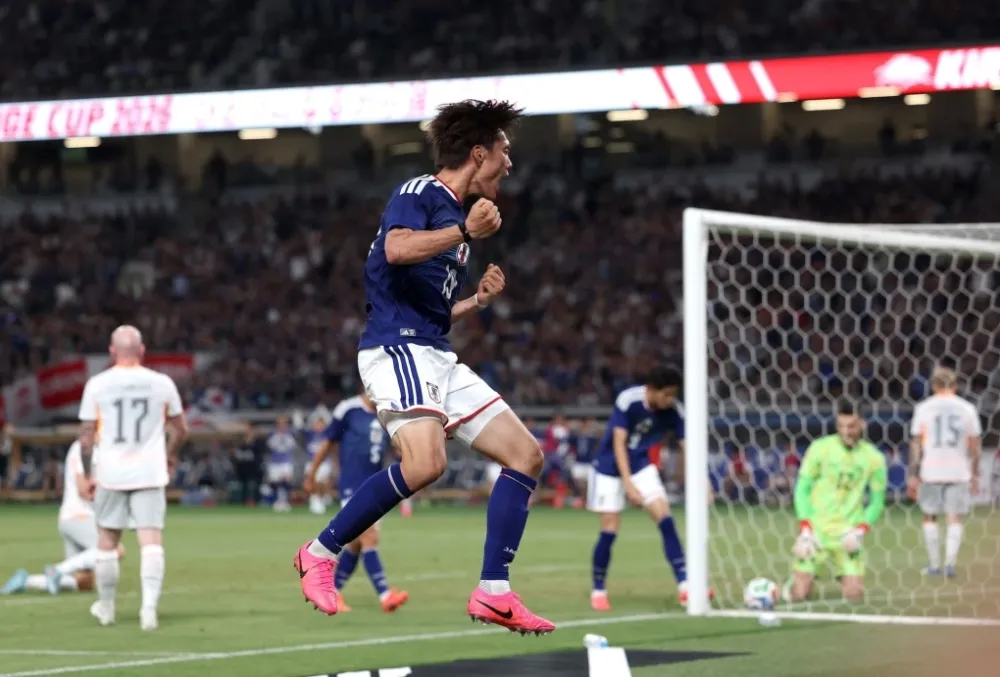
The friendly match between Japan and Iceland on May 31st witnessed this situation. Iceland had to play with 10 men for over a minute because the substitute player was too slow to leave the field. During that time, Japan scored the only goal of the match. FIFA believes the new rule will force teams to make substitutions more quickly, instead of taking advantage of the final minutes of the match to disrupt the rhythm of the game.
Regarding medical care, current regulations continue to be adjusted to increase the time allocated for assessing injuries. A player who needs medical or physiotherapist care on the field must leave the field and remain off for at least one minute before being allowed to return. FIFA argues that this time allows the medical team to conduct a more thorough examination and provides a chance for the player to truly recover, rather than quickly returning to the field just to waste time.
Meanwhile, VAR will have more powers to intervene in certain new situations. Most notably, the video assistant referee technology can request a review of a decision leading to a second yellow card if it is clearly incorrect. In that case, the second yellow card and the resulting red card may be overturned.
VAR also has the power to correct errors in misidentifying players in situations involving warnings or red cards.
Furthermore, incorrect corner kick decisions can be corrected before the corner kick is taken. FIFA emphasizes that these are clear-cut situations that can be resolved within 10 to 15 seconds without a lengthy review process. However, once the corner kick has been taken, the decision cannot be changed.
Finally, FIFA continues to implement water breaks in extreme weather conditions. When temperatures or humidity levels affect players' health, referees may temporarily stop the game to allow teams to rehydrate. These breaks usually take place around the 22nd minute of each half, but the specific timing may vary depending on the actual conditions.
According to vnexpress.net
Source: https://baodongthap.vn/10-luat-moi-o-world-cup-2026-a241559.html


















![[Photo] Reception to welcome General Secretary and President To Lam and his wife on their State visit to the Philippines](https://vphoto.vietnam.vn/thumb/1200x675/vietnam/resource/IMAGE/2026/06/01/1780295488620_vna-potal-chieu-dai-chao-mung-tong-bi-thu-chu-tich-nuoc-to-lam-va-phu-nhan-tham-cap-nha-nuoc-toi-philippines-8798060-7855-jpg.webp)

































































Comment (0)