

In traditional medicine, ginger (fresh ginger) is considered a warming herb with a pungent taste, acting on the lung, spleen, and stomach meridians. For thousands of years, ginger has been used to warm the body, dispel cold, stimulate digestion, and aid in detoxification. The liver – a central organ in metabolism and detoxification – also benefits positively from the bioactive compounds in ginger if used appropriately.
- 1. The effects of ginger on the liver from a scientific perspective.
- 2. How to use ginger to benefit your liver.
- 2.1 Drink warm ginger tea every day.
- 2.2 Incorporating ginger into your diet
- 2.3 Diluted ginger water (for short-term use)
- 2.4 Ginger and Turmeric Combination
- 3. Important notes when using ginger to protect the liver
Modern medicine has identified compounds in ginger such as gingerol, shogaol, and zingerone, which possess antioxidant and anti-inflammatory properties. These properties are directly related to protecting liver cells from damaging factors such as oxidative stress, alcohol, and an unhealthy diet.
However, using too much ginger isn't necessarily good. Its use should be balanced, appropriate to one's physical condition, and based on clear scientific evidence.
1. The effects of ginger on the liver from a scientific perspective.
Modern studies have shown that ginger has many mechanisms that support liver health:
Antioxidant and liver cell protection: The liver constantly processes toxins, making it susceptible to oxidative stress. Gingerol in ginger helps neutralize free radicals, thereby reducing liver cell damage.
Reducing liver inflammation: Inflammation is a significant factor in many liver diseases, such as non-alcoholic fatty liver disease. Ginger has the ability to inhibit inflammatory cytokines, helping to reduce the inflammatory response in the liver.
Supports the reduction of fatty liver: Some studies suggest that ginger may improve fatty liver disease by increasing lipid metabolism and reducing triglyceride accumulation.
Improving liver enzyme function : Ginger can help stabilize liver enzyme levels (ALT, AST) in some cases, especially when liver damage is related to diet or metabolism.
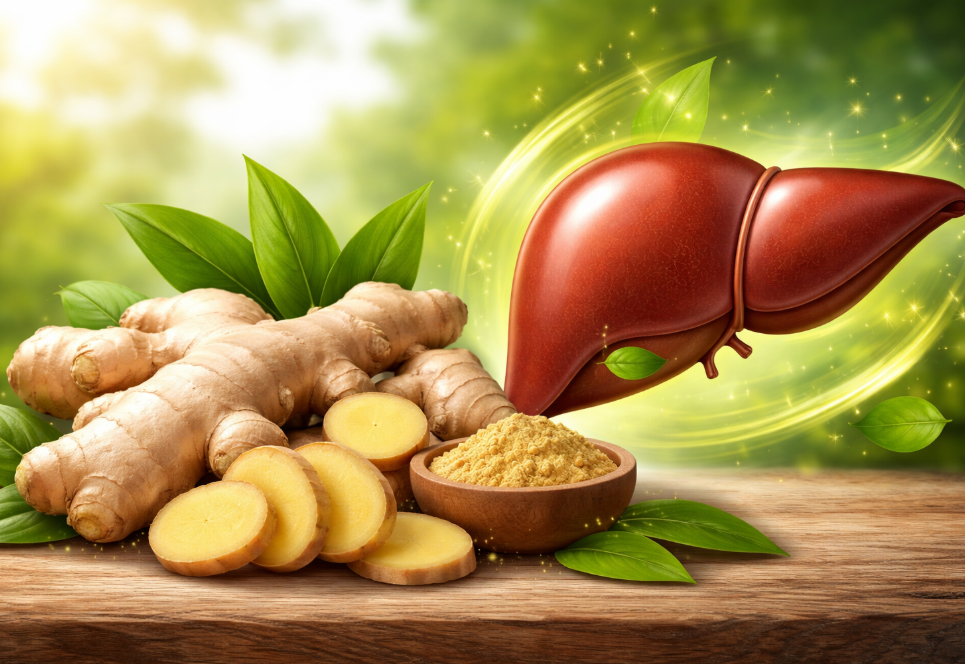
Ginger is not only a familiar spice but also a valuable medicinal herb that supports liver function.
2. How to use ginger to benefit your liver.
To maximize the benefits of ginger for the liver, it's important to choose appropriate ways to use it and avoid overuse.
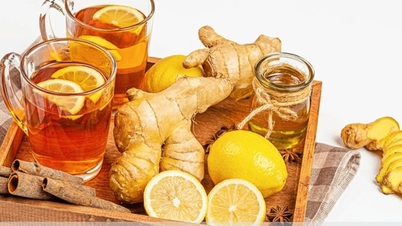
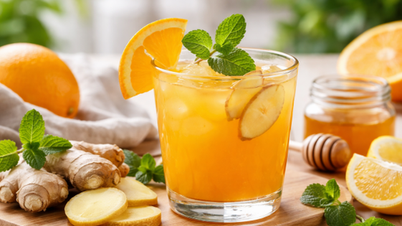
2.1 Drink warm ginger tea every day.
Ginger tea helps stimulate digestion and indirectly supports liver function by improving metabolism.
Making:
- 3–5 slices of fresh ginger.
- 200–300 ml of hot water.
- You can add a little honey (after the water has cooled down)...
Effects: Supports mild detoxification; reduces bloating, improves digestion…
2.2 Incorporating ginger into your diet
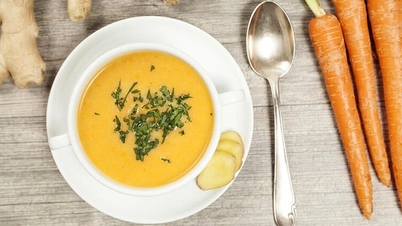
Ginger can be used as a spice in steamed, boiled, and soup dishes.
Benefit: Improves fat digestion, reduces metabolic burden on the liver…
2.3 Diluted ginger water (for short-term use)
It can be used during periods when digestive support is needed or after eating fatty foods.
Note: Do not use continuously for extended periods, and avoid drinking on an empty stomach.
2.4 Ginger and Turmeric Combination
In traditional medicine, ginger and turmeric are often used together to support liver health. Turmeric contains curcumin, which helps fight inflammation. Ginger aids absorption and enhances bioavailability.
- Drink warm ginger and turmeric water (the most common method)
Making:
- 3–5 slices of fresh ginger.
- 1/2 teaspoon of turmeric powder or 3–5 slices of fresh turmeric.
- 250 ml of hot water (70–80°C).
- You can add 1 teaspoon of honey (after the water has cooled down)...
Use: Drink once a day, after breakfast or lunch; use continuously for 2–3 weeks then take a break. Curcumin in turmeric is poorly soluble in water, but ginger helps stimulate digestion and increase absorption. Warmth helps release the active ingredients more effectively.
- Incorporate into everyday meals (safe, easy to maintain)
How to use: Add ginger and turmeric to dishes such as steamed fish with ginger and turmeric, chicken soup with turmeric, and lightly stir-fried dishes…
Benefits: Indirectly supports liver function by improving digestion and fat metabolism; lower risk of overdose compared to concentrated oral forms.
3. Important notes when using ginger to protect the liver
Despite its many benefits, ginger is not suitable for everyone.
Do not exceed the recommended dose: The usual recommended dose is 1–3 grams of fresh ginger per day; excessive use may cause stomach irritation and increase the risk of internal heat.
Not suitable for certain individuals: those with a hot constitution (or internal heat, constipation, acne); those with severe stomach ulcers; and those currently taking anticoagulants.
Not a substitute for medical treatment: Ginger is only a supportive treatment and cannot replace medication in liver diseases such as viral hepatitis, cirrhosis, severe fatty liver disease, etc.
Caution when using long-term: Continuous and uncontrolled use over a long period may cause an imbalance of yin and yang according to traditional medicine.
Ginger is a valuable medicinal herb with many benefits for the liver, particularly due to its antioxidant and anti-inflammatory properties, which have been scientifically proven. However, the effectiveness of ginger depends greatly on how it is used, the dosage, and the individual's health condition.
According to traditional medicine, ginger is most effective when used in moderation, at the right time, and harmoniously integrated into the diet. For sustainable liver protection, a combination of factors such as proper nutrition, limiting alcohol consumption, and maintaining a healthy lifestyle is necessary, rather than relying on a single food item.
Readers are invited to read more:
Source: https://suckhoedoisong.vn/4-cach-dung-gung-tot-cho-gan-169260413155007016.htm

![[Photo] General Secretary and President To Lam presides over a meeting on preparations for the review of one year of operation of the three-tiered government system.](https://vphoto.vietnam.vn/thumb/1200x675/vietnam/resource/IMAGE/2026/06/02/1780391821195_a1-bnd-4595-9717-jpg.webp)





















































































Comment (0)