

Amaranth is an inexpensive, easy-to-grow, and readily available vegetable, commonly used in Vietnamese family meals. It can be consumed boiled, in soups, or prepared in various other ways.
Amaranth comes in many varieties such as common amaranth, red amaranth, or white amaranth, and contains a full range of vitamins and minerals, especially iron, calcium, potassium, vitamins A, B1, B2, C, PP, and amino acids...
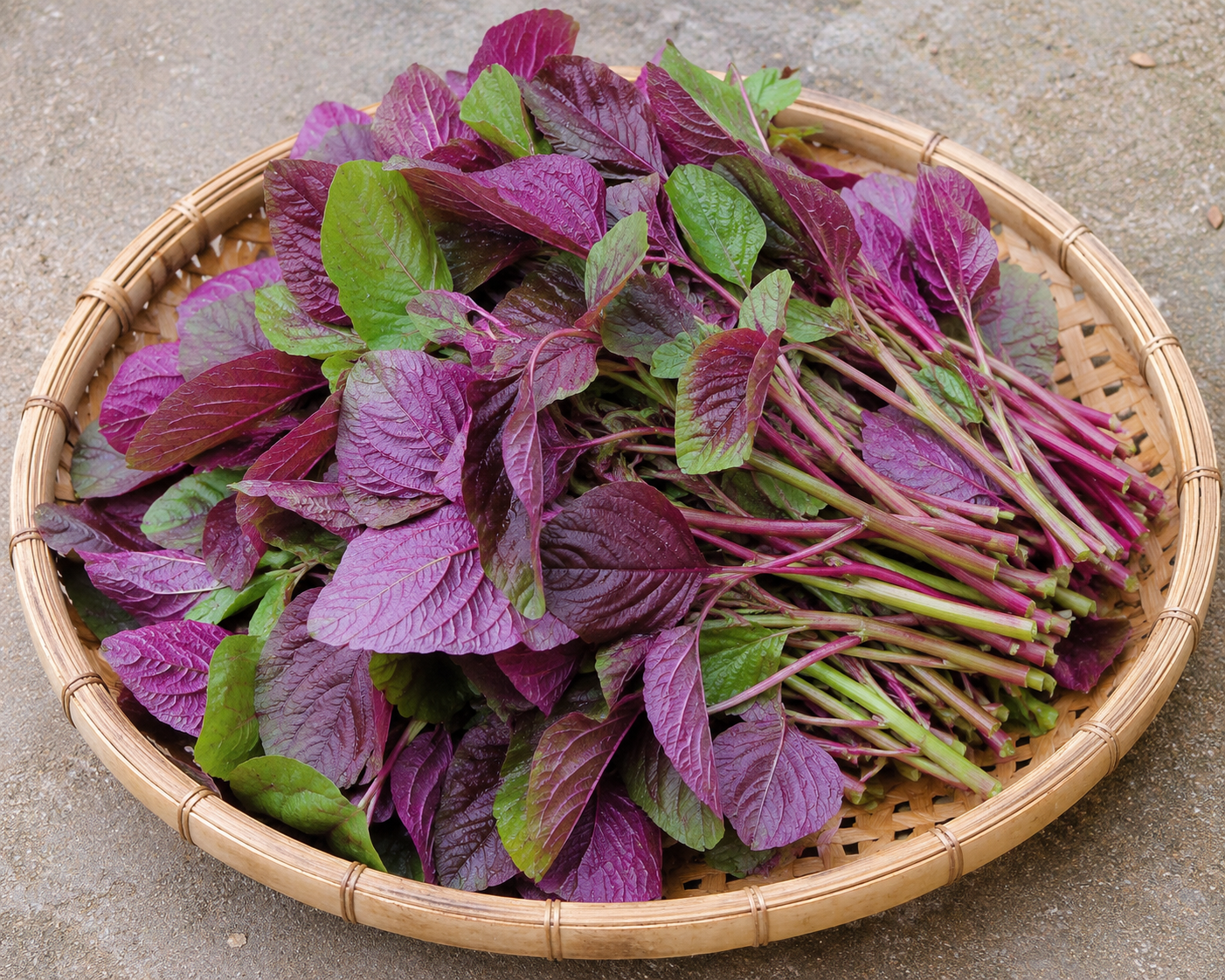
According to the nutritional information table of the National Institute of Nutrition, 100g of white amaranth contains about 6.1mg of iron, 2-3 times more than beef, which is good for people with anemia. Red amaranth or common amaranth has a higher iron content.
In terms of calcium content, green amaranth has significantly more calcium than red or white amaranth. 100g of green amaranth contains 341mg of calcium, while red or white amaranth contains 288mg.
Vitamin A in spinach is good for eyesight, vitamin K is good for blood circulation, prevents blood clotting disorders, is good for the brain, and prevents aging. This food also contains plenty of folate, vitamin B6, potassium, etc., which are good for cardiovascular health, control heart rate, and are suitable for people on a diet.
According to information from Nguyen Tri Phuong Hospital (Ho Chi Minh City), amaranth has the effect of reducing heat, cooling the liver, promoting bowel movements, facilitating urination, improving qi, and eliminating dampness...
4 things to avoid when using amaranth.
- People allergic to amaranth should not consume it: Amaranth rarely causes allergies. However, if you have ever experienced rashes, itching, or discomfort after eating this vegetable, you should not use it as a remedy.
- Amaranth has a cooling effect, so it is not recommended for people with a cold constitution, pregnant women with a cold constitution, or people currently suffering from diarrhea.
- Amaranth leaves cooked together with turtle meat can cause poisoning; avoid combining them or consuming them at the same time.
- Dishes and remedies made from amaranth should not be reheated multiple times because the nitrates in amaranth leaves can be converted into nitrites - a substance that may cause cancer.
Studies show that the oxalic acid component in amaranth can interfere with the body's ability to absorb calcium and zinc, increasing the risk of oxalate kidney stones. Therefore, patients with gout, kidney stones, or rheumatoid arthritis should consult their doctor before consuming amaranth regularly for extended periods.
Source: https://vietnamnet.vn/4-khong-khi-an-rau-den-2518088.html










































































![[INFOGRAPHICS] Strengthening the strategy for ethnic affairs work until 2030, with a vision to 2045](https://vphoto.vietnam.vn/thumb/402x226/vietnam/resource/IMAGE/2026/05/23/1779540129141_1779539919.webp)

















Comment (0)