

Proper skincare combined with a healthy lifestyle can significantly improve acne and reduce the risk of recurrence.
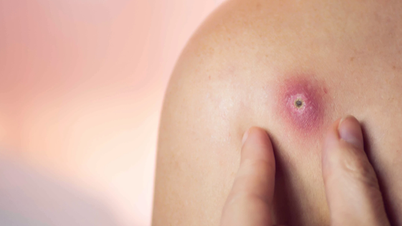
Acne is a type of skin lesion containing pus, usually appearing when pores become clogged with sebum, dead skin cells, and dirt. This environment creates favorable conditions for bacteria to thrive, especially P. acnes – one of the main causes of acne.
When bacteria proliferate, the body triggers an inflammatory response, leading to symptoms such as:
- Swelling and redness
- Pain
- Burning sensation
- Pus forms under the skin.
Acne can appear on the face, back, chest, shoulders, or any area of skin with active sebaceous glands.
Factors that increase the risk of developing pimples.
Besides clogged pores, many other factors contribute to the appearance and persistence of acne.
- Hormonal changes
Elevated androgen hormones can stimulate the sebaceous glands to become more active, increasing oil production on the skin and causing clogged pores. This is why acne is more common during puberty, in women during their menstrual cycle, or in people who are frequently stressed.
- Using unsuitable cosmetics
Products that are high in oil or irritate the skin can clog pores, creating conditions for acne to develop.
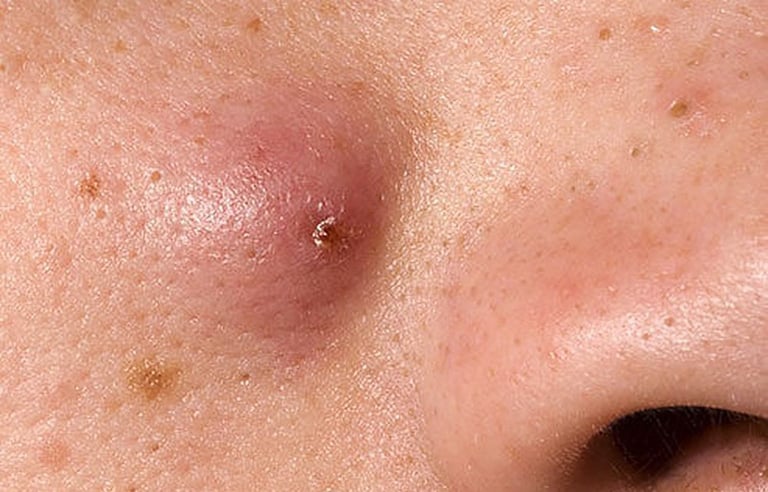
People with acne should wash their face with warm water and a gentle, oil-free cleanser.
- Prolonged stress
Stress causes the body to produce more cortisol, which in turn stimulates the oil glands to become more active and worsens acne.
- Genetic factors
If there is a history of boils in the family, the risk of developing this condition is also higher.
- Proper skin hygiene helps reduce acne.
Proper skin hygiene is an important step in the treatment and prevention of acne.
- Wash your face gently.
People with acne should wash their faces with warm water and a gentle, oil-free cleanser. Washing helps remove excess sebum, dirt, and dead skin cells that accumulate on the skin. However, avoid scrubbing too hard as this can damage the skin and worsen inflammation.
- Use a suitable toner and moisturizer.
Toner helps balance the skin's pH and provides deeper cleansing after washing your face. Additionally, using a suitable moisturizer will help the skin maintain necessary moisture and reduce excessive oil production.
- Exfoliate properly
For oily or acne-prone skin, products containing salicylic acid or gentle exfoliants can be used to deeply cleanse pores. However, overuse should be avoided as it can irritate the skin.
- Keep your face towels and bedding clean.
Face towels, pillowcases, and bath towels are easy breeding grounds for bacteria. Regularly changing and washing them will help reduce the risk of bacteria coming into contact with your skin.
- Do not squeeze or pop pimples.
Many people have a habit of squeezing pimples with their hands to get rid of them faster; however, this is not recommended. Squeezing pimples incorrectly can cause: more severe inflammation; spreading bacteria to other areas of the skin; damaging skin tissue; forming scars and long-lasting dark spots… In particular, using unhygienic hands or tools to squeeze pimples can increase the risk of skin infection.
Use acne medication as directed.
Acne medications can help reduce inflammation, limit bacteria, and improve skin condition. However, patients should not self-medicate without guidance from a doctor or dermatologist.
Depending on the severity of acne, the doctor may prescribe topical medications, antibiotics, hormone-regulating drugs, etc. Medication should be taken strictly according to the prescribed dosage to minimize side effects and achieve the best treatment results.
How does diet affect acne?
Many studies show that diet is closely related to acne.
- Limiting sugary and fatty foods can help reduce acne.
Sweets, sugary drinks, fast food, and greasy foods can increase inflammation and stimulate the sebaceous glands to become more active.
- Increase your intake of vegetables and fruits because they
Rich in vitamins, fiber, and antioxidants, it helps support skin healing, reduce inflammation, and improve overall health.
- Drink enough water.
It's important to drink enough water because adequate hydration helps the skin maintain its natural moisture and aids in the elimination of toxins from the body.
Lifestyle adjustments can improve skin.
Besides proper skincare and a balanced diet, a healthy lifestyle also plays a crucial role in controlling acne.
- Get enough sleep because lack of sleep can disrupt hormones and worsen acne.
- Exercise regularly It helps improve blood circulation, reduce stress, and support healthier skin.
- Limit alcohol and tobacco, as these stimulants can increase oil production on the skin and promote inflammation.
- Reducing stress through activities such as yoga, meditation, reading, or listening to relaxing music can help manage stress and support the improvement of acne. If acne persists, recurs frequently, or shows signs of severe inflammation, patients should consult a dermatologist for appropriate advice and treatment, avoiding self-treatment which can lead to complications or long-term scarring.
Source: https://suckhoedoisong.vn/cach-chua-mun-nhot-hieu-qua-169260522210422835.htm































































































Comment (0)