

1. What health-beneficial compounds are present in artichoke leaves?
- 1. What health-beneficial compounds are present in artichoke leaves?
- 2. How to use artichoke leaves for good health
- 2.1 Artichoke leaf tea
- 2.2 Artichoke leaves combined with Artemisia annua and Gardenia jasminoides
- 2.3 Artichoke leaves combined with hawthorn and lotus leaves
- 2.4 Artichoke leaves combined with honeysuckle and dandelion
- 2.5 Artichoke leaves combined with tangerine peel and cyperus root.
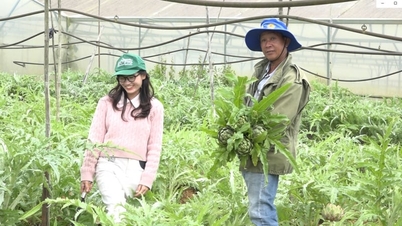
Artichokes were only introduced to Vietnam and China in the early 20th century, so traditional medicine texts do not record information about this plant. However, due to its beneficial effects on health, many modern and traditional medical documents have mentioned the properties and uses of artichoke flowers and leaves.
Artichoke leaves, also known as Thai artichoke leaves or Korean artichoke leaves, have a bitter, slightly sweet taste, a cooling nature, and act on the liver, gallbladder, and kidney meridians. Artichoke leaves have the effects of soothing the liver and gallbladder, clearing heat and reducing jaundice, detoxifying, eliminating phlegm and dampness, and promoting diuresis and reducing swelling.
In fact, artichoke leaves are commonly used by folk medicine practitioners and traditional Chinese medicine doctors to treat acute and chronic hepatitis, heat-type digestive disorders, atherosclerosis, dizziness, and some skin conditions such as boils, rashes, and allergies.
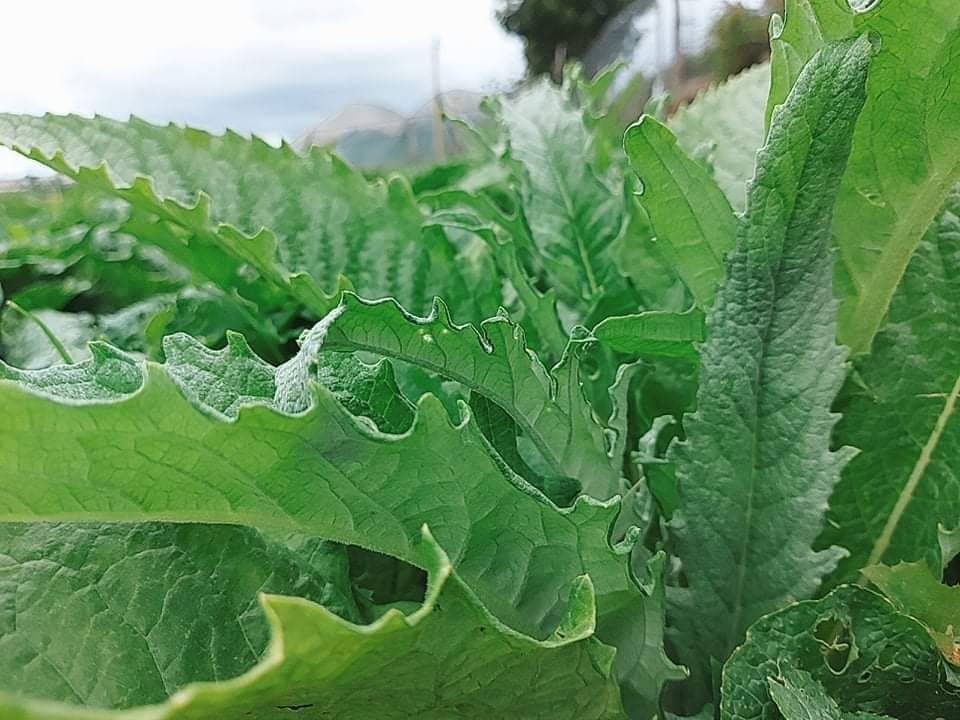
Artichoke leaves are a valuable medicinal herb used in many remedies in both modern and traditional Eastern medicine.
Scientific studies have shown that artichoke leaves contain many bioactive compounds such as:
- Containing a large amount of caffeoylquinic acid derivatives, which are the main active ingredients responsible for the plant's valuable pharmacological effects, this helps protect liver cells, lower liver enzymes, and promote bile secretion.
- Flavonoids have powerful antioxidant and anti-inflammatory effects.
- Sesquiterpene lactones, notably cynaropicrin, are the active compounds that give artichoke leaves their characteristic bitter taste and have the ability to inhibit the growth of certain abnormal cells.
- It contains a high amount of inulin, a type of soluble fiber that nourishes beneficial gut bacteria and helps control blood sugar.
In addition, artichoke leaves are a diverse source of vitamins, containing large amounts of vitamin B9, vitamin C, vitamin K, and other B vitamins such as B1, B2, B3, B5, B6, etc. Studies have also shown that artichoke leaves contain many important minerals such as potassium, magnesium, manganese, phosphorus, calcium, iron, and zinc.
Numerous studies and clinical trials have demonstrated many health benefits of artichoke leaves:
- It has protective and detoxifying effects on the liver, helps restore liver cells, lowers liver enzymes, and promotes the regeneration and production of new liver tissue.
- It improves digestive function, reduces irritable bowel syndrome, promotes bile production, stimulates bile secretion, leading to more efficient fat digestion and preventing gallstones.
- Lowering bad LDL cholesterol while increasing good HDL cholesterol helps control blood lipids, reducing the risk of atherosclerosis and stroke.
- It helps treat diabetes by slowing down the absorption of sugar into the bloodstream after meals and improving insulin sensitivity.
- Lowers blood pressure, fights aging, and provides comprehensive antioxidant protection.
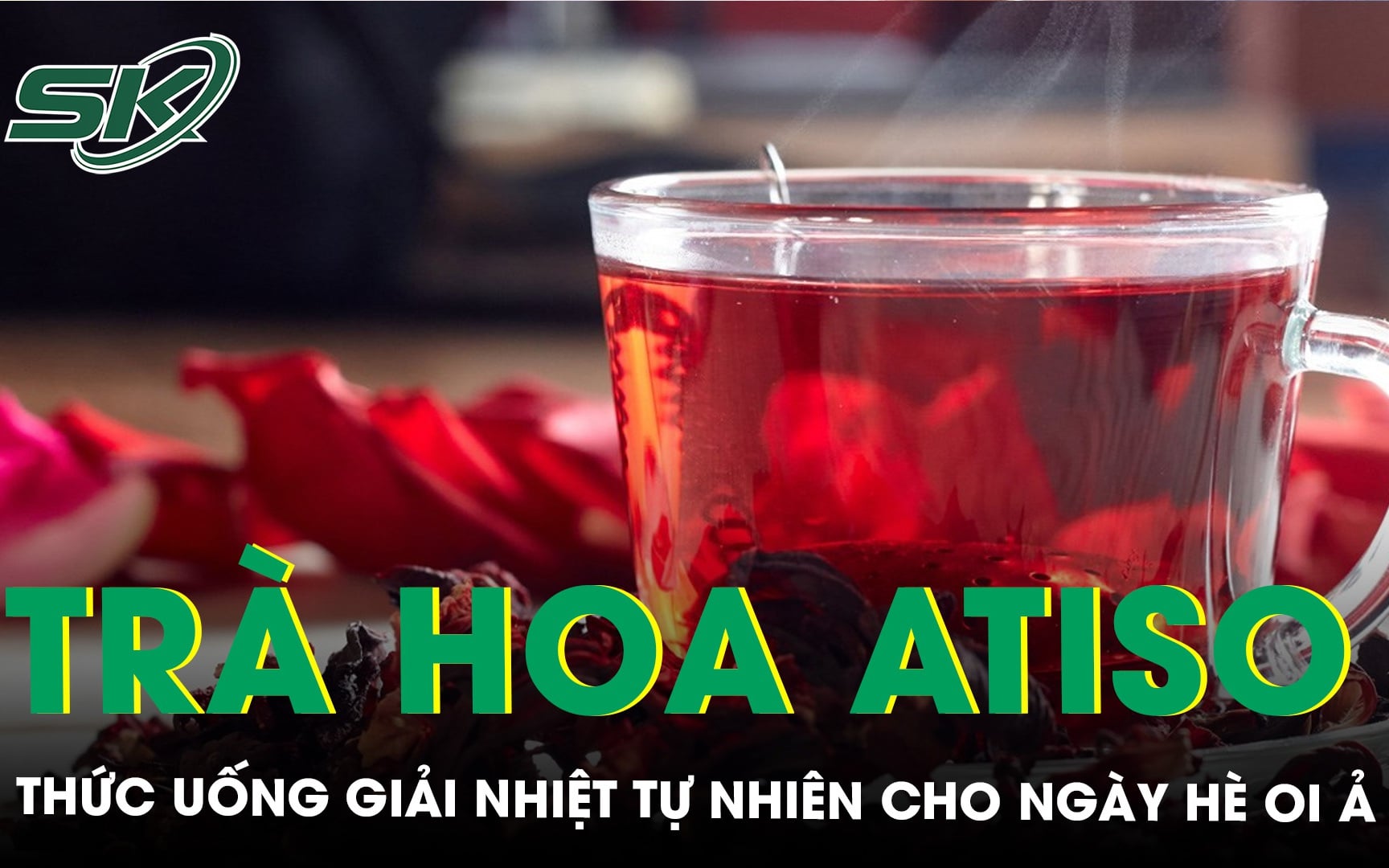
2. How to use artichoke leaves for good health
2.1 Artichoke leaf tea
Ingredients: 5-10g of dried leaves or 10-20g of fresh leaves per day.
Preparation method:
- Wash the leaves thoroughly to remove any dirt.
- Steep or boil with about 500ml - 1 liter of water.
- Bring to a boil, then reduce heat and simmer for about 10-15 minutes to allow the active ingredients to fully release.
Effects: Clears heat, promotes urination, lowers liver enzymes, and cools the body.
2.2 Artichoke leaves combined with Artemisia annua and Gardenia jasminoides
Ingredients: 10-15g each of dried artichoke leaves, Artemisia capillaris, and Gardenia jasminoides.
Preparation method: Brew one dose daily.
Effects: In Traditional Chinese Medicine, Artemisia capillaris is considered a sacred remedy for jaundice. Gardenia jasminoides has the effect of clearing heat, reducing inflammation, and promoting diuresis. When combined with artichoke leaves, it greatly enhances the ability to clear bile ducts and eliminate damp heat in the middle burner, making it very suitable for cases of jaundice, hepatitis, and high liver enzymes.
2.3 Artichoke leaves combined with hawthorn and lotus leaves
Ingredients: 10-15g each of dried artichoke leaves, hawthorn berries, and lotus leaves.
Preparation method: Brew one dose daily as a tea substitute.
Effects: Hawthorn helps to digest food, lotus leaves clear heat, promote blood circulation, and lift the body's vital energy. This combination is very effective in clearing fat from the blood and liver.
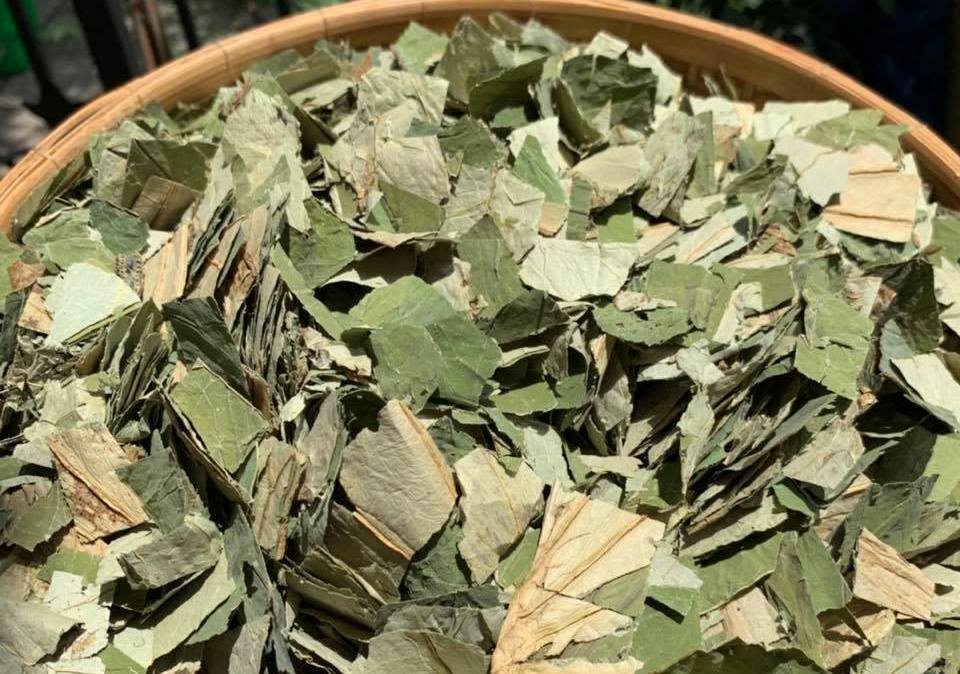
Artichoke leaves combined with lotus leaves and hawthorn berries, brewed into a tea, help lower cholesterol.
2.4 Artichoke leaves combined with honeysuckle and dandelion
Ingredients: 10-15g each of dried artichoke leaves, honeysuckle flowers, and dandelion.
Preparation method: Brew the herbs in water and drink daily instead of tea.
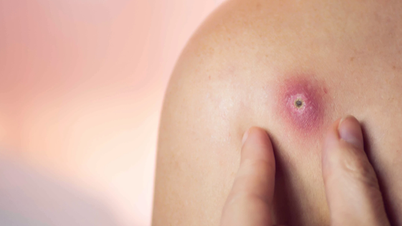
Effects: This is a combination of three herbs with strong plant-based antibiotic properties, helping to clear heat and detoxify from within, cool the blood, and thus treat boils, sores, and itching caused by heat toxins.
2.5 Artichoke leaves combined with tangerine peel and cyperus root.
Ingredients: 10-15g each of dried artichoke leaves, dried tangerine peel, and cyperus rhizome.
Preparation method: Brew one dose daily.
Effects: Relieves bloating, indigestion, and epigastric pain caused by liver-stomach disharmony. Artichoke leaves help to lower gas, while tangerine peel and cyperus help to regulate qi and relieve stagnation. This remedy is very effective in relieving abdominal distension and treating belching and nausea.
Note: Artichoke leaves have many health benefits, but should not be used by people with bile duct obstruction, allergies to the daisy family, kidney failure, heart-related edema, or those with weak spleen and stomach, cold abdomen, cold hands and feet, or diarrhea.
Use with caution in young children, pregnant and breastfeeding women, and individuals taking anticoagulants or cholesterol-lowering medications. Do not use more than 20g of dried leaves per day, and do not consume continuously for extended periods.
Source: https://suckhoedoisong.vn/ngoai-hoa-la-atiso-co-tac-dung-gi-voi-suc-khoe-169260510130437792.htm
![[Photo] The General Secretary, President and his wife begin their state visit to the Philippines.](https://vphoto.vietnam.vn/thumb/1200x675/vietnam/resource/IMAGE/2026/05/31/1780230559452_anh-man-hinh-2026-05-31-luc-19-28-11.png)



![[Image] Hanoi Police officially crowned champions of V-League 2025/2026](https://vphoto.vietnam.vn/thumb/1200x675/vietnam/resource/IMAGE/2026/05/31/1780244769054_ndo_br_039d561b692be875b13a-jpg.webp)















![[Video] Sunset at Lap An Lagoon – Where the sun sets over the fishing nets](https://vphoto.vietnam.vn/thumb/340x192/vietnam/resource/IMAGE/2026/05/31/1780192137701_beach-landscape-sea-water-nature-grass-745871-pxhere-com.jpeg)




![[Photo] Solemn bathing ceremony and Buddha procession in Hue](https://vphoto.vietnam.vn/thumb/1200x675/vietnam/resource/IMAGE/2026/05/31/1780228263543_1-jpg.webp)

![[Photo] Admire the coral "masterpiece" amidst the million-year-old heritage of Dak Lak province.](https://vphoto.vietnam.vn/thumb/1200x675/vietnam/resource/IMAGE/2026/05/31/1780221235105_anh-man-hinh-2026-05-31-luc-16-53-27.png)






































































Comment (0)