In reality, a paradox often occurs: many patients only begin to pay attention to their heart health when they experience hypertension, dyslipidemia, or angina. However, scientific evidence shows that cardiovascular risk doesn't develop overnight, but is "programmed" from a very early age through lifestyle, especially diet.
Content
- 1. Salmon provides a source of omega-3s that are directly beneficial for heart cells.
- 2. Extra virgin olive oil – a fat 'friendly' to blood vessels.
- 3. Avocado – a combination of healthy fats and micronutrients
- 4. Walnuts contain nutrients that are beneficial for blood vessels.
- 5. Berries provide antioxidants that help keep blood vessels healthy.
- 6. Dark green leafy vegetables provide a natural source of nitrates for blood circulation.
Statins, blood pressure-lowering medications, stents, or other modern interventions can save patients in the late stages of the disease. But before those measures are needed, a proper diet acts as a "silent defense system," helping to reduce inflammation, improve blood lipid levels, stabilize blood pressure, and protect blood vessel walls.
It's important to note that not all foods touted as good for the heart actually have clear scientific evidence. Below are six food groups recommended by many cardiologists, based on rigorous research and clinical practice.
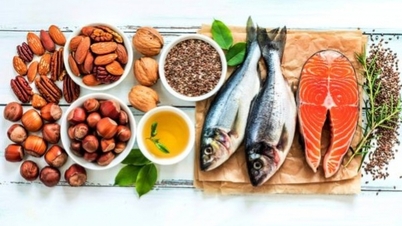
1. Salmon provides a source of omega-3s that are directly beneficial for heart cells.
Salmon is one of the most frequently mentioned foods in cardiovascular health recommendations, and this is no coincidence. This fatty fish is rich in omega-3 fatty acids, especially EPA and DHA – two components that can directly integrate into the cell membranes of the heart and blood vessels.
Biologically, omega-3s help to:
- Lowering triglycerides in the blood
- Stabilize heart rate
- Improve endothelial function – the "lining" of blood vessels.
- Reducing chronic inflammatory responses, a central factor in atherosclerosis…
Numerous studies have shown that regular consumption of fatty fish is associated with a reduced risk of cardiovascular events, particularly in individuals with dyslipidemia. It's important to note that salmon offers the best benefits when prepared healthily (steamed, lightly pan-fried, grilled), avoiding deep-fried dishes.
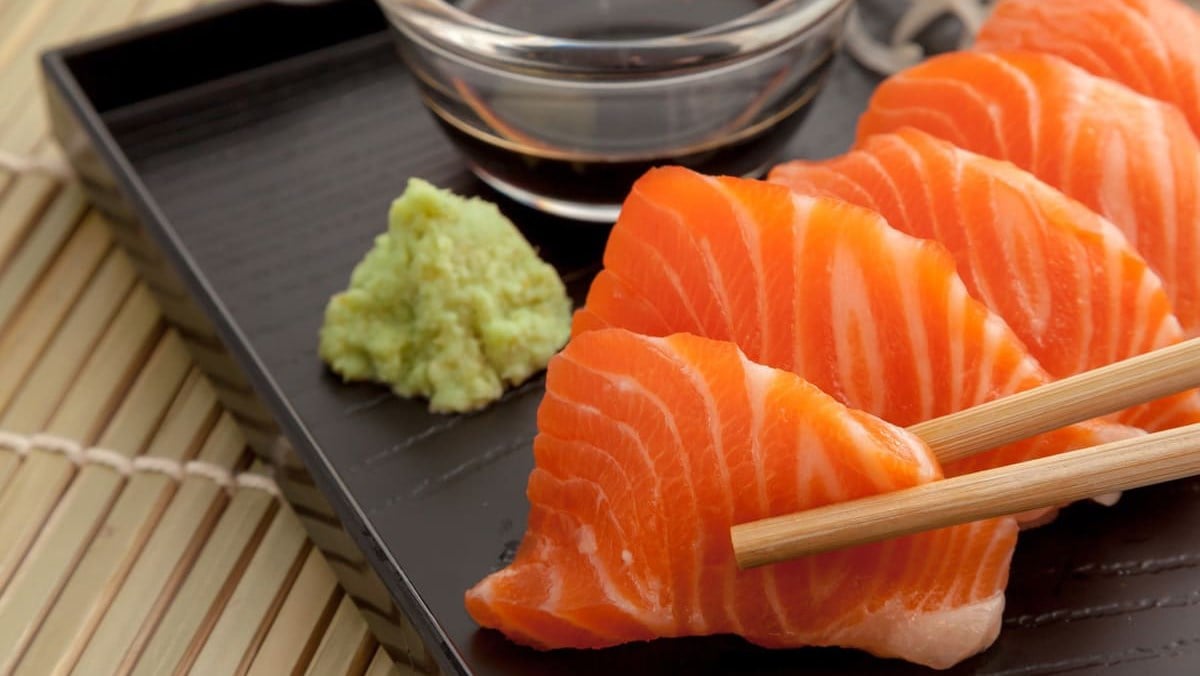
Salmon provides a source of omega-3s that are directly beneficial for heart cells.
2. Extra virgin olive oil – a fat 'friendly' to blood vessels.
Not all fats are bad for the heart. Extra virgin olive oil is a prime example of a beneficial fat group, when used correctly and in the right amounts. The main component of olive oil is monounsaturated fat, along with many polyphenols that have antioxidant effects.
These compounds help to:
- Reduce oxidative stress on blood vessel walls.
- Supports maintaining "healthy" LDL levels.
- Reducing the inflammatory response associated with atherosclerosis…
Epidemiological studies show that replacing saturated fats (animal fat, animal butter) with olive oil is associated with a reduced risk of heart disease and cardiovascular mortality. This is also the cornerstone of the Mediterranean diet – a dietary model highly regarded by many cardiology associations.
3. Avocado – a combination of healthy fats and micronutrients
Avocados are often mistakenly thought to be high in fat and therefore bad for the heart. In reality, the fat in avocados is mostly oleic acid – the same beneficial fat found in olive oil. In addition, avocados also provide:
- Fiber helps control cholesterol.
- Potassium helps regulate blood pressure.
- Antioxidants are beneficial for blood vessels…
Some studies suggest that when avocados are used to replace foods high in saturated fat, consumers may notice a slight but significant reduction in LDL and total cholesterol. The important thing is to eat in moderation, as avocados are good for the heart, but you shouldn't consume too many in a day.
4. Walnuts contain nutrients that are beneficial for blood vessels.
Among nuts, walnuts stand out due to their high content of omega-3 fatty acids in the form of ALA (alpha-linolenic acid), along with many natural antioxidants.
Scientific evidence shows that:
- Eating walnuts regularly helps lower LDL cholesterol.
- Improved endothelial function – a crucial factor for vascular health – has been linked to a reduced risk of cardiovascular events in long-term studies…
Unlike single supplements, walnuts provide a natural "package" of nutrients, combining healthy fats, fiber, and micronutrients. However, they are still a high-energy food, so they should be consumed in moderation.
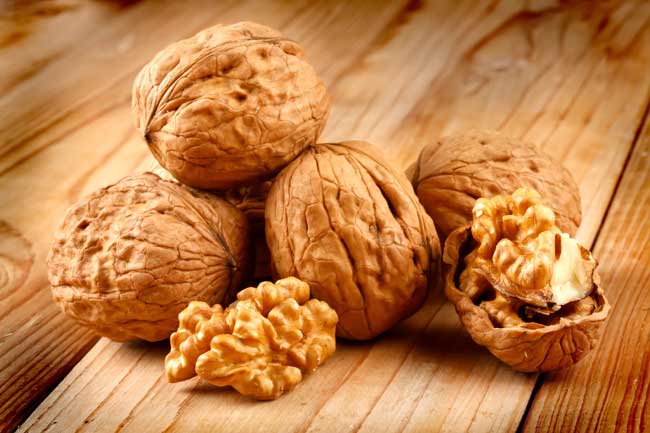
Walnuts contain nutrients that are beneficial for blood vessels.
5. Berries provide antioxidants that help keep blood vessels healthy.
Berries such as blueberries, strawberries, and raspberries are rich in anthocyanins – a group of compounds that give them their characteristic purple, red, and deep blue colors. These are powerful antioxidants that have a positive impact on blood vessels. Anthocyanins help to:
- Blood vessels relax better.
- Reduce oxidative stress
- Helps lower mild blood pressure…
Clinical trials have shown that vascular function improves in people who eat berries regularly, and the risk of heart attack tends to decrease. For Vietnamese people, there is a flexible choice of readily available polyphenol-rich fruits, as long as added sugar is limited.
6. Dark green leafy vegetables provide a natural source of nitrates for blood circulation.
Spinach, kale, arugula, and many other dark leafy greens provide naturally occurring nitrates. Once in the body, nitrates are converted into nitric oxide – a molecule that plays a key role in:
- Dilates blood vessels.
- Improve blood circulation
- Helps control blood pressure...
Unlike nitrates in processed foods, nitrates from green vegetables, along with fiber and antioxidants, are considered safe and beneficial for cardiovascular health. Increasing the consumption of leafy green vegetables in daily meals is a consistent recommendation from many health organizations.
It's important to emphasize that no single food can protect cardiovascular health if the overall lifestyle is unhealthy. These foods are most effective when included in a balanced diet that is low in salt and sugar, limits saturated fat, and is combined with physical activity and stress management.
In medical practice, doctors don't "prescribe" food like medicine, but they rely on this evidence to guide people in making smarter dietary choices before heart disease strikes.
Please note that this article is for informational purposes only and does not replace individual medical advice.
Please watch the video for more information:
Source: https://suckhoedoisong.vn/6-thuc-pham-ho-tro-suc-khoe-tim-mach-169251215142048522.htm

































































































Comment (0)