

Vitamin C
The immune system weakens with age, making older adults more susceptible to illnesses ranging from the common cold to pneumonia. Vitamin C helps protect the aging immune system by increasing the production of white blood cells to fight off infections and diseases.
This vitamin also provides important antioxidant protection to shield white blood cells from free radicals. When older adults are ill, vitamin C can speed up the recovery process.
Iron also helps the body produce hemoglobin, which allows red blood cells to carry oxygen. Without enough iron, the health of red blood cells deteriorates. Supplementing with vitamin C can help the body absorb iron more easily.
In addition, studies show that Vitamin C enhances cardiovascular health, which is crucial for older adults. Adequate Vitamin C intake can also help lower blood pressure in older adults.
Foods rich in vitamin C that can be included in your daily diet include cauliflower, cantaloupe, tomatoes, potatoes, papaya, citrus fruits, etc.
Furthermore, Vitamin C is essential for minimizing risk factors leading to heart disease and stroke. Women have a higher daily requirement of up to 90 mg of this vitamin, while men only need 75 mg.
Calcium
As we age, our bodies tend to absorb less calcium from our diet, which makes our bones weaker and more prone to fractures. Calcium deficiency has also been linked to irregular heartbeats, seizures, and numbness and tingling in the fingers.
It is recommended to consume dairy products such as yogurt, milk, cheese, calcium-fortified cereals, sardines, and leafy green vegetables (kale and collard greens)...
Women over 51 are recommended to consume at least 1,200 milligrams of calcium per day. Men should consume 1,000 milligrams for those aged 51 to 70 and 1,200 milligrams for those 71 and older.
Potassium
Potassium is one of the most important minerals for health. The body needs potassium for muscle contraction, and for the brain, heart, and nerves to function properly. Older adults with diets rich in potassium tend to be healthier, potentially reducing their risk of osteoporosis, kidney stones, high blood pressure, and stroke. However, as we age, kidney function declines, which can affect potassium levels in the body.
Foods rich in potassium, such as dried apricots, bananas, potatoes, and lentils, should be consumed. However, it's important to note that consuming too much potassium can cause muscle weakness, nausea, and an irregular heartbeat.
Typically, the recommended daily intake of potassium is 4,700 mg. However, it's important to consult with your doctor to determine the appropriate amount.
Folic acid
Folic acid (folate) is essential for the normal functioning of the nervous system at all ages. Folate may reduce the risk of depression, hearing loss, and cognitive impairment (including Alzheimer's disease).
Folate can be found in many foods: beef liver, spinach, broccoli, avocado, and some breakfast cereals... People over 51 years old should consume 400 mcg of folate per day.
Vitamin D
A diet deficient in vitamin D is associated with an increased risk of osteoporosis, cardiovascular disease, hypertension, and cognitive decline in older adults. Older adults are particularly susceptible to vitamin D deficiency due to reduced sun exposure, isolation, lack of physical activity, and anxieties about sun exposure.
Foods rich in vitamin D include salmon, sardines, eggs, and milk.
People aged 51 to 70 should consume 600 international units (IU) of vitamin D daily. Those over 71 need 800 IU/day.
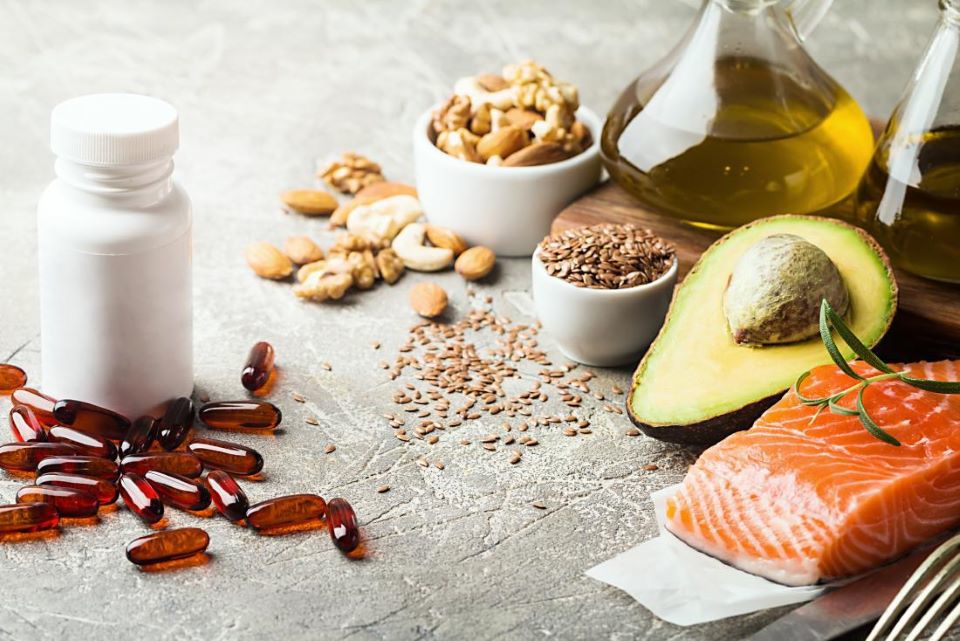
Omega
Cardiovascular diseases such as hypertension, cerebrovascular disease, and heart conditions like coronary artery disease, arrhythmias, and heart failure are increasingly prevalent with age. Omega-3 supplements may help prevent or support the treatment of these conditions.
Furthermore, Omega-3 fatty acids (FAs) may have significant benefits in maintaining a healthy heart and reducing the risk of cognitive decline in older adults.
Doctors often recommend that older adults take fish oil supplements because they are rich in omega-3 fatty acids. To get the most significant benefits from fish oil supplements, seniors must combine them with a healthy lifestyle, such as regular exercise and improving their diet to reduce their risk of stroke and heart disease.
However, fish oil can interact with certain medications. When taken in high doses, it can increase blood clotting time and cause bleeding problems. Therefore, fish oil should only be used as directed and advised by a doctor.
Things to note when supplementing with vitamins and minerals.
To obtain these nutrients, older adults need to maintain a balanced diet with a variety of nutrient-rich foods containing many vitamins and minerals that are good for their health. They should choose whole foods containing a mix of carbohydrates, good quality fats, and protein, and eat a variety of fruits and vegetables in different colors.
If your diet doesn't provide enough vitamins and minerals, you can discuss the use of supplements with your doctor. However, you must strictly follow your doctor's instructions and advice when using supplements to avoid potential risks associated with these nutrients.
Source: https://kinhtedothi.vn/6-vitamin-va-khoang-chat-can-thiet-cho-nguoi-cao-tuoi.html
![[Photo] Secretary of the National Assembly Party Committee, Chairman of the National Assembly presides over the meeting of the Standing Committee and Executive Committee of the National Assembly Party Committee.](https://vphoto.vietnam.vn/thumb/1200x675/vietnam/resource/IMAGE/2026/06/03/1780480353201_ndo_br_bnd-2585-jpg.webp)

![[Photo] First session of the 14th Congress of the Vietnam Trade Union](https://vphoto.vietnam.vn/thumb/1200x675/vietnam/resource/IMAGE/2026/06/03/1780465947883_ndo_br_img-3852-jpg.webp)


![[Photo] General Secretary and President To Lam presides over a meeting with the Central Organizing Committee.](https://vphoto.vietnam.vn/thumb/1200x675/vietnam/resource/IMAGE/2026/06/03/1780482764658_a1-bnd-4741-3342-jpg.webp)



















































![[Video] Sunset at Lap An Lagoon – Where the sun sets over the fishing nets](https://vphoto.vietnam.vn/thumb/1200x675/vietnam/resource/IMAGE/2026/05/31/1780192137701_beach-landscape-sea-water-nature-grass-745871-pxhere-com.jpeg)



































Comment (0)